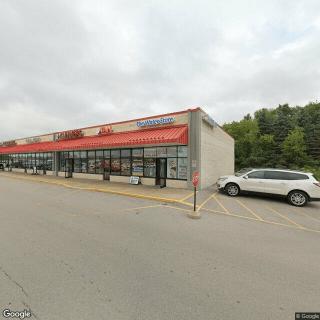
Caring Alternatives Of Muskego

W182 S8320 Pioneer Drive, Muskego, WI 53150

For more information about senior living options: (844) 490-3973

3.8 from 10 reviews
5 stars
7
4 stars
0
3 stars
0
2 stars
0
1 stars
3

Assisted Living

What level of care are you interested in?

Assisted Living

Memory Care

Independent Living

Skilled Nursing Facility

Continuing Care Retirement Community (CCRC)CCRC

Other


Request a tour at Caring Alternatives Of Muskego

    Overall Review of Caring Alternatives Of Muskego

    Pros

    • pro The reviewer felt moving her sister to Caring Alternatives was the best decision she could have made.
    • pro Jo guided the admission paperwork and the process went smoothly.
    • pro The level of communication and attention impressed the reviewer.
    • pro The caregivers are incredible and know how to handle things when residents get a little sassy.
    • pro Brenda's care on the first day was incredible and helped the sister feel comfortable.
    • pro Brenda has a way with residents, treats them with respect, and makes them feel at home.
    • pro The staff turnover is low and nurses and LPNs got to know the mother and were dedicated.
    • pro The reviewer loves the place and considers it the best CBRF in Muskego.

    Cons

    • pro The reviewer described unapproachable staff who hardly care for residents.
    • pro The reviewer claimed staff lie about others constantly.
    • pro The reviewer advised not to send a loved one there.
    • pro The reviewer alleged Brenda was the messiest director, accused of racist attitudes, and said theft occurred with no action taken.
    • pro The reviewer described a tour where staff were rude and refused help with a mask, leaving them waiting.
    • pro The reviewer stated that staff do not follow care plans, especially transfers, and instead tattletale on others to avoid extra work.
    • pro The reviewer summarized the experience as horrible, noting rude and disrespectful treatment.

    Review

    The collection of remarks about Caring Alternatives in Muskego presents a broad spectrum of experiences, anchored by a consistent thread of strong, people-focused care. Several reviewers describe a caregiving environment where communication is open, proactive, and deeply attentive to family concerns. In particular, the admission process is highlighted as smooth and reassuring, with Jo guiding families through paperwork and helping ease anxieties about moving a loved one into a new setting. The overall tone from these writers is one of relief and gratitude, as they feel they've found a place that treats residents with dignity and keeps families informed.

    A standout theme across multiple accounts is the quality of direct care and the personalities of individual staff members who seem to make a real difference in daily life for residents. Brenda is repeatedly singled out for her exceptional connection with residents and her ability to make a first day feel calm and welcoming, even in the challenging context of dementia. One reviewer describes Brenda as having "a way with residents" that blends respect and comfort, making it seem as if the new resident had lived there for years. The appreciation extends beyond one-off moments; families note ongoing accessibility and responsiveness from Brenda, Tiffany, and the nursing team, including after-hours calls that are answered with patience and thoroughness. For many families, this level of personal attention is exactly what they were seeking.

    Several accounts emphasize the ongoing stability and dedication of the caregiving staff. Reviewers who express confidence in the facility point to low staff turnover and staff members who learn residents' preferences, histories, and needs, which helps them tailor care and stay attuned to family inquiries. The impression given is that the caregivers genuinely care about residents and their well-being, and that the team works cohesively to support families as well as residents. The combination of knowledgeable nurses, LPNs, and aides who stay engaged with residents over time contributes to a sense of security for families, especially during difficult or emotionally charged moments.

    There are also positive notes about end-of-life and hospice-related care. One reviewer recounts how the staff effectively healed ulcers on their mother's legs after hospice transfer and then provided compassionate, after-hours support during her final days. The narrative underscores the idea that the care team can coordinate medical and emotional support in a way that respects both the resident and the family. The reviewer commends Brenda, Tiffany, and the nursing staff for their dedication, highlighting the importance of accessible, compassionate care when it matters most.

    Not all feedback is uniformly glowing, and some reviewers raise serious concerns. A portion of the commentary describes unapproachable or inconsistent staff behavior, with claims that some team members do not follow care plans or properly handle transfers, and that there is a reluctance to take on "extra work" that frustrates families seeking thorough care. One reviewer expresses a strong warning not to send a loved one to this community, painting a picture of a staffing culture that is not always aligned with resident needs or family expectations. These perspectives contribute to a nuanced view: when the care team is aligned and proactive, families feel cared for; when gaps appear in communication or accountability, frustration and distrust can grow.

    Another set of remarks centers on a negative perception of management and on experiences during tours. A reviewer accuses the director of being disorganized and messy, and reports an incident involving theft and a lack of response from leadership. While this reflects a single perspective, it contributes to an overall sense that, for some families, staff dynamics and administrative conduct can color the perceived quality of care. A separate tour experience recounts a very negative first impression: staff greeted visitors rudely for not wearing masks, with the facility insisting on mask use even before admission, and a generally unhelpful atmosphere as prospective residents waited in the doorway. These anecdotes highlight how first impressions and policy enforcement can shape overall impressions of the community, especially for families evaluating candidacy.

    Taken together, the reviews paint a community with meaningful strengths in compassionate, resident-centered care and strong caregiver relationships, exemplified by Brenda, Jo, Tiffany, and the vigilant nursing team. The positive experiences emphasize smooth admissions, responsive after-hours communication, consistent staffing, and affectionate, respectful treatment of residents - elements that can provide real comfort to families navigating difficult decisions. At the same time, the negative remarks draw attention to areas that some families worry about: adherence to care plans, staff accountability, leadership style, and how new policies are communicated or enforced. For anyone considering Caring Alternatives in Muskego, the stories suggest a facility where genuine, caring care can thrive under the right conditions, but where personal experiences may vary based on staff interactions, leadership, and the day-to-day realities of operations.

    Features

    Housing

    • 34 resident community capacity 34 resident community capacity

    Types of Care

    • Assisted Living Assisted LivingAssisted living facilities provide crucial support and care for seniors who may need help with daily tasks such as medication management, bathing, and meal preparation. These communities offer a safe and comfortable environment where seniors can maintain their independence while receiving the assistance they need to thrive in their golden years.

    Amenities

    • Beauty salon Beauty salonBeauty salons are important for seniors because they provide a space for them to feel pampered, socialize, and maintain their personal grooming and hygiene. Regular visits to a beauty salon can help boost seniors' self-esteem and overall well-being.
    • Cable or satellite TV Cable or satellite TVCable or satellite TV is important for seniors because it provides entertainment, news, and companionship, helping to combat loneliness and boredom. It also offers a wide range of programming options tailored to different interests and preferences.
    • Dining room Dining roomDining rooms are important for seniors as they provide a space for socialization, connection, and nutritious meals. They offer opportunities for residents to bond over shared meals, foster a sense of community, and promote healthy eating habits. Dining rooms also ensure that seniors have access to well-balanced meals tailored to their dietary needs and preferences.
    • Fully furnished Fully furnishedFully furnished senior living communities are important for seniors because they provide convenience, comfort, and a hassle-free moving experience. Seniors can easily settle into their new living space without the stress of having to buy and move furniture. This allows them to focus on enjoying their new home and community.
    • Garden GardenGardens are important for seniors as they provide a peaceful and therapeutic environment for relaxation, physical activity, and socialization. Being in nature has been shown to reduce stress, improve mood, and promote overall well-being. Gardens also offer opportunities for seniors to engage in gardening activities, which can improve mobility, flexibility, and cognitive function. Additionally, gardens create a sense of community and connection with others who share a passion for plants and outdoor spaces.
    • Housekeeping services Housekeeping servicesHousekeeping services are important for seniors because they help maintain a clean and safe living environment, promote independence, and reduce the risk of accidents or illnesses. Additionally, having assistance with household chores can alleviate physical strain and allow seniors to focus on other aspects of their well-being.
    • Kitchenette KitchenetteKitchenettes are important for seniors living in senior living communities because they provide the convenience and independence of being able to prepare simple meals and snacks in the comfort of their own living space. This can help promote a sense of autonomy and well-being for seniors, allowing them to maintain some level of control over their dietary choices and daily routines.
    • Move-in coordination Move-in coordinationMove-in coordination is important for seniors because it helps ease the transition into their new living environment. It ensures that all logistics, such as packing, organizing movers, and setting up utilities are taken care of, allowing seniors to focus on settling in and adjusting to their new home. Having a smooth move-in process can alleviate stress and anxiety, making the transition smoother and more enjoyable for seniors.
    • Outdoor space Outdoor spaceOutdoor spaces are important for seniors as they provide opportunities for physical activity, social interaction, exposure to natural light and fresh air, and a sense of connection to nature. Having access to outdoor spaces can improve overall well-being and quality of life for older adults living in senior communities.
    • Restaurant-style dining Restaurant-style diningRestaurant-style dining is important for seniors because it allows them to enjoy delicious, nutritious meals in a social and upscale setting. This enhances their dining experience, promotes healthy eating habits, and fosters socialization with fellow residents, ultimately contributing to their overall well-being and quality of life.
    • Small library Small librarySmall libraries are important for seniors as they provide access to a variety of reading materials, including books, newspapers, and magazines. This can help stimulate their minds, keep them engaged, and provide a sense of community through book clubs and other social activities. Additionally, reading has been shown to improve cognitive function and overall mental well-being in older adults.
    • Telephone TelephoneTelephones are important for seniors as they provide a lifeline for communication with loved ones, emergency services, and healthcare providers. They offer a sense of security and independence, enabling seniors to stay connected and access assistance when needed.
    • Wi-Fi/high-speed internet available Wi-Fi/high-speed internet availableWi-Fi/high-speed internet is important for seniors to stay connected with loved ones, access online resources, and participate in virtual activities to combat feelings of loneliness and isolation. It also allows them to easily manage healthcare needs, access entertainment, and engage in lifelong learning opportunities.

    Transportation

    • General Mitchell International (13 miles away) General Mitchell International (13 miles away)

    Care Services

    • 24-hour call system 24-hour call system24-hour call systems are important for seniors because they provide peace of mind and immediate assistance in case of emergencies. This technology ensures that help is always available, promoting safety and security for elderly individuals living alone or in assisted living facilities.
    • 24-hour supervision 24-hour supervision24-hour supervision is important for seniors to ensure their safety, well-being, and access to immediate assistance in case of emergencies or health issues. This constant support provides peace of mind for both seniors and their loved ones, allowing them to age in place with dignity and security.
    • Activities of daily living assistance Activities of daily living assistanceActivities of daily living assistance are important for seniors because they provide essential support with tasks such as eating, bathing, dressing, and mobility. This assistance helps seniors maintain their independence, dignity, and overall quality of life as they age.
    • Assistance with bathing Assistance with bathingAssistance with bathing is crucial for seniors as it helps maintain personal hygiene, prevents infections, and ensures their overall well-being and comfort. It also provides a sense of dignity and independence for seniors who may struggle with this task on their own.
    • Assistance with dressing Assistance with dressingAssistance with dressing is important for seniors because it helps maintain their independence, promotes personal hygiene, prevents accidents and injuries, and improves overall quality of life. This service ensures that seniors can continue to dress comfortably and confidently, despite any physical limitations they may have.
    • Assistance with transfers Assistance with transfersAssistance with transfers is crucial for seniors as it helps prevent falls and injuries, maintains their independence, and ensures they can safely navigate their living environment. It also provides peace of mind for both seniors and their loved ones.
    • Diabetes diet Diabetes dietA diabetes diet is crucial for seniors as it helps manage blood sugar levels, reduce risks of complications, and improve overall health and well-being. By following a balanced and nutritious diet tailored to their specific needs, seniors can better control their diabetes and enhance their quality of life.
    • Meal preparation and service Meal preparation and serviceMeal preparation and service are crucial for seniors as they may have limited mobility or energy to cook nutritious meals. Having access to healthy and convenient food options can ensure they are getting the proper nutrition needed to maintain their overall health and well-being.
    • Medication management Medication managementMedication management is crucial for seniors to ensure they are taking the right medications at the correct dosages and times. This helps prevent adverse drug interactions, reduces the risk of medication errors, and promotes overall health and well-being. Proactive management also allows for adjustments as needed based on changing health conditions or new prescriptions.
    • Mental wellness program Mental wellness programMental wellness programs are essential for seniors as they promote cognitive stimulation, emotional support, and social engagement. These programs help prevent isolation, depression, and cognitive decline, ultimately enhancing the overall quality of life for older adults.
    • Special dietary restrictions Special dietary restrictionsSpecial dietary restrictions are important for seniors because age-related changes in metabolism and health conditions can make it difficult for their bodies to process certain foods. By following a diet tailored to their specific needs, seniors can maintain their overall health and well-being, manage chronic conditions, and reduce the risk of complications such as malnutrition or food interactions with medications.

    Dining

    • Diabetes diet Diabetes dietA diabetes diet is crucial for seniors as it helps manage blood sugar levels, reduce risks of complications, and improve overall health and well-being. By following a balanced and nutritious diet tailored to their specific needs, seniors can better control their diabetes and enhance their quality of life.
    • Special dietary restrictions Special dietary restrictionsSpecial dietary restrictions are important for seniors because age-related changes in metabolism and health conditions can make it difficult for their bodies to process certain foods. By following a diet tailored to their specific needs, seniors can maintain their overall health and well-being, manage chronic conditions, and reduce the risk of complications such as malnutrition or food interactions with medications.

    Activities

    • Community-sponsored activities Community-sponsored activitiesCommunity-sponsored activities are important for seniors as they provide opportunities for social interaction, mental stimulation, and physical activity. These activities can help improve overall well-being, combat loneliness and isolation, and promote a sense of belonging and purpose among older adults.
    • Resident-run activities Resident-run activitiesResident-run activities are important for seniors as they encourage social interaction, creativity, and a sense of autonomy. These activities empower seniors to stay engaged and active in their community while fostering meaningful connections with their peers.
    • Scheduled daily activities Scheduled daily activitiesScheduled daily activities are important for seniors because they provide structure, socialization, mental stimulation, and physical activity. Engaging in regular activities can improve overall well-being and quality of life for seniors living in a community setting.

    Description

    Caring Alternatives of Muskego is an assisted living community located in Muskego, WI. Our community offers a range of amenities to enhance the comfort and well-being of our residents. Each room is fully furnished and includes cable or satellite TV, a kitchenette for added convenience, and Wi-Fi/high-speed internet access.

    Our community also features beautiful outdoor spaces and gardens where residents can relax and enjoy the fresh air. Our restaurant-style dining room provides delicious meals that can accommodate special dietary restrictions.

    We understand the importance of maintaining personal hygiene and provide assistance with activities of daily living, including bathing, dressing, and transfers. Our dedicated staff is available 24/7 to ensure the safety and supervision of our residents.

    In addition to physical care, we prioritize the mental wellness of our residents with a mental wellness program. We also offer medication management services to ensure that medications are taken correctly.

    At Caring Alternatives of Muskego, we believe in fostering a sense of community among our residents. We encourage resident-run activities and have scheduled daily activities to keep everyone engaged and socializing.

    Conveniently located near cafes, parks, pharmacies, physicians, restaurants, places of worship, and theaters, our community ensures that all necessary resources are easily accessible for our residents' needs.

    Experience exceptional care and support in a warm and inviting environment at Caring Alternatives of Muskego.

    Nearby Places of Interest

    Restaurants

    • Culver's (0.5 miles)
    • McDonald's (0.7 miles)
    • Tres Locos (1.2 miles)
    • Pack N Brew (1.3 miles)
    • Bass Bay Brewhouse (1.5 miles)
    • Little Caesars Pizza (2.5 miles)
    • Papa Stache (3.4 miles)

    Pharmacies

    • Walgreens (0.6 miles)
    • Walgreens (2.2 miles)
    • PRN Rx (3.8 miles)
    • Walgreens (5.3 miles)
    • Walgreens (5.6 miles)
    • Walgreens (5.8 miles)
    • Walgreens (6.6 miles)

    Places of Worship

    • St Leonard Catholic Church & School Muskego (0.8 miles)
    • First Congregational Church (9.1 miles)

    Cafes

    • Vintage Grounds (1.4 miles)
    • Starbucks (2.5 miles)
    • The Gingerbread House (2.8 miles)
    • Panera Bread (4.6 miles)
    • Starbucks (5.7 miles)
    • Starbucks (8 miles)
    • Panera Bread (8.8 miles)

    Physicians

    • Lakeshore Medical Clinic (1.4 miles)
    • Pro Health Care (2.4 miles)
    • New Berlin Clinic-Children's Wisconsin (4.6 miles)
    • Forefront Dermatology Franklin, WI (4.8 miles)
    • Southeastern Pediatrics & Adolescent Medicine (4.8 miles)
    • Neurosurgery and Endovascular Associates of Milwaukee, S.C. (4.8 miles)
    • New Berlin Family Practice Clinic (6.2 miles)

    Parks

    • Idle Isle Park (2.1 miles)
    • Schmidt Park (3.6 miles)
    • The Big Backyard (7 miles)
    • Rivers Crossing Park (8.4 miles)
    • Greenfield Park (8.7 miles)

    Theaters

    • Ridge Cinema New Berlin, Wi (4.2 miles)

    Hospitals

    • Surgicenter - Children's Wisconsin (8.2 miles)
    • Rogers Memorial Hospital (8.7 miles)
    • D N Greenwald Center (9.2 miles)
    • Linden Grove (9.2 miles)

    Frequently Asked Questions

    Where is Caring Alternatives Of Muskego?

    Nearby Communities

    Related Resources

    • activities of daily livingComprehensive Insights into Activities of Daily Living (ADLs) and Their Assessment

      Activities of Daily Living (ADLs) are fundamental tasks vital for an individual's independence, particularly in older adults over 85, and include functions like bathing and dressing; assessing ADLs alongside Instrumental Activities of Daily Living (IADLs) helps determine the level of required assistance due to age-related health challenges. Tailored support plans, involving family and community resources, are essential for maintaining dignity and autonomy in assisted living environments.

    • does medicare pay for assisted livingMedicare Coverage for Assisted Living: An In-Depth Exploration

      Medicare does not cover assisted living costs, as it focuses on acute medical needs and short-term care, with exceptions for certain medically necessary services like physical therapy. Individuals must explore other options such as Medicaid, veterans' benefits, or long-term care insurance to manage these expenses effectively.

    • assisted living vs nursing homeChoosing the Right Senior Care: A Detailed Exploration of Assisted Living and Nursing Homes

      Choosing between assisted living and nursing homes involves evaluating emotional and financial factors, with assisted living offering independence and support for daily activities at a lower cost, while nursing homes provide intensive medical care for individuals with significant health needs. The decision is influenced by personal preferences, health status, cognitive function, and varying Medicaid coverage across states.


    Get Pricing Ask A Question Schedule A Tour Contact Senior Advisor