
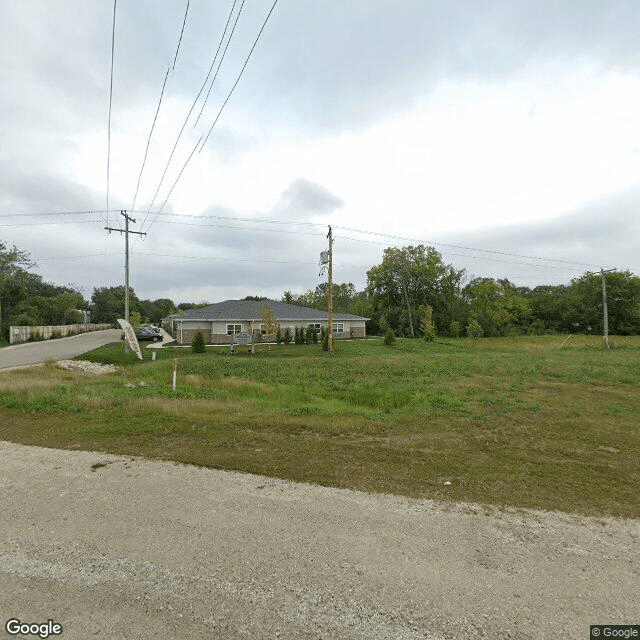
W182 S8320 Pioneer Dr, Muskego, WI 53150
To contact a resident: (414) 235-5500
For more information about senior living options: (866) 208-4318
Caring Alternatives of Muskego Costs & Pricing
Caring Alternatives of Muskego offers competitive pricing for its accommodations, with monthly costs reflecting the quality and services provided. For a studio room, residents can anticipate a monthly fee of $5,200, which is notably higher than the county average of $4,225 and the state average of $3,999. This premium may be attributed to the specialized care and amenities that enhance the living experience at Caring Alternatives. Similarly, for a one-bedroom unit, the cost is set at $5,950 - considerably above Waukesha County's average of $2,752 and Wisconsin's state average of $3,412. While these rates may seem elevated compared to surrounding options, they likely represent an investment in superior care and support tailored to meet residents' needs.
| Floor plans | Caring Alternatives of Muskego | Waukesha County | Wisconsin |
|---|---|---|---|
| Studio | $5,200 | $4,225 | $3,999 |
| 1 Bedroom | $5,950 | $2,752 | $3,412 |
Memory care communities with a similar price nearby
-
from +$300 / mo
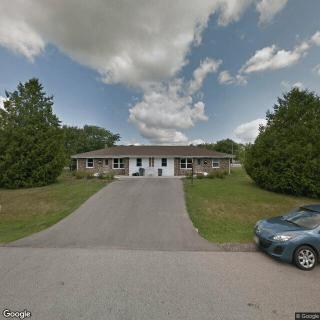
Dolphin House B
$5,500 / month11.7 miles away -
from -$387 / mo
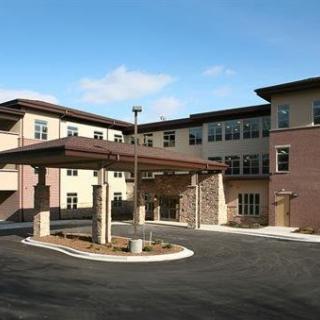
Oak Park Place Of Wauwatosa
$4,813 to $5,649 / month11.7 miles away -
from +$685 / mo

The Auberge at Oak Village
$5,885 to $6,995 / month17.6 miles away -
About the same
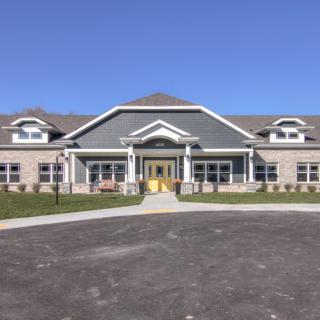
Azura Assisted Living and Memory Care of Brookfield
$5,290 to $7,470 / month13.7 miles away -
from +$220 / mo
Azura Memory Care of Kenosha
$5,420 to $6,880 / month24.8 miles away
Overall Review of Caring Alternatives of Muskego
Pros
 The admission process went smoothly with clear communication and attentive care.
- The caregivers are incredible and know how to handle things when residents get a little sassy.
- The staff consistently take time to talk to families.
- Brenda and her staff provided excellent care for Mom during her time at CAM.
- The ulcers healed in the first two months due to the excellent care.
- The staff were compassionate and caring during the last week of Mom’s life.
- Brenda, Tiffany, and the nurses and LPNs were kind enough to check on Mom after hours and on their days off.
- The low staff turnover allowed nurses and LPNs to get to know Mom and be dedicated to her care.
- The staff genuinely care for residents and are responsive to family requests and inquiries.
- The facility is considered the best CBRF in Muskego.
Cons
 The staff were unapproachable and hardly cared about serving residents.
 - They lied about others and did not follow care plans, especially proper transfers, blaming others to avoid extra work.
- They advised people not to send their loved ones there.
- The director was described as messy and ineffective, with a theft (charger) occurring and no action taken.
- Tour staff were rude and disrespectful, especially regarding masking before entering.
- The move-in day caused extreme nervousness and anxiety about how the sister would adjust due to dementia.
Review
Caring Alternatives of Muskego is best suited for families who need hands-on, dementia-capable care in a smaller, more intimate setting where staff responsiveness and relationship-driven care carry real weight. The community tends to shine when residents require close daily supervision and caregivers who become familiar with routines, triggers, and preferences. Several families describe admissions that go smoothly, with a clear point person guiding paperwork and a front-line team that communicates frequently and cares deeply about the resident’s comfort. For loved ones with memory impairment who respond to consistent, personable staff and a direct line to caregivers, this setting can deliver a level of reassurance that larger, more transactional campuses often struggle to provide.
That said, there are explicit reasons to consider alternatives. A subset of reviews paints a very different picture: staff perceived as unapproachable or dismissive, and some accounts claim care plans and transfers were not followed consistently. Tour experiences, in particular, have at times left prospective residents feeling undervalued or excluded, raising questions about how new families are welcomed and how policies are enforced. Leadership dynamics also surface in several comments, including concerns about how issues are managed and how problems, such as routine tasks and belongings, are resolved. These mixed experiences mean that some families will prioritize uniform procedure and predictable oversight elsewhere.
The strongest positives, clear admission support, ongoing family communication, and caregivers who stay long enough to know residents well, often offset many operational gaps in daily living. Families report responsive nursing and direct-care staff who remain engaged, not just during business hours but when questions arise at night. The care team’s ability to handle challenging resident behaviors with patience, and their willingness to adjust plans in real time, can substantially reduce stress for families navigating dementia care. In practice, this translates into more frequent opportunities to catch evolving health needs early, and to receive timely updates that can guide decisions about treatment, activities, and daily routines.
Yet the downsides cannot be dismissed. When care plans diverge from what a resident needs, safety and comfort can suffer, especially in transfers or during shifts with high workload. A perception of staff turnover being higher in certain roles or periods can undermine trust, even if other caregivers stay consistently. Leadership concerns, including criticisms about accountability and responsiveness to resident or family concerns, remain a critical lens through which to assess value. Families must weigh the likelihood of encountering these tensions against the community’s demonstrated strengths in communication and personal connection.
For families evaluating this option, practical next steps sharpen the picture. Request to meet direct caregivers who know the resident’s routine, and ask to review a sample care plan, including transfer procedures and emergency protocols. Inquire about after-hours accessibility and the process for family updates on sleep, meals, and mobility changes. Probe leadership responsiveness, whether a fixed point of contact exists, and how issues are escalated and resolved. It helps to visit with a plan for observing a shift change, to gauge how handoffs occur and whether continuity of care remains strong even on busy days.
Overall, Caring Alternatives of Muskego offers a compelling fit for those prioritizing a warm, relational approach to dementia care within a smaller community framework. The experiences that emphasize excellent caregiver engagement, proactive communication, and meaningful daily support can outweigh the concerns raised by critics, but only if the family is comfortable with potential variances in policy enforcement and leadership consistency. For families that need a tightly standardized operation with unwavering directive control, or those who require flawless, uniformly executed care plans across all shifts, alternatives should be considered. The decision should hinge on in-person encounters with the care team and a clear, documented care plan that aligns with the resident’s long-term goals.
 Assisted Living
 Memory Care
 Activities on-site
 Devotional services off-site
 Indoor common areas
 General Mitchell International (13 miles away)
 Diabetic care
 Incontinence care
 Meals provided





 Why Do Dementia Patients Sleep So Much? Understanding Oversleeping, Stages, and Care Approaches
 8 Key Indicators That Suggest It May Be Time to Transition from Assisted Living to Skilled Nursing Care
 Nourishing the Mind: Essential Dietary Approaches for Dementia