
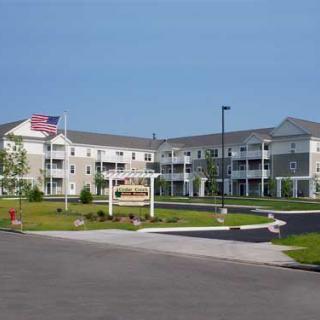
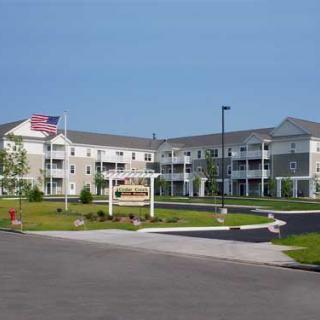
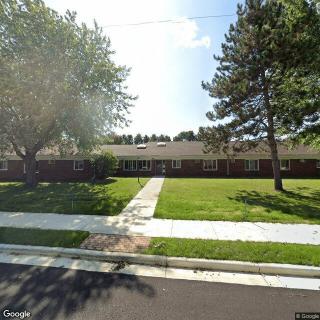
2482 Terrebonne Drive, Mosinee, WI 54455
For more information about senior living options: (866) 208-4318
Overall Review of Cedar Creek Manor II
Pros
 The staff took very good care of residents and were very compassionate.
- Cedar Creek Manor II has been great and meets the needs of residents and their families.
- There is one staff person for every four residents, and they are wonderful.
- The food is great, and residents enjoy a variety of activities such as exercise classes, bingo, board games, and entertainment.
- The staff are very nice to residents' families, and the facility is kept tidy in common areas, bedrooms, and bathrooms.
Cons
 It is described as the worst place ever.
- The theft by employees from residents is unacceptable.
Review
Cedar Creek Manor II in Mosinee is best suited for seniors who require substantial daily assistance within a tightly run, caregiver-forward environment. This community shines for residents who need more hands-on help than typical assisted living provides and who benefit from a structured day filled with scheduled activities, social engagement, and ongoing support from staff. It is particularly aligning for families seeking a care setting that delivers clear, practical help with dressing, mobility, meals, and getting to activities, all within a faith-tinged, community-centered atmosphere. In short, this is a strong match for heavy-care needs where a bustling, service-rich setting is a priority over independence or minimal supervision.
Those weighing Cedar Creek Manor II should also consider alternatives if safety assurances beyond everyday care are a higher priority. The most meaningful caveat from the resident feedback is a tension between compassionate caregiving and concerns about misconduct by staff. For families who cannot tolerate even the appearance of security lapses or who want a setting with perhaps stricter oversight and verifiable, transparent controls over staff behavior, exploring other options with a tighter governance framework would be prudent. Similarly, those seeking a quieter, more independent lifestyle, or a lower-cost option with fewer staff-assisted routines, may find a different community better aligned with their goals.
On the upside, the most compelling pro is the heavy caregiver presence. Reported ratios suggest a genuine staff emphasis, often described as one attendant for every four residents, enabling more frequent assistance with mornings, dining, and participation in the day’s programming. The facility also earns points for a comprehensive activity slate that includes exercise classes, games, seasonal events, live entertainment, and an array of religious observances, including Catholic mass and rosary sessions. Beyond programming, families repeatedly note the cleanliness and tidiness of common areas, resident rooms, and bathrooms, plus a staff culture that is attentive to family needs and responsive to requests. These strengths collectively translate into a lifestyle where basic daily tasks are reliably supported, and social connection is consistently cultivated.
Yet the drawbacks cannot be dismissed. The most daunting concern raised by multiple reviewers concerns employee theft and the implication such incidents have for resident safety and trust. That thread appears alongside mixed overall sentiment, with a couple of strongly negative comments and several highly favorable experiences. Rating volatility, 3.7 on a 9-review sample, reflects an environment where the quality of individual experiences can vary significantly, likely tied to staffing stability and supervision. In practical terms, this means families must weigh the value of robust care and a vibrant activity calendar against the risk, however acknowledged or managed, of misconduct in the staffing ranks.
In balancing the pros and cons, Cedar Creek Manor II’s heavy-care orientation and vivacious programming often offset most day-to-day needs, but the theft risk undermines the peace of mind essential to choosing a long-term residence. The decisive factor is how much weight is given to the assured, hands-on support and social structure versus the desire for an environment with demonstrably strong safeguards against misconduct. When visiting, potential residents should probe not only meal quality and activity leadership but also ask about staff background checks, supervision practices, incident reporting, and how leadership responds to any misconduct. Observe how caregivers interact with residents and families, and request concrete examples of precautions that protect residents’ property and dignity.
For families narrowing down options, Cedar Creek Manor II is worth strong consideration if heavy daily support, a warm, activity-rich atmosphere, and faith-based programming are the top priorities, and if assurances about staff integrity can be clearly demonstrated. It is less suitable for those who cannot tolerate even the hint of staff-related security concerns or who require a less structured, more independent lifestyle. A visit should crystallize the fit: assess the consistency of care during morning routines, test the responsiveness to family inquiries, sample a meal, and measure how well the environment supports both physical needs and social well-being. In practical terms, the right choice hinges on aligning the need for intensive, compassionate care with rigorous, trustworthy staff governance.
 16 resident community capacity
 1-bedroom apartments
 Assisted Living
 Board and Care Home
 Memory Care
 Cable or satellite TV
 Dining room
 Fully furnished
 Garden
 Housekeeping services
 Move-in coordination
 Outdoor space
 Telephone
 Wi-Fi/high-speed internet available
 Central Wisconsin (6 miles away)
 24-hour supervision
 Activities of daily living assistance
 Assistance with bathing
 Assistance with dressing
 Assistance with transfers
 Diabetes diet
 Hospice waiver
 Meal preparation and service
 Medication management
 Mental wellness program
 Special dietary restrictions
 Transportation arrangement (medical)
 Transportation to doctors appointments

 Dementia-Related Hallucinations: Causes, Experiences, and Practical Approaches
 Illuminating Insights About Alzheimer's Disease: Ten Crucial Realities
 A Thorough Discussion of Medications Potentially Linked to Dementia Risk