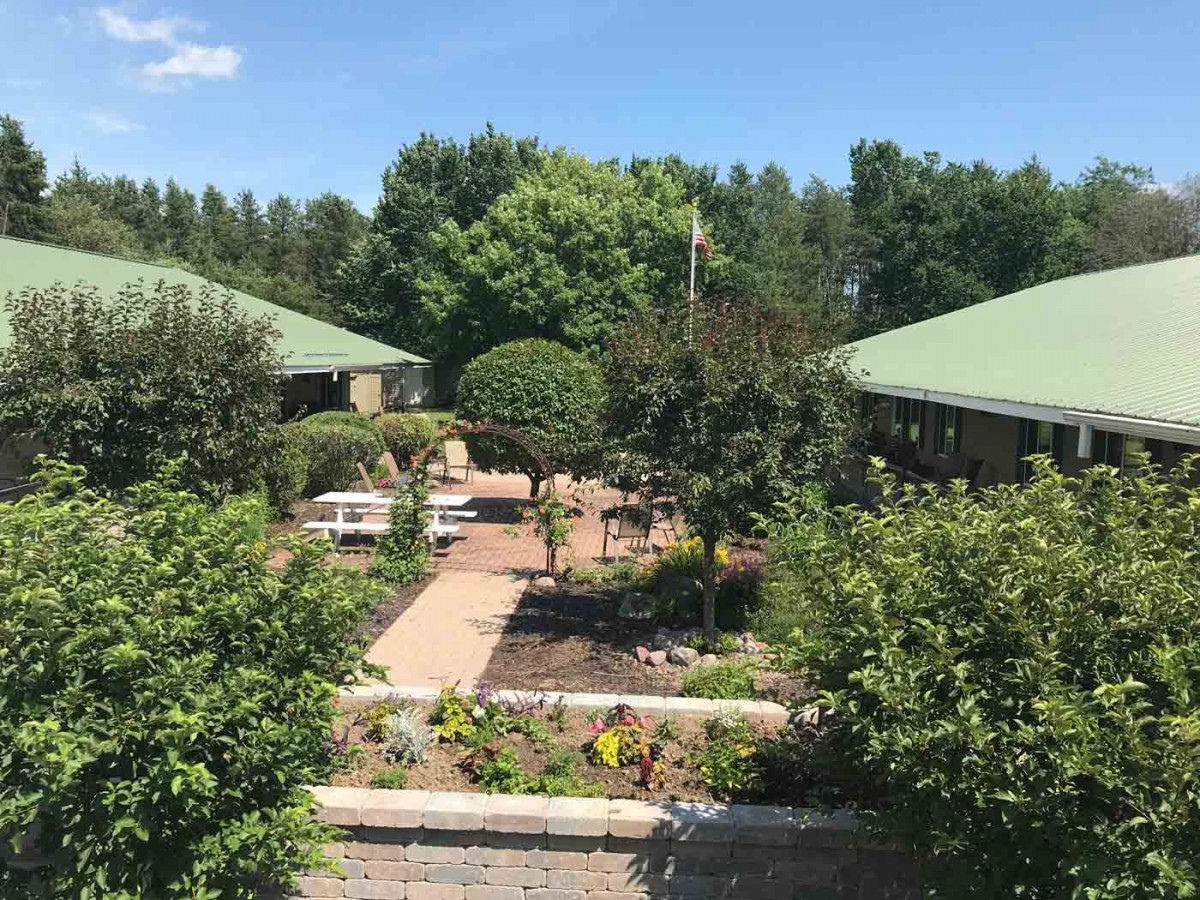
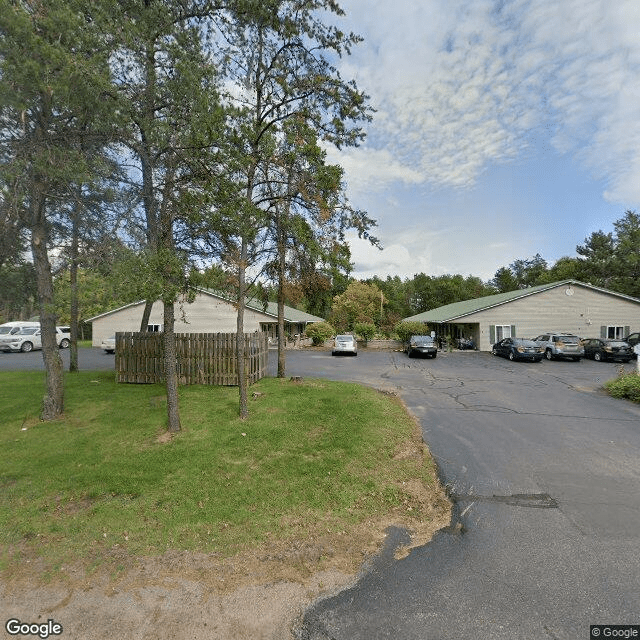
2480 Terrebonne Dr, Mosinee, WI 54455
To contact a resident: (715) 571-5233
For more information about senior living options: (866) 208-4318
Cedar Creek Manor Costs & Pricing
Cedar Creek Manor offers competitive pricing for its residents, especially when compared to both Portage County and the broader Wisconsin market. For a semi-private room, Cedar Creek Manor charges $3,850 per month, slightly above the county's average of $3,810 but below the state average of $3,977. Meanwhile, for studio accommodations, Cedar Creek Manor's monthly rate stands at $4,306, which is notably higher than both Portage County's average of $3,920 and Wisconsin's overall average of $3,999. This pricing dynamic suggests that while Cedar Creek Manor may position itself as a premium option in certain categories, it also reflects the quality and services offered within its community.
| Floor plans | Cedar Creek Manor | Portage County | Wisconsin |
|---|---|---|---|
| Semi-Private | $3,850 | $3,810 | $3,977 |
| Studio | $4,306 | $3,920 | $3,999 |
Assisted Living communities with a similar price nearby
-
About the same
Mountain Terrace Senior Living
$3,800 to $4,250 / month7.4 miles away -
from +$350 / mo
Care Partners Assisted Living-Stevens Point
$4,200 / month24.8 miles away -
from +$700 / mo

Sylvan Crossings On Evergreen
$4,550 / month10.1 miles away -
from -$340 / mo
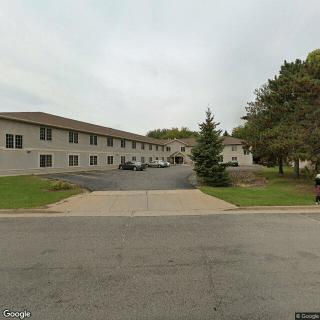
Mountain Terrace Senior Living RCAC
$3,510 to $4,250 / month7.4 miles away -
from +$400 / mo
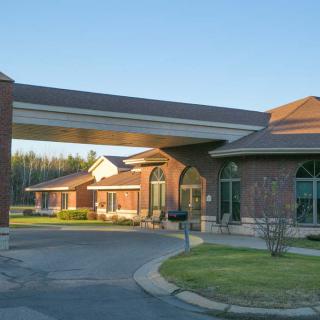
Willow Brooke Point Senior Living CBRF
$4,250 / month21.3 miles away
Overall Review of Cedar Creek Manor
Pros
 The staff provide very good care to residents and are compassionate.
- The staff are very nice to residents’ families.
- They’ll fetch anything needed, such as coffee or an extra chair.
- The facility is consistently tidy in common areas, resident bedrooms, and bathrooms.
Cons
 It is the worst place ever.
- The theft by employees from residents is unacceptable.
Review
Cedar Creek Manor in Mosinee is best suited for families seeking a clean, home-like setting where staff are accessible, courteous, and focused on making visitors feel welcome. The community tends to appeal to residents who value tidy common areas and private spaces, and who prize a warm, personable atmosphere over a purely clinical model. It works well for seniors who need assistance with daily living and do not require intensive medical care, provided there is strong family involvement in care planning and ongoing oversight. Those weighing options should be aware that, while the environment and interpersonal warmth are strengths, governance and accountability concerns can affect overall peace of mind.
On the positive side, the staff at Cedar Creek Manor are consistently gracious toward residents and their visiting families. They respond to requests, whether it’s coffee, an extra chair, or a preferred routine, with a service-oriented mindset. The day-to-day environment reinforces dignity through cleanliness: common areas, resident bedrooms, and bathrooms are kept orderly and well maintained. Families often report feeling welcome and supported, with a sense that staff will accommodate practical needs and keep lines of communication open. For relatives who want regular, candid updates about care, the cultural tone favors approachability and responsiveness, at least in routine, everyday interactions.
Yet the most troubling thread in the feedback is a pattern of reported theft by employees, described as unacceptable and intolerable by multiple families. That risk touches the core of safety and trust and can overshadow even the most positive impressions of care and cleanliness. When valuables or medications feel insecure, the resident experience is compromised, and the confidence required to continue relying on staff for daily support diminishes. This is not a minor caveat; it is a substantive governance concern that must be addressed with clear, credible safeguards if the community is to be a viable long-term choice for discerning families.
Those weighing Cedar Creek Manor must assess how strongly the positives can compensate for the security risk. The warmth of staff and the orderly, welcoming environment do address essential needs, companionship, routine, and dignity, while making visits predictable and comfortable. However, without robust, transparent risk controls the theft issue can erode trust and create ongoing anxiety for families. Prospective residents would do well to demand concrete risk-management measures and verifiable policies on incident reporting and corrective action, alongside a governance plan that demonstrates accountability at the leadership level.
Practical due diligence is essential. Before committing, inquire about staff screening procedures, ongoing supervision, and how frequently theft incidents are reviewed by leadership. Seek details on secure storage for valuables and medications, the presence of cameras or controlled access, and who has access to residents’ personal belongings. Request staffing ratios by shift and concrete examples of how complaints are resolved. Talk with current families about their experience with safety and transparency, and arrange unannounced visits to observe real-time interactions and response times. If the answers feel guarded or inconsistent, or if remedies feel sluggish, that preference should push the decision toward alternatives.
Cedar Creek Manor offers a comfortable, inviting setting and responsive, person-focused service, but the theft risk is a decisive factor. It is best for families willing to maintain vigilant oversight and insist on rigorous safeguards, with leadership clearly accountable for preventing and addressing missteps. For those requiring stronger security, tighter governance, or more robust clinical oversight, exploring other options will likely yield greater peace of mind and fewer practical uncertainties over time. In the end, the right choice hinges on balancing everyday comfort and human connection with a rock-solid expectation of security and transparent governance.
 Assisted Living
 Cats allowed
 Dogs allowed
 Activities on-site
 Beautician on-site
 Devotional services off-site
 Indoor common areas
 Respite or short term stays offered
 Wheelchair accessible showers
 Central Wisconsin (6 miles away)
 Diabetic care
 High acuity care
 Incontinence care
 Medication management
 Meals provided
 How and When Medicaid May Cover Assisted Living Costs
 A Detailed Exploration of Assisted Living Medicaid Waivers Across the United States
 Comprehensive Residential Support and Assisted Living Solutions for Individuals with Disabilities