
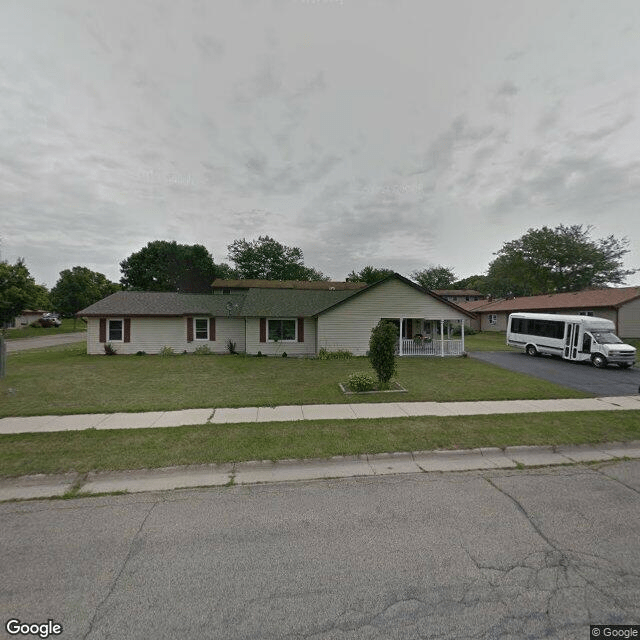
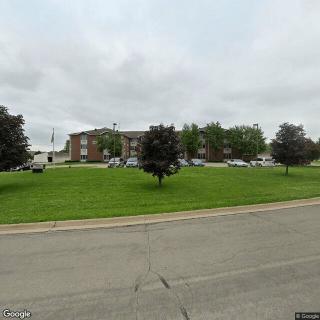
316 3rd Ave, Monroe, WI 53566
To contact a resident: (608) 325-1666
For more information about senior living options: (866) 208-4318
Overall Review of Harmony Manor
Pros
 The aides are very personable and care about the residents.
- The facility is Christian and located across the street from a church.
- They take residents to church every Wednesday and Sunday.
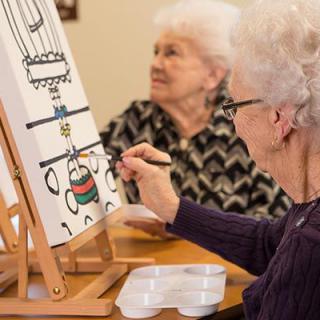
- They offer activities such as knitting and other crafts that residents enjoy.
- They go on walks and ensure residents are bundled up when going outside.
- She is doing wonderful there and absolutely loves it.
Cons
 Rachel's Choice is not what it claims to be.
- The facility claimed to know how to care for dementia patients, but that claim is false.
- None of the aides have any formal schooling or training in dementia care.
- The aides are personable, but they lack dementia-specific training.
- The reviewer would never recommend this place for a loved one.
Review
Harmony Manor in Monroe is best suited for families seeking a small, budget-friendly, faith-oriented setting for an elderly woman who primarily needs companionship and light daily support. The community’s intimate size, housing five women, creates a tightly managed environment where staff can offer individualized attention relative to larger facilities. For households prioritizing affordability and a simple, predictable routine, Harmony Manor presents a practical option that keeps basic needs in view while maintaining a familiar, church-centered rhythm.
Those evaluating options should explicitly consider alternatives if dementia care is a core requirement. The evidence from the reviews points to a mismatch between what is claimed about dementia expertise and what is actually delivered. Families with loved ones who have dementia or significant memory-care needs will want to explore communities with formal dementia training, higher staffing ratios, and clearly defined memory-care programming. For anyone who anticipates ongoing medical oversight or more robust behavioral support, other facilities will likely be a safer fit.
The strongest pro here is the small, cohesive living arrangement paired with cost efficiency. Families repeatedly note the affordability relative to larger, more expensive competitors, with enough money left over monthly to meet other needs. The Christian orientation matters to many residents and their families: regular church access, across-the-street proximity to a church, and faith-based social activities (knitting, crafts) provide meaningful structure and regular social contact. The location next to a church and the arrangement to visit a larger neighboring community for additional activities can add variety without abandoning the comfort of a familiar, smaller setting.
Yet the main cons are significant and cannot be dismissed. The most troubling issue is the apparent lack of dementia-specific training among aides, despite assurances about care capabilities. Personal warmth from staff is evident, but the absence of formal schooling in dementia care undermines confidence for families whose loved ones require specialized support. The repeated criticisms from family members, stated both directly and through two identical reviews, underline a risk that cannot be glossed over: misalignment between expectations of dementia care and the reality on the ground. This issue poses real safety and quality-of-life concerns for residents with memory impairment.
In practical terms, the pros partially offset the cons for a particular profile. For someone with mild memory challenges or those who need companionship more than intensive clinical care, Harmony Manor offers a warm, affordable home with predictable routines and social engagement. The small setting can foster closer observation and faster response to daily needs, and the faith-based activities help reduce isolation. However, the lack of dementia expertise means this is not the right pick for a resident who requires structured memory support, clear care plans for fluctuating cognition, or skilled interventions for dementia-related behaviors. The built-in option to access a larger community across the street for extra activities helps, but it does not replace the need for trained staff on-site.
Final guidance for families: Harmony Manor can be a sensible match for an active, relatively independent senior woman who values affordability, routine, and a faith-infused environment. It is not the right choice for someone requiring formal dementia care, complex medical oversight, or aggressive memory-support services. Before committing, request specifics on staff training, confirm dementia-care capabilities through a direct conversation with leadership, and arrange a visit during a typical shift to observe how staff handle everyday scenarios with residents who have memory challenges. Ask for a detailed monthly fee breakdown, what services are included, and whether any memory-care add-ons exist. With clear expectations, Harmony Manor can deliver a respectful, low-cost home for the right resident; with unresolved dementia-care gaps, exploration of alternatives is the prudent path.
 Assisted Living
 Activities on-site
 Devotional services off-site
 Indoor common areas
 Ambulatory care
 Diabetic care
 Meals provided
 When to Transition from Assisted Living to Memory Care: Key Indicators, Steps, and Finding the Right Community
 Assisted Living and Memory Care: Understanding Their Core Differences
 Beyond the Bingo Hall: 50+ Enriching Activities for Seniors in Assisted Living