Community Living Home Options in Monroe, WI

Information last verified:

215 3 Road Street, Monroe, WI 53566

For more information about senior living options: (844) 490-3973

4.3 from 28 reviews
5 stars
17
4 stars
5
3 stars
4
2 stars
1
1 stars
1

Overall Review of Community Living Home Options

Pros

  • pro Options in Community Living, Inc. is truly exceptional, featuring a team of dedicated employees who prioritize the well-being of those they serve.
  • pro The staff genuinely cares for the people they support and helps adults with intellectual disabilities live in their own homes.
  • pro It is a nice place to work and a nice place to have support for family members.
  • pro The apartments are offered at a good rate.
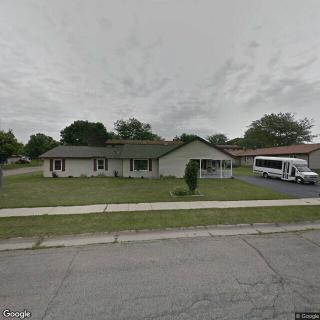
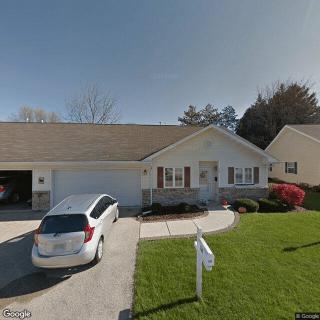
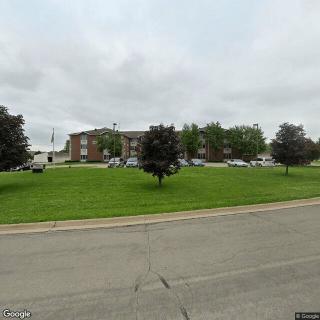
  • pro The facility is very clean and comfortable; it was transformed from an old nursing home into secure, affordable apartments for individuals with low income.
  • pro It is a good place overall.

Review

Community Living Home Options in Monroe is best suited for adults with intellectual or developmental disabilities who want to live in their own apartment-style setting with steady, person-centered support. The program emphasizes dignity, routine, and safety, with staff who actively focus on well-being and daily functioning. The apartments occupy a converted facility that formerly served as a nursing home, now repurposed to house residents with low income in clean, secured spaces. For families prioritizing practical care over luxury amenities, this option provides a dependable path to affordable, supervised living.

That said, this is not the right fit for every family. Those requiring intensive medical supervision, memory-care programming, or high-end finishes should look at traditional assisted living or specialized facilities. Residents who need frequent skilled nursing, complex therapies, or a broader roster of social activities may find the program’s scope too limited. Similarly, anyone seeking a modern, newly built environment with upscale amenities may feel the setting is dated relative to premium markets.

The strongest asset here is the staff. Reviews repeatedly highlight a team that genuinely prioritizes residents’ welfare and treats individuals with intellectual disabilities with respect and attentiveness. That culture translates into reliable daily support, predictable routines, and a palpable sense of safety for residents and their families. The apartments themselves are described as clean, comfortable, and well secured, and the building’s conversion from a nursing home is framed as a cost-effective strategy that helps keep rents aligned with low-income budgets. In practical terms, care consistency, 안전, and affordability form a compelling value proposition.

Where potential drawbacks show up, the trade-off is visible. The facility’s age and design, while well maintained, may limit modernization and the breadth of amenities. Prospects seeking a broad social calendar, spa-like services, or cutting-edge accommodations could be disappointed. Details about staffing levels and program breadth aren’t spelled out in every review, so families should verify access to daytime activities, transportation, and personal-care support as needs evolve. Still, the combination of a caring culture, secure environment, and affordable housing often offsets these gaps for residents who value stability, autonomy, and a straightforward care plan over upscale features.

For decision-making, a deliberate site visit is essential. Prospective families should tour apartments with an eye for layout, safety features, and privacy controls, while asking direct questions about on-site medical oversight, medication assistance, and emergency response. Clarify staffing patterns, shift coverage, and how care adapts to changing needs. Obtain a transparent rent breakdown, including utilities and any subsidies, and confirm what services are included versus add-ons. Inquire about transportation, meal arrangements, and opportunities for social engagement or community outings. Gathering references from current residents or families and observing staff-resident interactions provides practical insight into whether the tone and care level meet expectations.

When the priority is reliable, compassionate support for adults with intellectual disabilities in a secure, affordable setting, Community Living Home Options stands out in Monroe. It is especially well-suited for families who value steadiness, a respectful living environment, and cost-conscious housing over upscale facilities. Alternatives should be considered for those requiring robust medical care, specialized memory programming, or modern amenities beyond what a converted facility can reasonably offer. With careful questions and thoughtful visits, families can determine whether this community will deliver the daily quality of life that aligns with the resident’s needs and the family’s expectations.

Features

Housing

  • 12 resident community capacity 12 resident community capacity

Types of Care

  • Assisted Living Assisted LivingAssisted living facilities provide crucial support and care for seniors who may need help with daily tasks such as medication management, bathing, and meal preparation. These communities offer a safe and comfortable environment where seniors can maintain their independence while receiving the assistance they need to thrive in their golden years.
  • Board and Care Home Board and Care HomeBoard and care homes provide a smaller, more intimate setting for seniors who require assistance with daily tasks but do not need the level of care offered by a nursing home. They offer personalized care, meals, and social activities in a homelike environment, ensuring that seniors receive individualized attention and support in their golden years.
  • Memory Care Memory CareMemory care is crucial for seniors as it provides specialized support and services for individuals with dementia or Alzheimer's disease. These programs offer a safe and secure environment where residents receive personalized care, cognitive stimulation, and help with daily activities. Memory care helps seniors maintain their independence, quality of life, and dignity while also providing peace of mind for their families.

Amenities

  • Cable or satellite TV Cable or satellite TVCable or satellite TV is important for seniors because it provides entertainment, news, and companionship, helping to combat loneliness and boredom. It also offers a wide range of programming options tailored to different interests and preferences.
  • Dining room Dining roomDining rooms are important for seniors as they provide a space for socialization, connection, and nutritious meals. They offer opportunities for residents to bond over shared meals, foster a sense of community, and promote healthy eating habits. Dining rooms also ensure that seniors have access to well-balanced meals tailored to their dietary needs and preferences.
  • Fully furnished Fully furnishedFully furnished senior living communities are important for seniors because they provide convenience, comfort, and a hassle-free moving experience. Seniors can easily settle into their new living space without the stress of having to buy and move furniture. This allows them to focus on enjoying their new home and community.
  • Garden GardenGardens are important for seniors as they provide a peaceful and therapeutic environment for relaxation, physical activity, and socialization. Being in nature has been shown to reduce stress, improve mood, and promote overall well-being. Gardens also offer opportunities for seniors to engage in gardening activities, which can improve mobility, flexibility, and cognitive function. Additionally, gardens create a sense of community and connection with others who share a passion for plants and outdoor spaces.
  • Housekeeping services Housekeeping servicesHousekeeping services are important for seniors because they help maintain a clean and safe living environment, promote independence, and reduce the risk of accidents or illnesses. Additionally, having assistance with household chores can alleviate physical strain and allow seniors to focus on other aspects of their well-being.
  • Move-in coordination Move-in coordinationMove-in coordination is important for seniors because it helps ease the transition into their new living environment. It ensures that all logistics, such as packing, organizing movers, and setting up utilities are taken care of, allowing seniors to focus on settling in and adjusting to their new home. Having a smooth move-in process can alleviate stress and anxiety, making the transition smoother and more enjoyable for seniors.
  • Outdoor space Outdoor spaceOutdoor spaces are important for seniors as they provide opportunities for physical activity, social interaction, exposure to natural light and fresh air, and a sense of connection to nature. Having access to outdoor spaces can improve overall well-being and quality of life for older adults living in senior communities.
  • Telephone TelephoneTelephones are important for seniors as they provide a lifeline for communication with loved ones, emergency services, and healthcare providers. They offer a sense of security and independence, enabling seniors to stay connected and access assistance when needed.
  • Wi-Fi/high-speed internet available Wi-Fi/high-speed internet availableWi-Fi/high-speed internet is important for seniors to stay connected with loved ones, access online resources, and participate in virtual activities to combat feelings of loneliness and isolation. It also allows them to easily manage healthcare needs, access entertainment, and engage in lifelong learning opportunities.

Care Services

  • 24-hour supervision 24-hour supervision24-hour supervision is important for seniors to ensure their safety, well-being, and access to immediate assistance in case of emergencies or health issues. This constant support provides peace of mind for both seniors and their loved ones, allowing them to age in place with dignity and security.
  • Activities of daily living assistance Activities of daily living assistanceActivities of daily living assistance are important for seniors because they provide essential support with tasks such as eating, bathing, dressing, and mobility. This assistance helps seniors maintain their independence, dignity, and overall quality of life as they age.
  • Assistance with bathing Assistance with bathingAssistance with bathing is crucial for seniors as it helps maintain personal hygiene, prevents infections, and ensures their overall well-being and comfort. It also provides a sense of dignity and independence for seniors who may struggle with this task on their own.
  • Assistance with dressing Assistance with dressingAssistance with dressing is important for seniors because it helps maintain their independence, promotes personal hygiene, prevents accidents and injuries, and improves overall quality of life. This service ensures that seniors can continue to dress comfortably and confidently, despite any physical limitations they may have.
  • Assistance with transfers Assistance with transfersAssistance with transfers is crucial for seniors as it helps prevent falls and injuries, maintains their independence, and ensures they can safely navigate their living environment. It also provides peace of mind for both seniors and their loved ones.
  • Coordination with health care providers Coordination with health care providersCoordination with health care providers is crucial for seniors to ensure proper medical care, medication management, and overall well-being. This collaboration helps prevent overlapping treatments, track progress more effectively, and provide comprehensive support tailored to individual needs.
  • Dementia waiver Dementia waiverDementia waivers are essential for seniors as they provide critical protections and accommodations for those experiencing cognitive decline. These waivers ensure individuals with dementia receive appropriate care, support, and resources to maintain their quality of life and dignity as they navigate the challenges of this progressive condition.
  • Diabetes diet Diabetes dietA diabetes diet is crucial for seniors as it helps manage blood sugar levels, reduce risks of complications, and improve overall health and well-being. By following a balanced and nutritious diet tailored to their specific needs, seniors can better control their diabetes and enhance their quality of life.
  • Hospice waiver Hospice waiverHospice waivers are important for seniors because they allow individuals to receive specialized end-of-life care and support at home or in a hospice facility. This waiver ensures that seniors can access the necessary resources and services to maintain comfort and dignity during their final days.
  • Meal preparation and service Meal preparation and serviceMeal preparation and service are crucial for seniors as they may have limited mobility or energy to cook nutritious meals. Having access to healthy and convenient food options can ensure they are getting the proper nutrition needed to maintain their overall health and well-being.
  • Medication management Medication managementMedication management is crucial for seniors to ensure they are taking the right medications at the correct dosages and times. This helps prevent adverse drug interactions, reduces the risk of medication errors, and promotes overall health and well-being. Proactive management also allows for adjustments as needed based on changing health conditions or new prescriptions.
  • Mental wellness program Mental wellness programMental wellness programs are essential for seniors as they promote cognitive stimulation, emotional support, and social engagement. These programs help prevent isolation, depression, and cognitive decline, ultimately enhancing the overall quality of life for older adults.
  • Mild cognitive impairment Mild cognitive impairment"Mild cognitive impairment" is important for seniors because it is an early stage of cognitive decline that can potentially progress to more severe conditions such as dementia. Recognizing and addressing mild cognitive impairment can help seniors receive appropriate care and support to maintain their quality of life and independence for as long as possible.
  • Special dietary restrictions Special dietary restrictionsSpecial dietary restrictions are important for seniors because age-related changes in metabolism and health conditions can make it difficult for their bodies to process certain foods. By following a diet tailored to their specific needs, seniors can maintain their overall health and well-being, manage chronic conditions, and reduce the risk of complications such as malnutrition or food interactions with medications.
  • Specialized memory care programming Specialized memory care programmingSpecialized memory care programming is crucial for seniors with cognitive impairments such as dementia or Alzheimer's disease. These programs provide a safe and supportive environment tailored to the unique needs of individuals with memory loss, helping them maintain their independence, dignity, and quality of life.
  • Transportation arrangement (medical) Transportation arrangement (medical)Transportation arrangements for medical purposes are essential for seniors as they may have difficulty driving themselves to appointments or accessing public transportation. Having reliable and safe transportation options ensures that seniors can receive timely medical care and maintain their health and well-being.
  • Transportation to doctors appointments Transportation to doctors appointmentsTransportation to doctors' appointments is crucial for seniors as it ensures they have access to necessary medical care and support for their health needs. Without reliable transportation, seniors may struggle to attend important appointments, leading to potential delays in treatment and health complications. Providing transportation services helps seniors maintain their overall well-being and quality of life.

Dining

  • Diabetes diet Diabetes dietA diabetes diet is crucial for seniors as it helps manage blood sugar levels, reduce risks of complications, and improve overall health and well-being. By following a balanced and nutritious diet tailored to their specific needs, seniors can better control their diabetes and enhance their quality of life.
  • Special dietary restrictions Special dietary restrictionsSpecial dietary restrictions are important for seniors because age-related changes in metabolism and health conditions can make it difficult for their bodies to process certain foods. By following a diet tailored to their specific needs, seniors can maintain their overall health and well-being, manage chronic conditions, and reduce the risk of complications such as malnutrition or food interactions with medications.

Activities

  • Community-sponsored activities Community-sponsored activitiesCommunity-sponsored activities are important for seniors as they provide opportunities for social interaction, mental stimulation, and physical activity. These activities can help improve overall well-being, combat loneliness and isolation, and promote a sense of belonging and purpose among older adults.
  • Scheduled daily activities Scheduled daily activitiesScheduled daily activities are important for seniors because they provide structure, socialization, mental stimulation, and physical activity. Engaging in regular activities can improve overall well-being and quality of life for seniors living in a community setting.

Description

The assisted living community in Monroe, WI offers a variety of care options for individuals in need of support and assistance. With both board and care home options as well as specialized memory care services, residents can find the level of care that suits their needs.

The community provides a range of amenities to ensure comfort and convenience. Residents can enjoy meals in the dining room, which offers options for special dietary restrictions. The living spaces are fully furnished, and housekeeping services are provided to maintain a clean and tidy environment. An outdoor space is available for residents to relax and enjoy nature. Wi-Fi/high-speed internet is also accessible throughout the community.

Care services are tailored to meet individual needs, including assistance with activities of daily living such as bathing, dressing, and transfers. The staff coordinates with health care providers to ensure comprehensive care. Specialized programs for mental wellness and memory care programming are available, catering to those with dementia or mild cognitive impairment. Medication management is provided, along with meal preparation and service.

Transportation arrangements are made for medical purposes as well as visits to doctors' appointments. For those requiring hospice or diabetes diets, waivers are available. The community offers move-in coordination for a seamless transition.

In terms of nearby amenities and services, there is easy access to cafes, parks, pharmacies, physicians' offices, restaurants, transportation options, places of worship, theaters, and hospitals.

Overall, this assisted living community in Monroe provides a supportive environment where residents can receive personalized care while enjoying a comfortable lifestyle surrounded by nearby amenities and services.

Nearby Places of Interest

This part of Monroe, Wisconsin offers a variety of amenities and services that may be appealing to seniors looking for a comfortable community to live in. Close proximity to physicians, hospitals, pharmacies, and restaurants ensures easy access to healthcare and dining options. Additionally, the nearby parks provide opportunities for outdoor recreation and relaxation. Places of worship are also conveniently located for those who value spiritual fulfillment. The cafes offer a cozy environment for socializing with friends or enjoying a cup of coffee. Overall, this area provides a well-rounded environment with essential services and leisure activities for senior living.

Physicians

  • Premier Oral & Maxillofacial Surgery (0.2 miles)
  • Fast Care-Monroe (0.4 miles)
  • Orthopaedic & Sports Medicine Clinic of Monroe (1 miles)
  • Stephen P. Wagner, MD (1.1 miles)
  • Emergency Room at SSM Health Monroe Hospital (1.1 miles)
  • Monroe Clinic Hospital (1.2 miles)
  • Rachel A. Long, MD (1.2 miles)

Restaurants

  • Burger King (0.3 miles)
  • World Buffet (0.4 miles)
  • McDonald's (0.4 miles)
  • Dq Grill & Chill (0.4 miles)
  • Culver's (0.4 miles)
  • Swiss Alps (0.5 miles)
  • Red Apple Inn (0.6 miles)

Pharmacies

  • Home Town Pharmacy (0.4 miles)
  • Walgreens (0.4 miles)
  • Schultz Pharmacy-Monroe (1 miles)
  • Home Town Pharmacy (1 miles)
  • Neverman, Katelyn R (1.2 miles)
  • New Glarus Hometown Pharmacy (13.9 miles)
  • New Glarus Pharmacy (13.9 miles)

Transportation

  • U-Haul (0.6 miles)
  • U-Haul Neighborhood Dealer (0.8 miles)
  • U-Haul Neighborhood Dealer (2.1 miles)
  • Monroe Municipal Airport (EFT) (3.2 miles)
  • U-Haul (11.6 miles)
  • U-Haul Neighborhood Dealer (13.1 miles)

Parks

  • Twining Park (0.6 miles)
  • Honey Creek Park (0.8 miles)
  • Pleasant View Park (0.9 miles)
  • Honey Creek Park (1 miles)
  • Monroe City Parks & Recreation (1.1 miles)
  • Lincoln Park (1.4 miles)
  • Northeast Park (1.5 miles)

Places of Worship

  • Christian Science Reading Room (0.9 miles)
  • Church of Christ (1 miles)
  • Wels (1.2 miles)
  • Roman Catholic Diocese-Madison (1.3 miles)
  • Union Presbyterian Church (1.5 miles)
  • General Conference Of Seventh-Day Adventists (1.9 miles)
  • Jehovah's Witnesses (2.7 miles)

Cafes

  • Corner Cafe (1 miles)
  • M & M Cafe (10 miles)
  • The Morning Mug (10 miles)
  • Central 52 (12.4 miles)

Hospitals

  • The Monroe Clinic (1.1 miles)
  • Mineral Clinic (1.1 miles)
  • Monroe Clinic (1.2 miles)
  • Todd Rosenstiel (13 miles)

Theaters

  • Sky-Vu Drive-In Theatre (2.6 miles)

Frequently Asked Questions

Where is Community Living Home Options?
Does Community Living Home Options provide care for residents with dementia or Alzheimer's disease?

Nearby Communities

  • Harmony Manor

    Harmony Manor

    Monroe, WI

    5 from 5 reviews
     

    pro Convenient access to healthcare, dining, and parks.

  • Harmony Manor

    Harmony Manor

    Monroe, WI

    3 from 4 reviews
     

    pro Diabetes care with accessible amenities and spiritual activities.

  • Rachels Choice

    Rachels Choice

    Monroe, WI


    pro Specialized memory care and 24/7 supervision with coordinated healthcare support in a homelike setting.

  • Aster Assisted Living of Monroe

    Aster Assisted Living of Monroe

    Monroe, WI

    4.5 from 18 reviews
     

    pro Friendly staff and residents; clean, updated apartments; engaging activities; pet-friendly and convenient location.

  • Twining Valley Retirement Community

    Twining Valley Retirement Community

    Monroe, WI

    5 from 4 reviews
    $840 to $940 / month

    pro Safe, well-kept 55+ community with friendly staff and ample activities.

  • Churchill Woods Apartments

    Churchill Woods Apartments

    Monroe, WI

    5 from 3 reviews
     

    pro Peaceful setting with broad nearby amenities (parks, cafes, pharmacies, doctors, restaurants, theaters, hospitals).

  • New Glarus Home

    New Glarus Home

    New Glarus, WI

    4.3 from 52 reviews
     

    pro Warm, friendly staff; healthy meals; opportunities for mobility and social activities.

  • Kelly House

    Kelly House

    Evansville, WI

    4.1 from 10 reviews
    $1,500 to $2,600 / month

    pro Delicious home-style meals with attentive staff and engaging activities.

  • Liberty Village of Freeport

    Liberty Village of Freeport

    Freeport, IL

    2.7 from 11 reviews
     

    pro Clean, well-maintained facility with attentive floor staff and comfortable rooms.

Assisted Living in Nearby Cities

Related Resources

  • power of attorney for elderly parentGuiding Your Journey: Understanding Power of Attorney for Elderly Parents

    The article emphasizes the significance of establishing a power of attorney for elderly parents to enable an agent to make decisions on their behalf regarding health and finances, especially during cognitive or physical decline. It outlines various types of power of attorney, the importance of consulting legal professionals, and the responsibilities and challenges faced by agents, while also discussing alternatives and common misconceptions.

  • caregiver support group22 Remarkable Caregiver Support Groups Available Online and In-Person

    Caregiver support groups are crucial for providing emotional and practical assistance to those caring for loved ones, offering resources, coping strategies, and a sense of community through various organizations and platforms. These groups help alleviate isolation and burnout while addressing the unique challenges faced by caregivers of individuals with specific conditions.

  • does medicaid pay for assisted livingUnderstanding Medicaid Coverage for Assisted Living: A Comprehensive Guide

    The guide outlines the complexities of Medicaid coverage for assisted living, highlighting significant state-to-state variations, limited coverage often restricted to personal care services, and the existence of specialized waivers for certain needs like memory care. It advises families to consult local Medicaid offices for options while emphasizing the importance of understanding state-specific regulations and facility policies.