Trepho Terrace

Save
Trepho Terrace

Trepho Terrace

8300 W Beloit Rd, Milwaukee, WI 53219

For more information about senior living options: (844) 490-3973

4.3 from 44 reviews
5 stars
34
4 stars
2
3 stars
0
2 stars
1
1 stars
7

Assisted Living

Overall Review of Trepho Terrace

Pros

  • pro Shelly is described as fabulous, very kind, and caring, doing a great job.
  • pro Chris consistently greeted families with a smile.
  • pro The nurses were great and went out of their way to make patients and families comfortable.
  • pro Dr. David Munoz was wonderful, and the medical team provided compassionate care.
  • pro The staff were described as earth angels by the families.
  • pro Ruth Hospice Unit delivered exceptional, compassionate care.
  • pro The facility was peaceful, clean, and homelike.
  • pro Liz was praised for going above and beyond, treating patients like family.
  • pro The admission process and overall care were exceptional, with staff being incredibly kind and supportive.

Cons

  • pro The reviewer describes an extremely painful and disturbing experience at VITAS Hospice in Milwaukee, citing neglect, communication breakdowns, and inadequate care.
  • pro They warn that families should be extremely cautious when considering this facility, indicating serious concerns about care quality.
  • pro They state that a loved one's death occurred under deeply troubling circumstances, implying neglect or poor care.
  • pro They report that their father was severely medicated to the point of incoherence and drooling, and that staff dismissed their concerns rather than addressing them.
  • pro They conclude that the setting was not the right place for their loved one, suggesting an unsuitable care environment.
  • pro They emphasize that no one should have to endure what they experienced.

Review

Across the many stories shared about hospice care in the Milwaukee and West Allis area, a clear thread emerges: there are deeply compassionate, family-centered teams doing meaningful, meaningful work every day, even as some experiences raise serious concerns. The accounts span VITAS Hospice units, Ruth Hospice Unit, Ruth House, and Ruth Hospice House in West Allis, offering a mosaic of care that ranges from extraordinary tenderness and support to troubling moments that left families seeking answers and reassurance. Taken together, the narratives reveal both the power of skilled, empathetic clinicians and the real toll of end-of-life care on families who are already navigating humility, fear, and loss.

Many reviews celebrate the warmth and dedication of the VITAS teams. Families repeatedly describe nurses and clinicians as not just professionals but as true sources of comfort during harrowing times. Names that surface again and again include Shelly, Chris, Veronica, Elizabeth, Samantha, Sharon, Liz, and Dr. David Munoz. Patients and families recall being greeted with smiles, feeling treated as if they were part of a caring circle rather than mere observers of a medical process. The care is praised as both competent and compassionate, with nurses who go "above and beyond" to ease pain, explain what's happening, and support family members through difficult decisions. The environment is often described as peaceful and home-like, a place where dignity and respect are prioritized even as illness advances. Dr. Munoz, in particular, is repeatedly singled out for kindness and skill, with chaplains like Russell and other staff described as instrumental in guiding families through grief.

The Ruth Hospice Unit and Ruth House also receive strong endorsements. Several reviewers recount staying with loved ones there for extended periods and feeling relief at the level of care and reassurance offered by the staff. The doctors are portrayed as warm and attentive, and the entire team is praised for not only addressing physical comfort but also providing emotional and practical support to families who are far from home. The sense of being cared for - physically, spiritually, and emotionally - extends beyond the patient to the family, who often describe the staff as backbone figures during an overwhelming chapter. In some accounts, the care is so thorough that families feel they can lean on the team as if they were part of their own extended family.

In particular, individuals lauded for their personal impact include Liz, who is described as respectful, helpful, and deeply caring; Chris, who consistently greeted families with warmth; Sharon, who provided care during the night, and many other nurses such as Veronica, Elizabeth, Sheba, and Joy, who are remembered for their compassion and for ensuring their patients could pass with dignity. There are vivid tributes to the sense that these clinicians were not only doing their job but were offering a kind of spiritual and emotional steadiness - "earth angels," as one family member put it, who helped their loved one feel safe and valued in the final days. The praise often highlights the way staff members connected with families on a human level, explaining treatment options, answering questions patiently, and offering comfort when relief from suffering was needed most.

However, not every account aligns with that overwhelmingly positive tone. A deeply troubling review from June 2025 describes neglect, communication breakdowns, and care that fell short of what a loved one deserved. The family recounts a devastating experience in which their relative passed away under distressing circumstances, citing a lack of responsiveness and concerns about the level and degree of medication. They describe working through an acute sense of fear and grief after noticing that their loved one appeared incoherent due to heavy sedation, and they report that staff dismissed their worries rather than addressing them. This perspective underscores the reality that even in units known for compassionate care, failures in communication and care can have lasting emotional consequences for families who are already navigating unbearable loss.

Other narratives offer a more mixed but still largely positive reflection on particular care settings. A neighbor's experience in West Allis is captured in a glowing note about Shelly's care for the patient and the clean, professional environment - testaments to the idea that certain staff members can make an enormous difference in the trajectory of a family's farewell. A separate tribute praises Ruth Hospice House's admission process and the overall care received by a father, describing the doctors as warm and attentive and the staff as exceptionally kind. The recurring theme across these positive entries is not only medical competence but a consistent emphasis on treating both patient and family with dignity, clarity, and warmth - especially during moments of fear, uncertainty, and grief.

One recurring thread across multiple entries is the sense that the most meaningful care comes from individuals who merge clinical excellence with genuine humanity. Liz is repeatedly highlighted as a standout nurse for her thoughtfulness and tireless care. Dr. Liang, another physician mentioned with heartfelt appreciation, is described as compassionate and dedicated, someone who helped families navigate end-of-life decisions with sensitivity. The role of chaplains and other supportive staff also receives gratitude, underscoring how spiritual and emotional support can be as vital as pain management and medical oversight in the hospice setting. When families felt heard and supported in their loved one's final days, their narratives tended toward gratitude and relief, even as grief remained.

Taken together, these accounts paint a complex, human portrait of hospice care in Milwaukee and West Allis. They reflect a field devoted to alleviating suffering and honoring patient dignity, while also reminding us that the quality of experience can vary by unit, staff, and circumstance. For families facing similar journeys, the stories suggest two guiding truths: there are many clinicians who exemplify extraordinary care - nurturing, communicative, and deeply committed to both patient and family - and there are moments when systems or communications fall short, necessitating vigilance, questions, and advocacy. In the end, the most powerful takeaways are the moments of genuine connection, the steadfast presence of caregivers who become part of a family's memory, and the enduring reminder that compassionate, patient-centered care remains the heart of hospice.

Features

Types of Care

  • Assisted Living Assisted LivingAssisted living facilities provide crucial support and care for seniors who may need help with daily tasks such as medication management, bathing, and meal preparation. These communities offer a safe and comfortable environment where seniors can maintain their independence while receiving the assistance they need to thrive in their golden years.

Amenities

  • Activities on-site Activities on-siteActivities on-site are important for seniors because they provide opportunities for socialization, mental stimulation, physical activity, and overall well-being. Engaging in activities can help seniors stay active, maintain their independence, and improve their quality of life.
  • Devotional services off-site Devotional services off-siteDevotional services off-site are important for seniors as they provide spiritual nourishment, social engagement, and a sense of community outside of the senior living facility. This can enhance overall well-being and help combat feelings of isolation and loneliness often experienced by older adults.
  • Indoor common areas Indoor common areasIndoor common areas are crucial for seniors as they provide a space for socialization, recreation, and community engagement, promoting overall well-being and reducing feelings of isolation and loneliness.

Transportation

  • General Mitchell International (7 miles away) General Mitchell International (7 miles away)

Care Services

  • Ambulatory care Ambulatory care"Ambulatory care services provide essential medical support and treatment to seniors without requiring hospitalization, allowing them to maintain their independence and quality of life while managing chronic conditions or receiving routine medical care."
  • Diabetic care Diabetic careDiabetic care is crucial for seniors as they are more susceptible to developing diabetes due to aging and other health conditions. Proper management of diabetes can help prevent complications such as heart disease, vision loss, and nerve damage, improving the overall quality of life for seniors in senior living communities.

Dining

  • Meals provided Meals provided"Meals provided" are crucial for seniors in assisted living communities as it ensures they have access to nutritious, balanced meals without the stress of meal planning and preparation. This can help promote overall health and well-being for seniors who may have limited mobility or cognitive abilities.

Activities

  • Activities on-site Activities on-siteActivities on-site are important for seniors because they provide opportunities for socialization, mental stimulation, physical activity, and overall well-being. Engaging in activities can help seniors stay active, maintain their independence, and improve their quality of life.
  • Devotional activities offsite Devotional activities offsiteDevotional activities offsite are important for seniors because they provide social engagement, spiritual growth, and a sense of community outside of their living environment. This can improve overall well-being, mental health, and combat feelings of isolation or loneliness.

Description

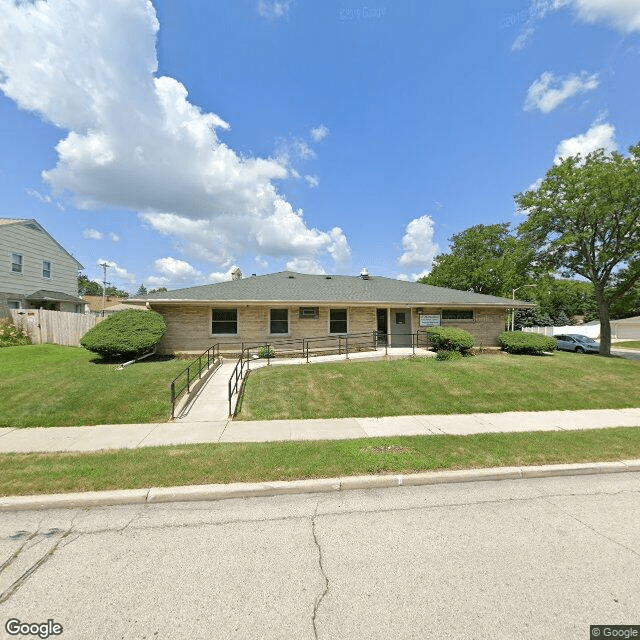
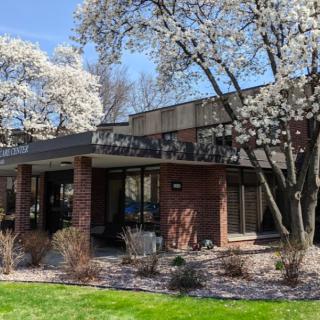
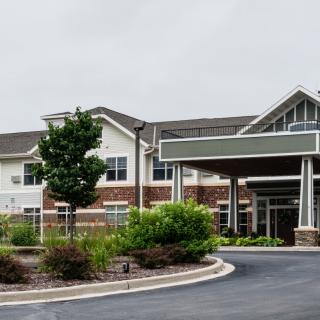
Trepho Terrace is an exceptional assisted living community located in the vibrant city of Milwaukee, WI. Our community offers a range of amenities and care services to ensure a comfortable and fulfilling lifestyle for our residents.

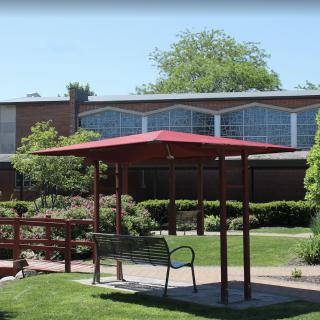
At Trepho Terrace, we understand the importance of spiritual well-being, which is why we provide devotional services off-site to cater to the diverse religious needs of our residents. Additionally, our indoor common areas encourage social interaction and provide a cozy space for residents to relax and unwind.

We prioritize the health and well-being of our residents by offering specialized care services such as diabetic care. Our dedicated staff members are trained to assist with managing diabetes and ensuring that medication regimens are followed consistently.

We believe in fostering an active and engaging environment for our residents, which is why we offer a variety of activities including devotional activities offsite. These activities promote socialization, mental stimulation, and overall well-being.

In addition to our exceptional amenities and care services, Trepho Terrace benefits from its exceptional location. With 5 cafes, 5 parks, 29 pharmacies, 12 physicians, 20 restaurants, 1 place of worship nearby, and 5 hospitals in close proximity, our residents have access to convenient amenities that enhance their daily lives.

At Trepho Terrace in Milwaukee, WI, we are committed to providing personalized care, promoting independence, and ensuring a warm and welcoming environment where our residents can thrive.

Nearby Places of Interest

This area of Milwaukee, Wisconsin offers a convenient and diverse range of amenities for seniors considering living in the area. With multiple physicians' offices and hospitals within a short distance, access to healthcare services is readily available. Additionally, pharmacies such as CVS Pharmacy and Walgreens are nearby for medication needs. The presence of parks like West Allis West Milwaukee Recreation Center and Greenfield Park provides opportunities for outdoor activities and leisurely strolls. There are also various dining options ranging from fast-food chains like McDonald's to local pubs like O'Connor's Perfect Pint and Paulie's Pub & Eatery. For those who enjoy a good cup of coffee, cafes like Starbucks are easily accessible. Places of worship such as Honey Creek Church offer spiritual support, while entertainment options can be found at Ridge Cinema New Berlin for movie buffs. Overall, this area provides a well-rounded community with essential services and recreational facilities for seniors looking to settle down in Milwaukee.

Physicians

  • Maplewood Center (0.3 miles)
  • Oklahoma Pediatrics-Children's Wisconsin (1.4 miles)
  • Lincoln Avenue Clinic (1.9 miles)
  • Froedtert Clinical Cancer Center (3.3 miles)
  • Froedtert Hospital (3.4 miles)
  • Prohealth Care Medical Centers (3.6 miles)
  • Aurora Health Center (3.9 miles)

Pharmacies

  • CVS Pharmacy (0.5 miles)
  • Walgreens (0.6 miles)
  • Walgreens (1.4 miles)
  • CVS Pharmacy (1.5 miles)
  • Walgreens (1.6 miles)
  • Walgreens (1.6 miles)
  • Metro Market (1.8 miles)

Parks

  • West Allis West Milwaukee Recr (1.1 miles)
  • Greenfield Park (2.8 miles)
  • Hoyt Park (4.3 miles)
  • Wil-O-Way Underwood Park (4.4 miles)
  • The Big Backyard (5 miles)
  • Elm Grove Village Park (5.1 miles)
  • Paliafito Park (5.5 miles)

Hospitals

  • Surgicenter - Children's Wisconsin (1.3 miles)
  • Rogers Memorial Hospital (1.9 miles)
  • Aurora St Luke's Medical Center (3.3 miles)
  • Froedtert Pavilion (3.4 miles)
  • Aurora Psychiatric Hospital (3.7 miles)

Restaurants

  • McDonald's (1.6 miles)
  • O'Connor's Perfect Pint (1.6 miles)
  • Paulie's Pub & Eatery (1.6 miles)
  • Taco Bell (1.6 miles)
  • Danny Lynch's (1.7 miles)
  • McDonald's (2.1 miles)
  • Taco Bell (2.2 miles)

Cafes

  • Starbucks (2.1 miles)
  • Starbucks (2.4 miles)
  • Starbucks (3 miles)
  • Starbucks (4 miles)
  • Starbucks (4.1 miles)
  • Panera Bread (5.4 miles)
  • Starbucks (5.5 miles)

Places of Worship

  • Honey Creek Church (3 miles)

Theaters

  • Ridge Cinema New Berlin, Wi (5.5 miles)

Frequently Asked Questions

Where is Trepho Terrace?

Nearby Communities

Related Resources

  • does medicaid pay for assisted livingUnderstanding Medicaid Coverage for Assisted Living: A Comprehensive Guide

    The guide outlines the complexities of Medicaid coverage for assisted living, highlighting significant state-to-state variations, limited coverage often restricted to personal care services, and the existence of specialized waivers for certain needs like memory care. It advises families to consult local Medicaid offices for options while emphasizing the importance of understanding state-specific regulations and facility policies.

  • does medicaid pay for assisted livingHow and When Medicaid May Cover Assisted Living Costs

    Medicaid coverage for assisted living varies by state and is primarily available to low-income individuals, with eligibility dependent on strict income and asset limits. Some states offer HCBS waivers for specific services in assisted living, but families must generally cover room and board costs, and should verify facility acceptance of Medicaid while considering potential waiting lists.

  • assisted living waiver programA Detailed Exploration of Assisted Living Medicaid Waivers Across the United States

    Medicaid waivers for assisted living services provide vital support for seniors and individuals with disabilities in need of long-term care, with varying state-specific eligibility criteria and benefits. These waivers cover personal care and case management but often do not fully cover room and board, leading to waiting lists for many applicants.