Wesley Park

8621 West Beloit Road, Milwaukee, WI 53227

For more information about senior living options: (844) 490-3973

3.4 from 44 reviews
5 stars
22
4 stars
5
3 stars
0
2 stars
2
1 stars
15

Assisted Living

Overall Review of Wesley Park

Pros

  • pro The staff are great and caring.
  • pro The staff are wonderful.
  • pro New residents are welcomed with helpful and friendly staff.
  • pro The community offers many trips and outings.
  • pro The residents are surrounded by lovely people.
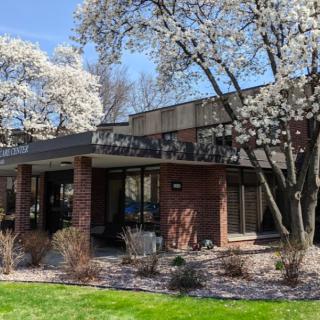
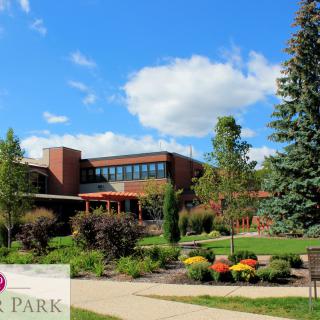
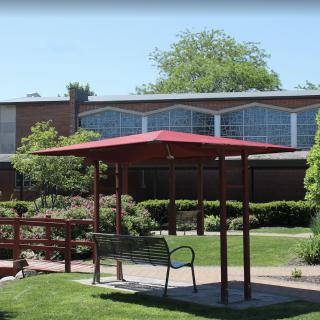
  • pro Residents have private patios and a garden park with a fountain.
  • pro The community takes care of residents' needs.
  • pro The facility welcomes all varieties of people.
  • pro The Bistro serves great lunches.
  • pro Nurses and CNAs take good care of residents.
  • pro The place is a great spot to gather for coffee and treats.
  • pro The facility is clean and well staffed.

Cons

  • pro They describe the facility as horrible, citing cold food and meals not being what was requested.
  • pro They note ongoing staffing issues across shifts as a major factor in poor care.
  • pro They allege abuse and neglect, including long delays for call lights and inadequate medical attention.
  • pro They warn readers not to use the facility due to neglect, abuse, and potential legal action.
  • pro They call rehab a "dump," with meds run out and a hostile or unhelpful med tech.
  • pro They describe memory care as a nightmare, with little help, rarely answered calls, and depressing rooms.

Review

The community comes across in many of these accounts as a vibrant, social place where residents can truly feel at home. Several people describe living there for years with genuine affection: "I have lived here for 8 years and I love it! Great, caring staff. I've made lots of friends. Many activities." Others echo that sentiment with enthusiasm for the breadth of offerings: "It's awesome!! All kinds of activities, social times. Everyone can find what they want or need here. Staff is wonderful!" New residents also report a similarly warm welcome: "I'm a new resident and can't believe how helpful and nice everyone is. Also, they have a ton of activities and many trips available. Very happy with my choice." Taken together, these testimonials sketch a picture of a place that prides itself on engagement, friendliness, and a sense of community.

Several reviews emphasize the amenities that help create a comfortable, self-contained living experience. A resident talks about a private patio, a "secret garden," and a garden park with a fountain tucked into the complex, all within a setting described as a "city within 20 acres that takes care of your needs." The sentiment about not having to shovel snow and the idea of a self-contained environment adds to the appeal for many. People point to the Bistro for meals, with comments like "The Bistro has great lunches. The staff is excellent!" and the broader claim that "VMP has the residents' needs in mind in everything they do. The nurses and CNAs take good care of the residents and I especially love the variety of activities they offer!" There is also praise for social spaces - "Excellent spot to gather for coffee and treats! Meet lots of nice people!" - and for the sense that the facility supports both independent living and more social, communal experiences.

The history and inclusivity described by one reviewer add a deeper dimension to the narrative. A family member recalls that their grandmother had lived in several facilities associated with the old Methodist Manor, and when it was time for a senior community, VMP "met all of my needs." The person who shares that story highlights how the place accommodates different temperaments and beliefs, noting that it's suitable for an introvert, someone who is unreligious, or progressive in their thinking, and that "People don't impose their beliefs on each other and they welcome all varieties of people." That sense of acceptance reinforces the impression of a community that values personal authenticity and openness alongside its care services.

Beyond the general atmosphere, several reviews specifically praise everyday experiences - availability of activities, opportunities to socialize, responsive staff, and warm touches like coffee and treats. One volunteer describes seeing staff who clearly care deeply about the residents, and multiple posters reference the steady stream of activities and trips that help residents stay engaged. The sentiment across these accounts is that many staff members are kind, capable, and oriented toward meeting residents where they are, with many positive remarks about the variety of programming on offer.

However, these positive threads sit alongside a substantial chorus of critical experiences that cannot be overlooked. A number of reviewers describe the facility in starkly negative terms, challenging statements about food quality, responsiveness, and overall quality of care. One reviewer writes: "This place is horrible.......if you like cold food and do not even get what you requested on their menus...." and goes on to condemn the entire care system as inadequate, noting that complaints are deflected and responsibility is shifted. Another person warns readers to "CHECK MEDICARE/MEDI COMPLAINTS" and alleges neglect, abuse, and racist comments, painting a picture of a facility where accountability is elusive and care standards are inconsistent.

There are especially pointed criticisms about the memory care unit and rehab experiences. Reviews describe memory care as a "nightmare," with not enough help, slow or absent call responses, and rooms that feel depressing. Specific incidents are recounted, such as a resident who waited far too long for assistance, or a family member who claims their loved one was left in a wheelchair and not properly cared for during rehab. Some accounts describe medical and medication lapses - outgoing referrals not followed up, meds not refilled timely, and delays that had serious consequences for patients already in fragile health. Others recount episodes of perceived neglect or neglect-related harm, including accounts of falls, inadequate supervision, and a lack of access to essential communications like phones or call buttons.

The tone in several reviews shifts from hopeful to alarm as reviewers recount experiences with staffing and management. Critics describe under-staffing, long response times - nurses taking 45 minutes or more to answer call lights - and concerns about how residents' confidential information is handled. Some families express frustration with what they see as a culture of "care for bed count and insurance dollars" rather than for people, citing how case managers focus on collateral and coverage rather than individualized care. The vast majority of these accounts emphasize that meaningful, timely care is inconsistent and that the social environment, while appealing, does not compensate for recurring staffing and care defects in the eyes of these reviewers.

Despite the dark notes, not every interaction is negative. A few voices affirm good days - and even strong praise for particular staff members, volunteers, and the overall ambiance of the facility. One reviewer who volunteers there states that the people working there really care, and another notes that a tour left a positive impression with "nice people" and a sense of well-presented facilities. A closing remark in a separate review argues that the place can deliver "Great service! They live up to their 5-star rating," suggesting that experiences can vary widely by moment, department, or shift.

Taken together, the collection presents a complex portrait of a senior living community with substantial strengths and equally substantial areas of concern. On the positive side, many residents and families celebrate a welcoming atmosphere, engaging activities, comfortable amenities, accessible social spaces, and staff who genuinely seem to care. On the critical side, there are grave allegations about neglect, safety lapses, abuse, and inconsistent care across shifts that have prompted warnings to look deeply into Medicare complaints and to approach rehab and memory care experiences with caution. For anyone considering this community, the input invites careful due diligence: visit multiple times, speak with residents and families across different shifts, review state and federal inspection records and Medicare/Medicaid complaints, and weigh the value of the social, scenic, and amenity-driven environment against the very real concerns about safety, responsiveness, and quality of care that some families have endured.

Features

Housing

  • 100 resident community capacity 100 resident community capacity

Types of Care

  • Assisted Living Assisted LivingAssisted living facilities provide crucial support and care for seniors who may need help with daily tasks such as medication management, bathing, and meal preparation. These communities offer a safe and comfortable environment where seniors can maintain their independence while receiving the assistance they need to thrive in their golden years.

Amenities

  • Air-conditioning Air-conditioningAir conditioning is important for seniors as they are more vulnerable to heat-related illnesses and may have underlying health conditions that make it difficult for them to regulate their body temperature. It helps to keep them comfortable, safe, and healthy in hot weather.
  • Beauty salon Beauty salonBeauty salons are important for seniors because they provide a space for them to feel pampered, socialize, and maintain their personal grooming and hygiene. Regular visits to a beauty salon can help boost seniors' self-esteem and overall well-being.
  • Cable or satellite TV Cable or satellite TVCable or satellite TV is important for seniors because it provides entertainment, news, and companionship, helping to combat loneliness and boredom. It also offers a wide range of programming options tailored to different interests and preferences.
  • Computer center Computer centerA computer center is essential for seniors as it provides access to technology, communication tools, and resources that can enhance their daily lives. It allows them to stay connected with loved ones, engage in online activities, and learn new skills, ultimately promoting socialization and mental stimulation.
  • Dining room Dining roomDining rooms are important for seniors as they provide a space for socialization, connection, and nutritious meals. They offer opportunities for residents to bond over shared meals, foster a sense of community, and promote healthy eating habits. Dining rooms also ensure that seniors have access to well-balanced meals tailored to their dietary needs and preferences.
  • Fitness room Fitness roomHaving a fitness room in a senior living community is essential for seniors to stay active, maintain their physical health, and improve their overall well-being. Regular exercise can help prevent falls, reduce the risk of chronic diseases, and promote mental sharpness. It also provides social opportunities for residents to connect with others and enjoy a sense of community.
  • Fully furnished Fully furnishedFully furnished senior living communities are important for seniors because they provide convenience, comfort, and a hassle-free moving experience. Seniors can easily settle into their new living space without the stress of having to buy and move furniture. This allows them to focus on enjoying their new home and community.
  • Gaming room Gaming roomGaming rooms are important for seniors as they provide a fun and engaging environment for socializing, cognitive stimulation, and physical activity. Games can improve memory, problem-solving skills, and overall mental well-being while fostering friendships and reducing feelings of isolation.
  • Garden GardenGardens are important for seniors as they provide a peaceful and therapeutic environment for relaxation, physical activity, and socialization. Being in nature has been shown to reduce stress, improve mood, and promote overall well-being. Gardens also offer opportunities for seniors to engage in gardening activities, which can improve mobility, flexibility, and cognitive function. Additionally, gardens create a sense of community and connection with others who share a passion for plants and outdoor spaces.
  • Housekeeping services Housekeeping servicesHousekeeping services are important for seniors because they help maintain a clean and safe living environment, promote independence, and reduce the risk of accidents or illnesses. Additionally, having assistance with household chores can alleviate physical strain and allow seniors to focus on other aspects of their well-being.
  • Kitchenette KitchenetteKitchenettes are important for seniors living in senior living communities because they provide the convenience and independence of being able to prepare simple meals and snacks in the comfort of their own living space. This can help promote a sense of autonomy and well-being for seniors, allowing them to maintain some level of control over their dietary choices and daily routines.
  • Move-in coordination Move-in coordinationMove-in coordination is important for seniors because it helps ease the transition into their new living environment. It ensures that all logistics, such as packing, organizing movers, and setting up utilities are taken care of, allowing seniors to focus on settling in and adjusting to their new home. Having a smooth move-in process can alleviate stress and anxiety, making the transition smoother and more enjoyable for seniors.
  • Outdoor space Outdoor spaceOutdoor spaces are important for seniors as they provide opportunities for physical activity, social interaction, exposure to natural light and fresh air, and a sense of connection to nature. Having access to outdoor spaces can improve overall well-being and quality of life for older adults living in senior communities.
  • Private bathrooms Private bathroomsPrivate bathrooms are important for seniors in senior living communities because they provide independence, dignity, and comfort. Having a private bathroom allows seniors to maintain their personal hygiene routines without the need for assistance, promoting a sense of autonomy and privacy. Additionally, private bathrooms help prevent the spread of infections and provide a safe and clean environment for seniors to navigate safely.
  • Restaurant-style dining Restaurant-style diningRestaurant-style dining is important for seniors because it allows them to enjoy delicious, nutritious meals in a social and upscale setting. This enhances their dining experience, promotes healthy eating habits, and fosters socialization with fellow residents, ultimately contributing to their overall well-being and quality of life.
  • Small library Small librarySmall libraries are important for seniors as they provide access to a variety of reading materials, including books, newspapers, and magazines. This can help stimulate their minds, keep them engaged, and provide a sense of community through book clubs and other social activities. Additionally, reading has been shown to improve cognitive function and overall mental well-being in older adults.
  • Telephone TelephoneTelephones are important for seniors as they provide a lifeline for communication with loved ones, emergency services, and healthcare providers. They offer a sense of security and independence, enabling seniors to stay connected and access assistance when needed.
  • Wellness center Wellness centerWellness centers are important for seniors because they offer a variety of programs and services that promote physical, mental, and emotional well-being. These centers provide opportunities for exercise, socialization, education, and relaxation, helping seniors maintain their overall health and quality of life.
  • Wi-Fi/high-speed internet available Wi-Fi/high-speed internet availableWi-Fi/high-speed internet is important for seniors to stay connected with loved ones, access online resources, and participate in virtual activities to combat feelings of loneliness and isolation. It also allows them to easily manage healthcare needs, access entertainment, and engage in lifelong learning opportunities.

Transportation

  • General Mitchell International (7 miles away) General Mitchell International (7 miles away)
  • Community operated transportation Community operated transportationCommunity operated transportation is crucial for seniors as it provides them with the means to access essential services, social activities, and medical appointments. It allows seniors to maintain their independence and quality of life by ensuring they can participate in activities outside of their homes. Additionally, community-operated transportation services offer a safe and reliable way for seniors to travel without having to rely on family or friends for assistance.
  • Transportation arrangement Transportation arrangementTransportation arrangements are crucial for seniors as they may face challenges with driving, mobility, or access to public transportation. Having reliable transportation services ensures that seniors can easily attend appointments, social activities, and maintain their independence and quality of life.
  • Transportation arrangement (non-medical) Transportation arrangement (non-medical)Transportation arrangements are essential for seniors as they provide access to essential services, activities, and social interactions outside the home. This service helps maintain independence, mobility, and overall well-being for seniors who may have limited transportation options.
  • Transportation to doctors appointments Transportation to doctors appointmentsTransportation to doctors appointments is crucial for seniors as it ensures they have access to necessary medical care and support, promoting their health and well-being. It allows them to receive timely treatment, monitor existing conditions, and address any new health concerns efficiently. Additionally, transportation services can help seniors maintain their independence and quality of life by enabling them to stay connected with their healthcare providers.

Care Services

  • 12-16 hour nursing 12-16 hour nursing12-16 hour nursing care is crucial for seniors in order to ensure around-the-clock monitoring, timely medication administration, and prompt response to any health concerns or emergencies. This level of care helps to promote the overall well-being and safety of seniors living in senior living communities.
  • 24-hour call system 24-hour call system24-hour call systems are important for seniors because they provide peace of mind and immediate assistance in case of emergencies. This technology ensures that help is always available, promoting safety and security for elderly individuals living alone or in assisted living facilities.
  • 24-hour supervision 24-hour supervision24-hour supervision is important for seniors to ensure their safety, well-being, and access to immediate assistance in case of emergencies or health issues. This constant support provides peace of mind for both seniors and their loved ones, allowing them to age in place with dignity and security.
  • Activities of daily living assistance Activities of daily living assistanceActivities of daily living assistance are important for seniors because they provide essential support with tasks such as eating, bathing, dressing, and mobility. This assistance helps seniors maintain their independence, dignity, and overall quality of life as they age.
  • Assistance with bathing Assistance with bathingAssistance with bathing is crucial for seniors as it helps maintain personal hygiene, prevents infections, and ensures their overall well-being and comfort. It also provides a sense of dignity and independence for seniors who may struggle with this task on their own.
  • Assistance with dressing Assistance with dressingAssistance with dressing is important for seniors because it helps maintain their independence, promotes personal hygiene, prevents accidents and injuries, and improves overall quality of life. This service ensures that seniors can continue to dress comfortably and confidently, despite any physical limitations they may have.
  • Assistance with transfers Assistance with transfersAssistance with transfers is crucial for seniors as it helps prevent falls and injuries, maintains their independence, and ensures they can safely navigate their living environment. It also provides peace of mind for both seniors and their loved ones.
  • Diabetes diet Diabetes dietA diabetes diet is crucial for seniors as it helps manage blood sugar levels, reduce risks of complications, and improve overall health and well-being. By following a balanced and nutritious diet tailored to their specific needs, seniors can better control their diabetes and enhance their quality of life.
  • Meal preparation and service Meal preparation and serviceMeal preparation and service are crucial for seniors as they may have limited mobility or energy to cook nutritious meals. Having access to healthy and convenient food options can ensure they are getting the proper nutrition needed to maintain their overall health and well-being.
  • Medication management Medication managementMedication management is crucial for seniors to ensure they are taking the right medications at the correct dosages and times. This helps prevent adverse drug interactions, reduces the risk of medication errors, and promotes overall health and well-being. Proactive management also allows for adjustments as needed based on changing health conditions or new prescriptions.
  • Mental wellness program Mental wellness programMental wellness programs are essential for seniors as they promote cognitive stimulation, emotional support, and social engagement. These programs help prevent isolation, depression, and cognitive decline, ultimately enhancing the overall quality of life for older adults.
  • Special dietary restrictions Special dietary restrictionsSpecial dietary restrictions are important for seniors because age-related changes in metabolism and health conditions can make it difficult for their bodies to process certain foods. By following a diet tailored to their specific needs, seniors can maintain their overall health and well-being, manage chronic conditions, and reduce the risk of complications such as malnutrition or food interactions with medications.

Dining

  • Diabetes diet Diabetes dietA diabetes diet is crucial for seniors as it helps manage blood sugar levels, reduce risks of complications, and improve overall health and well-being. By following a balanced and nutritious diet tailored to their specific needs, seniors can better control their diabetes and enhance their quality of life.
  • Special dietary restrictions Special dietary restrictionsSpecial dietary restrictions are important for seniors because age-related changes in metabolism and health conditions can make it difficult for their bodies to process certain foods. By following a diet tailored to their specific needs, seniors can maintain their overall health and well-being, manage chronic conditions, and reduce the risk of complications such as malnutrition or food interactions with medications.

Activities

  • Community-sponsored activities Community-sponsored activitiesCommunity-sponsored activities are important for seniors as they provide opportunities for social interaction, mental stimulation, and physical activity. These activities can help improve overall well-being, combat loneliness and isolation, and promote a sense of belonging and purpose among older adults.
  • Concierge services Concierge servicesConcierge services are essential for seniors as they provide assistance with daily tasks and errands, enhance their quality of life by offering convenience and personalized care, and promote a sense of safety and security.
  • Fitness programs Fitness programsFitness programs are crucial for seniors as they help improve strength, flexibility, balance, and overall well-being. Staying active can reduce the risk of chronic diseases, improve mental health, and enhance quality of life in older adults.
  • Planned day trips Planned day tripsPlanned day trips are important for seniors because they offer opportunities for socialization, mental stimulation, and physical activity. They provide a change of scenery and help seniors stay engaged and connected to their community, promoting overall well-being and quality of life.
  • Resident-run activities Resident-run activitiesResident-run activities are important for seniors as they encourage social interaction, creativity, and a sense of autonomy. These activities empower seniors to stay engaged and active in their community while fostering meaningful connections with their peers.
  • Scheduled daily activities Scheduled daily activitiesScheduled daily activities are important for seniors because they provide structure, socialization, mental stimulation, and physical activity. Engaging in regular activities can improve overall well-being and quality of life for seniors living in a community setting.

Description

Wesley Park in Milwaukee, WI is an exceptional assisted living community that offers a wide range of amenities and care services to meet the unique needs of its residents. Located in a vibrant neighborhood, this community provides the perfect blend of comfort, convenience, and support.

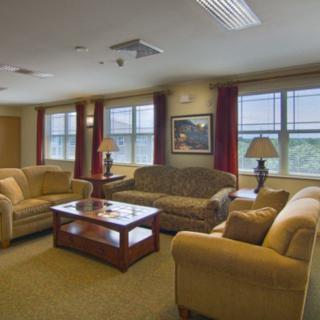
The amenities at Wesley Park are designed to enhance the quality of life for residents. From a fully furnished apartment with private bathrooms to cable or satellite TV and high-speed internet access, every detail has been carefully considered. The community also features various gathering spaces such as a dining room, gaming room, small library, and outdoor garden where residents can relax and socialize. Additionally, there is a beauty salon, fitness room, computer center, and wellness center available for individuals who want to stay active and engaged.

Care services at Wesley Park are provided around the clock by compassionate staff members who strive to meet each resident's individual needs. With 24-hour supervision and a 24-hour call system in place, residents have peace of mind knowing that help is always close by. Assistance with daily living activities like bathing, dressing, and transfers are readily available. Medication management services are also provided to ensure proper administration of medications. The community recognizes the importance of mental wellness and offers a specialized program to support residents' emotional well-being.

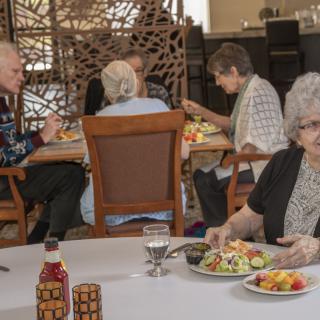
Dining at Wesley Park is exceptional with restaurant-style meals prepared by professional chefs. Special dietary restrictions are accommodated with personalized meal options available. Residents can enjoy delicious and nutritious meals while socializing with neighbors in the inviting dining area.

Residents at Wesley Park have an abundance of opportunities for social engagement through various activities offered. Fitness programs keep individuals active and promote overall well-being. Planned day trips allow residents to explore nearby attractions while resident-run activities provide opportunities for personal growth through shared interests. Scheduled daily activities cater to different preferences ensuring there is something for everyone.

In addition to the amenities and care services provided within the community itself, Wesley Park benefits from its prime location. There are numerous cafes, parks, pharmacies, physicians, restaurants, places of worship, and hospitals in close proximity to the community. This allows residents to easily access important services and enjoy the surrounding community.

Wesley Park in Milwaukee, WI is an assisted living community that goes above and beyond to create a comfortable and enriching environment for its residents. With top-notch amenities, personalized care services, exceptional dining options, and a variety of activities, it is truly a place residents can call home.

Nearby Places of Interest

This part of Milwaukee, Wisconsin, offers a convenient and well-rounded community for senior living. With a variety of healthcare options such as physicians, pharmacies, and hospitals within close proximity, residents can easily access medical care. The area also features a selection of dining options ranging from fast food to pub-style eateries, as well as cafes for socializing with friends or enjoying a quiet moment alone. Nature enthusiasts will appreciate the nearby parks like West Allis West Milwaukee Recreation and Greenfield Park for outdoor activities and relaxation. Additionally, there are places of worship for spiritual support and a movie theater for entertainment. Overall, this neighborhood provides a comfortable and accessible environment for seniors looking to settle down in Milwaukee.

Physicians

  • Maplewood Center (0 miles)
  • Oklahoma Pediatrics-Children's Wisconsin (1.1 miles)
  • Lincoln Avenue Clinic (1.8 miles)
  • Prohealth Care Medical Centers (3.3 miles)
  • Froedtert Clinical Cancer Center (3.5 miles)
  • Froedtert Hospital (3.6 miles)
  • Aurora Advanced Healthcare (3.8 miles)

Pharmacies

  • Walgreens (0.3 miles)
  • CVS Pharmacy (0.7 miles)
  • CVS Pharmacy (1.3 miles)
  • Walgreens (1.4 miles)
  • Metro Market (1.6 miles)
  • Walgreens (1.7 miles)
  • Walgreens (1.7 miles)

Hospitals

  • Surgicenter - Children's Wisconsin (1 miles)
  • Rogers Memorial Hospital (1.7 miles)
  • Aurora St Luke's Medical Center (3.6 miles)
  • Froedtert Pavilion (3.6 miles)
  • Aurora Psychiatric Hospital (4 miles)

Restaurants

  • Taco Bell (1.4 miles)
  • Danny Lynch's (1.6 miles)
  • O'Connor's Perfect Pint (1.9 miles)
  • McDonald's (1.9 miles)
  • Paulie's Pub & Eatery (1.9 miles)
  • McDonald's (2.1 miles)
  • Kopp's Frozen Custard (2.2 miles)

Parks

  • West Allis West Milwaukee Recr (1.4 miles)
  • Greenfield Park (2.7 miles)
  • Hoyt Park (4.5 miles)
  • Wil-O-Way Underwood Park (4.5 miles)
  • The Big Backyard (4.7 miles)
  • Elm Grove Village Park (5.2 miles)
  • Schmidt Park (5.6 miles)

Cafes

  • Starbucks (2.2 miles)
  • Starbucks (2.2 miles)
  • Starbucks (3.2 miles)
  • Starbucks (3.7 miles)
  • Starbucks (4.3 miles)
  • Panera Bread (5 miles)

Places of Worship

  • Honey Creek Church (3.3 miles)

Theaters

  • Ridge Cinema New Berlin, Wi (5.1 miles)

Frequently Asked Questions

Where is Wesley Park?

Nearby Communities

Related Resources

  • assisted living vs memory careUnderstanding the Distinctions: Assisted Living and Memory Care Explained

    The article differentiates between assisted living and memory care, explaining that assisted living supports seniors with daily activities while promoting independence, whereas memory care provides specialized services for individuals with dementia, focusing on secure environments and cognitive support. It also addresses staff training, safety considerations, costs, family involvement, and transition strategies for families navigating these care options.

  • elderly parent refuses assisted livingGuiding Elderly Parents Who Refuse Assisted Living: 6 Practical Steps

    Family caregivers face emotional, legal, and practical challenges when elderly parents refuse assisted living, often due to fears of losing autonomy. Open conversations and professional assessments can help address these concerns while exploring alternatives and ensuring safety, potentially leading to legal guardianship if necessary.

  • luxury assisted livingYour Comprehensive Guide to Luxury Assisted Living: Elevated Facilities, Amenities, and Costs

    Luxury assisted living offers high-quality senior care in a resort-like environment that combines essential medical support, gourmet dining, and personalized services to enhance residents' independence and well-being. These upscale facilities emphasize holistic health and community-building through customized care plans and social activities, catering to the growing demand for enriched senior living experiences despite higher costs.