Some residents and families report neglect and unsafe handling.
Several reviews describe serious breakdowns in day-to-day care, including concerns about hygiene, supervision, and whether basic needs were handled. Others describe being dismissed or treated poorly after concerns were raised, with one reviewer reporting repeated hospitalizations. A few reviews also criticize how staff handled specific support needs and interactions, including claims involving bullying or unwanted behavior.
common9 reviews mention this
Staff compassion is a strength
Many reviews highlight genuinely caring, supportive staff.
A recurring theme is that staff feel welcoming and compassionate, and that families notice engagement and attention to day-to-day well-being. Reviews mention positive experiences with dementia-focused support and structured engagement, along with comfort and concern for safety. Some also praise specific areas like beauty salon support and swimming classes, describing staff as attentive and responsive during activities.
common4 reviews mention this
Dementia-focused activities get praise
Reviews describe structured engagement for dementia needs.
Multiple reviews describe dementia-related support centered on keeping residents engaged rather than only providing supervision. One reviewer credits an organized dementia care approach with meaningful creative activities and improved day-to-day routine. Others describe intergenerational and enrichment-style programming that includes group engagement and activities.
common3 reviews mention this
Dining shows both edges
Dining is mentioned, including comments on meal quality and cost.
Some residents and families reference meals directly, including one comment about a specific meal ticket price. One review also points to improved nutrition as part of a dementia support experience. At the same time, at least one review raises a negative nutrition-and-care concern, which suggests dining and support can vary by situation.
caveat4 reviews mention this
Communication and wait lists frustrate
Several reviews describe delays, missed callbacks, or inconsistent follow-through.
A few reviews report long waits for childcare and difficulty getting consistent answers when checking status. Others mention trouble reaching the community by phone or finding up-to-date information online for scheduling, even when they were trying to plan a tour or swim time. One review also mentions receiving calls to pick up a loved one sooner than expected, which adds to the theme of communication during care situations.
How we summarize
Counts show how many written reviews mention each theme; a review can touch several themes, and only frequently mentioned themes are displayed.
Features
Housing
143 resident community capacity
Types of Care
Assisted Living
Respite Care
Amenities
Air-conditioning
Beauty salon
Cable or satellite TV
Computer center
Dining room
Fitness room
Fully furnished
Gaming room
Garden
Housekeeping services
Kitchenette
Move-in coordination
Outdoor space
Private bathrooms
Restaurant-style dining
Small library
Telephone
Wellness center
Wi-Fi/high-speed internet available
Transportation
General Mitchell International (3 miles away)
Community operated transportation
Transportation arrangement
Transportation arrangement (non-medical)
Transportation to doctors appointments
Care Services
12-16 hour nursing
24-hour call system
24-hour supervision
Activities of daily living assistance
Assistance with bathing
Assistance with dressing
Assistance with transfers
Diabetes diet
Meal preparation and service
Medication management
Mental wellness program
Special dietary restrictions
Dining
Diabetes diet
Special dietary restrictions
Activities
Community-sponsored activities
Concierge services
Fitness programs
Planned day trips
Resident-run activities
Scheduled daily activities
Nearby Places of Interest
Pharmacies
Walgreens (0.7 miles)
Walgreens (1.6 miles)
Walgreens (1.8 miles)
Target Pharmacy (1.8 miles)
Walgreens (2.3 miles)
CVS Pharmacy (2.9 miles)
CVS Pharmacy (3.7 miles)
Parks
South Shore Park (0.9 miles)
Humboldt Park (1.5 miles)
Henry Maier Festival Park (3.4 miles)
Paliafito Park (3.5 miles)
Lakeshore State Park (4 miles)
Runway Dog Exercise Area (4.3 miles)
Red Arrow Park (4.7 miles)
Restaurants
The Landing (1.5 miles)
The Vanguard (1.6 miles)
Papa Luigi's (1.6 miles)
McDonald's (1.7 miles)
Franky's Newport Lounge (1.8 miles)
Wendy's (1.8 miles)
Centraal Grand Café & Tappery (2.1 miles)
Cafes
Starbucks (1.8 miles)
Hawthorne Coffee Roasters (2 miles)
Colectivo Coffee (2.1 miles)
Colectivo Lakefront (5.1 miles)
Transportation
MKE Runway (2.5 miles)
Concourse C (2.5 miles)
Security Checkpoint (2.6 miles)
Concourse D (2.6 miles)
Milwaukee Mitchell International Airport (MKE) (2.6 miles)
Assisted living provides moderate support for seniors seeking independence, while memory care offers specialized support for individuals with dementia or cognitive impairments through structured routines and trained staff. Key differences include care approaches, environment security measures, staff training levels, activity types, and cost considerations.
Assisted living communities offer diverse activities beyond traditional games to enhance seniors' physical health, cognitive well-being, emotional enrichment, and social connections, including fitness classes, creative expression, and intergenerational interactions. These enriching programs foster community bonds and support residents' independence and happiness.
The article differentiates between assisted living and memory care, explaining that assisted living supports seniors with daily activities while promoting independence, whereas memory care provides specialized services for individuals with dementia, focusing on secure environments and cognitive support. It also addresses staff training, safety considerations, costs, family involvement, and transition strategies for families navigating these care options.
Get PricingAsk A QuestionSchedule A TourContact Senior Advisor
By clicking submit, you agree to our Partner's Terms of Use. You
also consent to receive calls and texts, which may be autodialed, from our Partner. Your consent is not a condition to
using our Partner's service. Please visit our Partner's Privacy Policy for information about their privacy practices.

 143 resident community capacity
 Assisted Living
 Respite Care
 Air-conditioning
 Beauty salon
 Cable or satellite TV
 Computer center
 Dining room
 Fitness room
 Fully furnished
 Gaming room
 Garden
 Housekeeping services
 Kitchenette
 Move-in coordination
 Outdoor space
 Private bathrooms
 Restaurant-style dining
 Small library
 Telephone
 Wellness center
 Wi-Fi/high-speed internet available
 General Mitchell International (3 miles away)
 Community operated transportation
 12-16 hour nursing
 24-hour call system
 Activities of daily living assistance
 Assistance with bathing
 Assistance with dressing
 Assistance with transfers
 Diabetes diet
 Medication management
 Mental wellness program
 Special dietary restrictions
 Concierge services
 Planned day trips
 Responsive management with pest-control communication and resident support.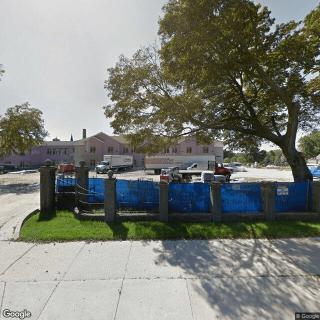


 Assisted Living and Memory Care: Understanding Their Core Differences
 Beyond the Bingo Hall: 50+ Enriching Activities for Seniors in Assisted Living
 Understanding the Distinctions: Assisted Living and Memory Care Explained