St. Camillus offers competitive pricing for its residential options when compared to the broader Milwaukee County and state averages. For a one-bedroom unit, residents enjoy a monthly cost of $1,354, which is significantly lower than both the county average of $3,057 and the state average of $3,412. In the case of two-bedroom accommodations, St. Camillus maintains an attractive rate of $2,442, slightly beneath the Milwaukee County average of $2,654 and notably less than Wisconsin's statewide average of $3,111. However, it's worth noting that studio units at St. Camillus are priced at $4,640 per month, which surpasses both county ($3,841) and state ($3,999) averages. Overall, while St. Camillus presents great value for one- and two-bedroom options, prospective residents should consider their budget carefully when looking at studio accommodations.
Floor plans
St Camillus
Milwaukee County
Wisconsin
1 Bedroom
$1,354
$3,057
$3,412
2 Bedrooms
$2,442
$2,654
$3,111
Studio
$4,640
$3,841
$3,999
Assisted Living communities with a similar price nearby
About the same
Library Square Senior Living
4.6 from 67 reviews
$1,390 to $1,960 / month
2.5 miles away
from +$101 / mo
Harwood Place a CCRC
4.5 from 21 reviews
$1,455 to $4,575 / month
1.4 miles away
from +$236 / mo
ProHealth Care Regency Senior Communities - New Berlin
Residents describe attentive, respectful staff alongside concerns about staffing gaps at times.
Many reviews emphasize kindness and concern from staff, with families saying employees are helpful, responsive, and treat residents with respect. Several also describe day-to-day involvement in patient care and a welcoming environment. At the same time, multiple residents and family members report problems—such as staff shortages, high turnover, communication issues, and even allegations of unsafe or disrespectful care—pointing to inconsistency.
common7 reviews mention this
Cleanliness is a frequent point
Cleanliness stands out, though a few reviews describe cleanliness concerns.
Several reviewers say the facility feels clean, with good odors and strong cleaning of public areas and rooms. A number of families also tie the cleanliness they noticed to feeling confident about the environment. In contrast, at least a few reviews mention cleanliness problems, including a memory care unit smelling badly or concerns about bed linens not being changed as expected.
common6 reviews mention this
Meals get strong praise—and sharp criticism
Meals are a consistent topic, with residents praising food quality and others reporting major dissatisfaction.
Positive reviews mention excellent food, delicious meals, and staff attending to small comforts like desserts. Others describe food as part of what makes the day feel organized and satisfying. On the negative side, at least one reviewer reports dining problems—calling the food “horrendous” and describing repetitive meals—showing the experience may not be uniform across care situations.
common5 reviews mention this
Activities and events matter to residents
Residents and families highlight ongoing activities and community events.
Families describe an active community with plenty to do, including community-sponsored opportunities and organized events. One reviewer specifically mentions volunteering and being able to participate on campus, which made visits feel less stressful. Several also point to on-site gatherings, while at least one review focuses on religious programming as a regular daily activity.
caveat9 reviews mention this
Care quality and communication concerns
Some residents and families report serious concerns about care follow-through and communication.
A recurring downside across multiple reviews is that families struggled to get reliable responses or adequate attention when problems arose. Several reviewers describe staffing and supervision concerns, including allegations of delayed escalation, disorganization, or medication-related issues. Other negative reviews describe dissatisfaction with the level of care provided for later-stage needs, including being moved or discharged when families felt their loved ones still required support.
caveat2 reviews mention this
Pricing comes up with billing disputes
Costs and billing transparency are questioned in some reviews despite affordability signals in pricing ranges.
One reviewer expresses strong concern about pay requirements and how Medicaid acceptance was presented, describing deposit and private-pay expectations. Another reports unknown or additional expenses being added to the bill. While the listing price ranges show units that are priced far below county and state benchmarks, these reviews suggest some families felt the real-world billing experience was not clear or consistent.
How we summarize
Counts show how many written reviews mention each theme; a review can touch several themes, and only frequently mentioned themes are displayed.
Features
Housing
86 resident community capacity
Types of Care
Assisted Living
Continuing Care Retirement Community (CCRC)
Independent Living
Memory Care
Respite Care
Skilled Nursing Facility
Pets
Dogs allowed
Amenities
Activities on-site
Air-conditioning
Beauty salon
Cable or satellite TV
Computer center
Devotional services off-site
Dining room
Fitness room
Fully furnished
Gaming room
Garden
Housekeeping services
Indoor common areas
Kitchenette
Move-in coordination
Outdoor patio
Outdoor space
Private bathrooms
Restaurant-style dining
Small library
Telephone
Wellness center
Wi-Fi/high-speed internet available
Transportation
General Mitchell International (9 miles away)
Community operated transportation
Transportation arrangement
Transportation arrangement (non-medical)
Care Services
24-hour call system
24-hour supervision
Activities of daily living assistance
Ambulatory care
Assistance with bathing
Assistance with dressing
Assistance with transfers
Diabetes diet
Diabetic care
Meal preparation and service
Medication management
Special dietary restrictions
Dining
Diabetes diet
Meals provided
Special dietary restrictions
Activities
Activities on-site
Community-sponsored activities
Concierge services
Devotional activities offsite
Fitness programs
Planned day trips
Resident-run activities
Scheduled daily activities
Nearby Places of Interest
Located in Milwaukee, Wisconsin, this neighborhood boasts a variety of amenities suitable for seniors looking to settle down in a peaceful and convenient area. With several hospitals and healthcare centers within close proximity, residents can easily access medical care when needed. In addition, there are numerous parks nearby for leisurely strolls or picnics, providing opportunities for outdoor recreation and relaxation. Several cafes and restaurants offer plenty of dining options, while pharmacies ensure easy access to medications. Transportation is also readily available through the nearby Milwaukee Intermodal Station. Overall, this area provides a balance of essential services and recreational opportunities for seniors looking to enjoy their retirement years in a comfortable setting.
St. Camillus offers competitive pricing for its residential options when compared to the broader Milwaukee County and state averages. For a one-bedroom unit, residents enjoy a monthly cost of $1,354, which is significantly lower than both the county average of $3,057 and the state average of $3,412. In the case of two-bedroom accommodations, St. Camillus maintains an attractive rate of $2,442, slightly beneath the Milwaukee County average of $2,654 and notably less than Wisconsin's statewide average of $3,111. However, it's worth noting that studio units at St. Camillus are priced at $4,640 per month, which surpasses both county ($3,841) and state ($3,999) averages. Overall, while St. Camillus presents great value for one- and two-bedroom options, prospective residents should consider their budget carefully when looking at studio accommodations.
St. Camillus's comprehensive memory care services are tailored to meet the unique needs of residents with dementia or Alzheimer's disease, ensuring their comfort and safety while promoting independence. Assistance with dressing helps maintain personal dignity and fosters a sense of normalcy, while medication management ensures that residents receive the correct doses at optimal times, minimizing health risks associated with missed medications. Meal preparation and service are crafted to provide nutritious options that cater to specific dietary needs, promoting physical well-being. Furthermore, assistance with activities of daily living supports residents in maintaining routine habits, which can be comforting for those dealing with cognitive decline. The provision of bathing assistance respects individual privacy while ensuring hygiene and comfort, while transfers support mobility safely and effectively. With 24-hour supervision, staff can promptly respond to any changes in behavior or emergencies, creating a secure environment that allows residents to thrive within their capabilities. Each feature contributes holistically to enhancing the quality of life for those facing memory challenges.
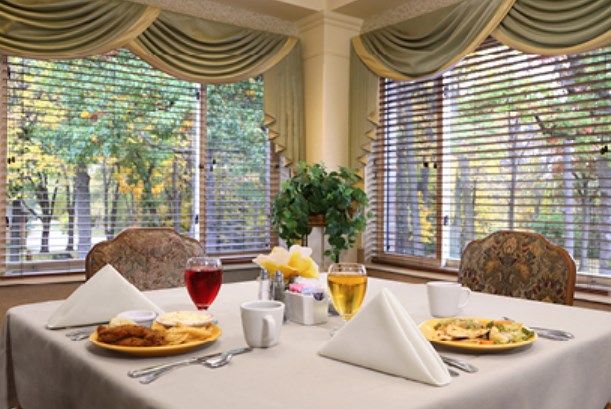
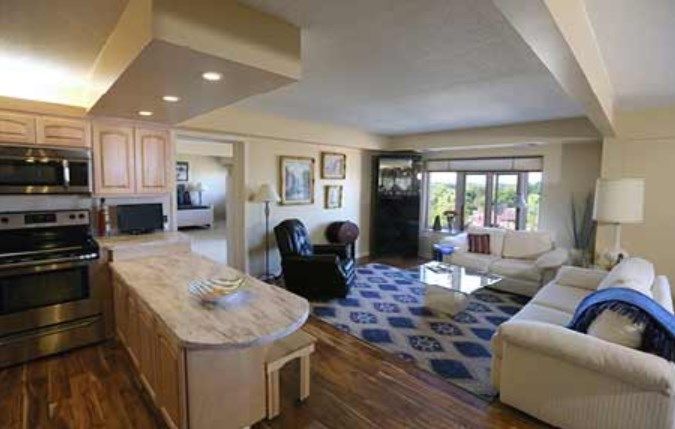
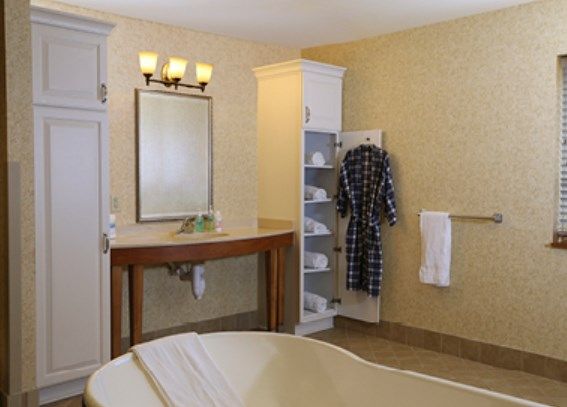
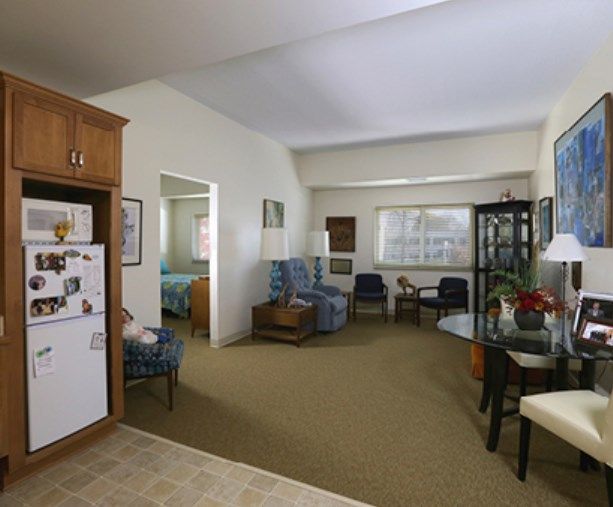
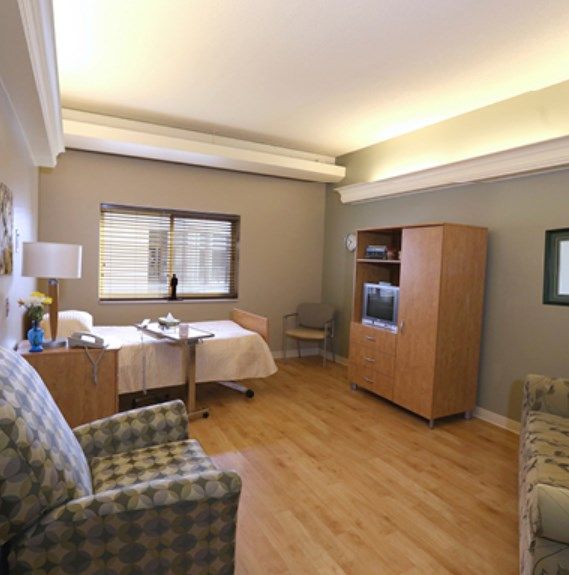
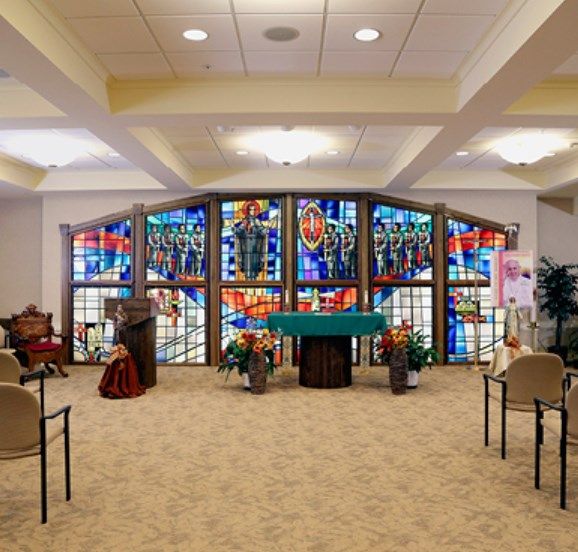
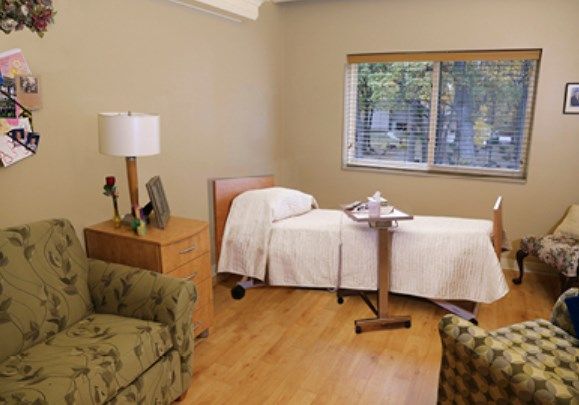
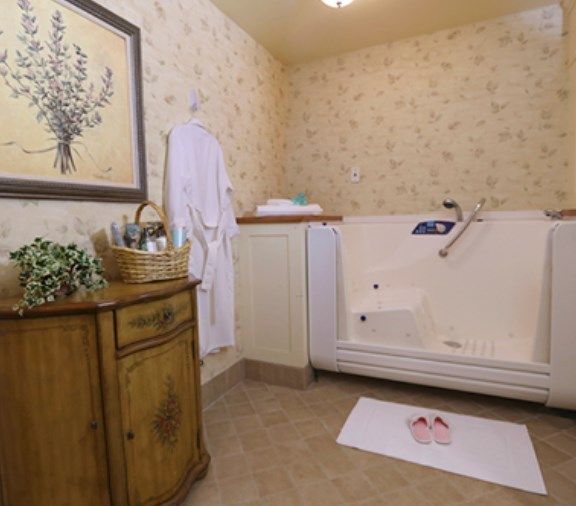
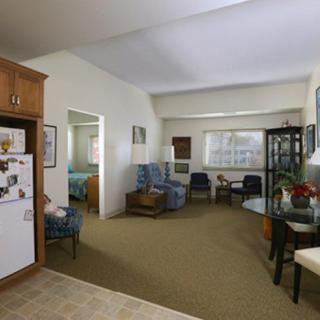
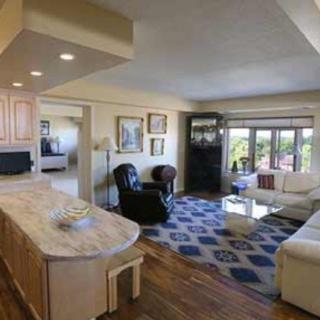
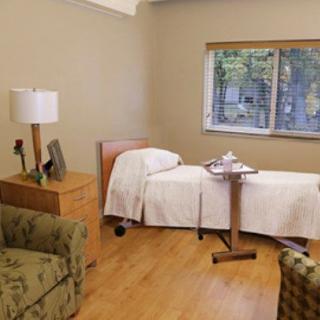
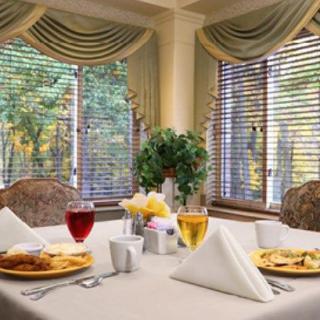
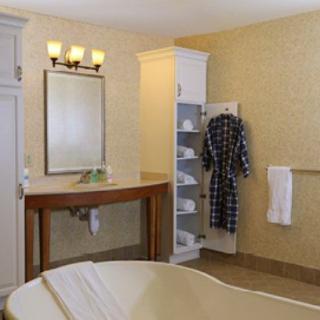
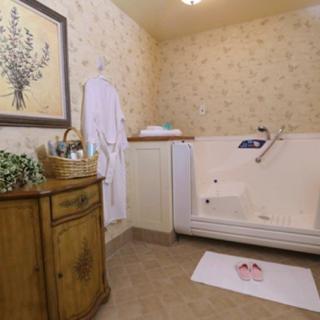
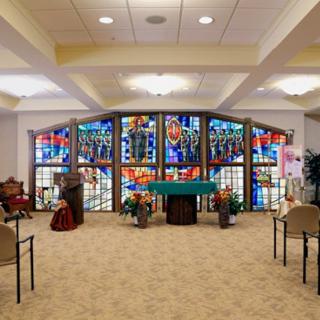
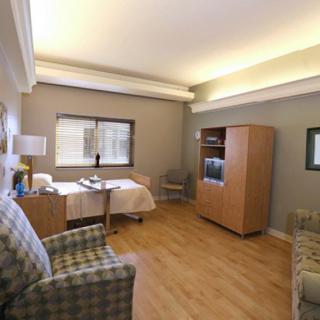
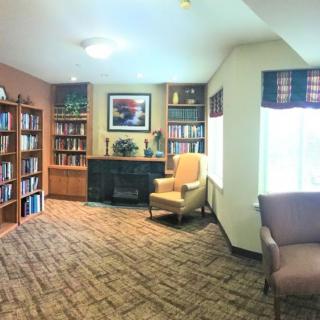
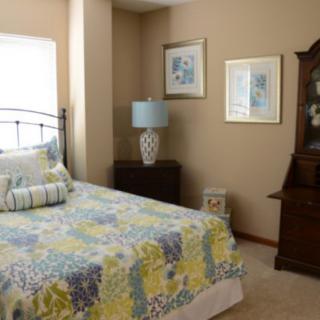
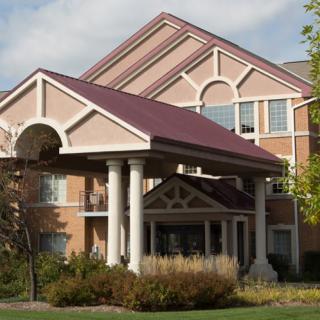
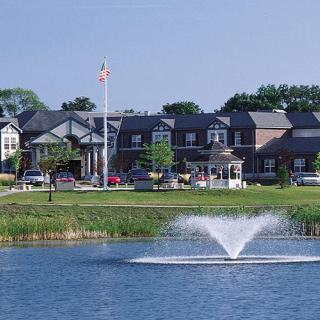
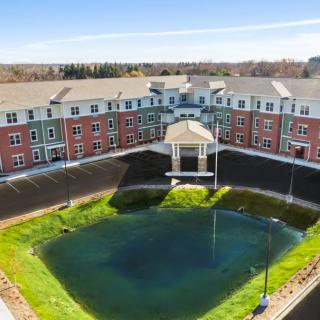
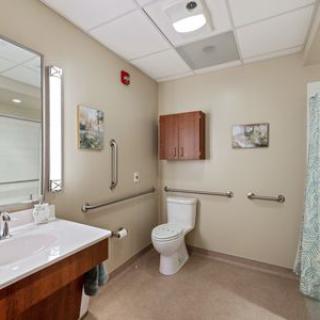
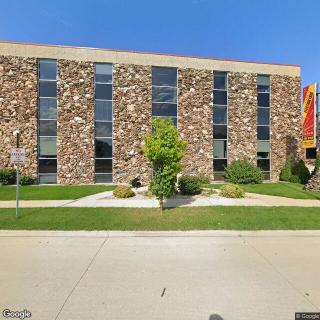
St Camillus on seniors.fyi includes 9 photos including images showing interior, windows, bathroom, living room, dining, rug, open space, lighting, and more.
Nearby Communities
Camillus Court East
Milwaukee, WI
3.7 from 7 reviews
Fully furnished with private bathrooms, 24-hour supervision, and memory care options.
Camillus Court West
Milwaukee, WI
Specialized memory care with 24/7 supervision and engaging activities.
St Camillus Memory Care North Residence
Wauwatosa, WI
Specialized memory care with 24/7 supervision and extensive amenities.
Home Instead - Milwaukee, WI
Milwaukee, WI
4.5 from 35 reviews
Empathetic, skilled caregivers with personalized care plans and strong family trust.
Peace of Mind Home Health
Wauwatosa, WI
5 from 1 review
Excellent access to nearby healthcare, dining, parks, and social amenities.
Unity Family Homes LLC - Milwaukee, WI
Milwaukee, WI
5 from 4 reviews
Excellent access to healthcare, dining, and parks nearby.
Visiting Angels
Milwaukee, WI
3.4 from 9 reviews
Large, dedicated staff delivering professional, compassionate care with flexible options and reasonable prices.
Hawthorne Terrace Apartments
Wauwatosa, WI
4.9 from 77 reviews
$860 to $1,220 / month
On-site beautician and wheelchair-accessible showers.
Noble Senior Living at West Allis
Milwaukee, WI
3.1 from 21 reviews
$2,650 to $4,425 / month
Caring, attentive staff with engaging activities and a well-equipped memory-care area.
Dementia encompasses a range of cognitive impairments characterized by types such as Alzheimer's and vascular dementia, and follows a seven-stage progression model known as the Global Deterioration Scale (GDS), highlighting varying symptoms and decline timelines. Early detection allows for lifestyle adjustments to potentially slow progression, while caregivers need support and resources to manage the challenges involved in caring for affected individuals.
The guide on holistic dementia care outlines the complexity of dementia and stresses the need for individualized caregiver strategies that include medical treatment, psychological support, and environmental adaptations, while emphasizing early detection, various therapeutic options, and caregiver support to enhance quality of life and maintain dignity.
Activities of Daily Living (ADLs) are fundamental tasks vital for an individual's independence, particularly in older adults over 85, and include functions like bathing and dressing; assessing ADLs alongside Instrumental Activities of Daily Living (IADLs) helps determine the level of required assistance due to age-related health challenges. Tailored support plans, involving family and community resources, are essential for maintaining dignity and autonomy in assisted living environments.
Get PricingAsk A QuestionSchedule A TourContact Senior Advisor
By clicking submit, you agree to our Partner's Terms of Use. You
also consent to receive calls and texts, which may be autodialed, from our Partner. Your consent is not a condition to
using our Partner's service. Please visit our Partner's Privacy Policy for information about their privacy practices.


 86 resident community capacity
 Assisted Living
 Continuing Care Retirement Community (CCRC)
 Independent Living
 Memory Care
 Respite Care
 Skilled Nursing Facility
 Dogs allowed
 Activities on-site
 Air-conditioning
 Beauty salon
 Cable or satellite TV
 Computer center
 Devotional services off-site
 Dining room
 Fitness room
 Fully furnished
 Gaming room
 Garden
 Housekeeping services
 Indoor common areas
 Kitchenette
 Move-in coordination
 Outdoor patio
 Outdoor space
 Private bathrooms
 Restaurant-style dining
 Small library
 Telephone
 Wellness center
 Wi-Fi/high-speed internet available
 General Mitchell International (9 miles away)
 Community operated transportation
 24-hour call system
 Ambulatory care
 Assistance with bathing
 Assistance with dressing
 Assistance with transfers
 Diabetes diet
 Diabetic care
 Medication management
 Special dietary restrictions
 Concierge services
 Planned day trips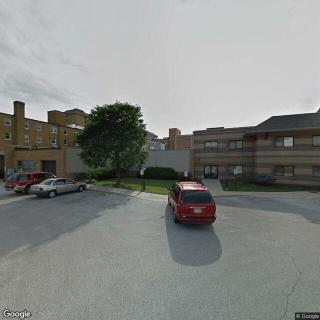
 Fully furnished with private bathrooms, 24-hour supervision, and memory care options.


 Understanding Dementia Through Its Seven Stages: A Comprehensive Look at Progression and Expectations
 A Holistic Dementia Care Guide: Effective Strategies for Memory Support
 Comprehensive Insights into Activities of Daily Living (ADLs) and Their Assessment