
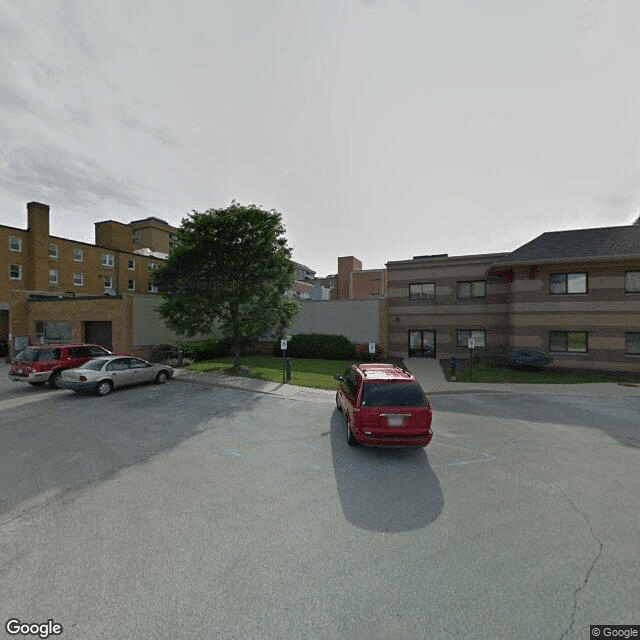
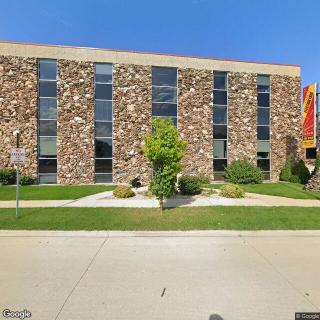
10100 West Bluemound Road, Milwaukee, WI 53226
For more information about senior living options: (866) 208-4318
Overall Review of Camillus Court East
Pros
 Staff take great care of residents.
- Her mom is safe and happy in her new home.
- There are many activities.
- Being able to attend mass frequently is a bonus for her.
Cons
 The phone system needs attention.
- The food leaves a lot to be desired.
Review
Camillus Court East in Milwaukee is best suited for seniors who want a warm, caregiving-focused environment where staff attention is clearly present, safety is a daily promise, and life is punctuated by structured activities and accessible religious services. It works well for residents who thrive on routine, appreciate caregivers who know names and preferences, and value spiritual support as part of daily life. Families choosing this community will notice that a steady cadre of staff delivers consistent oversight, with programs designed to keep residents engaged throughout the day. In short, this is a practical home for those who want reliable care, social connection, and a faith-friendly atmosphere as central pillars of daily living.
Alternatives are worth considering for families who put a premium on dining quality and seamless communication. While care is described as attentive and the environment is safe, the most persistent critiques point to the phone system needing attention and meals that fail to impress. If a resident requires chef-driven meals, consistent flavor, and easy, trouble-free contact with staff, exploring other nearby options with stronger culinary programs and modern call systems makes sense. Those who want a more robust array of therapies, rehab-like programming, or a busier, more varied activity lineup may also find more suitable fit elsewhere. The goal is to align daily life with individual preferences for sustenance, access, and stimulation.
On balance, the strongest positives are visible staff care, strong safety, and an active calendar. Reviews consistently report caregivers who respond with warmth and attentiveness, creating a sense of security and personal connection. That staff reliability translates into peace of mind for families who cannot be constantly present. The facility also earns points for a cadence of activities and frequent Mass attendance, offering meaningful opportunities for worship and socializing. For residents who value social engagement and a predictable routine, these elements form a durable backbone that supports well-being, reduces isolation, and helps life feel purposeful every day.
Concerning downsides, two issues repeatedly surface: the phone system and dining. The call infrastructure needs attention, making it hard to reach staff or obtain timely updates, which can lead to frustration and fragmented communication with families. The meals themselves are described as lacking, with limited flavor or variety, leaving some residents wanting more. These concerns are notable precisely because they touch daily life: when meals disappoint or communication falters, it faces the same room where safety and care are strongest, creating a real tension. While these drawbacks do not erase the strengths, they create an ongoing debate about overall value and satisfaction.
However, the positive impact of dedicated staff, safety, and engaging programming can offset significant discomfort caused by dining and communication issues. A caregiver team that is consistently present reduces anxiety, enables timely assistance, and fosters trust. The robust activity schedule and frequent religious services deliver structure, stimulation, and a sense of community that keeps residents engaged and emotionally supported. For families, this combination translates into tangible reassurance: a loved one is well-looked-after and connected, even if meals and phone lines are not flawless.
For families moving toward a decision, plan a focused visit that probes core daily life. Observe interactions between staff and residents, especially around mornings and mealtimes; request a tasting or menu sample to gauge kitchen capabilities; test the phone system at various times of day; review the activity calendar with the activities director; confirm service times for Mass and other programs; and speak with residents about how safe they feel and how engaged they are. If these experiences align with the priorities of reliable care, safety, meaningful activity, and spiritual nourishment, Camillus Court East stands as a practical, sound choice. If the priority is exceptional dining and frictionless communication, alternatives in Milwaukee should be pursued with urgency.
 19 resident community capacity
 Assisted Living
 Board and Care Home
 Continuing Care Retirement Community (CCRC)
 Memory Care
 Activities on-site
 Cable or satellite TV
 Devotional services off-site
 Fully furnished
 Garden
 Housekeeping services
 Indoor common areas
 Move-in coordination
 Outdoor space
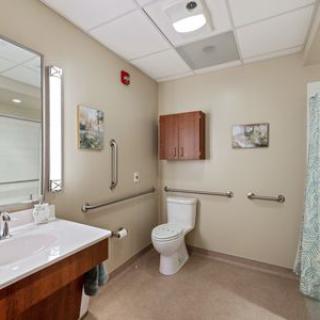
 Private bathrooms
 General Mitchell International (9 miles away)
 Transportation arrangement
 24-hour supervision
 Ambulatory care
 Assistance with bathing
 Assistance with dressing
 Assistance with transfers
 Diabetes diet
 Diabetic care
 Meal preparation and service
 Medication management
 Special dietary restrictions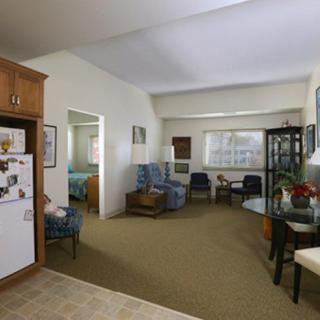



 Comprehensive Guide to VA Nursing Homes: A Crucial Long-Term Care Resource for Veterans
 Estimating the Expenses of At-Home Dementia Care: A Detailed Exploration
 Comprehensive Insights on the Late Stages of Dementia: What to Expect and How to Provide Care