Overall Review of Home Instead - Milwaukee, WI
common
22 reviews mention this
Caregivers are consistently compassionate
Caregivers are repeatedly described as kind, compassionate, and knowledgeable.
Many reviewers describe caregivers who felt professional, warm, and supportive. Several mention the team staying engaged through hospital visits, medical events, and day-to-day help, with families feeling reassured and cared for. A few also point to caregivers becoming trusted companions, not just providers.
differentiator
13 reviews mention this
Care plans feel flexible and responsive
Families describe care that adapts quickly to changing needs.
Residents and families often mention that help was set up promptly after an initial assessment, then adjusted as needs changed. Multiple reviews highlight flexibility around scheduling and the ability to handle different kinds of support, including planning for post-hospital needs. Reviewers also describe caregivers as easy to work with when coordinating ongoing support.
differentiator
5 reviews mention this
Support for transitions is valued
The team is praised for helping through transitions and moves.
Several reviews focus on major life changes, including moving from independent living to an assisted living community and support during the shift from rehab. At least one reviewer specifically mentions support before a move into memory care. Families describe caregivers and care coordinators providing hands-on help and ongoing support during these stressful periods.
How we summarize
Counts show how many written reviews mention each theme; a review can touch several themes, and only frequently mentioned themes are displayed.
Nearby Places of Interest
This area of Milwaukee, Wisconsin offers a variety of amenities and services that would be beneficial for senior living. There are several healthcare facilities nearby, including hospitals, clinics, and pharmacies, providing easy access to medical care. Additionally, there are parks and recreational facilities within a short distance for outdoor activities and leisurely walks. The presence of diverse dining options, cafes, places of worship, and even a theater indicates a vibrant community with opportunities for social engagement and entertainment. Overall, this area provides a well-rounded environment that could potentially meet the needs and interests of seniors looking for a comfortable and convenient place to live.
Physicians
- Aurora Health Center (0.5 miles)
- Froedtert Hospital (1.2 miles)
- Froedtert Clinical Cancer Center (1.3 miles)
- Lincoln Avenue Clinic (2.4 miles)
- Aurora Advanced Healthcare (2.9 miles)
- Maplewood Center (3.6 miles)
- Oklahoma Pediatrics-Children's Wisconsin (3.6 miles)
Parks
- Wil-O-Way Underwood Park (1.2 miles)
- Hoyt Park (1.8 miles)
- Elm Grove Village Park (1.9 miles)
- Greenfield Park (2.2 miles)
- Dousman Stage Coach Inn Museum (3 miles)
- West Allis West Milwaukee Recr (3.6 miles)
- The Big Backyard (4.5 miles)
Hospitals
- Froedtert Pavilion (1.4 miles)
- Aurora Psychiatric Hospital (2.1 miles)
- Rogers Memorial Hospital (2.4 miles)
- Surgicenter - Children's Wisconsin (3.5 miles)
- Wheaton Franciscan - St. Joseph Campus (4.5 miles)
- Aurora St Luke's Medical Center (5.9 miles)
- Aurora Sinai Medical Center (6.1 miles)
Pharmacies
- Aurora Pharmacy (1.4 miles)
- Walgreens (1.6 miles)
- CVS Pharmacy (1.7 miles)
- Swan Service-U Pharmacy (2 miles)
- CVS Pharmacy (2.1 miles)
- Walgreens (2.2 miles)
- CVS Pharmacy (2.8 miles)
Restaurants
- Brass Monkey (1.5 miles)
- McDonald's (1.6 miles)
- O'Connor's Perfect Pint (2.1 miles)
- McDonald's (2.2 miles)
- Liquid Johnny's (2.2 miles)
- Paulie's Pub & Eatery (2.3 miles)
- Danny Lynch's (2.4 miles)
Cafes
- Starbucks (1.5 miles)
- Starbucks (1.7 miles)
- Starbucks (2.3 miles)
- Starbucks (5.7 miles)
Places of Worship
- Honey Creek Church (1.7 miles)
- Northwest Baptist Church (4.3 miles)
Theaters
- Silverspot Cinema - The Corners of Brookfield (5.8 miles)

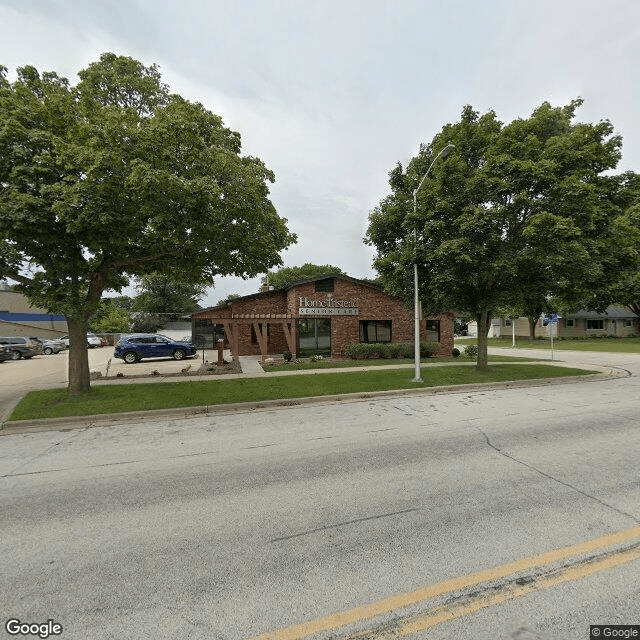
 General Mitchell International (10 miles away)
 Specialized memory care with 24/7 supervision and engaging activities.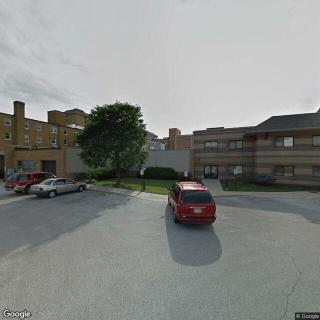



 Comprehensive Guide to Blood Pressure Charts for Older Adults: Understanding Normal and High Readings by Age
 Financing Long-Term Nursing Home Care Through Social Security: A Thorough Exploration
 Essential Knowledge on Pneumonia in Older Adults