
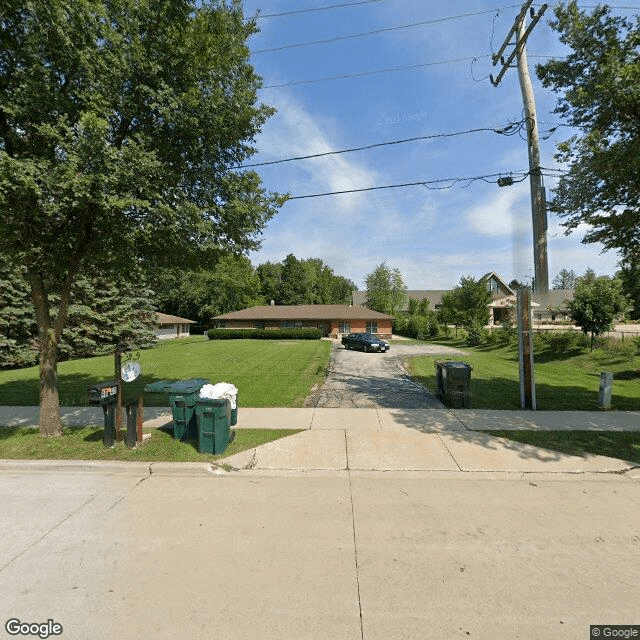
9640 West Layton Avenue, Milwaukee, WI 53228
For more information about senior living options: (866) 208-4318
Sienna Castle Costs & Pricing
Sienna Castle offers competitive pricing for its care services, with semi-private rooms priced at $4,000 per month, which is notably lower than the average cost in Waukesha County at $4,369 and slightly above the state average of $3,977. For those seeking greater privacy, the monthly fee for private rooms at Sienna Castle is set at $4,250. This falls comfortably within the range of local options, being slightly higher than Waukesha County's average of $4,205 but still more affordable than Wisconsin's overall average of $4,339. Overall, Sienna Castle provides a compelling choice for residents looking for quality care without exceeding their budget.
| Floor plans | Sienna Castle | Waukesha County | Wisconsin |
|---|---|---|---|
| Semi-Private | $4,000 | $4,369 | $3,977 |
| Private | $4,250 | $4,205 | $4,339 |
Memory care communities with a similar price nearby
-
from -$500 / mo
Dolphin Manor
$3,500 / month15.1 miles away -
About the same
Waterford Senior Living
$4,050 to $5,450 / month16.2 miles away -
About the same
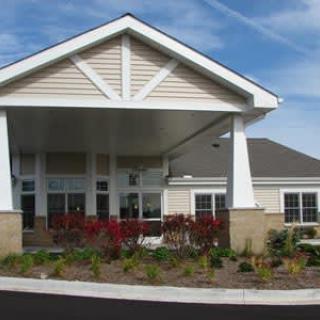
Ellens Home Germantown
$4,000 / month18.7 miles away -
About the same
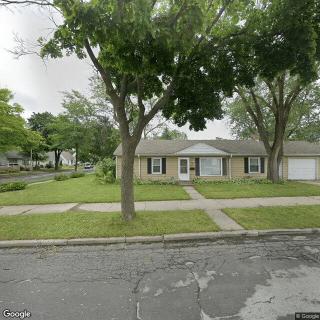
Complete Home Health Care
$4,000 / month11.5 miles away -
from -$705 / mo
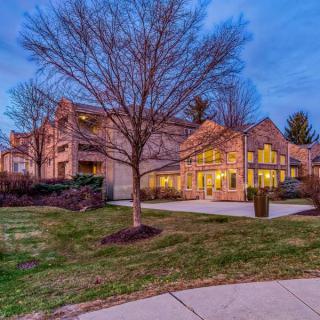
Harbour Village
$3,295 to $7,012 / month2.6 miles away
Overall Review of Sienna Castle
Pros
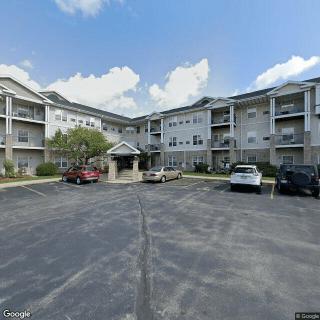
 The place is nice looking.
- The people are friendly.
- The residents seem happy.
- He is very happy there.
- The staff and caregivers are kind, compassionate and extremely helpful.
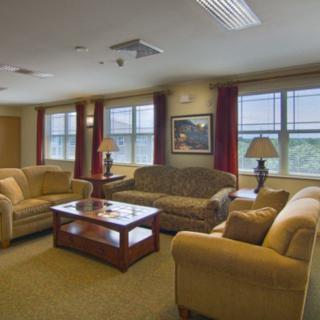
- The home has a bright, cheery and warm atmosphere.
Cons
 The staff oversold the number of activities during the sales process.
- The facility offers only a few activities, not enough to keep residents entertained all day.
Review
This community is best suited for seniors who prize a warm, home-like setting with approachable staff and a sense that daily life centers on companionship more than a calendar full of marquee events. Sienna Castle presents as an attractive, well-kept residence with a bright, cheery atmosphere that immediately signals comfort. For residents who respond well to friendly faces and steady, unobtrusive guidance from caregivers, this setting can feel like a true home away from home. It places more emphasis on intimate interactions and reliable routines than on high-energy programming, which makes it a solid fit for families seeking reassurance, not bustle.
Those who may want to consider alternatives are typically looking for a more aggressive activity slate or more specialized programming. The sales process can create the impression of a bustling calendar, but in daily life the offerings are solid yet not exhaustive, and they may not fill every hour. For residents who require frequent social opportunities, structured engagement, or specialized services beyond light recreation, larger communities with bigger activity teams will likely deliver greater variety. It’s important for families to enter with clear expectations about programming and to compare calendars directly before committing.
Key positives offset some drawbacks, but not all. The strongest attributes are warmth and attentiveness. The building’s appearance and atmosphere feel inviting, and staff and caregivers are described as kind, compassionate, and genuinely helpful. This combination often translates into real peace of mind for families, as residents appear happy and well-cared-for. The downside, the more modest activity calendar and the possibility of over-promised programming during sales, diminishes value for those prioritizing enrichment and ongoing engagement. Yet the human touch and home-like vibe can compensate when companionship, routine, and a calm pace are the primary goals.
Staffing and care emerge as the core strength in day-to-day life. Reported experiences, from the initial interview through placement, underscore a responsive, personable approach. The team is portrayed as patient, attentive, and sincerely committed to residents’ needs, with caregivers who foster a respectful, supportive environment. That level of consistency matters for families seeking reliability and trust. While this setting may not deliver hospital-level intensity, the care ethos is evident in how residents interact with staff and how staff anticipate daily needs, contributing to a sense of security and continuity.
Environment and daily life reinforce the practical choice for many. The home’s bright, cheery design and warm atmosphere contribute to a sense of comfort and belonging, reducing anxiety for new residents. The social fabric centers on meaningful connections rather than high-volume programming, which suits individuals who prefer steady routines, predictable activities, and heavier emphasis on relationships over spectacle. This approach supports dignity and calm, especially for those who value low-stress days and a stable settling-in process. The aesthetics and demeanor of the community become a quiet but powerful driver of overall well-being.
Bottom-line recommendations should be clear. Sienna Castle stands out for families prioritizing warmth, personalized attention, and a home-like living experience. It is particularly well-suited for residents who value staff accessibility, compassionate care, and a positive, smiling environment. For those who must have a packed calendar or highly structured programming, it is wise to explore alternatives or plan to supplement with external activities. Prospective residents should request the latest activity schedule, observe a typical day, and speak with several staff members and residents to confirm that the balance between care, companionship, and engagement matches expectations. With deliberate alignment, Sienna Castle offers a dependable, comforting option in Milwaukee.
 8 resident community capacity
 Assisted Living
 Board and Care Home
 Memory Care
 Activities off-site
 Bath tubs
 Cable or satellite TV
 Devotional services on-site
 Dining room
 Fully furnished
 Garden
 Housekeeping services
 Indoor common areas
 Move-in coordination
 Outdoor common areas
 Private
 Telephone
 Wi-Fi/high-speed internet available
 General Mitchell International (7 miles away)
 24-hour supervision
 Ambulatory care
 Assistance with bathing
 Assistance with dressing
 Assistance with transfers
 Diabetes diet
 Diabetic care
 High acuity care
 Hospice waiver
 Incontinence care
 Meal preparation and service
 Medication management
 Mental wellness program
 Special dietary restrictions
 Transportation arrangement (medical)
 Transportation to doctors appointments

 Understanding Dementia Through Its Seven Stages: A Comprehensive Look at Progression and Expectations
 A Holistic Dementia Care Guide: Effective Strategies for Memory Support
 Comprehensive Insights into Activities of Daily Living (ADLs) and Their Assessment