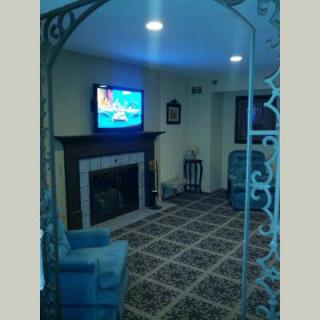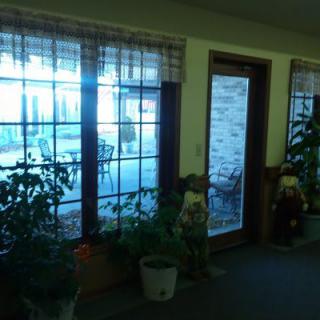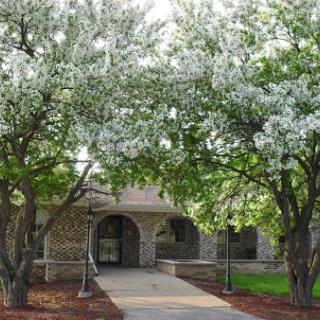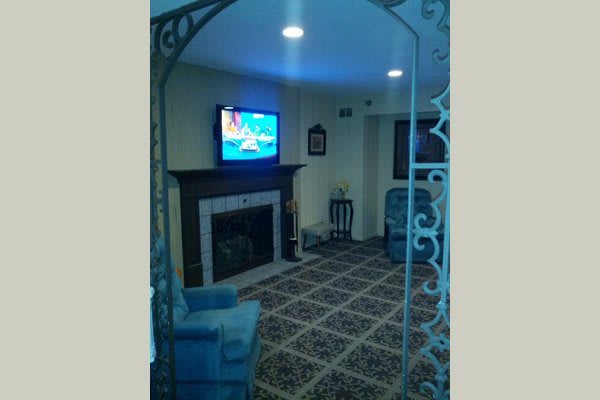
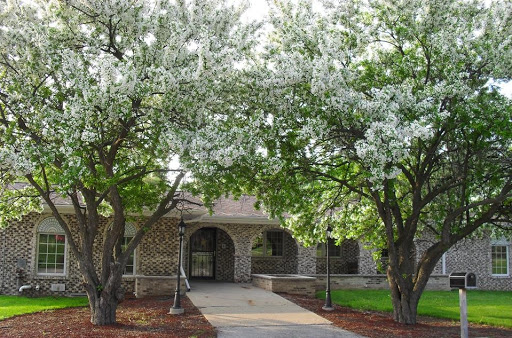
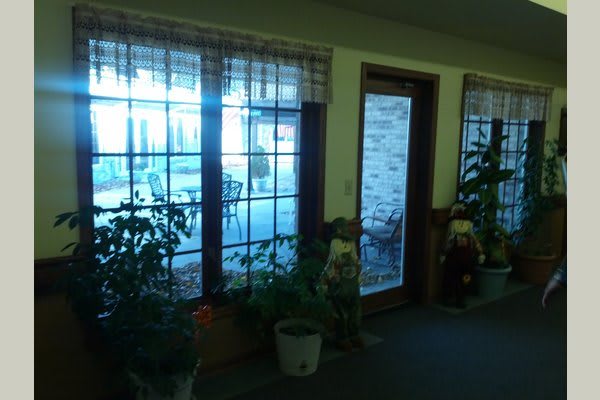
8765 W Forest Home Ave, Greenfield, WI 53228
To contact a resident: (414) 427-0744
For more information about senior living options: (866) 208-4318
Bay Harbor Memory Care & Assisted Living Greenfield Costs & Pricing
Bay Harbor Memory Care & Assisted Living Greenfield offers competitive pricing for its residents, particularly when compared to the average costs in Waukesha County and across Wisconsin. For a semi-private room, the monthly cost at Bay Harbor is $3,500, significantly lower than the county's average of $4,369, making it an attractive option for families seeking quality memory care within a budget. Similarly, their studio apartments are priced at $4,500, which while slightly above Waukesha County's average of $4,225 and Wisconsin's state average of $3,999, reflects the premium services and amenities that Bay Harbor provides. Overall, Bay Harbor positions itself as a cost-effective choice without compromising on care quality.
| Floor plans | Bay Harbor Memory Care & Assisted Living Greenfield | Waukesha County | Wisconsin |
|---|---|---|---|
| Semi-Private | $3,500 | $4,369 | $3,977 |
| Studio | $4,500 | $4,225 | $3,999 |
Memory care communities with a similar price nearby
-
About the same
Dolphin Manor
$3,500 / month14.9 miles away -
from -$350 / mo
Home Share North Shore House
$3,150 / month14.2 miles away -
from +$550 / mo
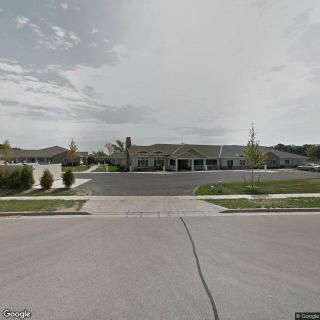
Waterford Senior Living
$4,050 to $5,450 / month16.3 miles away -
from +$500 / mo
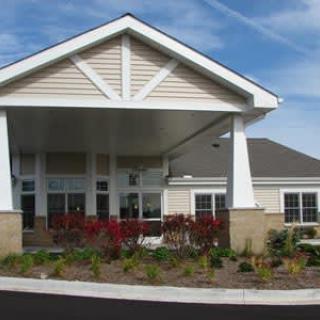
Ellens Home Germantown
$4,000 / month19.2 miles away -
from +$500 / mo
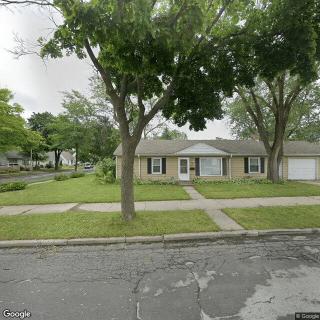
Complete Home Health Care
$4,000 / month11.8 miles away
Overall Review of Bay Harbor Memory Care & Assisted Living Greenfield
Pros
 The Villa of Greenfield is very nice and very clean, with staff who go the extra mile for residents.
- The staff are kind, professional, and knowledgeable about dementia.
- The facility provides extra care to residents and is well kept.
- There are engaging activities like bingo, games, sing-alongs, and holiday events such as Christmas carols and pizza nights.
- It feels more like a home than an assisted living place, with bright, cheery rooms and outstanding food.
- The management focuses on resident care and ensures residents’ needs are met.
- Ceil and other staff are described as thoughtful, kind, and dedicated to residents.
Cons
 The facility is horrible, with a resident neglected and abused during a 2½ month stay.
- The facility is terrible and charges way too much for what is provided.
- Reviewers caution to stay away because proper care and treatment are not provided.
- The meals are repetitive with little variety and unclear snack options.
- The staff do not answer phones or return calls.
- Residents wait long for showers and staff refuse to help.
- Rooms and common areas are not cleaned and smell like urine.
- The bathroom and laundry areas have feces and vomit on clothing and towels.
- Management ignores needed changes and does not listen to concerns.
- Promised activities never happen; residents mostly just sit and watch TV.
- Front office managers yell at workers in public; staff are unprofessional.
- Caregivers who remain are lazy and unmotivated.
Review
Bay Harbor Memory Care & Assisted Living Greenfield is best suited for families seeking a dementia-focused, home-like setting where residents can stay engaged through a structured activities program within a secure, locked environment. The strongest appeal is the emphasis on memory-care needs, with some staff and programs described as attentive, caring, and capable of delivering meaningful social opportunities, bingo, sing-alongs, field trips, and seasonal events that give residents chances to participate and feel included. When staffing is stable and leadership prioritizes resident care, the atmosphere can feel warm, and spaces are described as clean with the potential for personal connections between residents and caregivers. The reality, however, is uneven: multiple accounts highlight strong care in some moments, but others reveal persistent lapses in attentiveness, safety oversight, and timely assistance that undermine trust and dignity.
Those considering alternatives should pay particular attention to consistency and reliability in care. If a family cannot tolerate variability in staffing levels or if management is hard to reach, another option will likely offer more predictable oversight. Pet policies matter too; several reviews raise concerns about animals roaming in resident areas, which can be problematic for allergies or comfort. Cost is an important factor as well; when experience on the ground falls short of expectations, a higher price tag without reliable, proactive care becomes an unsustainable proposition. For families prioritizing unambiguous communication, regular updates, and consistently clean hygiene practices, it is prudent to survey other communities with stronger, steadier track records.
On the upside, when the care team operates smoothly, the facility can deliver a genuinely homelike experience. Reports of rooms that feel private and the presence of spacious common areas help residents enjoy a sense of dignity and independence. Families repeatedly note staff who go the extra mile, coordinating activities, decorating spaces, and facilitating additional services as needed. The memory-care focus is complemented by practical strengths: secure access, routine-driven care, and a calendar of social opportunities that can reduce isolation for residents living with dementia. In those moments, residents appear well groomed, meals are provided, and there is visible effort to maintain a welcoming atmosphere through events and resident-centered programming.
Yet there are persistent, serious red flags that cannot be ignored. A pattern of neglect and delayed responses in some cases severely compromises safety and comfort. Reports describe residents left without assistance, limited responsiveness to basic needs, and alarming instances of weight loss and medical distress that point to gaps in supervision. Hygiene and cleanliness concerns, strong odors, unclean bathrooms, and rooms left unmanaged, further erode confidence in daily operations. Communication gaps are repeatedly cited: phone calls not returned, families unable to obtain timely status updates, and managers who seem inaccessible. These factors, not isolated incidents, significantly diminish perceived value and raise questions about ongoing quality control.
For families evaluating this community, a disciplined, proactive site visit is essential. Inquire about the actual nurse-to-resident ratio, how shifts are staffed, and how quickly staff respond to urgent requests. Request recent state inspection outcomes, and ask to review written care plans, daily schedules, and dietary accommodations. Tour during meals and peak activity times to observe staffing presence and interaction quality; speak with several staff members and, if possible, with current residents or their families to gauge consistency over time. If the intention is a long-term placement, consider a short-term respite stay to test daily routines, and insist on a transparent, itemized contract that clarifies pricing and future increases.
Ultimately, the decision hinges on a balance between meaningful, engaging memory-care programming and reliable, safety-first operations. This Greenfield community offers genuine potential for a loving, activity-rich environment when care teams are stable and attentive. However, the persistent reports of care gaps, communication breakdowns, and maintenance lapses cannot be dismissed. For families who can maintain vigilant oversight, demand consistent staffing, and value a home-like atmosphere with regular social programming, Bay Harbor may be a workable choice. For those requiring consistently high-quality care, transparent administration, and dependable day-to-day performance, exploring alternatives with stronger, demonstrable track records is a prudent, even necessary step before committing.
 Studio apartments
 Assisted Living
 Memory Care
 Activities off-site
 Bath tubs
 Beautician on-site
 Devotional services on-site
 Dining room
 Garden
 Guest parking
 Housekeeping services
 Indoor common areas
 Laundry
 Outdoor common areas
 Party space
 Respite or short term stays offered
 TV room
 Wheelchair accessible showers
 Wi-Fi/high-speed internet available
 General Mitchell International (6 miles away)
 Transportation & parking
 Diabetic care
 Hospice care
 Incontinence care
 Medication management
 Guest meals
 Art classes
 Book club
 Cooking classes
 Games
Games Live dance or theater performances
 Live musical performances
 Stretching classes


 Comprehending Evening Confusion in Dementia: Causes, Manifestations, and Support
 Delirium and Dementia: Unraveling the Key Differences
 Are Dementia and Alzheimer's Disease Lethal? A Comprehensive Exploration