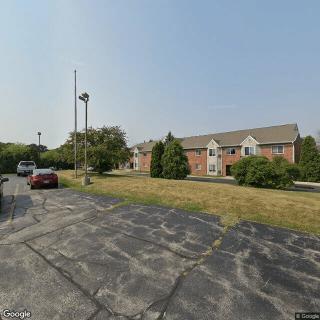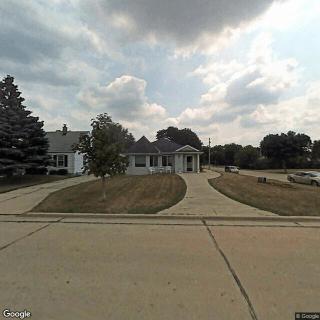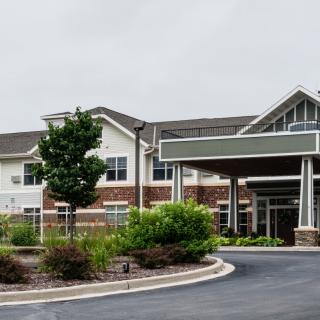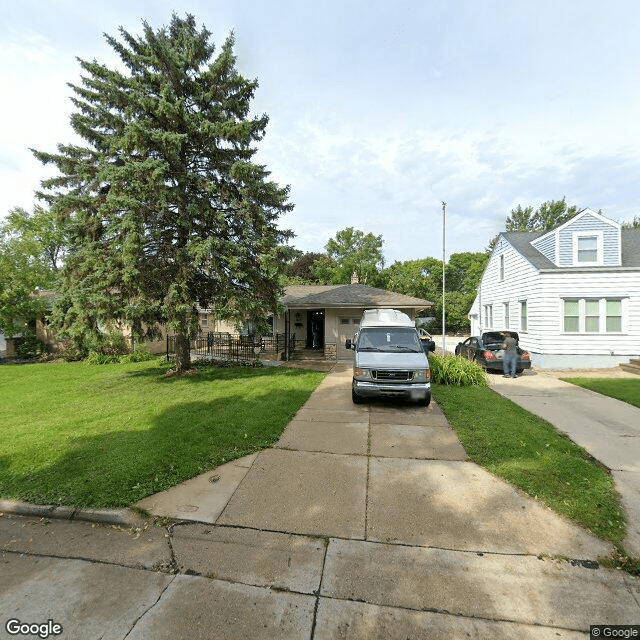
Rainbow Park Home

Save
Rainbow Park Home

Rainbow Park Home

1217 South 118 Th Street, Milwaukee, WI 53214

For more information about senior living options: (844) 490-3973

1 from 1 review
Assisted Living Board and Care Home

What level of care are you interested in?

Assisted Living

Memory Care

Independent Living

Skilled Nursing Facility

Continuing Care Retirement Community (CCRC)CCRC

Other


Request a tour at Rainbow Park Home

    Overall Review of Rainbow Park Home

    Pros

    • pro She has many friends who care about her wellbeing.
    • pro Her friends are concerned and want to hear from her.
    • pro They reach out to stay connected and show they care.
    • pro Gifts sent for her birthday illustrate thoughtfulness and support.
    • pro Her circle of friends forms a caring, supportive network.

    Cons

    • pro They are frustrated by the lack of communication from the group home.
    • pro They are worried because none of her many friends has heard from her.
    • pro They feel ignored since messages and calls have not been returned.
    • pro They are distressed that gifts, with a return envelope, have not elicited any response.
    • pro They question why the facility would not allow her to call or provide updates if she is sick or has left.
    • pro They are concerned for her safety and well-being.

    Review

    A friend's placement in a group home has sparked a growing worry among her circle of friends. The initial contact was brief - a single phone call from the resident after moving into the facility - but since that moment, a persistent silence has settled over the communications that once happened more readily. Several people who care about her have taken it upon themselves to reach out, making repeated attempts to hear her voice again and to confirm that she is doing well. Yet each attempt seems to end with the same quiet: no returned calls, no text responses, no sign that she has felt the urge to reconnect.

    What follows the first call is a pattern that has become increasingly unsettling. It's not just one friend left waiting in the dark; it's a chorus of well-wishers who know her and want to hear from her. They have all picked up the phone, left messages, and tried again, hoping for a reaction, a hello, a simple assurance that she is all right. But those efforts have yielded nothing tangible. The lack of response is not simply a missed connection; it is a growing absence that many people fear reflects something more serious about her situation or her health.

    In an attempt to bridge the distance, gifts were sent for her birthday. An addressed stamped return envelope was included to make it easy for her to reply, to tell them that she received the gifts and to share a few words in return. Yet even this gesture, meant to illuminate a path back to normalcy and connection, has not yielded any sign of life. The gifts sit without acknowledgment, and the enclosed return envelope remains unused. For friends who thought a birthday parcel could be a small, hopeful link, the silence is all the more stark.

    Messages were left, but the voicemail box - or perhaps staff channels - produced no response. It's unclear where the breakdown is most acute: whether the resident is unable to answer, whether staff are constrained by policies, or whether something else entirely is preventing communication. What is clear is that the absence of a reply leaves a hole in the fabric of the group's routine, turning concern into worry and worry into a pressing need for reassurance.

    The friends are left with pressing questions that anyone would ask in such a situation. Wouldn't there be some mechanism to allow the resident to call if she is able? If she has left the group home, or if she is unwell, would someone not share even a minimal update so her friends know she is cared for? Those questions echo in the minds of her many friends, a chorus of concern that grows louder with each passing day of silence. The sheer number of people who care - each with their own memories of shared moments, hopes for her well-being, and birthday wishes - amplifies the unease.

    Taken together, the situation paints a troubling picture of communication gaps that leave a beloved person and her community separated by silence. What began as a single call to check in has evolved into a broader worry about her safety, health, and day-to-day life. The friends' anxiety is rooted in affection and a long-standing desire to know she is thriving, not merely surviving. Until there is a clear update from the group home or from the resident herself, the concern among her friends will likely persist, as will their hopes for a prompt and truthful connection.

    Features

    Housing

    • 8 resident community capacity 8 resident community capacity

    Types of Care

    • Assisted Living Assisted LivingAssisted living facilities provide crucial support and care for seniors who may need help with daily tasks such as medication management, bathing, and meal preparation. These communities offer a safe and comfortable environment where seniors can maintain their independence while receiving the assistance they need to thrive in their golden years.
    • Board and Care Home Board and Care HomeBoard and care homes provide a smaller, more intimate setting for seniors who require assistance with daily tasks but do not need the level of care offered by a nursing home. They offer personalized care, meals, and social activities in a homelike environment, ensuring that seniors receive individualized attention and support in their golden years.

    Amenities

    • Activities on-site Activities on-siteActivities on-site are important for seniors because they provide opportunities for socialization, mental stimulation, physical activity, and overall well-being. Engaging in activities can help seniors stay active, maintain their independence, and improve their quality of life.
    • Cable or satellite TV Cable or satellite TVCable or satellite TV is important for seniors because it provides entertainment, news, and companionship, helping to combat loneliness and boredom. It also offers a wide range of programming options tailored to different interests and preferences.
    • Devotional services off-site Devotional services off-siteDevotional services off-site are important for seniors as they provide spiritual nourishment, social engagement, and a sense of community outside of the senior living facility. This can enhance overall well-being and help combat feelings of isolation and loneliness often experienced by older adults.
    • Dining room Dining roomDining rooms are important for seniors as they provide a space for socialization, connection, and nutritious meals. They offer opportunities for residents to bond over shared meals, foster a sense of community, and promote healthy eating habits. Dining rooms also ensure that seniors have access to well-balanced meals tailored to their dietary needs and preferences.
    • Fully furnished Fully furnishedFully furnished senior living communities are important for seniors because they provide convenience, comfort, and a hassle-free moving experience. Seniors can easily settle into their new living space without the stress of having to buy and move furniture. This allows them to focus on enjoying their new home and community.
    • Garden GardenGardens are important for seniors as they provide a peaceful and therapeutic environment for relaxation, physical activity, and socialization. Being in nature has been shown to reduce stress, improve mood, and promote overall well-being. Gardens also offer opportunities for seniors to engage in gardening activities, which can improve mobility, flexibility, and cognitive function. Additionally, gardens create a sense of community and connection with others who share a passion for plants and outdoor spaces.
    • Housekeeping services Housekeeping servicesHousekeeping services are important for seniors because they help maintain a clean and safe living environment, promote independence, and reduce the risk of accidents or illnesses. Additionally, having assistance with household chores can alleviate physical strain and allow seniors to focus on other aspects of their well-being.
    • Indoor common areas Indoor common areasIndoor common areas are crucial for seniors as they provide a space for socialization, recreation, and community engagement, promoting overall well-being and reducing feelings of isolation and loneliness.
    • Move-in coordination Move-in coordinationMove-in coordination is important for seniors because it helps ease the transition into their new living environment. It ensures that all logistics, such as packing, organizing movers, and setting up utilities are taken care of, allowing seniors to focus on settling in and adjusting to their new home. Having a smooth move-in process can alleviate stress and anxiety, making the transition smoother and more enjoyable for seniors.
    • Outdoor space Outdoor spaceOutdoor spaces are important for seniors as they provide opportunities for physical activity, social interaction, exposure to natural light and fresh air, and a sense of connection to nature. Having access to outdoor spaces can improve overall well-being and quality of life for older adults living in senior communities.
    • Telephone TelephoneTelephones are important for seniors as they provide a lifeline for communication with loved ones, emergency services, and healthcare providers. They offer a sense of security and independence, enabling seniors to stay connected and access assistance when needed.
    • Wi-Fi/high-speed internet available Wi-Fi/high-speed internet availableWi-Fi/high-speed internet is important for seniors to stay connected with loved ones, access online resources, and participate in virtual activities to combat feelings of loneliness and isolation. It also allows them to easily manage healthcare needs, access entertainment, and engage in lifelong learning opportunities.

    Transportation

    • General Mitchell International (10 miles away) General Mitchell International (10 miles away)

    Care Services

    • 24-hour supervision 24-hour supervision24-hour supervision is important for seniors to ensure their safety, well-being, and access to immediate assistance in case of emergencies or health issues. This constant support provides peace of mind for both seniors and their loved ones, allowing them to age in place with dignity and security.
    • Activities of daily living assistance Activities of daily living assistanceActivities of daily living assistance are important for seniors because they provide essential support with tasks such as eating, bathing, dressing, and mobility. This assistance helps seniors maintain their independence, dignity, and overall quality of life as they age.
    • Ambulatory care Ambulatory care"Ambulatory care services provide essential medical support and treatment to seniors without requiring hospitalization, allowing them to maintain their independence and quality of life while managing chronic conditions or receiving routine medical care."
    • Assistance with bathing Assistance with bathingAssistance with bathing is crucial for seniors as it helps maintain personal hygiene, prevents infections, and ensures their overall well-being and comfort. It also provides a sense of dignity and independence for seniors who may struggle with this task on their own.
    • Assistance with dressing Assistance with dressingAssistance with dressing is important for seniors because it helps maintain their independence, promotes personal hygiene, prevents accidents and injuries, and improves overall quality of life. This service ensures that seniors can continue to dress comfortably and confidently, despite any physical limitations they may have.
    • Assistance with transfers Assistance with transfersAssistance with transfers is crucial for seniors as it helps prevent falls and injuries, maintains their independence, and ensures they can safely navigate their living environment. It also provides peace of mind for both seniors and their loved ones.
    • Coordination with health care providers Coordination with health care providersCoordination with health care providers is crucial for seniors to ensure proper medical care, medication management, and overall well-being. This collaboration helps prevent overlapping treatments, track progress more effectively, and provide comprehensive support tailored to individual needs.
    • Diabetes diet Diabetes dietA diabetes diet is crucial for seniors as it helps manage blood sugar levels, reduce risks of complications, and improve overall health and well-being. By following a balanced and nutritious diet tailored to their specific needs, seniors can better control their diabetes and enhance their quality of life.
    • Diabetic care Diabetic careDiabetic care is crucial for seniors as they are more susceptible to developing diabetes due to aging and other health conditions. Proper management of diabetes can help prevent complications such as heart disease, vision loss, and nerve damage, improving the overall quality of life for seniors in senior living communities.
    • Meal preparation and service Meal preparation and serviceMeal preparation and service are crucial for seniors as they may have limited mobility or energy to cook nutritious meals. Having access to healthy and convenient food options can ensure they are getting the proper nutrition needed to maintain their overall health and well-being.
    • Medication management Medication managementMedication management is crucial for seniors to ensure they are taking the right medications at the correct dosages and times. This helps prevent adverse drug interactions, reduces the risk of medication errors, and promotes overall health and well-being. Proactive management also allows for adjustments as needed based on changing health conditions or new prescriptions.
    • Special dietary restrictions Special dietary restrictionsSpecial dietary restrictions are important for seniors because age-related changes in metabolism and health conditions can make it difficult for their bodies to process certain foods. By following a diet tailored to their specific needs, seniors can maintain their overall health and well-being, manage chronic conditions, and reduce the risk of complications such as malnutrition or food interactions with medications.
    • Transportation arrangement (medical) Transportation arrangement (medical)Transportation arrangements for medical purposes are essential for seniors as they may have difficulty driving themselves to appointments or accessing public transportation. Having reliable and safe transportation options ensures that seniors can receive timely medical care and maintain their health and well-being.
    • Transportation to doctors appointments Transportation to doctors appointmentsTransportation to doctors' appointments is crucial for seniors as it ensures they have access to necessary medical care and support for their health needs. Without reliable transportation, seniors may struggle to attend important appointments, leading to potential delays in treatment and health complications. Providing transportation services helps seniors maintain their overall well-being and quality of life.

    Dining

    • Diabetes diet Diabetes dietA diabetes diet is crucial for seniors as it helps manage blood sugar levels, reduce risks of complications, and improve overall health and well-being. By following a balanced and nutritious diet tailored to their specific needs, seniors can better control their diabetes and enhance their quality of life.
    • Meals provided Meals provided"Meals provided" are crucial for seniors in assisted living communities as it ensures they have access to nutritious, balanced meals without the stress of meal planning and preparation. This can help promote overall health and well-being for seniors who may have limited mobility or cognitive abilities.
    • Special dietary restrictions Special dietary restrictionsSpecial dietary restrictions are important for seniors because age-related changes in metabolism and health conditions can make it difficult for their bodies to process certain foods. By following a diet tailored to their specific needs, seniors can maintain their overall health and well-being, manage chronic conditions, and reduce the risk of complications such as malnutrition or food interactions with medications.

    Activities

    • Activities on-site Activities on-siteActivities on-site are important for seniors because they provide opportunities for socialization, mental stimulation, physical activity, and overall well-being. Engaging in activities can help seniors stay active, maintain their independence, and improve their quality of life.
    • Community-sponsored activities Community-sponsored activitiesCommunity-sponsored activities are important for seniors as they provide opportunities for social interaction, mental stimulation, and physical activity. These activities can help improve overall well-being, combat loneliness and isolation, and promote a sense of belonging and purpose among older adults.
    • Devotional activities offsite Devotional activities offsiteDevotional activities offsite are important for seniors because they provide social engagement, spiritual growth, and a sense of community outside of their living environment. This can improve overall well-being, mental health, and combat feelings of isolation or loneliness.
    • Scheduled daily activities Scheduled daily activitiesScheduled daily activities are important for seniors because they provide structure, socialization, mental stimulation, and physical activity. Engaging in regular activities can improve overall well-being and quality of life for seniors living in a community setting.

    Description

    Rainbow Park Home is a board and care home located in Milwaukee, WI. Our community offers a comfortable and safe environment for seniors in need of assistance with daily living activities.

    Our residents can enjoy a range of amenities including cable or satellite TV, devotional services off-site, and access to our dining room where delicious and nutritious meals are provided. Each room is fully furnished, ensuring that our residents feel at home. We also have a beautiful garden and outdoor space where residents can relax and enjoy the fresh air.

    We understand the importance of maintaining a clean and organized living space, so we provide housekeeping services to ensure that our residents' rooms are always tidy. Additionally, our indoor common areas provide opportunities for socializing with other residents.

    Moving into a new place can be overwhelming, but with our move-in coordination service, we strive to make the transition as smooth as possible for our residents. We also offer telephone and Wi-Fi/high-speed internet access to keep our residents connected with their loved ones.

    At Rainbow Park Home, we prioritize the health and well-being of our residents. Our dedicated staff provides assistance with activities of daily living such as bathing, dressing, and transfers. We coordinate with healthcare providers to ensure that our residents receive the best possible care. For those with diabetes, we offer specialized care including diabetes diets and medication management.

    Transportation can often be a challenge for seniors, but we arrange transportation for medical purposes and doctors' appointments to make it convenient for our residents.

    In addition to providing necessary care services, we believe in promoting an active lifestyle for our residents. We offer community-sponsored activities and devotional activities off-site for spiritual enrichment. There are plenty of nearby options for socializing as well, with cafes, parks, restaurants, pharmacies, places of worship all within close proximity to our community. And in case of any emergencies or medical needs, there are hospitals nearby.

    At Rainbow Park Home in Milwaukee,WI, we provide a caring and supportive environment for seniors where they can enjoy a fulfilling and comfortable lifestyle.

    Nearby Places of Interest

    This part of Milwaukee, Wisconsin offers a variety of amenities and services that cater to seniors looking for a comfortable and convenient living environment. There are numerous dining options nearby, including Brass Monkey, McDonald's, and Danny Lynch's, as well as cafes such as Starbucks and Panera Bread for leisurely meals or social gatherings. The area also boasts several parks like Greenfield Park and Hoyt Park where seniors can enjoy outdoor activities and leisurely walks. For healthcare needs, there are multiple physicians' offices, hospitals like Froedtert Hospital and Aurora Health Center, and pharmacies like Walgreens and CVS within close proximity. Additionally, there are places of worship like Honey Creek Church for spiritual fulfillment. The presence of Silverspot Cinema at The Corners of Brookfield provides entertainment options for seniors in the community. Overall, this area offers a diverse range of amenities that would make it an ideal location for senior living.

    Restaurants

    • Brass Monkey (0.2 miles)
    • McDonald's (0.8 miles)
    • Danny Lynch's (1.3 miles)
    • Taco Bell (1.9 miles)
    • O'Connor's Perfect Pint (2.1 miles)
    • McDonald's (2.2 miles)
    • Champps Americana (2.3 miles)

    Cafes

    • Starbucks (0.7 miles)
    • Starbucks (2.5 miles)
    • Starbucks (3.4 miles)
    • Starbucks (4.9 miles)
    • Panera Bread (5 miles)
    • Starbucks (5.6 miles)

    Parks

    • Greenfield Park (0.8 miles)
    • Elm Grove Village Park (2.4 miles)
    • Wil-O-Way Underwood Park (2.6 miles)
    • Dousman Stage Coach Inn Museum (3 miles)
    • Hoyt Park (3.1 miles)
    • The Big Backyard (3.3 miles)
    • West Allis West Milwaukee Recr (3.4 miles)

    Physicians

    • Lincoln Avenue Clinic (1.2 miles)
    • Aurora Health Center (1.8 miles)
    • Froedtert Hospital (2.3 miles)
    • Froedtert Clinical Cancer Center (2.4 miles)
    • Oklahoma Pediatrics-Children's Wisconsin (2.5 miles)
    • Prohealth Care Medical Centers (2.6 miles)
    • Maplewood Center (2.8 miles)

    Hospitals

    • Rogers Memorial Hospital (1.3 miles)
    • Surgicenter - Children's Wisconsin (2.4 miles)
    • Froedtert Pavilion (2.5 miles)
    • Aurora Psychiatric Hospital (3.2 miles)
    • Wheaton Franciscan - St. Joseph Campus (5.7 miles)

    Pharmacies

    • Aurora Pharmacy (1.4 miles)
    • CVS Pharmacy (1.6 miles)
    • CVS Pharmacy (1.7 miles)
    • Walgreens (1.7 miles)
    • Pick 'n Save Pharmacy (2.1 miles)
    • Walgreens (2.2 miles)
    • Walgreens (2.4 miles)

    Places of Worship

    • Honey Creek Church (2.5 miles)
    • Northwest Baptist Church (5.6 miles)

    Theaters

    • Silverspot Cinema - The Corners of Brookfield (5.3 miles)
    • Ridge Cinema New Berlin, Wi (5.3 miles)

    Frequently Asked Questions

    Where is Rainbow Park Home?

    Nearby Communities

    Related Resources

    • when to move from assisted living to nursing home8 Key Indicators That Suggest It May Be Time to Transition from Assisted Living to Skilled Nursing Care

      The transition from assisted living to skilled nursing care is often prompted by complex medical needs that assisted living cannot meet, with key indicators including frequent health declines, increased falls, severe memory issues, and caregiver burnout. Families should recognize these signs early to discuss options with healthcare providers and prepare for the emotional and logistical aspects of moving to a facility that offers comprehensive medical support.

    • active senior livingVibrant Senior Living: A Comprehensive Guide for Active Older Adults

      Vibrant Senior Living emphasizes active senior living communities that promote independence and engagement through diverse amenities and activities, fostering wellness and social interaction among older adults. These communities range from independent to assisted living, with a focus on personal growth, family involvement, financial planning, and leveraging technology to enhance residents' experiences.

    • when to move from assisted living to memory careWhen to Transition from Assisted Living to Memory Care: Key Indicators, Steps, and Finding the Right Community

      Transitioning from assisted living to memory care is driven by an individual's cognitive decline and specific needs, requiring careful evaluation of indicators like increased confusion and wandering. The process involves consulting medical professionals, researching suitable communities, considering financial and legal aspects, and ensuring effective communication for personalized care plans.


    Get Pricing Ask A Question Schedule A Tour Contact Senior Advisor