
929 South 121St Street, West Allis, WI 53214
For more information about senior living options: (866) 208-4318
Overall Review of Ideal Community Living 2
Cons
 The reviewer was shocked that this place is licensed at all.
- The facility was filthy, with an overpowering smell of urine.
- Dana, the staff member they dealt with, was extremely rude and unprofessional.
- After touring, the reviewer would never want anyone they know to live at this facility.
- The facility should be shut down.
Review
Ideal Community Living 2 is best suited for families that must accept substantial deficits in cleanliness and professional conduct as a condition of affordability or limited local options. In practical terms, this community should only be pursued when budget constraints overwhelm the priority of a safe, hygienic living environment. The lone review presents a stark baseline: a licensed facility that reportedly operates in conditions many would deem unacceptable, with strong urine odors and a facility appearance described as dirty. That combination targets a very narrow audience, those who can tolerate systemic quality concerns while still trying to secure essential care within a constrained market.
Anyone who expects a reliably clean, respectful, and well-managed setting should look strongly at alternatives. West Allis and the surrounding area offer facilities with clearer reputations for hygiene, better staff interactions, and more transparent operations. For families, the test isn’t merely proximity or cost; it’s whether the atmosphere and daily routines respect residents’ dignity and health. When a tour or snapshot leaves questions about cleanliness or courtesy, the prudent move is to broaden the search rather than accept a situation that could deteriorate quickly or generate ongoing stress for residents and caregivers.
From the available feedback, there are virtually no meaningful advantages evident, and the one cited “pro”, the fact of licensure, does not compensate for the glaring downsides. A license signals basic compliance, not quality, and in this case it fails to reassure given the described conditions. The absence of highlighted positives means the facility’s potential benefits cannot offset the principal concerns: a dirty environment, offensive odors, and interactions with staff that are described as rude or unprofessional. In practical decision terms, there isn’t a credible balance where the positives could counterbalance the negatives.
The core drawbacks dominate the decision calculus. A facility described as filthy, with an overpowering urine odor, triggers immediate concerns about health, safety, and resident comfort. Coupled with interactions labeled as rude and unprofessional, these factors undermine trust in daily supervision, housekeeping, and meal and activity planning. In a setting where cleanliness and respectful treatment are prerequisites for well-being, these red flags suggest ongoing maintenance challenges and potential gaps in care oversight. Prospective families should not downplay these signals; they are central to determining whether a resident’s needs can be met with consistent quality.
To evaluate properly, pursue a rigorous, in-person assessment rather than a remote impression. Request a full tour during daylight hours, and observe how housekeeping, maintenance, and dining areas look in real time. Pull state inspection records and any recent corrective action plans, and ask for copies of inspection results and incident logs. Speak with staff about daily routines, staffing levels, and training, and, where possible, reach out to current or former residents or family members to hear about actual experiences. If any of these channels reveal ongoing cleanliness issues, unprofessional communication, or inconsistent supervision, move on to other communities without delay.
The bottom line is clear: this facility should be crossed off as a viable option unless a compelling, documented improvement plan accompanies credible evidence that the fundamentals, cleanliness, respectful staff, and reliable supervision, have been meaningfully addressed. For families weighing choices in West Allis, prioritizing environments with demonstrable standards of hygiene and professional engagement is nonnegotiable. If cost pressures are at play, it remains essential to balance price against the certainty of daily quality of life; better options exist, and those paths should be pursued with deliberate thoroughness rather than settling for a concerning minimum.
 3 resident community capacity
 Assisted Living
 Cable or satellite TV
 Dining room
 Fully furnished
 Garden
 Housekeeping services
 Move-in coordination
 Outdoor space
 Telephone
 Wi-Fi/high-speed internet available
 General Mitchell International (10 miles away)
 24-hour supervision
 Activities of daily living assistance
 Assistance with bathing
 Assistance with dressing
 Assistance with transfers
 Diabetes diet
 Meal preparation and service
 Medication management
 Special dietary restrictions
 Transportation arrangement (medical)
 Transportation to doctors appointments
 Fully furnished with comprehensive care and dining.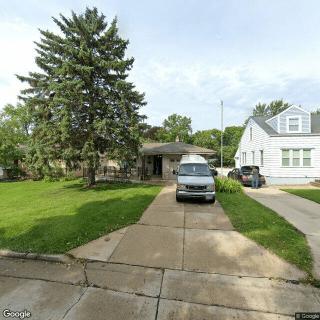

 How and When Medicaid May Cover Assisted Living Costs
 A Detailed Exploration of Assisted Living Medicaid Waivers Across the United States
 Comprehensive Residential Support and Assisted Living Solutions for Individuals with Disabilities