
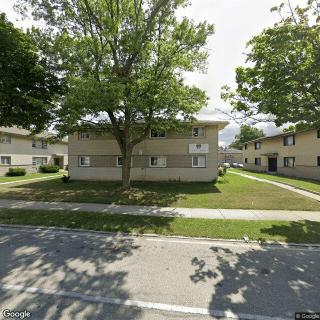
9242 West Thurston Avenue, Milwaukee, WI 53225
For more information about senior living options: (866) 208-4318
Overall Review of Home For All
Cons
 They describe the place as horrible and would not refer it to any senior citizen.
- They describe the new administration as terrible.
Review
This Milwaukee community is best avoided for families seeking reliable, high-quality senior care; it is most defensible to reserve judgment only for situations where every other option has been exhausted. The available signals point to a facility wrestling with leadership and care consistency, not a stable, well-run environment. With an overall two-star impression from a small sample, one five-star outlier and three one-star accounts, the case for choosing Home For All is outsized by risk. In practical terms, the odds favor families pursuing other Milwaukee options that offer steadier governance and clearer care standards.
Who may want to consider alternatives? Those who demand predictable administration, transparent communication, and steady daily care should rule this place out. The repeated phrasing from reviewers, “The place is horrible,” and “New administration is terrible!”, reads like a pattern scratched into the facility’s operating history. For seniors with complex medical needs, fall risk, dementia, or require tightly coordinated care plans, this environment raises too many questions about responsiveness and continuity. Families with options should prioritize facilities where leadership stability is tangible and where residents can expect consistent, attentive oversight.
Key pros, if any, fail to offset the main cons. There may be isolated moments of kindness or decent accommodations on a given day, but these brief positives do not balance the overarching reliability gaps. The lone five-star rating, standing apart from three credible one-star verdicts, is not a dependable signal of sustained quality. In the absence of dependable governance or a track record of improvements, any potential strengths look like exceptions rather than the rule. The practical takeaway is that favorable anecdotes cannot compensate for the persistent concerns raised by multiple reviewers.
The dominant cons center on governance and care delivery. Administration quality appears to drive the entire experience, and frequent leadership changes translate into inconsistent policies, unclear care plans, and slow responses to resident needs. When a facility earns harsh characterizations and the diagnosis that the administration is terrible, the ripple effects touch safety, communication with families, and day-to-day routines. Even with adequate room cleanliness, meals, and safety measures in some moments, the lack of dependable, authoritative oversight erodes trust and makes reliable planning almost impossible for families.
For families weighing options, a disciplined due-diligence approach matters most. Prioritize facilities with verifiable nurse staffing levels, stable leadership, and transparent reporting of incidents and resolutions. Seek current resident and family references, and observe operations during peak activity times, meal service and shift changes, to gauge engagement and responsiveness. Review state inspection history and any remediation plans, not just marketing claims. Demand governance that demonstrates ongoing improvements and a clear path to stable, resident-centered care rather than episodic fixes.
Bottom line: Home For All does not present the reliability, continuity, or leadership stability that most families require when choosing a long-term home. The combination of a low rating, repeated negative feedback about administration, and a lack of clearly documented strengths makes alternatives the prudent path in virtually all scenarios. If options exist, steer toward communities with proven governance, consistent staffing, and demonstrable resident satisfaction. If continuing to evaluate this facility, prepare a rigorous due-diligence plan, insist on concrete timelines for improvements, and establish an explicit exit strategy should red flags persist.
 4 resident community capacity
 Assisted Living
 Board and Care Home
 Memory Care
 Cable or satellite TV
 Dining room
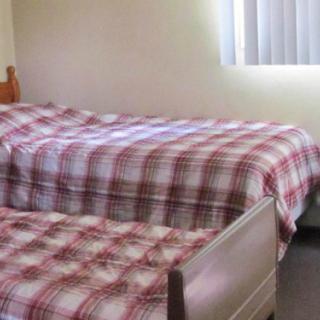
 Fully furnished
 Garden
 Housekeeping services
 Move-in coordination
 Outdoor space
 Telephone
 Wi-Fi/high-speed internet available
 General Mitchell International (14 miles away)
 24-hour supervision
 Activities of daily living assistance
 Assistance with bathing
 Assistance with dressing
 Assistance with transfers
 Diabetes diet
 Hospice waiver
 Meal preparation and service
 Medication management
 Mental wellness program
 Special dietary restrictions
 Transportation arrangement (medical)
 Transportation to doctors appointments
 Intimate 4-resident setting enabling personalized care and comprehensive daily support (24-hour supervision, ADL assistance, meals, and medical transportation).



 Illuminating Insights About Alzheimer's Disease: Ten Crucial Realities
 A Thorough Discussion of Medications Potentially Linked to Dementia Risk
 Why Do Dementia Patients Sleep So Much? Understanding Oversleeping, Stages, and Care Approaches