
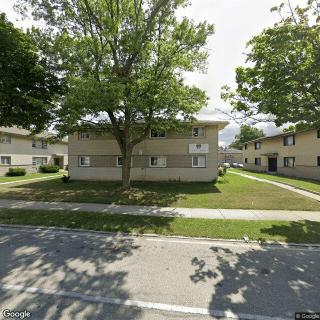
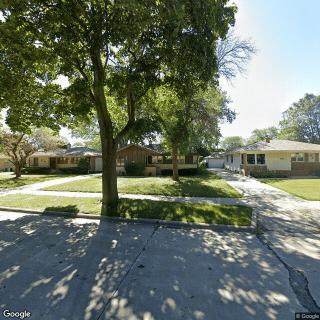
5669 North 93Rd Street, Milwaukee, WI 53225
For more information about senior living options: (866) 208-4318
Overall Review of Helping Hands Adult Family Home
Pros
 They are amazing beyond words.
- They have been unbelievable in helping her care for her husband.
- They deserve heartfelt gratitude.
Cons
 They should stay away as far as possible.
- Their staff is abusive to its patients.
- The director allows such patient abuse.
- They would like to know why the director allows such patient abuse.
Review
Helping Hands Adult Family Home in Milwaukee is best suited for families seeking a small, home-like setting where caregivers deliver highly personal, hands-on attention. The strongest fit is for residents who want daily, consistent interaction with the same small team and value routines tailored to individual preferences. It suits those who prioritize a warm, familial atmosphere over formal clinical programming and who are comfortable taking an active role in supervising care. When a loved one benefits from frequent touchpoints, hands-on assistance, and a sense of intimate oversight, this community can feel like a good match, provided basic safety and governance concerns are addressed up front.
This community may also be reasonable to consider only for particular profiles, namely those who understand the risks tied to a tiny operation and can tolerate a higher variance in experiences. Families that demand transparent, external validation of safety practices, licensing history, and consistent, quantifiable quality measurements should look elsewhere. The best fit does not include residents with complex medical needs requiring regular clinical oversight, high-risk behavior, or memory-care demands that require specialized programming and amplified supervision. In short, those who want a strong personal touch but insist on rigorous, verifiable safeguards should set expectations for alternatives.
The available pros center on the perceived devotion of staff. A positive review highlights staff members who appeared exceptionally committed to supporting a spouse through daily caregiving tasks, suggesting a level of warmth, patience, and hands-on assistance that can be transformative in the right situation. This intimate care edge can offset some limitations of a small home, if the care team is stable, present, and genuinely invested. However, the weight of the cons cannot be ignored. The most troubling feedback paints a stark picture: claims of patient abuse and concerns about the director’s oversight. When abuse is alleged, even a single credible account can erode trust so completely that the perceived benefits of a personal approach fail to justify the risk. The 2.8 overall rating, derived from four reviews with two one-stars, underscores how fragile that balance is and how rapidly a favorable narrative can be undermined by safety concerns.
Given the severity of abuse allegations, a rigorous due-diligence plan is essential. Prospective clients should request current licensing and inspection records from the Wisconsin Department of Safety and Professional Services or the Department of Health Services, and probe for any history of complaints or citations. Ask for a transparent staff-to-resident ratio and a clear, written care plan for the specific needs of the loved one. Seek an in-person tour intended to observe daily interactions, not just policies, and insist on speaking with multiple staff members and supervisors about how abuse allegations are handled, escalated, and resolved. Request recent references from families with similar care needs and consider arranging independent third-party assessments of care quality.
If exploring alternatives, prioritize facilities with demonstrably stronger governance and safety monitoring. Larger, licensed assisted living communities or nursing-style facilities can provide more formal oversight, regular clinical staff on-site, and clearer channels for reporting concerns. Other adult family homes with stable management and verifiable safety records can offer a middle ground, maintaining intimacy while delivering more robust governance. For families preferring in-home options, home health agencies paired with an adult family home that has strong oversight can create a safety net that balances personal attention with measurable accountability.
Ultimately, the decision hinges on balancing emotional reassurance against tangible safety risks. If families can insist on visible, ongoing governance, strict abuse-prevention policies, transparent reporting, and proactive supervisory oversight, there is a pathway where Helping Hands could be workable. Without those guarantees, the risk to a vulnerable loved one, elevated by serious abuse allegations and governance concerns, outweighs the potential benefits of a cozy, family-style setting. The prudent choice is to pursue options with validated safety records and clear, enforceable protections, and to treat Helping Hands as a facility to scrutinize rather than a default recommendation.
 4 resident community capacity
 Assisted Living
 Cable or satellite TV
 Dining room
 Fully furnished
 Garden
 Housekeeping services
 Move-in coordination
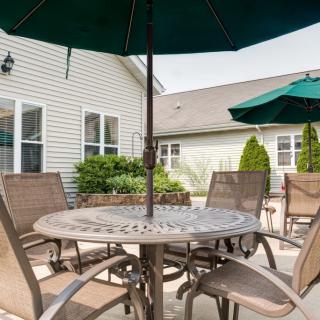
 Outdoor space
 Telephone
 Wi-Fi/high-speed internet available
 General Mitchell International (14 miles away)
 24-hour supervision
 Activities of daily living assistance
 Assistance with bathing
 Assistance with dressing
 Assistance with transfers
 Diabetes diet
 Meal preparation and service
 Medication management
 Special dietary restrictions
 Transportation arrangement (medical)
 Transportation to doctors appointments



 Understanding Medicaid Coverage for Assisted Living: A Comprehensive Guide
 How and When Medicaid May Cover Assisted Living Costs
 A Detailed Exploration of Assisted Living Medicaid Waivers Across the United States