Albertine House I

7925 North River View Ct A, Milwaukee, WI 53224

For more information about senior living options: (844) 490-3973

2.3 from 3 reviews
5 stars
1
4 stars
0
3 stars
0
2 stars
0
1 stars
2

Assisted Living

What level of care are you interested in?

Assisted Living

Memory Care

Independent Living

Skilled Nursing Facility

Continuing Care Retirement Community (CCRC)CCRC

Other


Request a tour at Albertine House I

    Overall Review of Albertine House I

    Pros

    • pro They love their mother.
    • pro They are taking care of their mother on their own.

    Cons

    • pro The company is poorly managed.
    • pro The caregiver used the mother's debit card.
    • pro The background check on the caregiver was never completed.
    • pro The caregiver rarely shows up to work.
    • pro The caregiver lied about the reviewer getting their job back at Pine View.
    • pro The reviewer is caring for their mother alone and feels unsupported.
    • pro The reviewer notes that others receive compensation for caregiving, while they do not.
    • pro The reviewer believes the service does not deserve any stars.

    Review

    This account paints a picture of a care company that is described as poorly managed, with a pattern of failures that extend from financial trust to basic reliability. The writer speaks with a sense of betrayal, focused on how the care for a mother was mishandled in ways that feel indisputable and ongoing. The overarching impression is that the person trusted the organization to provide safe, consistent support, only to encounter a cascade of problems that undermined that trust from the start.

    First, the reviewer highlights a specific and troubling incident: a caretaker allegedly used the mother's debit card. This claim frames the entire experience as not just a service failure but a potential breach of personal financial security. The language suggests that there was no proper guardrail or accountability around access to sensitive financial information, turning what should have been a straightforward in-home care arrangement into a source of serious concern about misuse of money and privacy.

    Another major concern raised is the absence of proper screening. The reviewer states plainly that the background check was never completed on the caregiver. This omission is presented as a fundamental risk to the elderly person receiving care, implying that someone with insufficient verification was granted access to the home and the person in need. The lack of due diligence is framed as a core flaw in the company's operations, casting doubt on any assurances about safety, professionalism, or accountability.

    Reliability and honesty are also questioned. The caregiver, according to the reviewer, "never comes to work," suggesting a chronic pattern of unreliability and neglect. Worse, the caregiver purportedly lied about circumstances surrounding employment, claiming the reviewer had "got my job back at Pine view." The inconsistency between what was said and what was happening on the ground creates a narrative of deceit that erodes trust and makes it nearly impossible for the family to plan or rely on support when it's needed most.

    The personal impact of these failures is laid bare. The writer explains that they are "taking care of my mom all on my own," effectively bearing the burden without the expected assistance from the care company. There is a sense of unequal treatment, as the writer notes that "everyone else gets some kind of money for taking care of their loved ones," while they do not receive comparable support. This contrast underscores feelings of unfairness and abandonment, intensifying the sense that the system is tilted away from those it is meant to serve.

    Despite the love and devotion the writer expresses for their mother - "I love my mam" - there is a clear, bottom-line sentiment about the service they received. The frustration culminates in a blunt conclusion: the service and the staff do not deserve any stars. This closing line encapsulates a verdict that the care experience was not merely unsatisfactory but unacceptable, reflecting a deep disappointment in the company's ability to fulfill its most basic obligations.

    Taken together, the review presents a narrative of compromised safety, insufficient screening, inconsistent caregiving, and an uneven distribution of support within the family's caregiving responsibilities. The mother remains the central figure in this account, with the writer bearing most of the burden and expressing a strong call for accountability. The tone is persistent and personal, signaling a demand for systemic change rather than a complaint about a single minor lapse.

    In the end, the message communicates more than individual grievances; it conveys a warning about trust, safety, and fairness in elder care services. The emphasis on financial missteps, lack of verification, and missed commitments points to a broader critique of how such providers are managed and regulated. For anyone relying on similar services, the account serves as a reminder to scrutinize screening processes, verify financial safeguards, and insist on consistent, transparent communication and accountability from caregivers and agencies alike.

    Features

    Housing

    • 4 resident community capacity 4 resident community capacity

    Types of Care

    • Assisted Living Assisted LivingAssisted living facilities provide crucial support and care for seniors who may need help with daily tasks such as medication management, bathing, and meal preparation. These communities offer a safe and comfortable environment where seniors can maintain their independence while receiving the assistance they need to thrive in their golden years.

    Amenities

    • Cable or satellite TV Cable or satellite TVCable or satellite TV is important for seniors because it provides entertainment, news, and companionship, helping to combat loneliness and boredom. It also offers a wide range of programming options tailored to different interests and preferences.
    • Dining room Dining roomDining rooms are important for seniors as they provide a space for socialization, connection, and nutritious meals. They offer opportunities for residents to bond over shared meals, foster a sense of community, and promote healthy eating habits. Dining rooms also ensure that seniors have access to well-balanced meals tailored to their dietary needs and preferences.
    • Fully furnished Fully furnishedFully furnished senior living communities are important for seniors because they provide convenience, comfort, and a hassle-free moving experience. Seniors can easily settle into their new living space without the stress of having to buy and move furniture. This allows them to focus on enjoying their new home and community.
    • Garden GardenGardens are important for seniors as they provide a peaceful and therapeutic environment for relaxation, physical activity, and socialization. Being in nature has been shown to reduce stress, improve mood, and promote overall well-being. Gardens also offer opportunities for seniors to engage in gardening activities, which can improve mobility, flexibility, and cognitive function. Additionally, gardens create a sense of community and connection with others who share a passion for plants and outdoor spaces.
    • Housekeeping services Housekeeping servicesHousekeeping services are important for seniors because they help maintain a clean and safe living environment, promote independence, and reduce the risk of accidents or illnesses. Additionally, having assistance with household chores can alleviate physical strain and allow seniors to focus on other aspects of their well-being.
    • Move-in coordination Move-in coordinationMove-in coordination is important for seniors because it helps ease the transition into their new living environment. It ensures that all logistics, such as packing, organizing movers, and setting up utilities are taken care of, allowing seniors to focus on settling in and adjusting to their new home. Having a smooth move-in process can alleviate stress and anxiety, making the transition smoother and more enjoyable for seniors.
    • Outdoor space Outdoor spaceOutdoor spaces are important for seniors as they provide opportunities for physical activity, social interaction, exposure to natural light and fresh air, and a sense of connection to nature. Having access to outdoor spaces can improve overall well-being and quality of life for older adults living in senior communities.
    • Telephone TelephoneTelephones are important for seniors as they provide a lifeline for communication with loved ones, emergency services, and healthcare providers. They offer a sense of security and independence, enabling seniors to stay connected and access assistance when needed.
    • Wi-Fi/high-speed internet available Wi-Fi/high-speed internet availableWi-Fi/high-speed internet is important for seniors to stay connected with loved ones, access online resources, and participate in virtual activities to combat feelings of loneliness and isolation. It also allows them to easily manage healthcare needs, access entertainment, and engage in lifelong learning opportunities.

    Transportation

    • General Mitchell International (16 miles away) General Mitchell International (16 miles away)

    Care Services

    • 24-hour supervision 24-hour supervision24-hour supervision is important for seniors to ensure their safety, well-being, and access to immediate assistance in case of emergencies or health issues. This constant support provides peace of mind for both seniors and their loved ones, allowing them to age in place with dignity and security.
    • Activities of daily living assistance Activities of daily living assistanceActivities of daily living assistance are important for seniors because they provide essential support with tasks such as eating, bathing, dressing, and mobility. This assistance helps seniors maintain their independence, dignity, and overall quality of life as they age.
    • Assistance with bathing Assistance with bathingAssistance with bathing is crucial for seniors as it helps maintain personal hygiene, prevents infections, and ensures their overall well-being and comfort. It also provides a sense of dignity and independence for seniors who may struggle with this task on their own.
    • Assistance with dressing Assistance with dressingAssistance with dressing is important for seniors because it helps maintain their independence, promotes personal hygiene, prevents accidents and injuries, and improves overall quality of life. This service ensures that seniors can continue to dress comfortably and confidently, despite any physical limitations they may have.
    • Assistance with transfers Assistance with transfersAssistance with transfers is crucial for seniors as it helps prevent falls and injuries, maintains their independence, and ensures they can safely navigate their living environment. It also provides peace of mind for both seniors and their loved ones.
    • Coordination with health care providers Coordination with health care providersCoordination with health care providers is crucial for seniors to ensure proper medical care, medication management, and overall well-being. This collaboration helps prevent overlapping treatments, track progress more effectively, and provide comprehensive support tailored to individual needs.
    • Diabetes diet Diabetes dietA diabetes diet is crucial for seniors as it helps manage blood sugar levels, reduce risks of complications, and improve overall health and well-being. By following a balanced and nutritious diet tailored to their specific needs, seniors can better control their diabetes and enhance their quality of life.
    • Meal preparation and service Meal preparation and serviceMeal preparation and service are crucial for seniors as they may have limited mobility or energy to cook nutritious meals. Having access to healthy and convenient food options can ensure they are getting the proper nutrition needed to maintain their overall health and well-being.
    • Medication management Medication managementMedication management is crucial for seniors to ensure they are taking the right medications at the correct dosages and times. This helps prevent adverse drug interactions, reduces the risk of medication errors, and promotes overall health and well-being. Proactive management also allows for adjustments as needed based on changing health conditions or new prescriptions.
    • Special dietary restrictions Special dietary restrictionsSpecial dietary restrictions are important for seniors because age-related changes in metabolism and health conditions can make it difficult for their bodies to process certain foods. By following a diet tailored to their specific needs, seniors can maintain their overall health and well-being, manage chronic conditions, and reduce the risk of complications such as malnutrition or food interactions with medications.
    • Transportation arrangement (medical) Transportation arrangement (medical)Transportation arrangements for medical purposes are essential for seniors as they may have difficulty driving themselves to appointments or accessing public transportation. Having reliable and safe transportation options ensures that seniors can receive timely medical care and maintain their health and well-being.
    • Transportation to doctors appointments Transportation to doctors appointmentsTransportation to doctors' appointments is crucial for seniors as it ensures they have access to necessary medical care and support for their health needs. Without reliable transportation, seniors may struggle to attend important appointments, leading to potential delays in treatment and health complications. Providing transportation services helps seniors maintain their overall well-being and quality of life.
    Dining

    • Diabetes diet Diabetes dietA diabetes diet is crucial for seniors as it helps manage blood sugar levels, reduce risks of complications, and improve overall health and well-being. By following a balanced and nutritious diet tailored to their specific needs, seniors can better control their diabetes and enhance their quality of life.
    • Special dietary restrictions Special dietary restrictionsSpecial dietary restrictions are important for seniors because age-related changes in metabolism and health conditions can make it difficult for their bodies to process certain foods. By following a diet tailored to their specific needs, seniors can maintain their overall health and well-being, manage chronic conditions, and reduce the risk of complications such as malnutrition or food interactions with medications.

    Activities

    • Community-sponsored activities Community-sponsored activitiesCommunity-sponsored activities are important for seniors as they provide opportunities for social interaction, mental stimulation, and physical activity. These activities can help improve overall well-being, combat loneliness and isolation, and promote a sense of belonging and purpose among older adults.
    • Scheduled daily activities Scheduled daily activitiesScheduled daily activities are important for seniors because they provide structure, socialization, mental stimulation, and physical activity. Engaging in regular activities can improve overall well-being and quality of life for seniors living in a community setting.

    Description

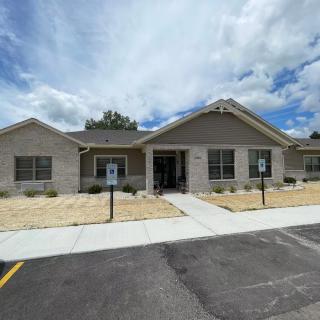
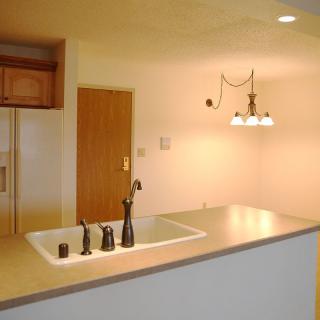
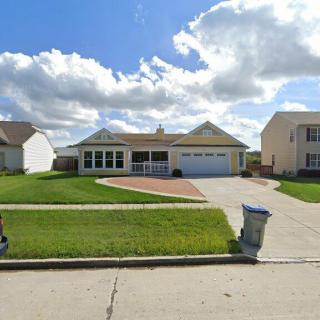
    Albertine House I is an inviting and fully furnished assisted living community located in the vibrant city of Milwaukee, WI. Our residents enjoy a wide range of amenities and services designed to provide comfort, convenience, and peace of mind.

    Our dining room offers delicious meals prepared by our skilled chefs while accommodating special dietary restrictions. Residents can also enjoy the beautiful outdoor spaces for relaxation and socialization. Additionally, housekeeping services ensure a clean and tidy environment at all times.

    We understand the importance of maintaining an active lifestyle, which is why we offer a variety of daily activities for our residents to participate in. From engaging social events to stimulating games and exercises, there is always something exciting happening at Albertine House I.

    When it comes to care services, we go above and beyond to meet the individual needs of each resident. Our dedicated staff provides assistance with activities of daily living such as bathing, dressing, and transfers. We also offer coordination with health care providers for seamless medical care management. For residents with specific dietary needs or restrictions, our team ensures their nutritional requirements are met.

    Transportation arrangements are available for medical appointments, allowing our residents to easily access necessary healthcare services. In addition to nearby cafes, parks, pharmacies, restaurants, places of worship, and hospitals surrounding our community, we strive to provide convenience in every aspect of our residents' lives.

    At Albertine House I in Milwaukee, WI, we prioritize the wellbeing and happiness of our residents by offering exceptional care services alongside an array of amenities that foster a sense of community and belonging.

    Nearby Places of Interest

    Pharmacies

    • Walgreens (0.9 miles)
    • Walgreens (2.2 miles)
    • Walgreens (2.6 miles)
    • Walgreens (3.4 miles)
    • CVS Pharmacy (3.7 miles)
    • Walgreens (3.8 miles)
    • Walgreens (3.8 miles)

    Hospitals

    • Ambulatory EEG Recordings (1.2 miles)
    • Rogers Memorial Hospital (3.6 miles)
    • Wheaton Franciscan - St. Joseph Campus (6.6 miles)

    Restaurants

    • Wendy's (1.4 miles)
    • McDonald's (1.5 miles)
    • Taco Bell (1.6 miles)
    • McDonald's (1.6 miles)
    • Family Table Restaurant (2.3 miles)
    • Papa John's Pizza (3.3 miles)
    • Wendy's (3.6 miles)

    Cafes

    • Starbucks (1.7 miles)
    • Starbucks (3.9 miles)
    • Starbucks (6.1 miles)
    • Panera Bread (6.7 miles)
    • Starbucks (6.8 miles)

    Transportation

    • U-Haul Moving & Storage (2.5 miles)

    Parks

    • A C Hanson Park (2.6 miles)
    • Algonquin Park (2.8 miles)
    • Brown Deer Park (4.1 miles)
    • Kinderberg Park (4.7 miles)
    • Thiensville Village Park (5.5 miles)
    • Imperial Estate Park (6.9 miles)
    • Mequon Rotary Park (7.3 miles)

    Places of Worship

    • Redemption Lutheran Church (3.3 miles)
    • Northwest Baptist Church (4.5 miles)

    Physicians

    • Froedtert Orthopaedic, Sports and Spine Center (4 miles)
    • Aurora Nephrology (4.2 miles)
    • Town Hall Health Center (5.1 miles)
    • Wheaton Franciscan Medical Group (5.6 miles)
    • Aurora Advanced Healthcare (5.8 miles)
    • Froedtert Germantown Health Center (6.1 miles)
    • Rheumatic Disease Center (6.1 miles)

    Theaters

    • Menomonee Falls Cinema Menomonee Falls, Wi (5.5 miles)
    • North Shore Cinema Mequon, Wi (7.3 miles)

    Frequently Asked Questions

    Where is Albertine House I?

    Nearby Communities

    Related Resources

    • does medicare pay for assisted livingMedicare Coverage for Assisted Living: An In-Depth Exploration

      Medicare does not cover assisted living costs, as it focuses on acute medical needs and short-term care, with exceptions for certain medically necessary services like physical therapy. Individuals must explore other options such as Medicaid, veterans' benefits, or long-term care insurance to manage these expenses effectively.

    • assisted living vs nursing homeChoosing the Right Senior Care: A Detailed Exploration of Assisted Living and Nursing Homes

      Choosing between assisted living and nursing homes involves evaluating emotional and financial factors, with assisted living offering independence and support for daily activities at a lower cost, while nursing homes provide intensive medical care for individuals with significant health needs. The decision is influenced by personal preferences, health status, cognitive function, and varying Medicaid coverage across states.

    • assisted living costUnderstanding the True Cost of Assisted Living in 2025: A Comprehensive Guide

      Assisted living in 2025 offers a crucial balance of independence and support for seniors, with costs varying from $2,500 to over $7,000 per month based on factors such as location and care level. Understanding pricing complexities, including regional differences and potential hidden fees, is essential for families to plan financially while ensuring quality care for their loved ones.


    Get Pricing Ask A Question Schedule A Tour Contact Senior Advisor