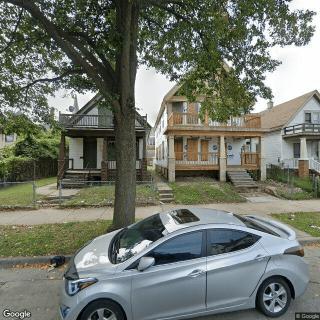
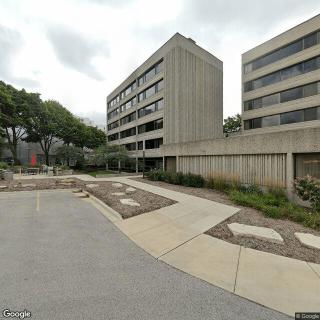
Abundant Living Care Adult Family Home

2721 North 18 Th Street, Milwaukee, WI 53206

For more information about senior living options: (844) 490-3973

5 from 15 reviews
5 stars
15
4 stars
0
3 stars
0
2 stars
0
1 stars
0

Assisted Living Board and Care Home Memory Care

Overall Review of Abundant Living Care Adult Family Home

Pros

  • pro Abundant Life is described as a welcoming and pleasant place where Fiona, Yang, and the staff treat residents with compassion, tenderness, and dignity.
  • pro The caregivers keep families informed daily about residents' health, making them feel included and reassured.
  • pro Residents receive daily care - bathing, grooming, feeding, and social stimulation - and their quality of life is consistently supported.
  • pro The home offers thoughtful innovations and personalized care, including meals tailored to special diets and individualized attention.
  • pro Families feel that Fiona, Yang, and the staff are like family and treat their loved ones with respect and genuine care.
  • pro The care is diligent and proactive, with wound management, medication coordination, and adherence to doctors' recommendations, accompanied by regular communications about changes.
  • pro The atmosphere is clean, peaceful, and home-like, with activities and entertainment that keep residents engaged and dignified.
  • pro Reviews express deep gratitude, describing Abundant Life as more than a facility - truly a loving, home-like environment.

Cons

  • pro She was so weak due to low care at the previous facility.
  • pro Prior to arrival at Abundant Care, Mom had a significant wound that neither the previous home nor the doctors had been successful in treating.

Review

Across many years and across several family members, Abundant Life Lynnwood Adult Family Home has consistently stood out as a place where care feels personal, attentive, and genuinely homelike. Families describe Fiona and Yang, along with their devoted staff, as the heartbeat of the home - people who treat residents with compassion, tenderness, dignity, and a sense of belonging. The tone is warm, the routines are thoughtfully designed, and the atmosphere is described time and again as welcoming, pleasant, and safe.

The care is detailed and meticulous, especially when it comes to daily needs and health monitoring. For a 94-year-old mother who faced bladder cancer and recurrent UTIs, the routine included daily bathing and grooming, regular meals, and daily social stimulation - activities that helped ease anxiety for the whole family. What stood out was the way the staff "never skipped a beat," maintaining vigilance, providing clear daily updates, and keeping families informed about every up and down in health. The sense of reassurance that families felt came from consistent communication and proactive involvement in medical needs.

The care extends beyond the basics to thoughtful innovations and a strong emphasis on the resident's quality of life. One family moved their sister from another facility to Abundant Life Lynwood and noticed immediate improvements - an environment that felt more like a home than a typical care setting. Innovations such as a specially designed glass to aid drinking and a host of other adaptive supports demonstrated attention to comfort and independence. Hospice nurses and social workers who visited were impressed by the level of care, and families observed that the decline from Alzheimer's could be slowed through a combination of personalized attention, meaningful engagement, and gentle daily routines. The home is described as loving, happy, and clean, a place where residents are treated like family and where the care goes hand in hand with entertainment and companionship.

Communication and family involvement are central to the experience. Residents are not only cared for; they are kept connected to their loved ones through regular updates, photos, and notes. Families recount receiving timely calls or texts whenever there was a concern or a health change, often accompanied by cheerful pictures of their loved ones. The social fabric of the home includes weekly music and activities, guest performers, and regular celebrations of birthdays and holidays, which helps residents stay engaged and connected to life outside their medical needs. The staff's commitment to meeting medical and physical needs daily is highlighted repeatedly, with phrases like "meticulous in ensuring" care and "dedicated, respectful and loving" attention to each resident.

Several stories illustrate the depth of care and the extraordinary steps staff will take to heal and comfort. One resident arrived with a significant wound that other facilities had not managed successfully; Yang went beyond the call of duty, performing careful wound care and dressing changes several times a day for months until it healed. Such examples underscore a broader pattern: the staff's willingness to go the extra mile to ensure comfort, healing, and dignity. For families who live far away - sometimes more than two hours away - the reliable updates, the sense of partnership with the care team, and the feeling that they could trust their loved ones' daily life at Abundant Life are invaluable.

End-of-life experiences are handled with grace and respect as well. In one poignant case, a mother nearing 105 on Christmas Eve received care that honored her life and provided comfort to the family during a difficult time. The process was described as gentle and generous, leaving the family with lasting gratitude for the compassionate care their loved one received. Across other stories, the sense of "family" is a recurring motif: Fiona and her family are said to have become part of many families themselves, with the care center feeling more like a home than an institution.

The home's environment reinforces its strengths: spacious, lovely interiors, a welcoming cul-de-sac location, and a reputation for reasonable costs that still reflect high-quality care. Residents who are physically vulnerable - paralyzed or wheelchair-bound, with intact mental faculties - receive individualized care plans that respect dignity, minimize discomfort, and prevent common complications like bedsore formation. In several accounts, families emphasize that their loved ones were kept calm, engaged, and supported in maintaining their personality and preferences, despite the challenges of aging and illness.

Overall, the stories converge on a single, powerful theme: Abundant Life Lynnwood AFH is more than a place to stay - it is a home. Fiona and Yang, along with their team, cultivate an environment where residents are cherished as family, where staff anticipate needs, where medical coordination and daily living activities coexist with warmth and joy, and where families feel welcomed, informed, and reassured. For many families, Abundant Life has been a blessing - an anchor during difficult times and a source of gratitude that endures long after their loved ones' days there have passed. The sentiment is clear: this is a home that families trust, values, and keeps at the center of their loved ones' lives.

Features

Housing

  • 4 resident community capacity 4 resident community capacity

Types of Care

  • Assisted Living Assisted LivingAssisted living facilities provide crucial support and care for seniors who may need help with daily tasks such as medication management, bathing, and meal preparation. These communities offer a safe and comfortable environment where seniors can maintain their independence while receiving the assistance they need to thrive in their golden years.
  • Board and Care Home Board and Care HomeBoard and care homes provide a smaller, more intimate setting for seniors who require assistance with daily tasks but do not need the level of care offered by a nursing home. They offer personalized care, meals, and social activities in a homelike environment, ensuring that seniors receive individualized attention and support in their golden years.
  • Memory Care Memory CareMemory care is crucial for seniors as it provides specialized support and services for individuals with dementia or Alzheimer's disease. These programs offer a safe and secure environment where residents receive personalized care, cognitive stimulation, and help with daily activities. Memory care helps seniors maintain their independence, quality of life, and dignity while also providing peace of mind for their families.

Amenities

  • Cable or satellite TV Cable or satellite TVCable or satellite TV is important for seniors because it provides entertainment, news, and companionship, helping to combat loneliness and boredom. It also offers a wide range of programming options tailored to different interests and preferences.
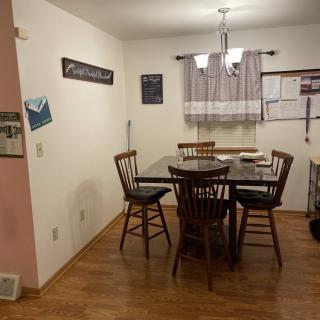
  • Dining room Dining roomDining rooms are important for seniors as they provide a space for socialization, connection, and nutritious meals. They offer opportunities for residents to bond over shared meals, foster a sense of community, and promote healthy eating habits. Dining rooms also ensure that seniors have access to well-balanced meals tailored to their dietary needs and preferences.
  • Fully furnished Fully furnishedFully furnished senior living communities are important for seniors because they provide convenience, comfort, and a hassle-free moving experience. Seniors can easily settle into their new living space without the stress of having to buy and move furniture. This allows them to focus on enjoying their new home and community.
  • Garden GardenGardens are important for seniors as they provide a peaceful and therapeutic environment for relaxation, physical activity, and socialization. Being in nature has been shown to reduce stress, improve mood, and promote overall well-being. Gardens also offer opportunities for seniors to engage in gardening activities, which can improve mobility, flexibility, and cognitive function. Additionally, gardens create a sense of community and connection with others who share a passion for plants and outdoor spaces.
  • Housekeeping services Housekeeping servicesHousekeeping services are important for seniors because they help maintain a clean and safe living environment, promote independence, and reduce the risk of accidents or illnesses. Additionally, having assistance with household chores can alleviate physical strain and allow seniors to focus on other aspects of their well-being.
  • Move-in coordination Move-in coordinationMove-in coordination is important for seniors because it helps ease the transition into their new living environment. It ensures that all logistics, such as packing, organizing movers, and setting up utilities are taken care of, allowing seniors to focus on settling in and adjusting to their new home. Having a smooth move-in process can alleviate stress and anxiety, making the transition smoother and more enjoyable for seniors.
  • Outdoor space Outdoor spaceOutdoor spaces are important for seniors as they provide opportunities for physical activity, social interaction, exposure to natural light and fresh air, and a sense of connection to nature. Having access to outdoor spaces can improve overall well-being and quality of life for older adults living in senior communities.
  • Telephone TelephoneTelephones are important for seniors as they provide a lifeline for communication with loved ones, emergency services, and healthcare providers. They offer a sense of security and independence, enabling seniors to stay connected and access assistance when needed.
  • Wi-Fi/high-speed internet available Wi-Fi/high-speed internet availableWi-Fi/high-speed internet is important for seniors to stay connected with loved ones, access online resources, and participate in virtual activities to combat feelings of loneliness and isolation. It also allows them to easily manage healthcare needs, access entertainment, and engage in lifelong learning opportunities.

Transportation

  • General Mitchell International (9 miles away) General Mitchell International (9 miles away)

Care Services

  • 24-hour supervision 24-hour supervision24-hour supervision is important for seniors to ensure their safety, well-being, and access to immediate assistance in case of emergencies or health issues. This constant support provides peace of mind for both seniors and their loved ones, allowing them to age in place with dignity and security.
  • Activities of daily living assistance Activities of daily living assistanceActivities of daily living assistance are important for seniors because they provide essential support with tasks such as eating, bathing, dressing, and mobility. This assistance helps seniors maintain their independence, dignity, and overall quality of life as they age.
  • Assistance with bathing Assistance with bathingAssistance with bathing is crucial for seniors as it helps maintain personal hygiene, prevents infections, and ensures their overall well-being and comfort. It also provides a sense of dignity and independence for seniors who may struggle with this task on their own.
  • Assistance with dressing Assistance with dressingAssistance with dressing is important for seniors because it helps maintain their independence, promotes personal hygiene, prevents accidents and injuries, and improves overall quality of life. This service ensures that seniors can continue to dress comfortably and confidently, despite any physical limitations they may have.
  • Assistance with transfers Assistance with transfersAssistance with transfers is crucial for seniors as it helps prevent falls and injuries, maintains their independence, and ensures they can safely navigate their living environment. It also provides peace of mind for both seniors and their loved ones.
  • Coordination with health care providers Coordination with health care providersCoordination with health care providers is crucial for seniors to ensure proper medical care, medication management, and overall well-being. This collaboration helps prevent overlapping treatments, track progress more effectively, and provide comprehensive support tailored to individual needs.
  • Dementia waiver Dementia waiverDementia waivers are essential for seniors as they provide critical protections and accommodations for those experiencing cognitive decline. These waivers ensure individuals with dementia receive appropriate care, support, and resources to maintain their quality of life and dignity as they navigate the challenges of this progressive condition.
  • Diabetes diet Diabetes dietA diabetes diet is crucial for seniors as it helps manage blood sugar levels, reduce risks of complications, and improve overall health and well-being. By following a balanced and nutritious diet tailored to their specific needs, seniors can better control their diabetes and enhance their quality of life.
  • Hospice waiver Hospice waiverHospice waivers are important for seniors because they allow individuals to receive specialized end-of-life care and support at home or in a hospice facility. This waiver ensures that seniors can access the necessary resources and services to maintain comfort and dignity during their final days.
  • Meal preparation and service Meal preparation and serviceMeal preparation and service are crucial for seniors as they may have limited mobility or energy to cook nutritious meals. Having access to healthy and convenient food options can ensure they are getting the proper nutrition needed to maintain their overall health and well-being.
  • Medication management Medication managementMedication management is crucial for seniors to ensure they are taking the right medications at the correct dosages and times. This helps prevent adverse drug interactions, reduces the risk of medication errors, and promotes overall health and well-being. Proactive management also allows for adjustments as needed based on changing health conditions or new prescriptions.
  • Mental wellness program Mental wellness programMental wellness programs are essential for seniors as they promote cognitive stimulation, emotional support, and social engagement. These programs help prevent isolation, depression, and cognitive decline, ultimately enhancing the overall quality of life for older adults.
  • Mild cognitive impairment Mild cognitive impairment"Mild cognitive impairment" is important for seniors because it is an early stage of cognitive decline that can potentially progress to more severe conditions such as dementia. Recognizing and addressing mild cognitive impairment can help seniors receive appropriate care and support to maintain their quality of life and independence for as long as possible.
  • Special dietary restrictions Special dietary restrictionsSpecial dietary restrictions are important for seniors because age-related changes in metabolism and health conditions can make it difficult for their bodies to process certain foods. By following a diet tailored to their specific needs, seniors can maintain their overall health and well-being, manage chronic conditions, and reduce the risk of complications such as malnutrition or food interactions with medications.
  • Specialized memory care programming Specialized memory care programmingSpecialized memory care programming is crucial for seniors with cognitive impairments such as dementia or Alzheimer's disease. These programs provide a safe and supportive environment tailored to the unique needs of individuals with memory loss, helping them maintain their independence, dignity, and quality of life.
  • Transportation arrangement (medical) Transportation arrangement (medical)Transportation arrangements for medical purposes are essential for seniors as they may have difficulty driving themselves to appointments or accessing public transportation. Having reliable and safe transportation options ensures that seniors can receive timely medical care and maintain their health and well-being.
  • Transportation to doctors appointments Transportation to doctors appointmentsTransportation to doctors' appointments is crucial for seniors as it ensures they have access to necessary medical care and support for their health needs. Without reliable transportation, seniors may struggle to attend important appointments, leading to potential delays in treatment and health complications. Providing transportation services helps seniors maintain their overall well-being and quality of life.
Dining

  • Diabetes diet Diabetes dietA diabetes diet is crucial for seniors as it helps manage blood sugar levels, reduce risks of complications, and improve overall health and well-being. By following a balanced and nutritious diet tailored to their specific needs, seniors can better control their diabetes and enhance their quality of life.
  • Special dietary restrictions Special dietary restrictionsSpecial dietary restrictions are important for seniors because age-related changes in metabolism and health conditions can make it difficult for their bodies to process certain foods. By following a diet tailored to their specific needs, seniors can maintain their overall health and well-being, manage chronic conditions, and reduce the risk of complications such as malnutrition or food interactions with medications.

Activities

  • Community-sponsored activities Community-sponsored activitiesCommunity-sponsored activities are important for seniors as they provide opportunities for social interaction, mental stimulation, and physical activity. These activities can help improve overall well-being, combat loneliness and isolation, and promote a sense of belonging and purpose among older adults.
  • Scheduled daily activities Scheduled daily activitiesScheduled daily activities are important for seniors because they provide structure, socialization, mental stimulation, and physical activity. Engaging in regular activities can improve overall well-being and quality of life for seniors living in a community setting.

Description

Abundant Living Care Adult Family Home is an exceptional assisted living community located in Milwaukee, WI. Our community offers high-quality care services for seniors requiring board and care home assistance, as well as specialized memory care support. We strive to create a warm and welcoming environment where residents feel right at home.

Our amenities are designed with the comfort and convenience of our residents in mind. They include a spacious dining room where nutritious meals are served, fully furnished accommodations to ensure a comfortable stay, and beautiful outdoor spaces such as a garden for residents to enjoy fresh air and nature. Additionally, we provide housekeeping services to maintain the cleanliness of our community.

We understand that moving can be stressful, especially for seniors. That's why we offer move-in coordination services to guide our residents through the process seamlessly. Residents can also stay connected with friends and family through telephone service and Wi-Fi/high-speed internet access.

At Abundant Living Care, our dedicated staff is committed to providing personalized care tailored to the unique needs of each resident. We offer assistance with daily activities such as bathing, dressing, and transfers while ensuring coordination with healthcare providers for comprehensive care. Our team is experienced in dementia care and has specific programming in place to support those with memory impairments.

Nutrition plays a vital role in overall well-being, which is why we cater to special dietary restrictions including diabetes diets. Our expert chefs prepare delicious and nutritious meals according to individual needs. Medication management is also available to ensure residents receive their prescriptions accurately and on time.

We believe that mental wellness is equally important as physical health. Therefore, we have developed mental wellness programs that promote cognitive engagement among our residents, including those with mild cognitive impairments.

Transportation arrangement services are offered for medical appointments or other necessary trips outside the community. Furthermore, there are several nearby facilities such as cafes, parks, pharmacies, physicians' offices, restaurants, places of worship, and hospitals that provide convenience and enhance the quality of life for our residents.

At Abundant Living Care Adult Family Home, we are dedicated to providing compassionate care and creating an environment where seniors can thrive. Contact us today to learn more about our exceptional assisted living community in Milwaukee, WI.

Nearby Places of Interest

Pharmacies

  • Walgreens (1.1 miles)
  • Metro Market Pharmacy (2.3 miles)
  • Walgreens (2.3 miles)
  • Walgreens (2.3 miles)
  • Walgreens (2.4 miles)
  • Walgreens (2.5 miles)
  • CVS Pharmacy (2.5 miles)

Restaurants

  • Company Brewing (1.7 miles)
  • Veggas Pub (1.8 miles)
  • The Tracks (1.9 miles)
  • Casablanca (2 miles)
  • Glorioso's Italian Market (2.1 miles)
  • McDonald's (2.1 miles)
  • Jamo's (2.3 miles)

Hospitals

  • Aurora Sinai Medical Center (1.8 miles)
  • Wheaton Franciscan - St. Joseph Campus (2.1 miles)
  • Aurora Psychiatric Hospital (4 miles)
  • Froedtert Pavilion (4.7 miles)
  • Aurora St Luke's Medical Center (5.5 miles)

Parks

  • Red Arrow Park (2.2 miles)
  • Kern Park (2.3 miles)
  • Estabrook Park (2.6 miles)
  • Lakeshore State Park (3 miles)
  • Paliafito Park (3.4 miles)
  • Henry Maier Festival Park (3.4 miles)
  • Atwater Park (3.5 miles)

Transportation

  • Milwaukee Intermodal Station (2.5 miles)

Cafes

  • Colectivo Lakefront (2.7 miles)
  • Starbucks (3.8 miles)
  • Starbucks (4.6 miles)
  • Colectivo Coffee (4.8 miles)
  • Starbucks (5.2 miles)
  • Starbucks (5.5 miles)

Places of Worship

  • Honey Creek Church (4.6 miles)
  • Redemption Lutheran Church (4.7 miles)
  • Northwest Baptist Church (5 miles)

Physicians

  • Froedtert Clinical Cancer Center (4.8 miles)
  • Froedtert Hospital (4.9 miles)
  • Rheumatic Disease Center (5.5 miles)
  • Aurora Nephrology (5.5 miles)

Frequently Asked Questions

Where is Abundant Living Care Adult Family Home?
Does Abundant Living Care Adult Family Home provide care for residents with dementia or Alzheimer's disease?

Nearby Communities

Related Resources

  • does my mom have dementia quiz5 Early Indicators of Dementia and What You Can Do

    The content outlines five key early indicators of dementia, including significant memory loss and confusion about time and place, while emphasizing the need for professional evaluation and emotional support for both individuals showing symptoms and their caregivers. It encourages family members to monitor these signs closely and use online quizzes for initial awareness.

  • when should someone with dementia go into a care home8 Important Indicators That Memory Care May Be Necessary

    The article highlights eight indicators that a loved one with dementia may require specialized memory care, emphasizing the emotional and logistical challenges families encounter in this decision. It discusses signs such as difficulties with daily tasks, safety concerns, and caregiver burnout, suggesting that memory care facilities can provide the necessary support and structured environments for those experiencing cognitive decline.

  • what do dementia patients think aboutDelving into the Inner World of Dementia: Insights into Thoughts and Awareness

    Dementia, primarily caused by Alzheimer's disease but also linked to other conditions, leads to cognitive decline impacting memory and daily functioning, with individuals experiencing varied awareness of their impairments. Despite memory loss, emotional connections persist, enabling responses to familiar stimuli, highlighting the need for caregivers to provide compassionate support that recognizes both limitations and retained emotional depth.