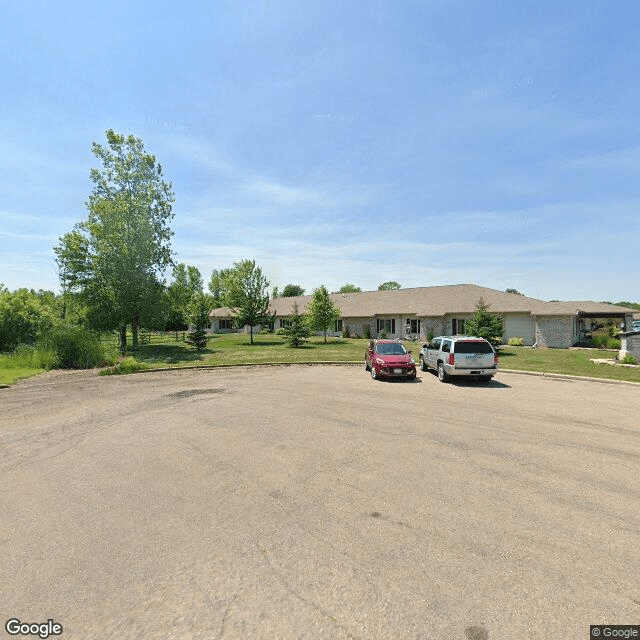
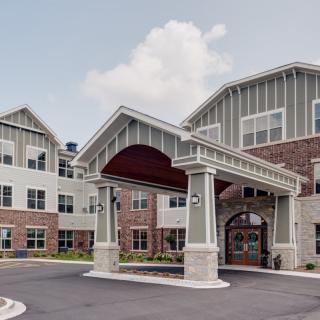
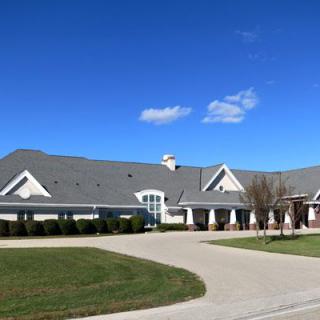
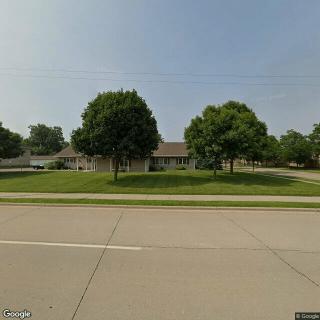
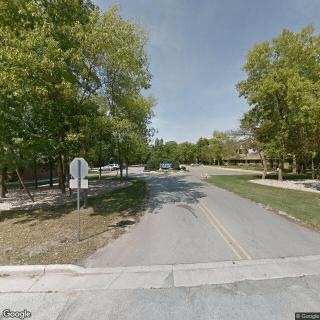
Prairie Home I in Menasha, WI

Save
Prairie Home I

Prairie Home I in Menasha, WI

Information last verified:

1463 Kenwood Drive, Menasha, WI 54952

For more information about senior living options: (844) 490-3973

4.2 from 33 reviews
5 stars
26
4 stars
0
3 stars
1
2 stars
0
1 stars
6

Seniors.FYI Elite Community Awards

Top 5% Senior Living Community in 2025

Add this award to your website

Prairie Home I Costs & Pricing

Prairie Home I offers competitive pricing for its studio accommodations at $3,000 per month, which positions it favorably against the average costs in Winnebago County and across Wisconsin. With the county average at $3,905 and the state average reaching $3,999, Prairie Home I not only provides a more affordable option for residents but also maintains a high standard of living. This pricing strategy reflects a commitment to accessibility while still delivering quality care and comfortable living arrangements. Overall, Prairie Home I stands out as an attractive choice for those seeking both value and excellence in assisted living.

Floor plansPrairie Home IWinnebago CountyWisconsin
Studio$3,000$3,905$3,999

Overall Review of Prairie Home I

Pros

  • pro Prairie Home offers a genuine welcoming experience with individualized care for every resident.
  • pro The staff are described as angels, delivering kindness, compassion, and attentive care.
  • pro The atmosphere is warm and home-like, with residents feeling loved and smiling.
  • pro Regular activities and celebrations provide engaging, high-quality personal attention and care.
  • pro Residents enjoy comfortable rooms with convenient dining proximity and peaceful prairie views.
  • pro Prairie Home is highly recommended and considered a true blessing for those needing assisted living.
  • pro The facility provides exceptional care, and families feel their loved ones are happy and safe.
  • pro The leadership and staff demonstrate deep concern for every resident, creating a caring community.
  • pro Prairie Home staff go above and beyond, supporting families during difficult times and final days.

Cons

  • pro One reviewer recounted that a staff member told them they were not welcome after missing an email they didn’t realize existed, describing it as the worst treatment they’d ever received.
  • pro A visiting nurse claimed that 90 percent of Prairie Home’s hires are drug addicts who use on and off the clock, steal from residents, are underpaid and overworked, and lie to visitors during tours.
  • pro Another reviewer stated they would never put their sweet grandma in a place like Prairie Home.
  • pro A family described encountering significant roadblocks to care due to their sister’s limited funds.
  • pro A commenter asserted that Prairie Home staff would lie right to visitors’ faces during tours and then laugh about it after they left.

Review

Prairie Home I in Menasha is best suited for families seeking a warm, home-like assisted living environment that especially supports memory-care needs. The community earns its strongest reputation from the way it treats residents as individuals, with genuine kindness, personal attention, and a palpable sense of JOY and peace in daily life. It is a place where a loved one with dementia or advancing memory challenges can find familiar routines, steady engagement, and a staff that prioritizes compassionate, patient care. For families who value a quiet, deeply caring atmosphere over flashier amenities, Prairie Home I often feels like the right fit.

Those who may want to consider alternatives fall into a few clear categories. If clinical needs demand higher frequency on-site medical oversight, more intensive nursing care, or a broader array of medical services than this level of assisted living typically provides, another community with a stronger medical spine may be a better match. Families operating on tighter budgets or seeking a facility with different religious or cultural emphases, or with a different layout and campus design, may also find options elsewhere that align more closely with their priorities. In short, Prairie Home I shines in care ethos and engagement, but it may not be the first choice for those who require a more clinical or secular framework or a different cost structure.

The strongest pros here are tangible and family-reassuring: a homey, welcoming atmosphere where staff deliver personal attention and residents appear valued and cherished. Staff often go beyond basic care, crafting a sense of family among residents, with regular activities, crafts, worship, and festive occasions that create meaningful daily structure. The physical design, rooms with views toward peaceful prairie grasses and seating areas near the dining hub, supports a comfortable, social lifestyle without sacrificing privacy. Leadership, particularly at the top, is repeatedly praised for caring deeply about each resident, and the care team’s consistency in adapting to changing needs speaks to a responsive, resident-centered operation. In memory care, this combination of approachable staff, daily engagement, and a home-like setting translates into trust for families during stressful moments and real peace of mind about a loved one’s happiness and safety.

Yet the review landscape is not monolithic. The most serious cons center on three themes: occasional miscommunications or friction in interactions with staff, isolated perceptions of inconsistency in how admissions or changes in care are handled, and a troubling, if isolated, allegation about staffing integrity that merits careful scrutiny. One critic described a gatekeeping moment that left a negative impression, underscoring the need for transparent, proactive communication on admission or scheduling matters. Another, more alarming, claim accuses a portion of the staff of drug use and theft; while this viewpoint represents a single voice amid many positive testimonies, it cannot be dismissed out of hand. Taken together, these concerns suggest that while Prairie Home I often delivers an exceptionally compassionate experience, prospective families should verify communication practices, understand how care plans are communicated and updated, and inquire about staff screening, supervision, and accountability. The main risk, then, is not the absence of warmth but the possibility of episodic gaps in information flow or perceived staff reliability.

With these realities in view, a practical decision framework emerges. Families prioritizing dementia-appropriate, emotionally supportive environments will find Prairie Home I compelling, especially if they value a faith-informed, community-centric culture and the opportunity for residents to participate in regular social and spiritual activities. Prospective residents should insist on meeting frontline caregivers, observe interactions with current residents, and request sample care plans to gauge how quickly changes in condition are detected and communicated. It is wise to ask about weekend staffing levels, respite availability, and the process for accommodating rapidly shifting care needs. Visits should focus on whether the resident’s room, dining space, and activity areas feel like a real home, and whether the staff’s demeanor consistently reflects the warmth found in testimonials. If the answers satisfy these practical tests, Prairie Home I becomes a strong, dependable choice.

The bottom-line verdict is clear. Prairie Home I stands out as a thoughtful, compassionate option for families seeking a memory-care-forward assisted living with a genuine home atmosphere, strong resident engagement, and deeply caring staff. The caregiving narrative that recurs in multiple testimonials, residents thriving socially, staff who treat families with respect, and leadership that appears deeply invested in each person, creates genuine trust for those facing difficult transitions. However, the decision also hinges on comfort with occasional communication hiccups and the serious considerations raised by a minority of reviews about staffing integrity and admission handling. For families who can verify transparent processes, insist on consistent care planning, and place a premium on a warm, activity-rich, spiritually attuned environment, Prairie Home I is a compelling choice. For others, particularly those requiring higher clinical intensity or a different cultural or financial fit, exploring alternatives with stronger medical staffing or different care philosophies is advisable. Schedule a thorough tour, request recent care-planning materials, and compare with nearby options to ensure the choice aligns with both the loved one’s needs and the family’s expectations.

Features

Housing

  • 20 resident community capacity 20 resident community capacity

Types of Care

  • Assisted Living Assisted LivingAssisted living facilities provide crucial support and care for seniors who may need help with daily tasks such as medication management, bathing, and meal preparation. These communities offer a safe and comfortable environment where seniors can maintain their independence while receiving the assistance they need to thrive in their golden years.
  • Board and Care Home Board and Care HomeBoard and care homes provide a smaller, more intimate setting for seniors who require assistance with daily tasks but do not need the level of care offered by a nursing home. They offer personalized care, meals, and social activities in a homelike environment, ensuring that seniors receive individualized attention and support in their golden years.
  • Memory Care Memory CareMemory care is crucial for seniors as it provides specialized support and services for individuals with dementia or Alzheimer's disease. These programs offer a safe and secure environment where residents receive personalized care, cognitive stimulation, and help with daily activities. Memory care helps seniors maintain their independence, quality of life, and dignity while also providing peace of mind for their families.

Pets

  • Cats allowed Cats allowed"Pet friendly" senior living communities are important for seniors because pets provide companionship, reduce feelings of loneliness and depression, promote physical activity and mental stimulation, and offer a sense of purpose and responsibility. Pets can improve overall well-being and quality of life for seniors in many ways.
  • Dogs allowed Dogs allowed"Pet friendly" senior living communities are important for seniors because pets provide companionship, reduce feelings of loneliness and depression, promote physical activity and mental stimulation, and offer a sense of purpose and responsibility. Pets can improve overall well-being and quality of life for seniors in many ways.

Amenities

  • Activities on-site Activities on-siteActivities on-site are important for seniors because they provide opportunities for socialization, mental stimulation, physical activity, and overall well-being. Engaging in activities can help seniors stay active, maintain their independence, and improve their quality of life.
  • Bath tubs Bath tubsBath tubs are important for seniors because they provide a safe and relaxing way to bathe, helping to prevent slips and falls while promoting independence and overall well-being.
  • Beautician on-site Beautician on-siteHaving a beautician on-site at a senior living community is important for seniors as it allows them to easily access grooming and personal care services, boosting their self-esteem and overall well-being. It also provides convenience and helps seniors maintain their sense of independence and personal style.
  • Beauty salon Beauty salonBeauty salons are important for seniors because they provide a space for them to feel pampered, socialize, and maintain their personal grooming and hygiene. Regular visits to a beauty salon can help boost seniors' self-esteem and overall well-being.
  • Cable or satellite TV Cable or satellite TVCable or satellite TV is important for seniors because it provides entertainment, news, and companionship, helping to combat loneliness and boredom. It also offers a wide range of programming options tailored to different interests and preferences.
  • Devotional services off-site Devotional services off-siteDevotional services off-site are important for seniors as they provide spiritual nourishment, social engagement, and a sense of community outside of the senior living facility. This can enhance overall well-being and help combat feelings of isolation and loneliness often experienced by older adults.
  • Devotional services on-site Devotional services on-siteDevotional services on-site provide seniors with spiritual support and a sense of community, as well as an opportunity for reflection and guidance during their senior living experience. This can promote emotional well-being and connection to others, leading to a more fulfilling and enriching lifestyle in their later years.
  • Dining room Dining roomDining rooms are important for seniors as they provide a space for socialization, connection, and nutritious meals. They offer opportunities for residents to bond over shared meals, foster a sense of community, and promote healthy eating habits. Dining rooms also ensure that seniors have access to well-balanced meals tailored to their dietary needs and preferences.
  • Fully furnished Fully furnishedFully furnished senior living communities are important for seniors because they provide convenience, comfort, and a hassle-free moving experience. Seniors can easily settle into their new living space without the stress of having to buy and move furniture. This allows them to focus on enjoying their new home and community.
  • Garden GardenGardens are important for seniors as they provide a peaceful and therapeutic environment for relaxation, physical activity, and socialization. Being in nature has been shown to reduce stress, improve mood, and promote overall well-being. Gardens also offer opportunities for seniors to engage in gardening activities, which can improve mobility, flexibility, and cognitive function. Additionally, gardens create a sense of community and connection with others who share a passion for plants and outdoor spaces.
  • Housekeeping services Housekeeping servicesHousekeeping services are important for seniors because they help maintain a clean and safe living environment, promote independence, and reduce the risk of accidents or illnesses. Additionally, having assistance with household chores can alleviate physical strain and allow seniors to focus on other aspects of their well-being.
  • Indoor common areas Indoor common areasIndoor common areas are crucial for seniors as they provide a space for socialization, recreation, and community engagement, promoting overall well-being and reducing feelings of isolation and loneliness.
  • Kitchenette KitchenetteKitchenettes are important for seniors living in senior living communities because they provide the convenience and independence of being able to prepare simple meals and snacks in the comfort of their own living space. This can help promote a sense of autonomy and well-being for seniors, allowing them to maintain some level of control over their dietary choices and daily routines.
  • Move-in coordination Move-in coordinationMove-in coordination is important for seniors because it helps ease the transition into their new living environment. It ensures that all logistics, such as packing, organizing movers, and setting up utilities are taken care of, allowing seniors to focus on settling in and adjusting to their new home. Having a smooth move-in process can alleviate stress and anxiety, making the transition smoother and more enjoyable for seniors.
  • Outdoor common areas Outdoor common areasOutdoor common areas are important for seniors as they provide a space for socialization, physical activity, and relaxation. Being outside in nature can improve mood and overall well-being, while also encouraging movement and engagement with others. These spaces can help combat feelings of isolation and promote a sense of community among residents.
  • Outdoor space Outdoor spaceOutdoor spaces are important for seniors as they provide opportunities for physical activity, social interaction, exposure to natural light and fresh air, and a sense of connection to nature. Having access to outdoor spaces can improve overall well-being and quality of life for older adults living in senior communities.
  • Respite or short term stays offered Respite or short term stays offeredRespite or short term stays provide seniors with a temporary solution when their regular caregiver is unavailable, offering them the opportunity to receive additional care and support during times of need, while also giving caregivers a chance to rest and recharge.
  • Telephone TelephoneTelephones are important for seniors as they provide a lifeline for communication with loved ones, emergency services, and healthcare providers. They offer a sense of security and independence, enabling seniors to stay connected and access assistance when needed.
  • Wheelchair accessible showers Wheelchair accessible showersWheelchair accessible showers are crucial for seniors as they provide a safe and independent bathing option for those with mobility challenges. These showers help prevent falls and allow seniors to maintain their dignity and autonomy while ensuring they can bathe comfortably.
  • Wi-Fi/high-speed internet available Wi-Fi/high-speed internet availableWi-Fi/high-speed internet is important for seniors to stay connected with loved ones, access online resources, and participate in virtual activities to combat feelings of loneliness and isolation. It also allows them to easily manage healthcare needs, access entertainment, and engage in lifelong learning opportunities.

Transportation

  • Outagamie County Regional (5 miles away) Outagamie County Regional (5 miles away)
  • Austin Straubel International (23 miles away) Austin Straubel International (23 miles away)

Care Services

  • 24-hour call system 24-hour call system24-hour call systems are important for seniors because they provide peace of mind and immediate assistance in case of emergencies. This technology ensures that help is always available, promoting safety and security for elderly individuals living alone or in assisted living facilities.
  • 24-hour supervision 24-hour supervision24-hour supervision is important for seniors to ensure their safety, well-being, and access to immediate assistance in case of emergencies or health issues. This constant support provides peace of mind for both seniors and their loved ones, allowing them to age in place with dignity and security.
  • Activities of daily living assistance Activities of daily living assistanceActivities of daily living assistance are important for seniors because they provide essential support with tasks such as eating, bathing, dressing, and mobility. This assistance helps seniors maintain their independence, dignity, and overall quality of life as they age.
  • Ambulatory care Ambulatory care"Ambulatory care services provide essential medical support and treatment to seniors without requiring hospitalization, allowing them to maintain their independence and quality of life while managing chronic conditions or receiving routine medical care."
  • Assistance with bathing Assistance with bathingAssistance with bathing is crucial for seniors as it helps maintain personal hygiene, prevents infections, and ensures their overall well-being and comfort. It also provides a sense of dignity and independence for seniors who may struggle with this task on their own.
  • Assistance with dressing Assistance with dressingAssistance with dressing is important for seniors because it helps maintain their independence, promotes personal hygiene, prevents accidents and injuries, and improves overall quality of life. This service ensures that seniors can continue to dress comfortably and confidently, despite any physical limitations they may have.
  • Assistance with transfers Assistance with transfersAssistance with transfers is crucial for seniors as it helps prevent falls and injuries, maintains their independence, and ensures they can safely navigate their living environment. It also provides peace of mind for both seniors and their loved ones.
  • Coordination with health care providers Coordination with health care providersCoordination with health care providers is crucial for seniors to ensure proper medical care, medication management, and overall well-being. This collaboration helps prevent overlapping treatments, track progress more effectively, and provide comprehensive support tailored to individual needs.
  • Dementia waiver Dementia waiverDementia waivers are essential for seniors as they provide critical protections and accommodations for those experiencing cognitive decline. These waivers ensure individuals with dementia receive appropriate care, support, and resources to maintain their quality of life and dignity as they navigate the challenges of this progressive condition.
  • Diabetes diet Diabetes dietA diabetes diet is crucial for seniors as it helps manage blood sugar levels, reduce risks of complications, and improve overall health and well-being. By following a balanced and nutritious diet tailored to their specific needs, seniors can better control their diabetes and enhance their quality of life.
  • Diabetic care Diabetic careDiabetic care is crucial for seniors as they are more susceptible to developing diabetes due to aging and other health conditions. Proper management of diabetes can help prevent complications such as heart disease, vision loss, and nerve damage, improving the overall quality of life for seniors in senior living communities.
  • High acuity care High acuity careHigh acuity care is important for seniors because it provides specialized medical attention and support for individuals with complex medical needs. This level of care ensures that seniors receive the appropriate treatment and assistance to maintain their health and quality of life as they age.
  • Hospice waiver Hospice waiverHospice waivers are important for seniors because they allow individuals to receive specialized end-of-life care and support at home or in a hospice facility. This waiver ensures that seniors can access the necessary resources and services to maintain comfort and dignity during their final days.
  • Incontinence care Incontinence careIncontinence care is essential for seniors to maintain their dignity, hygiene, and overall quality of life. By addressing incontinence issues promptly and effectively, seniors can enjoy a sense of independence and comfort in their daily activities.
  • Meal preparation and service Meal preparation and serviceMeal preparation and service are crucial for seniors as they may have limited mobility or energy to cook nutritious meals. Having access to healthy and convenient food options can ensure they are getting the proper nutrition needed to maintain their overall health and well-being.
  • Medication management Medication managementMedication management is crucial for seniors to ensure they are taking the right medications at the correct dosages and times. This helps prevent adverse drug interactions, reduces the risk of medication errors, and promotes overall health and well-being. Proactive management also allows for adjustments as needed based on changing health conditions or new prescriptions.
  • Mental wellness program Mental wellness programMental wellness programs are essential for seniors as they promote cognitive stimulation, emotional support, and social engagement. These programs help prevent isolation, depression, and cognitive decline, ultimately enhancing the overall quality of life for older adults.
  • Mild cognitive impairment Mild cognitive impairment"Mild cognitive impairment" is important for seniors because it is an early stage of cognitive decline that can potentially progress to more severe conditions such as dementia. Recognizing and addressing mild cognitive impairment can help seniors receive appropriate care and support to maintain their quality of life and independence for as long as possible.
  • Special dietary restrictions Special dietary restrictionsSpecial dietary restrictions are important for seniors because age-related changes in metabolism and health conditions can make it difficult for their bodies to process certain foods. By following a diet tailored to their specific needs, seniors can maintain their overall health and well-being, manage chronic conditions, and reduce the risk of complications such as malnutrition or food interactions with medications.
  • Specialized memory care programming Specialized memory care programmingSpecialized memory care programming is crucial for seniors with cognitive impairments such as dementia or Alzheimer's disease. These programs provide a safe and supportive environment tailored to the unique needs of individuals with memory loss, helping them maintain their independence, dignity, and quality of life.
  • Transportation arrangement (medical) Transportation arrangement (medical)Transportation arrangements for medical purposes are essential for seniors as they may have difficulty driving themselves to appointments or accessing public transportation. Having reliable and safe transportation options ensures that seniors can receive timely medical care and maintain their health and well-being.
  • Transportation to doctors appointments Transportation to doctors appointmentsTransportation to doctors' appointments is crucial for seniors as it ensures they have access to necessary medical care and support for their health needs. Without reliable transportation, seniors may struggle to attend important appointments, leading to potential delays in treatment and health complications. Providing transportation services helps seniors maintain their overall well-being and quality of life.

Dining

  • Diabetes diet Diabetes dietA diabetes diet is crucial for seniors as it helps manage blood sugar levels, reduce risks of complications, and improve overall health and well-being. By following a balanced and nutritious diet tailored to their specific needs, seniors can better control their diabetes and enhance their quality of life.
  • Meals provided Meals provided"Meals provided" are crucial for seniors in assisted living communities as it ensures they have access to nutritious, balanced meals without the stress of meal planning and preparation. This can help promote overall health and well-being for seniors who may have limited mobility or cognitive abilities.
  • Special dietary restrictions Special dietary restrictionsSpecial dietary restrictions are important for seniors because age-related changes in metabolism and health conditions can make it difficult for their bodies to process certain foods. By following a diet tailored to their specific needs, seniors can maintain their overall health and well-being, manage chronic conditions, and reduce the risk of complications such as malnutrition or food interactions with medications.

Activities

  • Activities on-site Activities on-siteActivities on-site are important for seniors because they provide opportunities for socialization, mental stimulation, physical activity, and overall well-being. Engaging in activities can help seniors stay active, maintain their independence, and improve their quality of life.
  • Community-sponsored activities Community-sponsored activitiesCommunity-sponsored activities are important for seniors as they provide opportunities for social interaction, mental stimulation, and physical activity. These activities can help improve overall well-being, combat loneliness and isolation, and promote a sense of belonging and purpose among older adults.
  • Devotional activities offsite Devotional activities offsiteDevotional activities offsite are important for seniors because they provide social engagement, spiritual growth, and a sense of community outside of their living environment. This can improve overall well-being, mental health, and combat feelings of isolation or loneliness.
  • Devotional activities on-site Devotional activities on-siteDevotional activities on-site provide seniors with a sense of community, spiritual fulfillment, and emotional support, promoting overall well-being and a positive sense of purpose in their lives.
  • Scheduled daily activities Scheduled daily activitiesScheduled daily activities are important for seniors because they provide structure, socialization, mental stimulation, and physical activity. Engaging in regular activities can improve overall well-being and quality of life for seniors living in a community setting.

Description

Prairie Home I is an assisted living community located in Menasha, WI. Our community offers board and care home services as well as specialized memory care for individuals with dementia.

At Prairie Home I, we strive to provide a comfortable and nurturing environment for our residents. Our amenities are designed to enhance their quality of life and include features such as bath tubs for relaxation, an on-site beautician and beauty salon for personal grooming needs, cable or satellite TV for entertainment, and devotional services both on-site and off-site for spiritual fulfillment.

Our fully furnished accommodations provide a cozy atmosphere, and our housekeeping services ensure that the common areas remain clean and well-maintained. Residents can enjoy spending time outdoors in our garden or outdoor common areas, or they can stay connected with family and friends using our Wi-Fi/high-speed internet access.

We offer a wide range of care services to meet the individual needs of our residents. These include 24-hour supervision, assistance with activities of daily living, ambulatory care, help with bathing and dressing, coordination with health care providers, specialized programs for mental wellness and memory care, medication management, meal preparation according to special dietary restrictions, transportation arrangement for medical appointments, and more.

Dining at Prairie Home I is a delightful experience as our residents are provided with delicious meals that cater to their specific dietary requirements. We also organize community-sponsored activities and daily scheduled activities to keep residents engaged and socially active.

Conveniently located near cafes, parks, pharmacies, physicians' offices, restaurants, places of worship, theaters, and hospitals; Prairie Home I offers easy access to various amenities and services within the Menasha area.

Come join us at Prairie Home I where you can find a warm environment combined with professional care that promotes independence and enhances the overall well-being of our residents.

Nearby Places of Interest

This part of Menasha, Wisconsin, is a well-equipped and convenient area for senior living. Within a short distance, there are several physicians and pharmacies available for medical needs, as well as hearing and rehabilitation services nearby. The diverse range of restaurants offers options for dining out, while cafes like Starbucks provide cozy spots to relax and socialize. Nearby parks such as Alicia Park and Jefferson Park offer opportunities for outdoor recreation and relaxation. Additionally, the proximity to hospitals like St Elizabeth Hospital provides peace of mind in case of emergencies. Places of worship like First United Methodist Church cater to spiritual needs, while the Hollywood Cinema Appleton offers entertainment options for leisure activities. Overall, this part of Menasha offers a blend of amenities that cater to the various needs and interests of seniors looking to reside in the area.

Physicians

  • H Abdul Majid MD (0.2 miles)
  • Affinity Occupational Health (0.4 miles)
  • HearingLife (1.2 miles)
  • Theda Care (1.4 miles)
  • Audiology and Hearing Services (1.6 miles)
  • UW Health Children's Health Center (1.9 miles)
  • Saint Elizabeth Hospital Rehabilitation Center (1.9 miles)

Pharmacies

  • Grifols (0.2 miles)
  • Morton LTC (0.5 miles)
  • Pick 'n Save Pharmacy (1.2 miles)
  • CVS Pharmacy (1.3 miles)
  • Walgreens (1.7 miles)
  • Walgreens (1.8 miles)
  • Ascension Rx - Appleton Prescription Center (1.9 miles)

Cafes

  • Starbucks (0.4 miles)
  • Copper Rock Coffee (2.6 miles)
  • Starbucks (2.7 miles)

Restaurants

  • Michiels Bar & Grill (0.5 miles)
  • George's Steak House (1.1 miles)
  • Arby's (1.3 miles)
  • Wilder's Bistro (1.4 miles)
  • Flagstone (1.6 miles)
  • Red Ox (1.6 miles)
  • Appleton Yacht Club (1.6 miles)

Parks

  • Alicia Park (1.3 miles)
  • Jefferson Park (1.6 miles)
  • Pierce Park (1.8 miles)
  • Jones Park (2.4 miles)
  • Riverside Park (3.3 miles)

Hospitals

  • St Elizabeth Hospital (1.9 miles)
  • St Elizabeth Hospital Auxiliary (1.9 miles)
  • Theda Clark (3.1 miles)
  • Valley Thermography (3.1 miles)

Places of Worship

  • First United Methodist Church (2.9 miles)
  • St Bernadette (3.4 miles)

Theaters

  • Hollywood Cinema Appleton, Wi (3 miles)

Frequently Asked Questions

How much does it cost to live at Prairie Home I in Menasha, WI?
Where is Prairie Home I?
Does Prairie Home I provide care for residents with dementia or Alzheimer's disease?
Does Prairie Home I allow residents to have pets?

Nearby Communities

  • Prairie Home III

    Prairie Home III

    Menasha, WI

    4.1 from 30 reviews
     

    pro Small, personalized setting with memory care and 24-hour supervision.

  • Prairie Home II

    Prairie Home II

    Menasha, WI

    4.1 from 30 reviews
     

    pro Specialized memory care with 24/7 supervision and comprehensive support, plus furnished apartments and coordinated health services.

  • Anew Choice Care Inc II

    Anew Choice Care Inc II

    Menasha, WI

    4.1 from 30 reviews
     

    pro Small, intimate setting with personalized care.

  • Heartwood Homes

    Heartwood Homes

    Menasha, WI


    pro Specialized memory care with trained staff; strong access to nearby healthcare providers and amenities.

  • Anew Choice Care Inc I

    Anew Choice Care Inc I

    Menasha, WI

     
    $5,000 / month

    pro Specialized memory care programming and comprehensive care with 24-hour supervision

  • Interim HealthCare of the Fox Cities - Menasha,  WI

    Interim HealthCare of the Fox Cities - Menasha, WI

    Menasha, WI

    3.9 from 22 reviews
     

    pro Peaceful Menasha location with easy access to cafes, parks, pharmacies, physicians, restaurants, worship, theater, and hospitals.

  • Oak Park Place Menasha

    Oak Park Place Menasha

    Menasha, WI

    4.4 from 176 reviews
    $4,318 to $5,384 / month

    pro Clean, modern facility with engaging activities and friendly staff.

  • Peabody Manor

    Peabody Manor

    Appleton, WI


    pro Compassionate care with a focus on spiritual well-being and diabetes support.

  • Emerald Valley Assisted Living

    Emerald Valley Assisted Living

    Appleton, WI

    4 from 16 reviews
    $3,500 / month

    pro Caring staff with strong communication, clean environment, and engaging activities.

Related Resources

  • best foods for dementia patients to eatNourishing the Mind: Essential Dietary Approaches for Dementia

    Dementia is characterized by cognitive decline, with nutrition playing a vital role in brain health; while no specific diet can prevent or reverse it, a nutrient-dense diet rich in antioxidants and healthy fats may support cognitive function. The MIND diet, which emphasizes beneficial foods and limits processed items, along with proper hydration and individualized meal strategies, can enhance the well-being of dementia patients.

  • dementia behaviorsUnderstanding Dementia Behaviors: Practical Insights and Strategies for Caregivers

    Dementia affects memory and cognitive function in older adults, presenting challenges for caregivers due to behavioral changes such as confusion and mood swings. Compassionate, person-centered care that considers individual history and preferences, along with effective communication and environmental modifications, is essential for supporting both patients and their caregivers.

  • dementia and angerWhen Dementia Sparks Anger and Aggression: Understanding the Connection and Ways to Cope

    Dementia leads to cognitive impairment and can cause emotional and behavioral changes, including aggression that arises from frustration, confusion, or fear. Effective coping strategies for caregivers include understanding dementia's nature, recognizing triggers, using empathetic communication, and employing non-pharmacological interventions like music and art therapy.