
1645 Century Oaks Ct, Menasha, WI 54952
For more information about senior living options: (866) 208-4318
Overall Review of Adare I
Cons
 The resident was sent on an outing without proper footwear.
- A family member was spoken to rudely and hung up on by staff.
- This behavior is described as unacceptable and inexcusable.
- The staff neglected to ensure residents were properly ready for outings.
- The manager and staff yell at residents, treat them like children, and punish them for not behaving.
- There is no registered nurse available 24 hours, and medication errors occur daily.
- Complaints from residents are dismissed and rarely given consideration.
- The facility is not considered one of the good ones and remains open despite these issues.
Review
Adare I in Menasha, Wisconsin is best suited for residents who are largely independent and can tolerate limited medical oversight, with family members prepared to actively monitor care and intervene when concerns arise. The home’s current profile suggests that reliable nursing support is not guaranteed, and that staff culture may place a premium on obedience over person-centered care. Families evaluating options should explicitly plan for hands-on involvement if choosing Adare I, recognizing that strong advocacy will be necessary to navigate daily routines and medical needs. For anyone whose priority is consistent, respectful treatment plus 24/7 licensed nursing, this community is unlikely to meet expectations.
Two independent accounts describe a pattern that goes beyond occasional missteps. Residents are reportedly spoken to in a harsh, punitive manner, with staff treating individuals as if they were children and resorting to room confinement for “misbehavior.” A critical safety lapse is noted when a resident was sent on an outing without shoes, highlighting a breakdown in basic readiness checks. There is also a claim that a house manager and front-line staff respond rudely to family calls and hang up, underscoring a communication culture that discourages reporting problems. The combination of disrespectful treatment, and inconsistent safety checks, creates an environment where dignity and safety are at risk.
Medication management emerges as the most alarming medical-related concern. Reported gaps include the absence of round-the-clock registered nursing coverage and recurring medication errors, which directly threaten health and well-being. Complaints from residents appear to be dismissed rather than investigated, eroding trust and signaling a culture resistant to accountability. In this setting, even routine activities, such as reminders, supervision during activities, or timely administration of medications, can feel unstable and fraught with risk. While no explicit hard-benefits are highlighted in the feedback, the absence of reliable clinical oversight and respectful engagement means that any supposed conveniences are far outweighed by the potential for harm and emotional distress.
Families evaluating Adare I should set a clear decision framework. First, verify whether licensed nursing staff are always on site and who covers medication administration. Inquire about staffing ratios during peak hours and night shifts, and request a transparent error-reporting and remediation process. Question management responsiveness: how quickly concerns are acknowledged, investigated, and resolved, and whether residents or families are routinely brushed off. Observe the tone of interactions with residents and family members during visits, and seek current resident input about day-to-day morale. Finally, audit safety protocols for outings and daily routines, ensuring proper readiness checks and accountability for staff who supervise activities outside the facility.
For families open to alternatives, focus on communities with demonstrated nursing presence, consistent staffing, and proactive, respectful leadership. Look for facilities with 24/7 licensed nursing coverage, clear medication-management procedures, and transparent, resident-centered complaint resolution. Tour multiple times and speak with current residents and families about response times and how concerns are handled. Ask about staff training in de-escalation, resident dignity, and mobility assistance, plus the presence of an on-site administrator who is reachable for urgent issues. Consider facilities with stronger safety cultures, documented corrective actions, and a track record of reducing med errors and escalating issues promptly.
In the short term, Adare I is not aligned with families prioritizing safety, dignity, and reliable clinical oversight. The evidence suggests a culture where residents can be dismissed, with inconsistent medical support and a management approach that may escalate conflicts rather than resolve them. For those needing dependable nursing, respectful daily care, and predictable routines, explore other communities first. If choosing Adare I, enter with explicit, written expectations and a plan for ongoing oversight, assign a trusted family liaison, request regular care conferences, and insist on a verified nurse-on-site schedule. The prudent path is to compare several options that demonstrate consistent nursing coverage, respectful engagement, and a robust system for handling complaints with accountability.
 9 resident community capacity
 Assisted Living
 Cable or satellite TV
 Dining room
 Fully furnished
 Garden
 Housekeeping services
 Move-in coordination
 Outdoor space
 Telephone
 Wi-Fi/high-speed internet available
 Outagamie County Regional (4 miles away)
 24-hour supervision
 Activities of daily living assistance
 Assistance with bathing
 Assistance with dressing
 Assistance with transfers
 Diabetes diet
 Meal preparation and service
 Medication management
 Special dietary restrictions
 Transportation arrangement (medical)
 Transportation to doctors appointments
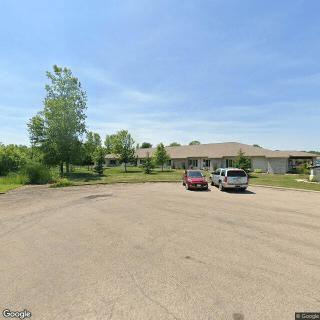
 Small, homely board-and-care with personalized attention, comprehensive ADL/medication support, meals with dietary options, transportation, and on-site amenities (garden, Wi-Fi).


 Securing Financial Support for Assisted Living: A Comprehensive Overview
 Social Security Benefits and Assisted Living: Navigating Options Across the U.S.
 An Extensive Exploration of the VA Aid and Attendance Benefit