
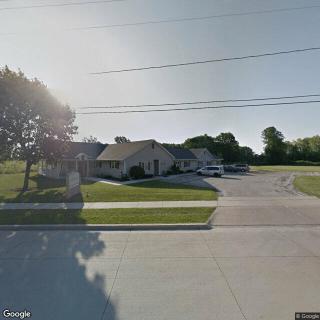
2210 Dufek Drive, Manitowoc, WI 54220
For more information about senior living options: (866) 208-4318
Overall Review of Tender Reflections Of Manitowoc
Pros
 Frontida Assisted Living, Manitowoc is a 5-star facility.
- The staff are a dedicated, caring team.
- The care and help they provide to their residents is top notch.
- Carrie Ann is one of the most caring administrators Frontida has.
- Frontida's mission and service to the community is inspiring.
- The memory care at Frontida of Manitowoc is beautiful, warm, and welcoming; the staff are professional, knowledgeable, and great with people.
- Tender Reflections' current staff have expertly and compassionately cared for residents and communicate well with families.
- The staff at Tender Reflections go above and beyond.
Cons
 The staff were reluctant to give medications and demanded bubble packing, causing delays in treatment.
- There were multiple administration changes and no clear, consistent care plan.
- The memory care unit appeared to know little about Lewy Body dementia.
- After a fall, staff did not follow proper protocol or arrange timely medical attention.
- Even with paid higher-level care, staff did not consistently help with dressing, toileting, or getting the resident ready for bed.
- Paperwork and care-plan documentation were mishandled or not provided promptly.
- The administration blamed doctors and cited turnover as the cause of ongoing problems, which undermined trust in the facility.
- The respite stay wasted funds and failed to provide peace of mind, with a request for a refund.
Review
Tender Reflections Of Manitowoc is best suited for families seeking a warm, home-like memory-care environment where daily life engagement and compassionate caregiving are prioritized. The community tends to attract residents who value a personable, small‑scale atmosphere, where staff relationships feel familiar and activities are plentiful. When a resident thrives on attentive, hands-on care delivered by a team that can feel genuinely devoted, this facility can deliver a comforting, recognizable routine and a sense of belonging that families often crave in the post‑acute setting.
Those weighing alternatives should consider options if the priority is ironclad medical reliability, consistent governance, and transparent, closely managed medication administration. For residents with complex diagnoses or highly regulated medication needs, or for families who want unwavering continuity in leadership and clear, proactive communication, exploring other communities may be prudent. Residents who have experienced or fear administrative turnover, or who require a highly structured, policy-driven care framework, may want to compare sturdier systems elsewhere.
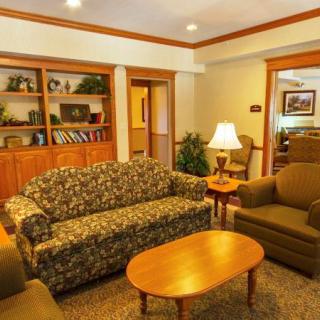
On the upside, Tender Reflections Of Manitowoc benefits from genuinely caring staff, with residents repeatedly described as treated with kindness and respect. The memory-care environment is frequently depicted as beautiful, warm, and welcoming, with spaces designed to feel homelike rather than clinical. Activities and enrichment programs are a core strength, including daily offerings that span exercise, crafts, storytelling, and even social opportunities like dancing. Positive feedback also highlights leadership that can be responsive to resident requests, and the dining program is often cited as an area of improvement and ongoing refinement.
Yet significant cons appear in the record, and they are serious enough to influence risk assessments for some residents. Several reviews point to instability in administration and turnover, which can translate into inconsistent policies and uneven follow-through. Critical issues around medication management and care planning surface repeatedly: delayed or unclear medication handling, medications not entered or addressed promptly, and ad hoc or poorly communicated care directives. One family describes a tumultuous respite experience marked by gaps in paperwork, unclear requirements, and an administration change that coincided with a notable decline in care coordination. Another account notes a lack of specific dementia expertise (Lewy Body dementia), and a pattern of communication lapses that left families feeling out of the loop.
The positive elements do offset some concerns, but not comprehensively. The warmth of the staff, the beauty and perceived safety of the setting, and the quality of life programming can substantially enhance day-to-day living and reduce anxiety for many residents. When administration is stable and care plans are clearly documented, the culture can feel exceptionally supportive, turning a facility stay into a solid, reassuring chapter for both resident and family. However, the most critical gaps, medication reliability, transparent care planning, and stable governance, pose real safety and continuity risks that cannot be overlooked, particularly for residents with complex medical needs or advanced dementia.
For families considering Tender Reflections, the prudent course combines due diligence with a clear behavioral expectation framework. Before making a commitment, request to speak with the current nurse manager or executive director, review the latest care plan on file, and examine the medication management policy in detail. Ask for concrete examples of how resident requests are prioritized and how rapid changes in health status are communicated. Request recent references from hospice partners or families with similar care needs and demand access to incident logs and a copy of the most recent quality-improvement plan. If the aim is a high‑touch, emotionally supportive setting with engaged programming, Tender Reflections can be a strong fit when governance is stable and processes are consistently followed; if the priority is uncompromised medication oversight and transparent, proactive administration, families should also explore well-vetted alternatives in the same market.
 40 resident community capacity
 Studio apartments
 Assisted Living
 Memory Care
 Beautician on-site
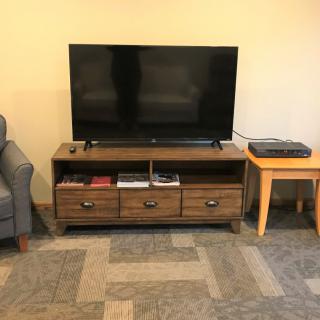
 Cable or satellite TV
 Dining room
 Fully furnished
 Garden
 Guest parking
 Housekeeping services
 Kitchenette
 Laundry
 Move-in coordination
 Outdoor space
 Party space
 Respite or short term stays offered
 Restaurant-style dining
 Small library
 Telephone
 Wi-Fi/high-speed internet available
 24-hour call system
 Activities of daily living assistance
 Assistance with bathing
 Assistance with dressing
 Assistance with transfers
 Diabetes diet
 Medication management
 Mental wellness program
 Special dietary restrictions
 Arts and crafts
 Cooking club
 Games
Games Live musical performances
 Religious services
 Stories



 When to Transition from Assisted Living to Memory Care: Key Indicators, Steps, and Finding the Right Community
 Understanding the Distinctions: Assisted Living and Memory Care Explained
 How to Communicate with a Loved One Living with Dementia: 10 Supportive Strategies