
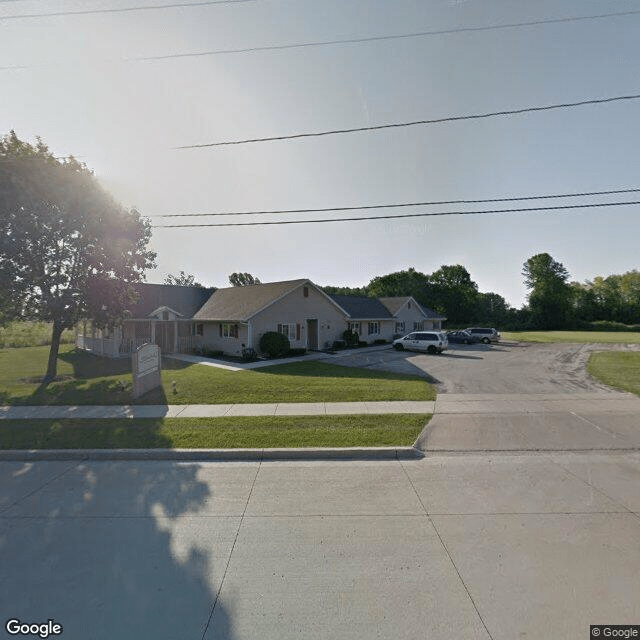
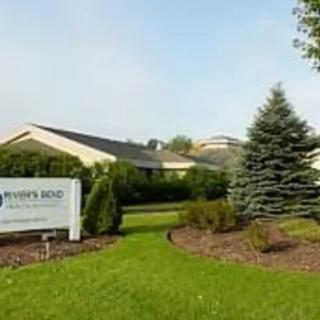
5005 Vista Rd, Manitowoc, WI 54220
To contact a resident: (920) 686-0870
For more information about senior living options: (866) 208-4318
KindredHearts of Manitowoc Costs & Pricing
At KindredHearts of Manitowoc, the monthly cost for a one-bedroom accommodation is competitively priced at $2,450. This rate not only reflects the high-quality services and personalized care provided by the facility but also represents significant savings compared to the average costs in Manitowoc County, which stand at $3,473, and across Wisconsin, where the statewide average is $3,412. By choosing KindredHearts, residents can enjoy a comfortable living environment that combines affordability with exceptional support, making it a compelling option for those seeking senior care solutions in the region.
| Floor plans | KindredHearts of Manitowoc | Manitowoc County | Wisconsin |
|---|---|---|---|
| 1 Bedroom | $2,450 | $3,473 | $3,412 |
Overall Review of KindredHearts of Manitowoc
Pros
 The new manager has transformed the place into a thriving environment for its residents.
- The staff are fabulous and take pride in their work.
- The staff treat residents with care, kindness, and heart.
- The facility feels like a family.
- Kindred Hearts treats residents as individuals rather than numbers.
- The staff go above and beyond to meet residents' needs.
- There are great people, great food, and excellent service; it feels like a home.
- The director is caring and treats residents well.
- The staff care about residents like family and are kind, compassionate, and knowledgeable.
- The food is great and residents love it.
Cons
 The new manager does not know how to run this building or how to talk to family members.
- This place is a dump, and the manager and half the staff need to be fired.
- Bathrooms were not cleaned for a week, and a resident's shirt was not changed.
- There was no working toilet for several days.
- The food was horrible, often burnt or raw or canned.
- Staff often brought their kids in and spent time talking instead of helping residents.
- There is trouble with the nursing care system and attitudes that need to change across the board.
Review
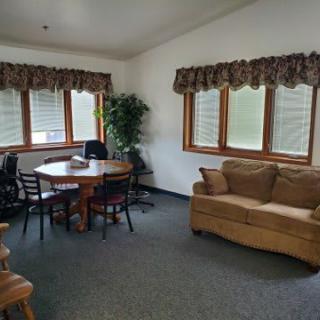
KindredHearts of Manitowoc is best suited for families seeking a small, home-like assisted living experience where staff treat residents like family and daily life feels personal. The campus is compact enough to foster real relationships, with a central courtyard and safety features that give peace of mind. It works particularly well for residents with memory-care needs who benefit from caregivers who understand the rhythms of memory loss and respond with patience. When the leadership is aligned, this community can feel less like a facility and more like a welcoming home where meals, routines, and social moments carry the warmth families want for their loved ones.
Those who require consistently flawless nursing oversight and unwavering operational stability may want to consider alternatives. Several reviews flag management variability and serious care gaps that cannot be dismissed. Reports of delayed baths, unfinished routines, and even cleanliness concerns point to a fragility in routine execution. The most alarming feedback describes moments when basic dignity and safety were compromised, raising questions about how quickly problems are identified and resolved. For families whose priority is rigid, high-uptake clinical management and a track record of steady performance, these patterns are a meaningful red flag.
On the plus side, the strongest pro line is the sense of genuine care from frontline staff. Residents are described as treated like family, with staff who go above and beyond to meet needs, remember preferences, and create a warm, homey atmosphere. The new manager is frequently credited with stabilizing and energizing the operation, translating into better morale, more attentive service, and a clearer sense of purpose across shifts. Food is consistently cited as a high point, with residents and families noting enjoyable meals that contribute to the feeling of normalcy and comfort. For families seeking a small, intimate setting where caregivers know the names and stories of the residents, these are meaningful advantages.
The counterweight to the positives is the real and recurring reliability concerns. When management appears uncertain or turnover is high, consistency in care deteriorates, and families worry about who is in charge from week to week. The most troubling anecdotes describe delays in addressing basic needs, instances of residents being left unhygienic after accidents, and sometimes a perception that staff are not fully deployed or focused on resident needs. Food quality complaints exist alongside other operational friction, which reinforces a sense that the system’s gears aren’t meshing smoothly. These issues matter because they touch every day experiences, bathroom assistance, freshening up, and the dignity of receiving timely help.
The pros can offset the cons for families who can tolerate occasional rough edges in exchange for a heartfelt, resident-centered culture, but the balance remains delicate. The strongest defense of KindredHearts lies in the human element: caregivers who form meaningful bonds, an environment designed to feel like home, and a memory-care approach built on patience and familiarity. Yet the risk is nontrivial if management instability or gaps in basic care persist. Prospective families should demand up-to-date evidence of staffing ratios, direct feedback from current residents or families, and a concrete plan for maintaining quality during leadership transitions. A candid visit during a shift can illuminate whether the daily experience aligns with the promised warmth.
Bottom line: KindredHearts of Manitowoc offers a compelling, home-forward option for seniors who prize warmth, close-knit staff relationships, and memory-care sensitivity, provided leadership and care processes are clearly stable. For families prioritizing ironclad clinical oversight, consistent day-to-day execution, and a track record free of significant lapses, it may be prudent to explore alternatives with more demonstrable reliability. The facility can be a true home when management is solid, staffing is steady, and care teams are empowered to act quickly and with empathy; it becomes riskier when those conditions are not met. In the end, the choice hinges on tolerance for leadership variability and the willingness to invest time in verifying current operations before committing.
 Assisted Living
 Memory Care
 Skilled Nursing Facility
 Cats allowed
 Dogs allowed
 Activities on-site
 Beautician on-site
 Devotional services off-site
 Dining room
 Garden
 Housekeeping services
 Indoor common areas
 Laundry
 Respite or short term stays offered
 Ambulatory care
 Diabetic care
 Medication management
 Meals provided
 English


 Five Subtle Dementia Indicators to Observe: An In-Depth Guide to Understanding “Does My Mom Have Dementia?”
 Dementia, Paranoia, and Caregiver Guidance: Understanding the Connection
 Engaging Memory Care Activities That Enhance Quality of Life