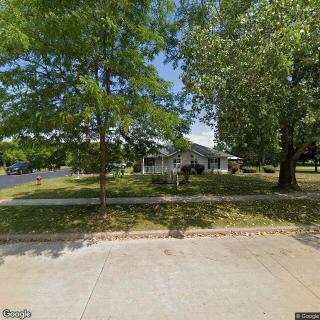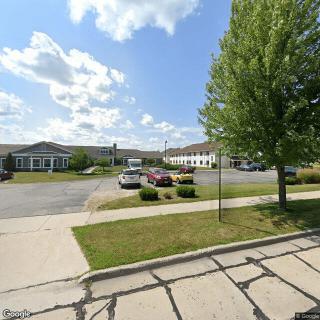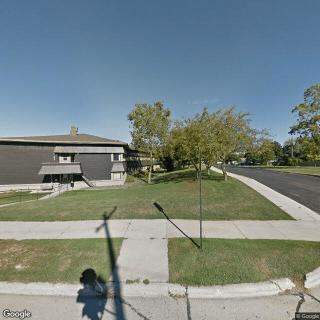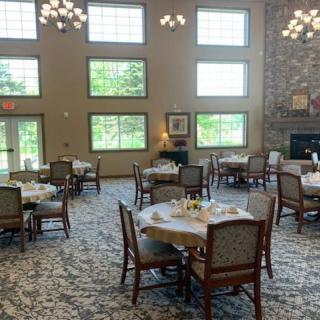
Magnolia Meadows in Manitowoc, WI

Save
Magnolia Meadows Magnolia Meadows Magnolia Meadows Magnolia Meadows

Magnolia Meadows in Manitowoc, WI

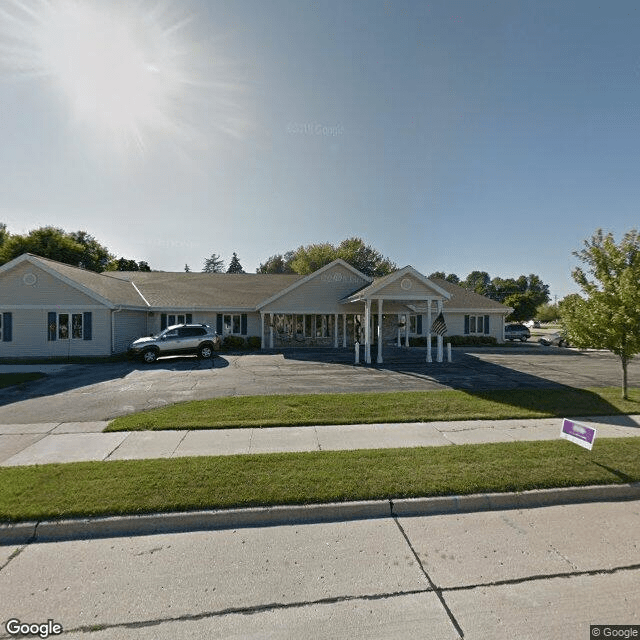
1480 North 7Th Street, Manitowoc, WI 54220

For more information about senior living options: (844) 490-3973

3.6 from 11 reviews
5 stars
5
4 stars
3
3 stars
0
2 stars
0
1 stars
3

Assisted Living Memory Care

Magnolia Meadows Costs & Pricing

At Magnolia Meadows, the monthly cost for a one-bedroom unit is set at $3,200. This figure reflects a competitive pricing structure in comparison to both Manitowoc County and the broader Wisconsin market, where the average costs are $3,473 and $3,412 respectively. By offering a rate that is notably lower than these regional averages, Magnolia Meadows positions itself as an appealing option for those seeking quality living arrangements without compromising on affordability. This strategic pricing not only highlights our commitment to providing value but also enhances our attractiveness within the local housing landscape.

Floor plansMagnolia MeadowsManitowoc CountyWisconsin
1 Bedroom$3,200$3,473$3,412

Overall Review of Magnolia Meadows

Pros

  • pro The facility is clean, the staff are friendly, and residents look healthy and happy.
  • pro Magnolia Meadows is a great place to call home for a loved one.
  • pro The staff are caring, compassionate, fun, and always professional; residents are treated with dignity and respect.
  • pro The facility provides three meals a day, transportation when needed, and laundry services.
  • pro A personal chef provides homemade meals daily.
  • pro The facility is modern and new, with a nursing home area and a dementia unit, delivering wonderful care.
  • pro The director is open and communicative, and Cristina is knowledgeable and empathetic in management.

Cons

  • pro It is described as the worst place to put a loved one, with items stolen from the room and no timely action by the administrator.
  • pro Jewelry and other valuables were reportedly stolen, and staff failed to resolve the issue or follow up.
  • pro The administrator is seen as unaccountable, not addressing family concerns or coordinating timely meetings.
  • pro The environment is described as unprofessional, with workers in pajamas making it hard to distinguish staff.
  • pro A med cart worker appeared to be on drugs, which was alarming and unsafe.
  • pro Basic care tasks were not consistently performed (showers, laundry) and belongings went missing or were found in other rooms, indicating poor accountability.

Review

Magnolia Meadows in Manitowoc is best suited for families seeking a small, intimate memory-care environment where a loved one can be cared for in a home-like setting. The community operates as a compact 19-room home with both a memory-care unit and a nursing home area, offering private baths, a dining experience centered on a personal chef, and daily conveniences like transportation and laundry. The emphasis on dignity and regular access to leadership - especially when Cristina or Luann are involved - gives families a sense that care can be personalized and closely monitored. For residents who thrive in a quieter, more connected atmosphere and who don't require large-scale clinical operations, Magnolia Meadows can feel safer and more comforting than a sprawling campus.

That said, there are clear reasons to consider alternatives. Several reviews paint a troubling picture of administration and accountability, including allegations of theft and inadequate follow-through on family concerns. In one case, valuables and personal belongings were reported missing, with claims that the administrator did little to resolve the issue. Other accounts describe inconsistent professionalism, with staff appearing unprepared or poorly monitored, and a sense that meetings were delayed or avoided when involving leadership. For families that prize rigorous incident reporting, swift escalation, and transparent governance, Magnolia Meadows may not meet that standard without strong, ongoing involvement from relatives or a formal process to ensure accountability.

The strongest pros - small size, a warm, homey feel, on-site meals by a personal chef, and attentive daily living services - do offset some major concerns when viewed through the lens of ongoing family involvement. The intimate setting fosters closer caregiver-resident relationships, more predictable routines for memory-care residents, and the potential for more customized activities and staffing attention than larger facilities. The on-site dining, three meals daily, and the ability to tailor end-of-life care in a familiar footprint are meaningful advantages. When leadership is visible and responsive, these benefits translate into a meaningful quality of life that families often seek in memory-care arrangements.

However, the cons also demand vigilance. The risk of theft or loss of personal items is a real and disheartening concern, and it underscores the need for airtight room checks, secure storage, and disciplined inventory practices. The impression of inconsistent staff professionalism and limited administrative responsiveness can undermine trust, especially for families already navigating the stress of long-term care decisions. Prospective residents should insist on seeing current incident logs, a clear accountability structure, and concrete examples of how concerns have been addressed in the past. Ask to meet the administrator in person and request a detailed plan for preserving resident belongings and ensuring timely communication with families.

In selecting Magnolia Meadows, consider the resident profile: the community is a practical fit for someone who benefits from a smaller, home-like environment, enjoys social activities, and can tolerate a degree of dependence on attentive, personal care rather than on-call hospital-level services. It can also serve well for those pursuing end-of-life care in a setting that feels intimate and manageable. Yet for a resident with high-risk behaviors, aggressive wandering, or a history of security concerns, or for families requiring a consistently polished, fully accountable governance structure, alternatives with larger staff, clearer accountability, and stronger central oversight may deliver greater peace of mind. Cost ranges noted in some listings - roughly in the mid-$3,000s to around $4,000 per month - are a practical consideration, but the value hinges on whether the care environment meets the family's nonnegotiables for safety, responsiveness, and transparency.

The bottom line is candid: Magnolia Meadows can be a strong, heartfelt choice for those who value an intimate, neighborly feel, concrete daily services, and engaged leadership willing to partner with families. When safety, stringent accountability, and frictionless communication are nonnegotiable, however, it is essential to scrutinize the facility's controls and request a transparent plan for guarding belongings and resolving problems quickly. Families able to participate actively, demand clear reporting, and weigh the small-house charm against the potential governance gaps may find Magnolia Meadows a compelling fit. Those seeking a more centralized, risk-averse framework with comprehensive incident management and broader staffing should explore larger options with a proven track record in governance and remediation.

Features

Housing

  • 19 resident community capacity 19 resident community capacity
  • Studio apartments Studio apartmentsStudio apartments are important for seniors because they offer a smaller, more manageable living space that is easier to navigate and maintain as physical abilities decline. Additionally, studio apartments provide seniors with independence and privacy while still being part of a community that offers support and social opportunities.

Types of Care

  • Assisted Living Assisted LivingAssisted living facilities provide crucial support and care for seniors who may need help with daily tasks such as medication management, bathing, and meal preparation. These communities offer a safe and comfortable environment where seniors can maintain their independence while receiving the assistance they need to thrive in their golden years.
  • Memory Care Memory CareMemory care is crucial for seniors as it provides specialized support and services for individuals with dementia or Alzheimer's disease. These programs offer a safe and secure environment where residents receive personalized care, cognitive stimulation, and help with daily activities. Memory care helps seniors maintain their independence, quality of life, and dignity while also providing peace of mind for their families.

Amenities

  • Activities on-site Activities on-siteActivities on-site are important for seniors because they provide opportunities for socialization, mental stimulation, physical activity, and overall well-being. Engaging in activities can help seniors stay active, maintain their independence, and improve their quality of life.
  • Air-conditioning Air-conditioningAir conditioning is important for seniors as they are more vulnerable to heat-related illnesses and may have underlying health conditions that make it difficult for them to regulate their body temperature. It helps to keep them comfortable, safe, and healthy in hot weather.
  • Beautician on-site Beautician on-siteHaving a beautician on-site at a senior living community is important for seniors as it allows them to easily access grooming and personal care services, boosting their self-esteem and overall well-being. It also provides convenience and helps seniors maintain their sense of independence and personal style.
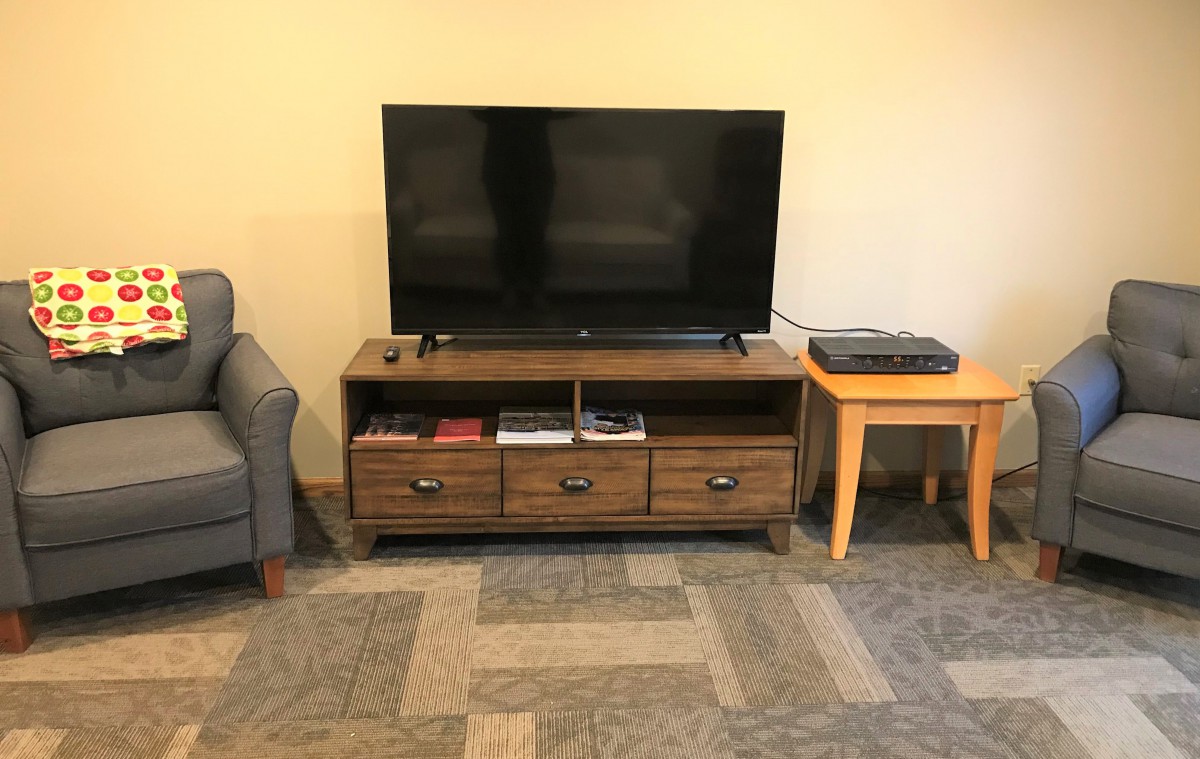
  • Cable or satellite TV Cable or satellite TVCable or satellite TV is important for seniors because it provides entertainment, news, and companionship, helping to combat loneliness and boredom. It also offers a wide range of programming options tailored to different interests and preferences.
  • Devotional services off-site Devotional services off-siteDevotional services off-site are important for seniors as they provide spiritual nourishment, social engagement, and a sense of community outside of the senior living facility. This can enhance overall well-being and help combat feelings of isolation and loneliness often experienced by older adults.
  • Dining room Dining roomDining rooms are important for seniors as they provide a space for socialization, connection, and nutritious meals. They offer opportunities for residents to bond over shared meals, foster a sense of community, and promote healthy eating habits. Dining rooms also ensure that seniors have access to well-balanced meals tailored to their dietary needs and preferences.
  • Full kitchen Full kitchenHaving a full kitchen in a senior living facility is important for seniors because it allows them to maintain their independence and prepare their own meals. This promotes healthy eating habits, saves money on dining out, and provides a sense of familiarity and comfort for residents.
  • Fully furnished Fully furnishedFully furnished senior living communities are important for seniors because they provide convenience, comfort, and a hassle-free moving experience. Seniors can easily settle into their new living space without the stress of having to buy and move furniture. This allows them to focus on enjoying their new home and community.
  • Garden GardenGardens are important for seniors as they provide a peaceful and therapeutic environment for relaxation, physical activity, and socialization. Being in nature has been shown to reduce stress, improve mood, and promote overall well-being. Gardens also offer opportunities for seniors to engage in gardening activities, which can improve mobility, flexibility, and cognitive function. Additionally, gardens create a sense of community and connection with others who share a passion for plants and outdoor spaces.
  • Ground floor units Ground floor unitsGround floor units are important for seniors because they provide easy accessibility, reduced risk of falls and injuries, and convenience for those with mobility issues. Seniors can avoid climbing stairs or using elevators, making daily tasks and activities more manageable and enjoyable.
  • Housekeeping services Housekeeping servicesHousekeeping services are important for seniors because they help maintain a clean and safe living environment, promote independence, and reduce the risk of accidents or illnesses. Additionally, having assistance with household chores can alleviate physical strain and allow seniors to focus on other aspects of their well-being.
  • Indoor common areas Indoor common areasIndoor common areas are crucial for seniors as they provide a space for socialization, recreation, and community engagement, promoting overall well-being and reducing feelings of isolation and loneliness.
  • Laundry LaundryLaundry services are important for seniors as they may have difficulty with physical tasks such as bending, lifting, or carrying heavy loads. Having access to laundry services can help seniors maintain personal hygiene, cleanliness, and independence in their daily lives.
  • Move-in coordination Move-in coordinationMove-in coordination is important for seniors because it helps ease the transition into their new living environment. It ensures that all logistics, such as packing, organizing movers, and setting up utilities are taken care of, allowing seniors to focus on settling in and adjusting to their new home. Having a smooth move-in process can alleviate stress and anxiety, making the transition smoother and more enjoyable for seniors.
  • Outdoor space Outdoor spaceOutdoor spaces are important for seniors as they provide opportunities for physical activity, social interaction, exposure to natural light and fresh air, and a sense of connection to nature. Having access to outdoor spaces can improve overall well-being and quality of life for older adults living in senior communities.
  • Respite or short term stays offered Respite or short term stays offeredRespite or short term stays provide seniors with a temporary solution when their regular caregiver is unavailable, offering them the opportunity to receive additional care and support during times of need, while also giving caregivers a chance to rest and recharge.
  • Telephone TelephoneTelephones are important for seniors as they provide a lifeline for communication with loved ones, emergency services, and healthcare providers. They offer a sense of security and independence, enabling seniors to stay connected and access assistance when needed.
  • Wi-Fi/high-speed internet available Wi-Fi/high-speed internet availableWi-Fi/high-speed internet is important for seniors to stay connected with loved ones, access online resources, and participate in virtual activities to combat feelings of loneliness and isolation. It also allows them to easily manage healthcare needs, access entertainment, and engage in lifelong learning opportunities.

Transportation

  • Transportation & parking Transportation & parkingTransportation and parking are vital for seniors as they offer access to essential services, activities, and social interactions. Reliable transportation options can help seniors maintain independence, stay connected within their community, and enjoy a higher quality of life. Additionally, convenient parking facilities ensure that seniors can easily access necessary resources and amenities without added stress or difficulty.

Care Services

  • 24-hour supervision 24-hour supervision24-hour supervision is important for seniors to ensure their safety, well-being, and access to immediate assistance in case of emergencies or health issues. This constant support provides peace of mind for both seniors and their loved ones, allowing them to age in place with dignity and security.
  • Activities of daily living assistance Activities of daily living assistanceActivities of daily living assistance are important for seniors because they provide essential support with tasks such as eating, bathing, dressing, and mobility. This assistance helps seniors maintain their independence, dignity, and overall quality of life as they age.
  • Assistance with bathing Assistance with bathingAssistance with bathing is crucial for seniors as it helps maintain personal hygiene, prevents infections, and ensures their overall well-being and comfort. It also provides a sense of dignity and independence for seniors who may struggle with this task on their own.
  • Assistance with dressing Assistance with dressingAssistance with dressing is important for seniors because it helps maintain their independence, promotes personal hygiene, prevents accidents and injuries, and improves overall quality of life. This service ensures that seniors can continue to dress comfortably and confidently, despite any physical limitations they may have.
  • Assistance with transfers Assistance with transfersAssistance with transfers is crucial for seniors as it helps prevent falls and injuries, maintains their independence, and ensures they can safely navigate their living environment. It also provides peace of mind for both seniors and their loved ones.
  • Coordination with health care providers Coordination with health care providersCoordination with health care providers is crucial for seniors to ensure proper medical care, medication management, and overall well-being. This collaboration helps prevent overlapping treatments, track progress more effectively, and provide comprehensive support tailored to individual needs.
  • Diabetes diet Diabetes dietA diabetes diet is crucial for seniors as it helps manage blood sugar levels, reduce risks of complications, and improve overall health and well-being. By following a balanced and nutritious diet tailored to their specific needs, seniors can better control their diabetes and enhance their quality of life.
  • Diabetic care Diabetic careDiabetic care is crucial for seniors as they are more susceptible to developing diabetes due to aging and other health conditions. Proper management of diabetes can help prevent complications such as heart disease, vision loss, and nerve damage, improving the overall quality of life for seniors in senior living communities.
  • Incontinence care Incontinence careIncontinence care is essential for seniors to maintain their dignity, hygiene, and overall quality of life. By addressing incontinence issues promptly and effectively, seniors can enjoy a sense of independence and comfort in their daily activities.
  • Meal preparation and service Meal preparation and serviceMeal preparation and service are crucial for seniors as they may have limited mobility or energy to cook nutritious meals. Having access to healthy and convenient food options can ensure they are getting the proper nutrition needed to maintain their overall health and well-being.
  • Medication management Medication managementMedication management is crucial for seniors to ensure they are taking the right medications at the correct dosages and times. This helps prevent adverse drug interactions, reduces the risk of medication errors, and promotes overall health and well-being. Proactive management also allows for adjustments as needed based on changing health conditions or new prescriptions.
  • Personal care assistants Personal care assistantsPersonal care assistants are essential for seniors as they provide assistance with daily tasks, such as dressing, bathing, and medication management. They offer crucial support and companionship to help seniors maintain independence and quality of life in their own homes or in senior living communities.
  • Physical therapy Physical therapyPhysical therapy is essential for seniors to maintain and improve their mobility, strength, and overall quality of life. It helps reduce pain, prevent falls, and enhance independence in daily activities. By promoting movement and function, physical therapy can help seniors stay active, healthy, and engaged in their communities.
  • Special dietary restrictions Special dietary restrictionsSpecial dietary restrictions are important for seniors because age-related changes in metabolism and health conditions can make it difficult for their bodies to process certain foods. By following a diet tailored to their specific needs, seniors can maintain their overall health and well-being, manage chronic conditions, and reduce the risk of complications such as malnutrition or food interactions with medications.
  • Transportation arrangement (medical) Transportation arrangement (medical)Transportation arrangements for medical purposes are essential for seniors as they may have difficulty driving themselves to appointments or accessing public transportation. Having reliable and safe transportation options ensures that seniors can receive timely medical care and maintain their health and well-being.
  • Transportation to doctors appointments Transportation to doctors appointmentsTransportation to doctors' appointments is crucial for seniors as it ensures they have access to necessary medical care and support for their health needs. Without reliable transportation, seniors may struggle to attend important appointments, leading to potential delays in treatment and health complications. Providing transportation services helps seniors maintain their overall well-being and quality of life.

Dining

  • Diabetes diet Diabetes dietA diabetes diet is crucial for seniors as it helps manage blood sugar levels, reduce risks of complications, and improve overall health and well-being. By following a balanced and nutritious diet tailored to their specific needs, seniors can better control their diabetes and enhance their quality of life.
  • Meals provided Meals provided"Meals provided" are crucial for seniors in assisted living communities as it ensures they have access to nutritious, balanced meals without the stress of meal planning and preparation. This can help promote overall health and well-being for seniors who may have limited mobility or cognitive abilities.
  • Special dietary restrictions Special dietary restrictionsSpecial dietary restrictions are important for seniors because age-related changes in metabolism and health conditions can make it difficult for their bodies to process certain foods. By following a diet tailored to their specific needs, seniors can maintain their overall health and well-being, manage chronic conditions, and reduce the risk of complications such as malnutrition or food interactions with medications.

Activities

  • Activities off-site Activities off-siteActivities off-site are crucial for seniors as they provide opportunities for socialization, mental stimulation, and physical activity outside of their usual routine. This helps combat feelings of isolation and boredom, promotes overall well-being, and allows seniors to remain engaged in the community.
  • Activities on-site Activities on-siteActivities on-site are important for seniors because they provide opportunities for socialization, mental stimulation, physical activity, and overall well-being. Engaging in activities can help seniors stay active, maintain their independence, and improve their quality of life.
  • Community-sponsored activities Community-sponsored activitiesCommunity-sponsored activities are important for seniors as they provide opportunities for social interaction, mental stimulation, and physical activity. These activities can help improve overall well-being, combat loneliness and isolation, and promote a sense of belonging and purpose among older adults.
  • Devotional activities offsite Devotional activities offsiteDevotional activities offsite are important for seniors because they provide social engagement, spiritual growth, and a sense of community outside of their living environment. This can improve overall well-being, mental health, and combat feelings of isolation or loneliness.
  • Holiday parties Holiday partiesHoliday parties are important for seniors because they provide opportunities for socialization, community involvement, and mental stimulation. These festive events offer a sense of belonging and connection during a time that can be lonely for many older adults. Additionally, participating in holiday celebrations can boost mood and overall well-being for seniors living in senior living communities.
  • Light therapy programs Light therapy programsLight therapy programs are important for seniors because they can help improve mood, regulate sleep patterns, and reduce symptoms of depression and anxiety. Exposure to natural light can also have positive effects on cognitive function and overall well-being in older adults.
  • Live dance or theater performances Live dance or theater performancesLive dance or theater performances are important for seniors because they provide opportunities for socialization, mental stimulation, and emotional engagement. These performances can help combat feelings of isolation and loneliness, while also offering a sense of connection to the arts and culture. Additionally, watching live performances can bring joy and create lasting memories for seniors in their later years.
  • Religious services Religious servicesReligious services provide seniors with a sense of community, support, and spiritual fulfillment, which can improve their overall well-being and mental health. It also offers them opportunities for socialization and connection with others who share their beliefs.
  • Scheduled daily activities Scheduled daily activitiesScheduled daily activities are important for seniors because they provide structure, socialization, mental stimulation, and physical activity. Engaging in regular activities can improve overall well-being and quality of life for seniors living in a community setting.
  • Sensory-based programs Sensory-based programsSensory-based programs are important for seniors as they can help stimulate their senses, improve cognitive function, reduce feelings of isolation, and enhance overall quality of life. These programs engage residents in a variety of sensory activities such as music therapy, aromatherapy, tactile stimulation, and reminiscence therapy, providing mental and emotional benefits for older adults in senior living communities.

Languages Spoken

  • English EnglishEnglish is important for seniors as it allows them to communicate effectively with healthcare providers, understand important information related to their health and medications, stay connected with loved ones, and engage in social activities within their communities. It also opens up opportunities for lifelong learning and intellectual stimulation.

Description

Magnolia Meadows in Manitowoc, WI is an assisted living community that specializes in Memory Care. Our residents receive personalized care and assistance with daily activities such as bathing, dressing, and transfers. We also provide coordination with health care providers and medication management to ensure the well-being of our residents.

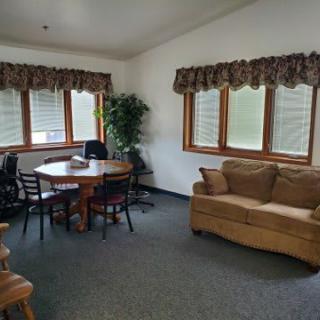
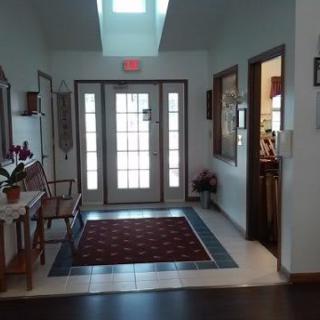
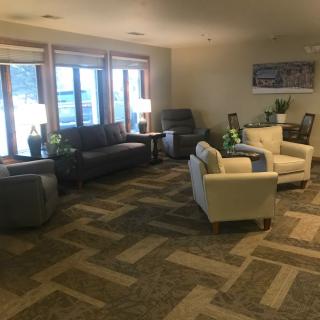
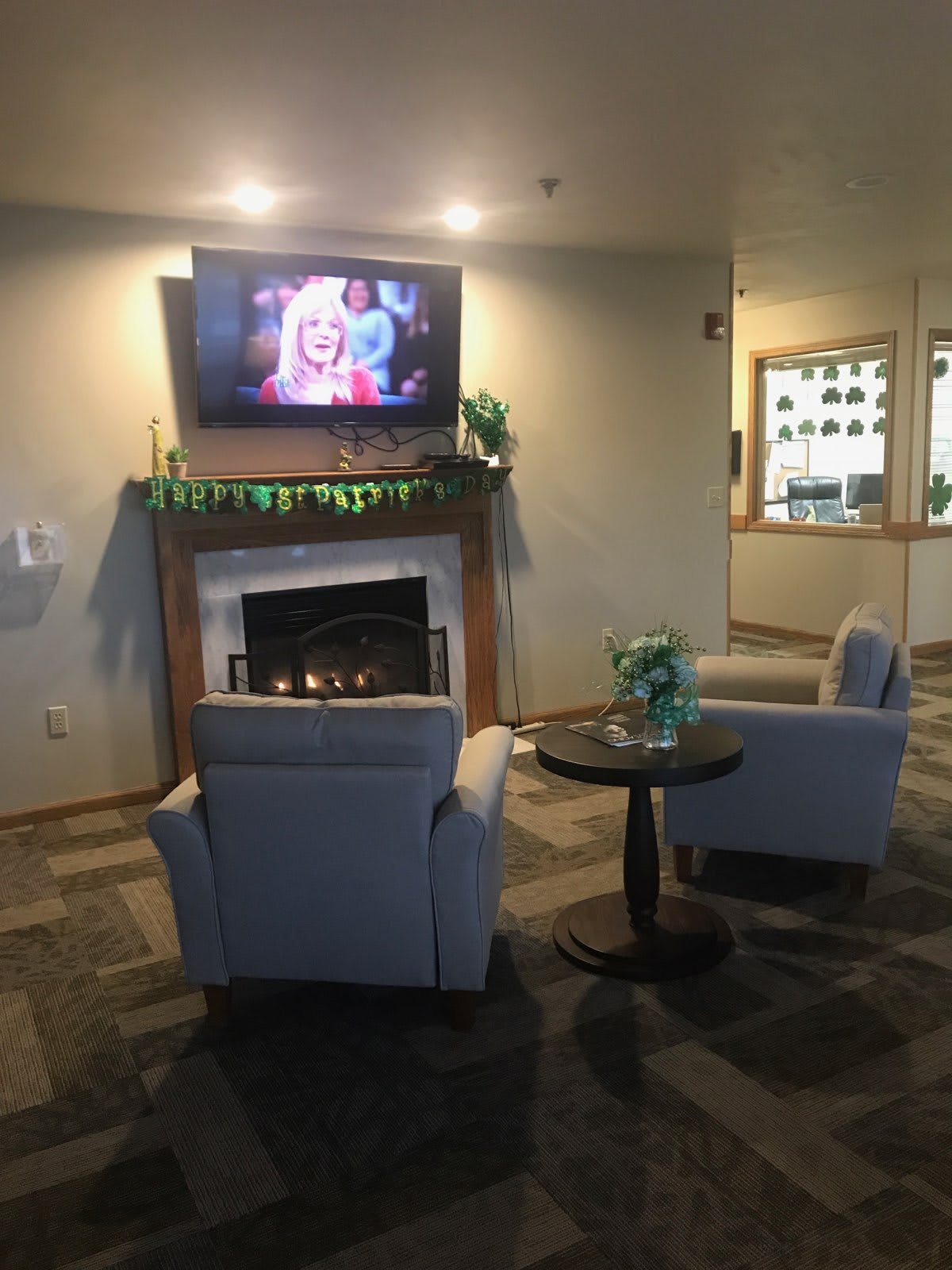
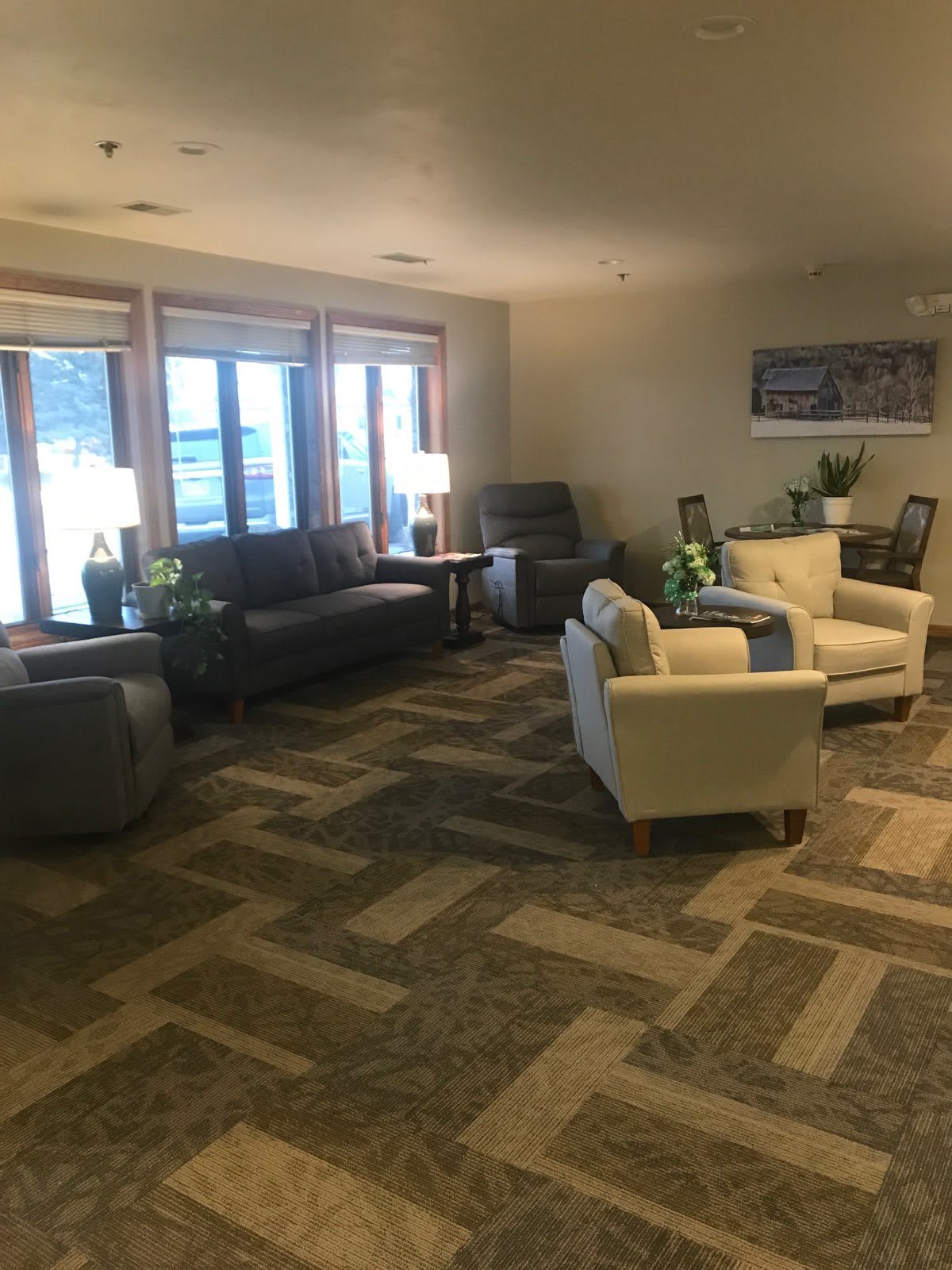
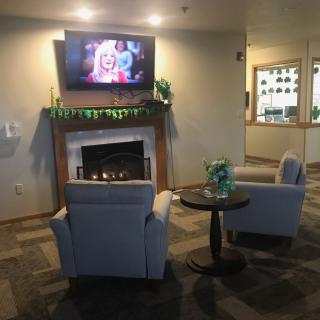
At Magnolia Meadows, we prioritize the comfort of our residents by offering fully furnished units with air-conditioning and cable or satellite TV. Our indoor common areas are designed for relaxation and socialization, while our outdoor space provides a peaceful environment for enjoying nature. Housekeeping services ensure that residents can enjoy a clean and tidy living environment.

We understand the importance of maintaining an active lifestyle, which is why we offer a variety of activities tailored to the interests and abilities of our residents. From on-site activities such as light therapy programs and scheduled daily activities to community-sponsored events and offsite devotional activities, there is always something engaging for everyone.

Dining at Magnolia Meadows is a culinary experience as we provide delicious meals that cater to special dietary restrictions. Our dedicated staff prepares and serves meals to ensure that residents receive proper nutrition.

Convenience is key at Magnolia Meadows with amenities such as Wi-Fi/high-speed internet, laundry services, move-in coordination, transportation arrangements (including medical appointments), and parking facilities. Additionally, there are two cafes nearby for socializing or grabbing a quick bite, three parks for recreational activities, 11 pharmacies for easy access to medications, 29 physicians for medical needs, 32 restaurants for dining options, 15 places of worship for spiritual fulfillment, one theater nearby for entertainment purposes, and seven hospitals within proximity for any emergency situations.

With our committed staff members providing compassionate care in a warm and welcoming environment, Magnolia Meadows ensures that every resident feels at home while receiving the support they need.

Nearby Places of Interest

This part of Manitowoc, Wisconsin offers a range of medical facilities, including physicians' offices, pharmacies, and hospitals, all within close proximity to each other. The area also boasts several places of worship for spiritual support and numerous parks for leisurely walks and outdoor activities. For entertainment options, there are theaters nearby as well as a variety of restaurants and cafes offering diverse dining experiences. Overall, this neighborhood provides convenient access to essential healthcare services and a vibrant community with plenty of amenities for senior residents to enjoy.

Physicians

  • Aurora Occupational Health (0.2 miles)
  • Aurora Manitowoc Clinic (0.2 miles)
  • Aurora Reed Ave Clinic (0.2 miles)
  • Holy Family Campus (0.3 miles)
  • Tamarak (0.3 miles)
  • Tamarack Behavioral Health Center (0.3 miles)
  • Benham Surgical Health Care (0.7 miles)

Pharmacies

  • Aurora Pharmacy (0.3 miles)
  • CVS Pharmacy (0.9 miles)
  • Manitowoc Pharmacies (1.6 miles)
  • Good Neighbor Pharmacy (1.8 miles)
  • Custom Health Pharmacy (1.9 miles)
  • Custom Health Pharmacy (2 miles)
  • Aurora Pharmacy (2 miles)

Hospitals

  • Holy Family Memorial (0.4 miles)
  • Holy Family Memorial (1.8 miles)
  • Hfm Sleep Program (1.8 miles)
  • Two Rivers Community Hospital - Rehabilitation Services, Patient Rooms (1.9 miles)
  • Kathryn A. Zavala MD (1.9 miles)
  • Aurora Medical Center (2.2 miles)
  • Tammi Gags MPAS, PA-C (2.6 miles)

Places of Worship

  • Holy Innocents Roman Catholic Church (0.7 miles)
  • St Francis of Assisi Parish (1.2 miles)
  • First Presbyterian Church (1.3 miles)
  • Lakeshore Unitarian (1.4 miles)
  • Society Of St. Vincent De Paul - Manitowoc (1.5 miles)
  • St Pauls Catholic Church - Rectory (1.9 miles)
  • Rosethorn Community Church (2 miles)

Parks

  • Lincolnshire Park (0.8 miles)
  • West of the Lake Gardens (1.1 miles)
  • Manitowoc Park & Recreation (1.9 miles)

Theaters

  • Dare To Dream Theatre (1.2 miles)

Restaurants

  • Tower Tavern (1.2 miles)
  • Van's Bar (1.4 miles)
  • Bakery On State (1.4 miles)
  • Pizza Garden (1.4 miles)
  • Maretti's Deli (1.5 miles)
  • Shooter Malone's (1.5 miles)
  • Revolutions Bar & Grill (1.6 miles)

Cafes

  • Dali's Cafe (1.6 miles)
  • Jenn's Java (1.9 miles)

Frequently Asked Questions

How much does it cost to live at Magnolia Meadows in Manitowoc, WI?
What floor plans and room types does Magnolia Meadows offer?
Where is Magnolia Meadows?
Does Magnolia Meadows provide care for residents with dementia or Alzheimer's disease?
What photos are available for Magnolia Meadows in Manitowoc, Wisconsin?

Nearby Communities

  • Bay At North Ridge Health And Rehabilitation

    Bay At North Ridge Health And Rehabilitation

    Manitowoc, WI

    3.1 from 26 reviews
     

    pro Vibrant community with on-site amenities and 24-hour care.

  • Manitou Manor Apartments

    Manitou Manor Apartments

    Manitowoc, WI

    2.3 from 3 reviews
     

    pro Close to cafes, restaurants, parks, pharmacies, physicians, places of worship, theaters, and hospitals.

  • Angelus Village Of Manitowoc I

    Angelus Village Of Manitowoc I

    Manitowoc, WI


    pro Specialized memory care with 24/7 staff and extensive on-site amenities.

  • Angelus Village Of Manitowoc II

    Angelus Village Of Manitowoc II

    Manitowoc, WI

    4.8 from 16 reviews
     

    pro Stunning, resort-like setting with spotless upkeep, delicious dining, and attentive staff.

  • Tlc Homes East Cedar

    Tlc Homes East Cedar

    Manitowoc, WI

    5 from 1 review
    $2,995 to $3,300 / month

    pro Small, intimate 8-unit community with comprehensive services and on-site dining.

  • Vista Care North 21St Street - AFH

    Vista Care North 21St Street - AFH

    Manitowoc, WI

    3.3 from 26 reviews
     

    pro Comprehensive care with 24/7 supervision and furnished living spaces.

  • Fieldcrest Manor

    Fieldcrest Manor

    Manitowoc, WI

    4.6 from 10 reviews
     

    pro Friendly, attentive staff; clean, well-maintained environment with good dining and activities.

  • Frontida of Manitowoc

    Frontida of Manitowoc

    Manitowoc, WI

    3.8 from 29 reviews
    $5,475 / month

    pro Caring, responsive staff in a clean, comfortable environment with engaging activities.

  • Wisteria Haus

    Wisteria Haus

    Two Rivers, WI

    4 from 2 reviews
    $3,500 to $5,100 / month

    pro Compassionate staff, private rooms, and engaging activities.

Related Resources

  • dementia hallucinationsDementia-Related Hallucinations: Causes, Experiences, and Practical Approaches

    Dementia, particularly Lewy body dementia, often involves hallucinations that can significantly distress both patients and caregivers due to disruptions in sensory processing and neurotransmitter imbalances. Effective management includes compassionate communication, environmental adjustments, and a multidisciplinary approach to care while addressing the emotional needs of caregivers.

  • alzheimer's factsIlluminating Insights About Alzheimer's Disease: Ten Crucial Realities

    Alzheimer’s disease is a progressive neurological disorder that significantly impacts memory and cognitive functions, accounting for 60-80% of dementia cases, with early diagnosis being crucial yet challenging. It involves brain changes like beta-amyloid plaques and tau tangles, influenced by genetic and lifestyle factors, and while there is no cure, symptom management and support for caregivers are essential.

  • list of drugs linked to dementiaA Thorough Discussion of Medications Potentially Linked to Dementia Risk
    Dementia, influenced by aging and certain medications, may be exacerbated by drug classes such as anticholinergics, benzodiazepines, and antipsychotics, which are associated with cognitive impairment. Regular medication reviews by healthcare professionals are crucial for older adults to manage risks and optimize cognitive health.