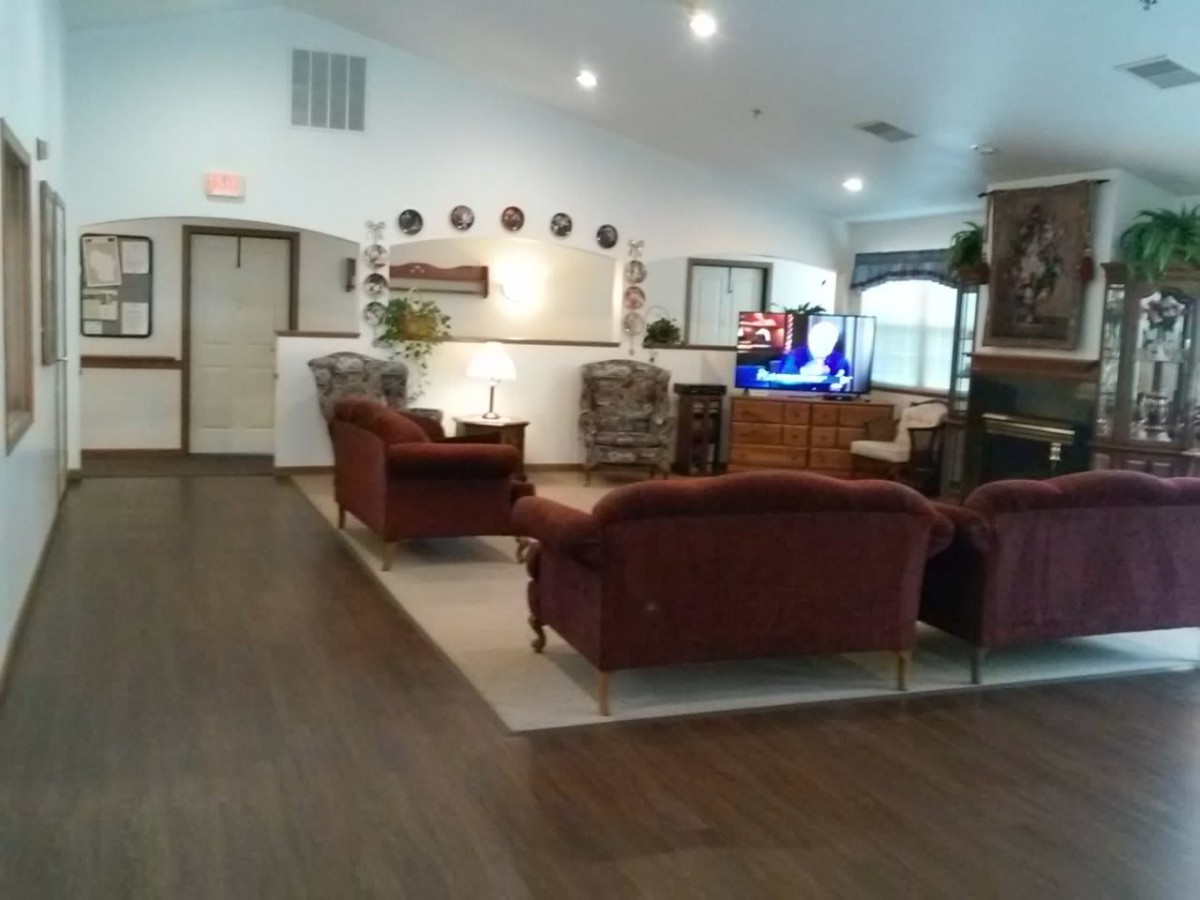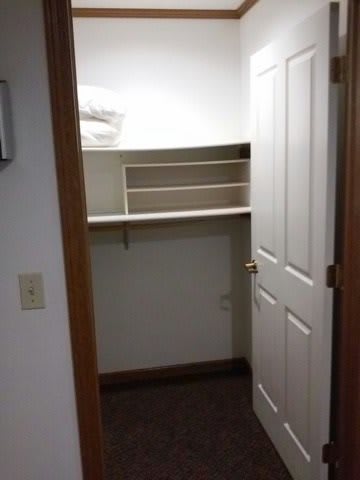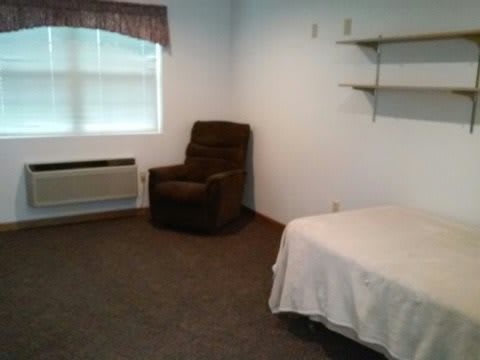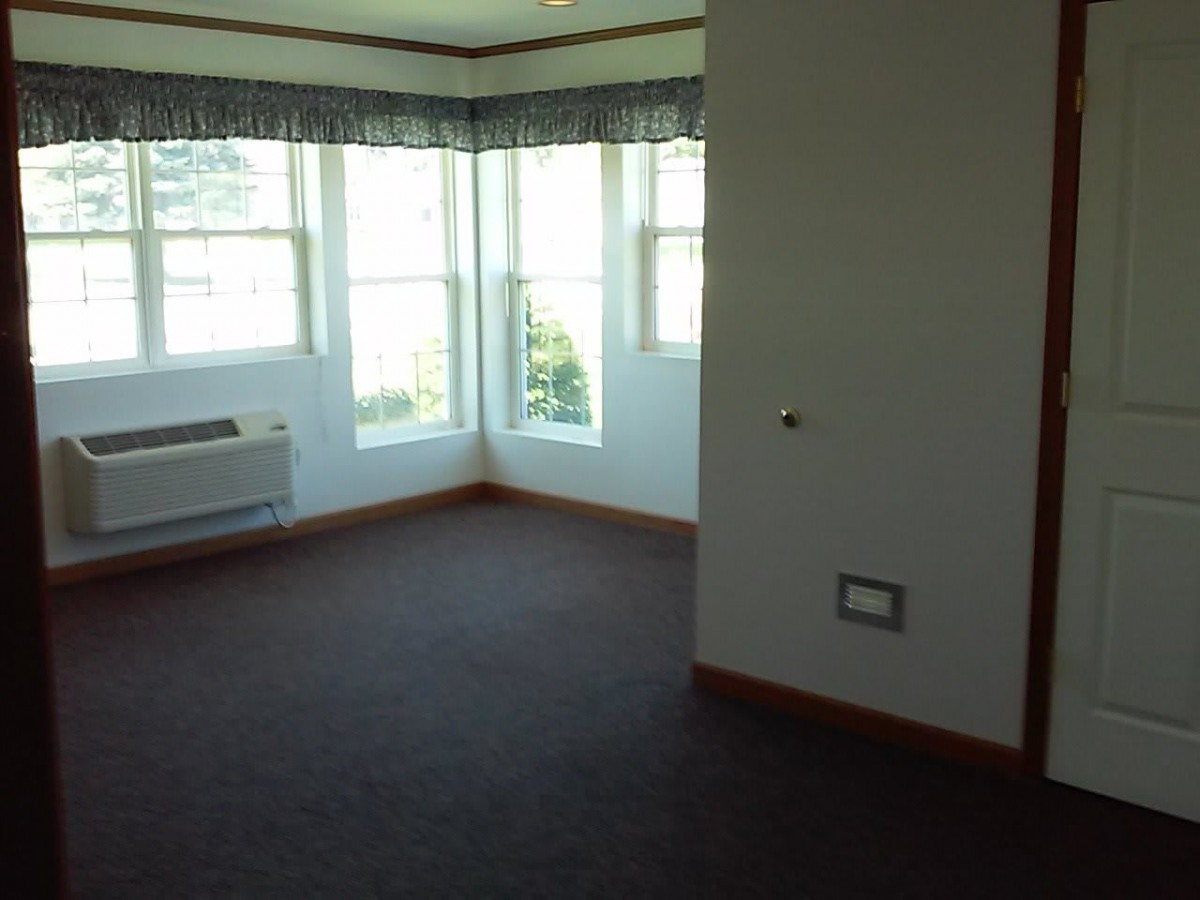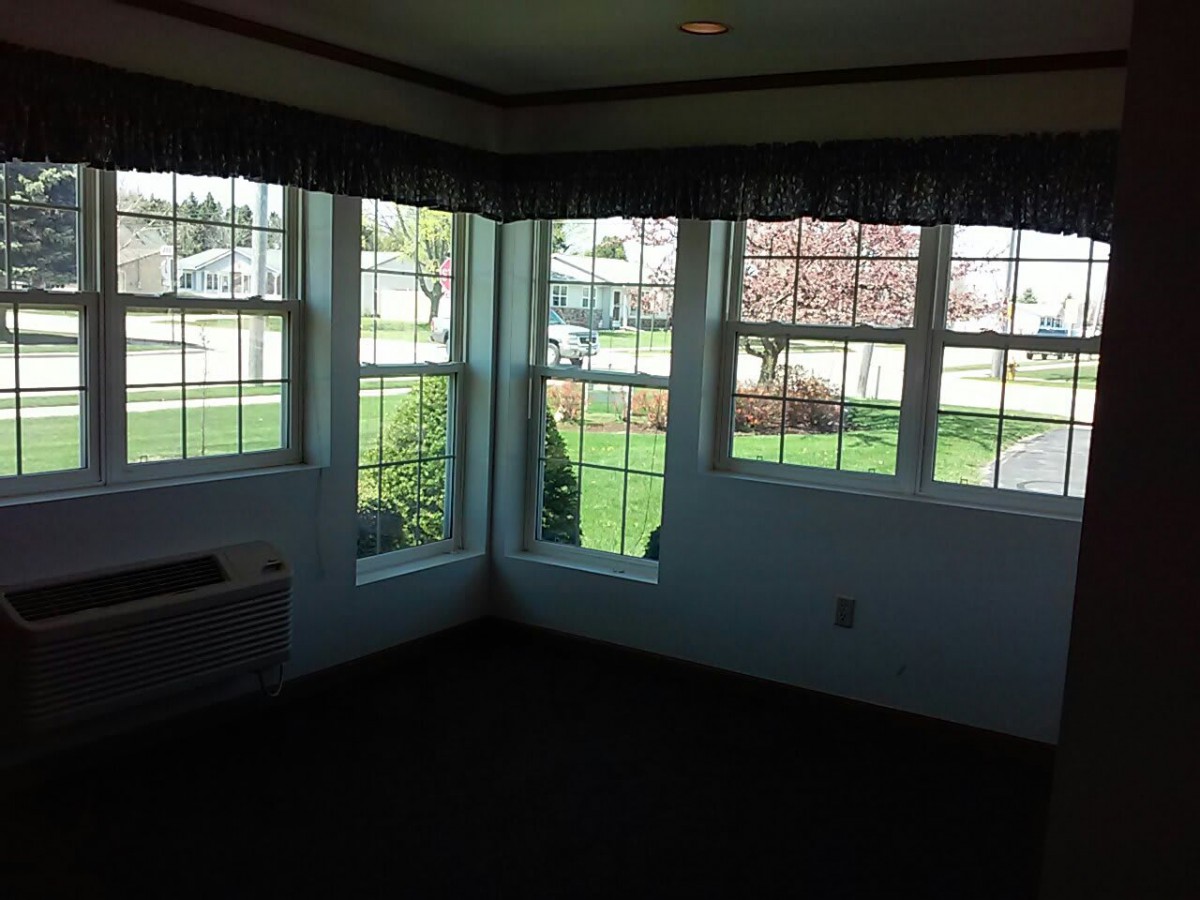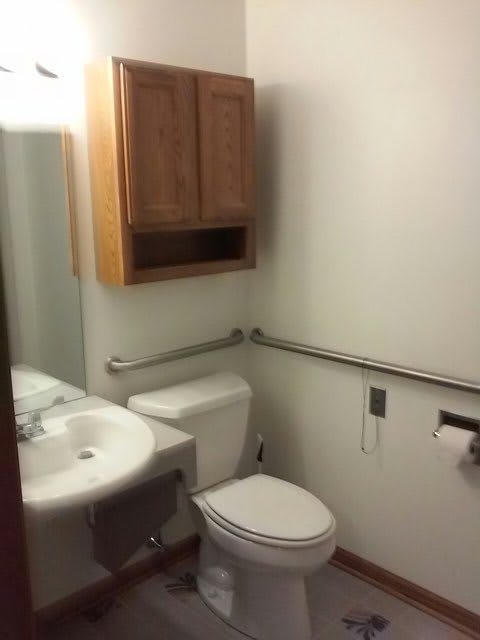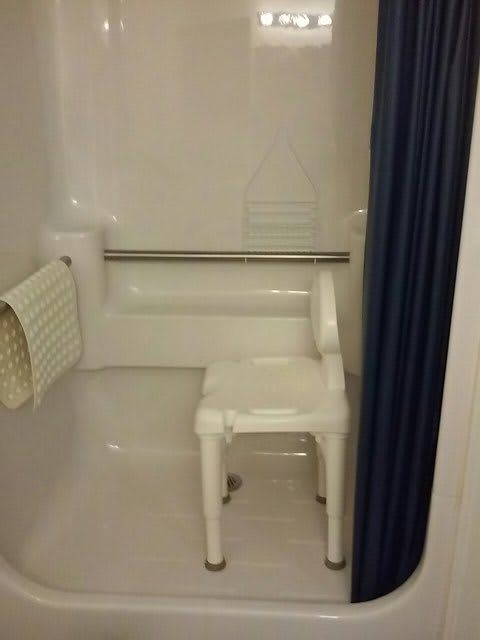


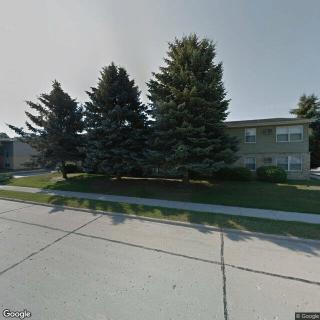
2741 45 Th Street, Two Rivers, WI 54241
For more information about senior living options: (866) 208-4318
Wisteria Haus Costs & Pricing
Wisteria Haus offers competitive pricing for its accommodations when compared to both Manitowoc County and the broader Wisconsin market. For studios, Wisteria Haus charges $3,500 per month, which is notably lower than the county's average of $3,933 and slightly below the state average of $3,999. In the one-bedroom category, however, Wisteria's rate of $4,100 exceeds both local and state averages of $3,473 and $3,412 respectively. Conversely, Wisteria's two-bedroom units are priced at $5,100 per month, which is significantly higher than the county's average of $3,209 and the state's average of $3,111. This pricing structure indicates that while Wisteria Haus may be a cost-effective option for studio renters, it positions itself differently in the one- and two-bedroom markets within the region.
| Floor plans | Wisteria Haus | Manitowoc County | Wisconsin |
|---|---|---|---|
| Studio | $3,500 | $3,933 | $3,999 |
| 1 Bedroom | $4,100 | $3,473 | $3,412 |
| 2 Bedrooms | $5,100 | $3,209 | $3,111 |
Assisted Living communities with a similar price nearby
-
from -$635 / mo

Wayside Parkview Estates
$2,865 to $4,441 / month18.6 miles away -
from -$200 / mo
Scandinavian Court Assisted Living
$3,300 / month17.1 miles away -
from +$625 / mo
Harbor View
$4,125 to $4,300 / month7.1 miles away -
About the same

Meadow View Assisted Living
$3,400 / month0.5 miles away -
from -$300 / mo
Magnolia Meadows
$3,200 / month5.3 miles away
Overall Review of Wisteria Haus
Pros
 Most of the caregivers were very good.
- They treated mom with kindness and respect.
- This is a wonderful assisted living/nursing home type place.
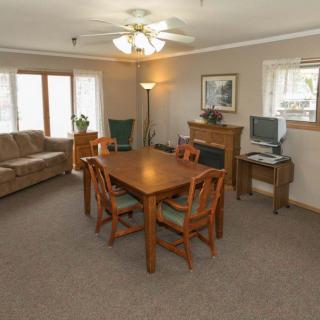
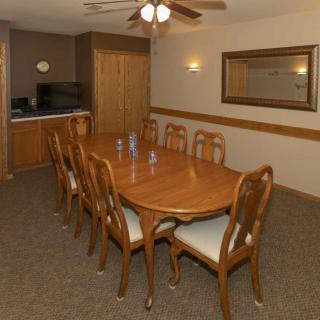
- The facility offers private rooms and group meals with very good food.
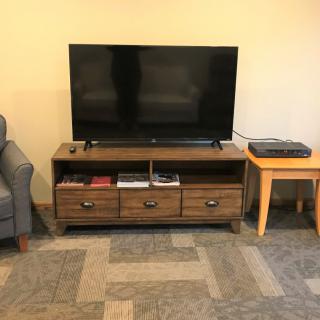
- Entertainment is always offered for residents.
- Hospice stays are allowed, providing comfort at end of life.
- The care provided is excellent.
- The community is blessed to have this facility.
Cons
 The manager consistently sided with a caregiver who was not very nice to some residents.
- Mom's payments rose twice within a year.
- One caregiver was very unprofessional.
- One caregiver claimed the place was peaceful until mom arrived.
- The caregiver didn't like that mom spoke up for residents who couldn't speak up.
Review
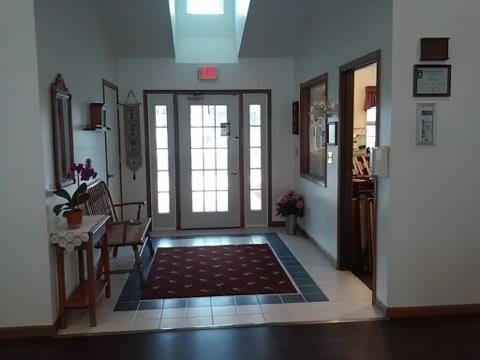
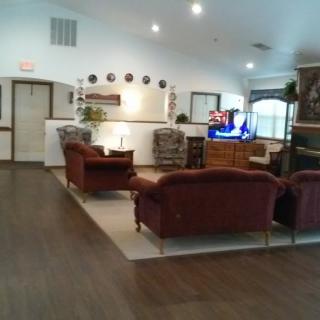
Wisteria Haus is best suited for seniors who want a warm, home-like setting where private rooms, regular group dining, and a lively activity calendar are the norm, and where hospice care can be integrated as needed. This community clearly rewards residents who value personal interaction with caregivers and a social atmosphere that keeps days busy. Families seeking a sense of community, accessible entertainment, and consistent in-house care will find the offering aligns well with those priorities, especially for residents who thrive on daily structure and companionship.
Those who may want alternatives are typically those who require meticulous cost predictability, zero tolerance for any staffing friction, or highly consistent, uniformly governed care. The two- review picture hints at uneven administrative alignment and a caregiver dynamic that can color the overall experience. If a family prioritizes transparent price stability, rigorous escalation procedures, and a consistently balanced approach to all staff members, this is a setting where it pays to probe deeper and compare against facilities with more standardized governance.
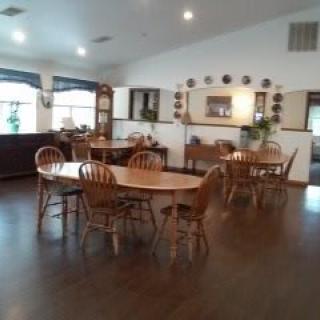
Among the strongest positives, residents enjoy the comfort of their own private rooms and the social convenience of eating together as a group, paired with meals that are described as very good. Beyond food, the facility sustains a robust entertainment lineup, which helps mitigate isolation and supports ongoing engagement. The ability to stay with hospice reflects a capacity to support residents through different stages of aging and illness, a critical feature for families planning long horizons. In one review there is explicit praise for the overall standard of care, underscoring that the caregiving staff, when aligned, can deliver compassionate, respectful support.
The main concerns center on management and interpersonal dynamics within the care team. One review notes that the manager tended to side with a caregiver who was not always kind to residents, a dynamic that can undermine trust and the perceived fairness of care. An individual caregiver described as unprofessional, paired with the pricing reality of two annual increases, creates a tension between affordability and perceived value. For families with relatives who are quiet or less able to advocate for themselves, such patterns can become a real risk if not actively addressed. The presence of a caregiver who tensions others and the potential for price creep are meaningful red flags to weigh against the positives.
The strongest way the positives offset the negatives is through durable, everyday care and a living environment that encourages social connectedness. When staff are largely kind and respectful, the private rooms and group dining become anchors of comfort rather than optional amenities. The proven ability to support hospice means families can plan around end-of-life care without relocating, a substantial value for those with progressive needs. To maximize value, prospective residents should request clarity on pricing controls, communicate expectations up front, and seek a clear path for issue resolution with the administrator. A plan to rotate staff responsibly and to monitor the caregiver dynamic can help preserve the positive day-to-day experience even if a supplier relationship sours.
For decision-making, conduct a focused visit with a checklist: ask for a plain-English pricing schedule showing all recurring increases, confirm what services are covered, and verify how price changes are communicated. Request a tour of how staff interact with residents across shifts, and speak with multiple caregivers to gauge consistency. Inquire about incident reporting, complaint resolution, and whether the administrator routinely manualizes feedback into practice. If the goal is a lively, community-centered setting with strong caregiver warmth and hospice compatibility, Wisteria Haus earns serious consideration. If the priority is unwavering staffing harmony and price predictability with zero behavioral risk, exploring alternatives with more uniform governance and visible accountability is advised.
 17 resident community capacity
 Assisted Living
 Board and Care Home
 Independent Living
 Activities on-site
 Air-conditioning
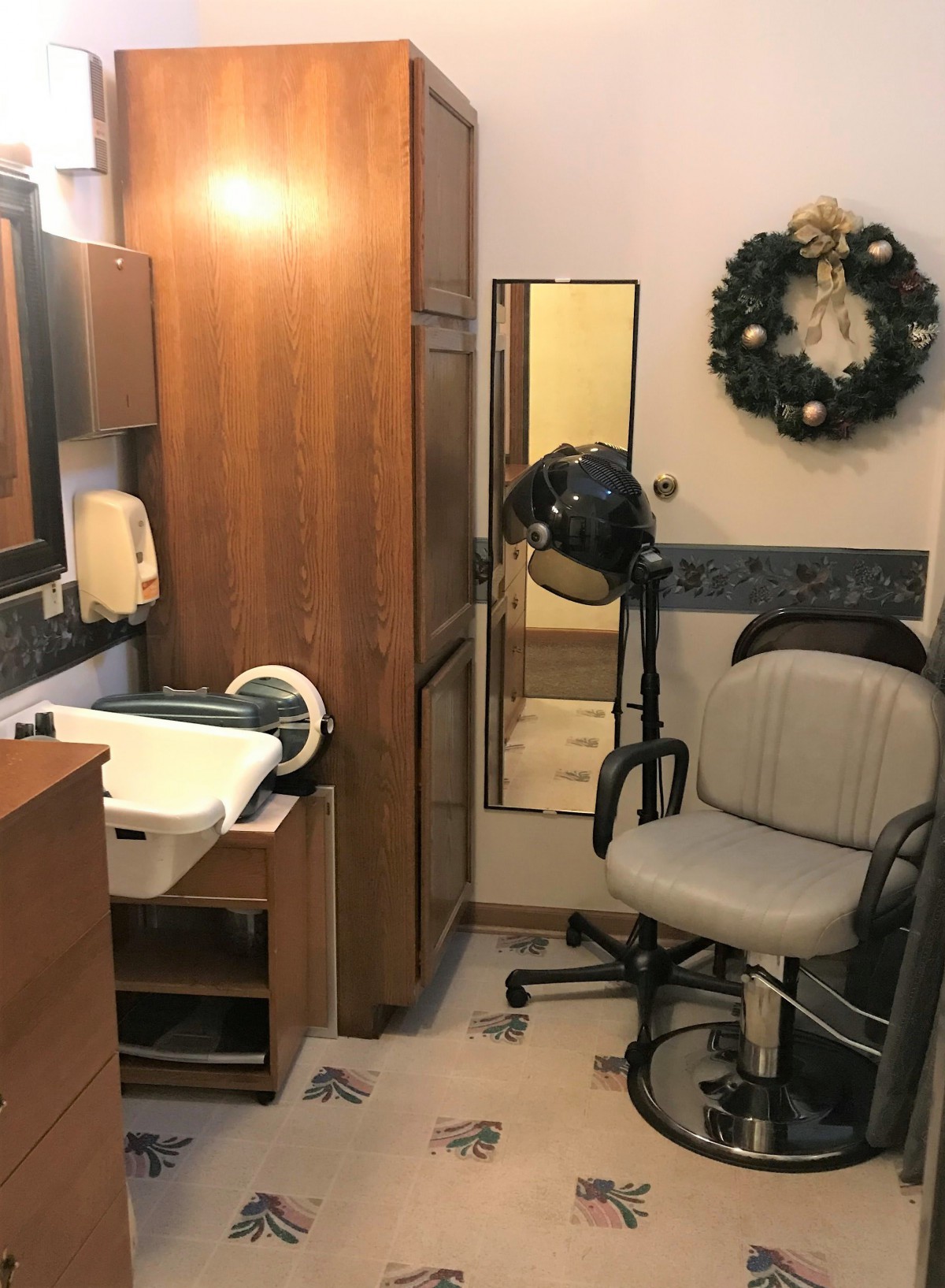
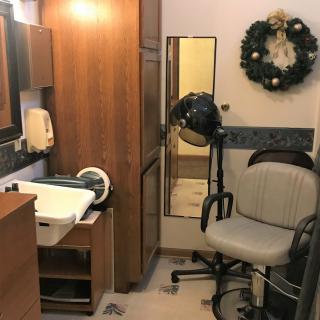
 Beautician on-site
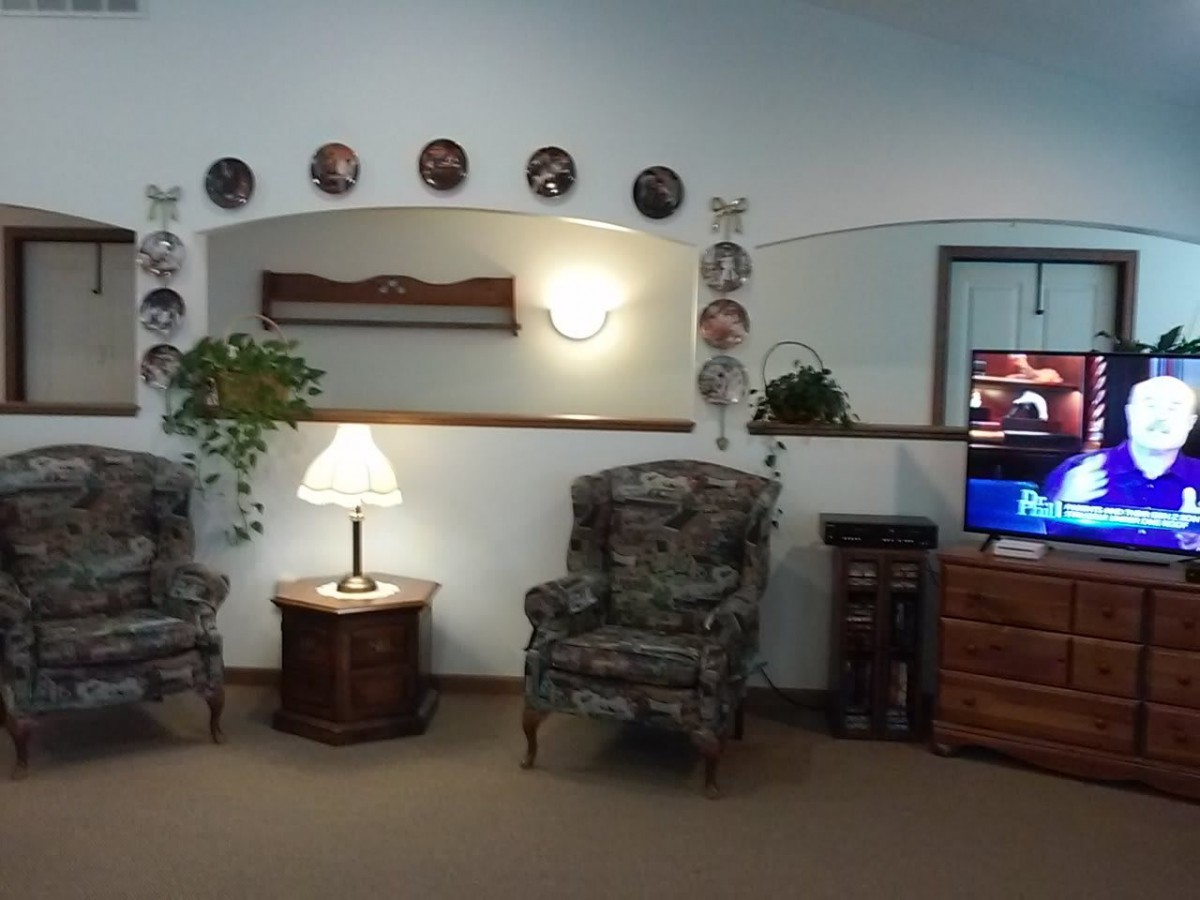
 Cable or satellite TV
 Devotional services off-site
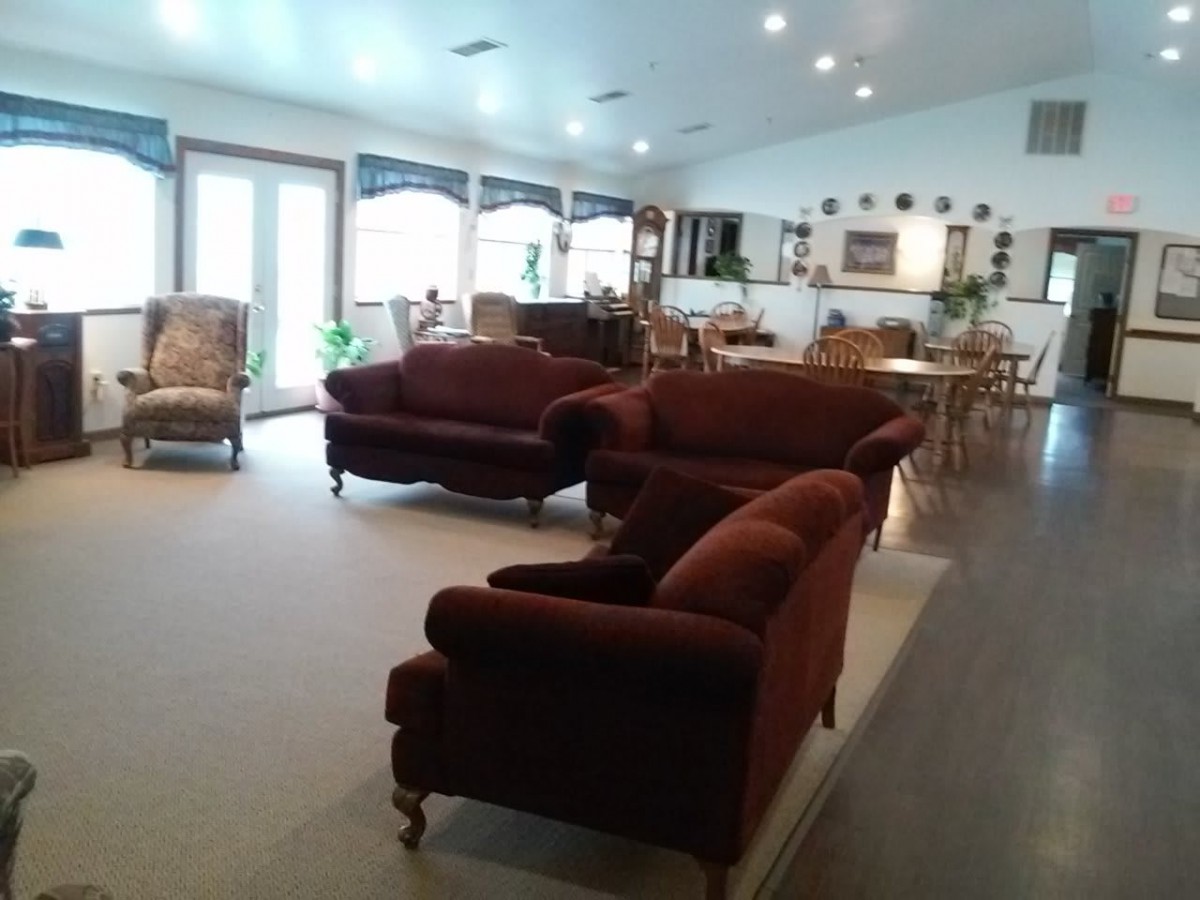
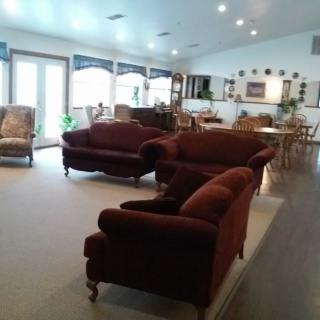
 Dining room
 Fully furnished
 Garden
 Ground floor units
 Housekeeping services
 Indoor common areas
 Move-in coordination
 Outdoor common areas
 Telephone
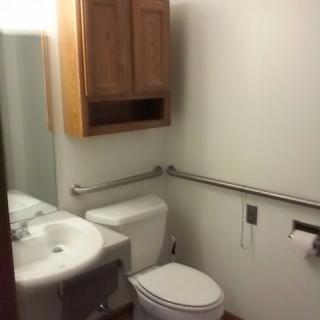
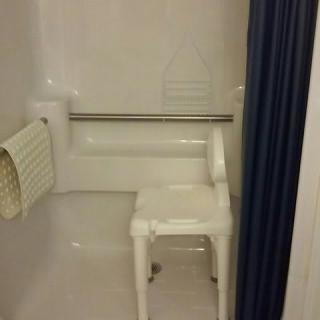
 Wheelchair accessible showers
 Wi-Fi/high-speed internet available
 24-hour supervision
 Ambulatory care
 Assistance with bathing
 Assistance with dressing
 Assistance with transfers
 Diabetes diet
 Diabetic care
 Incontinence care
 Meal preparation and service
 Medication management
 Special dietary restrictions
 Transportation arrangement (medical)
 Transportation to doctors appointments
 Art classes
 BBQs or picnics
 Birthday parties
 Cooking classes
 Karaoke
 Live dance or theater performances
 Live musical performances
 Live well programs
 Trivia games


 Comprehensive Residential Support and Assisted Living Solutions for Individuals with Disabilities
 Comprehensive Supportive Living Arrangements for Adults with Disabilities
 Funding and Affording Assisted Living: A Thorough Overview