
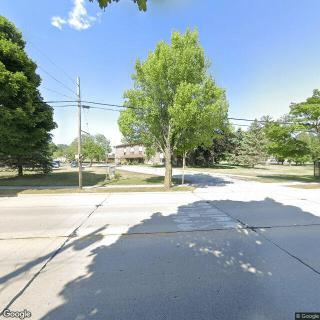
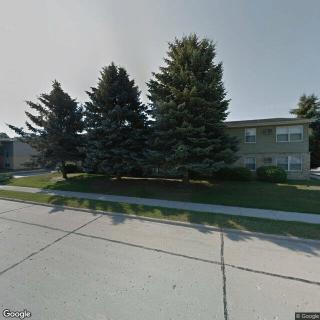
1 Hamilton Drive, Two Rivers, WI 54241
For more information about senior living options: (866) 208-4318
Overall Review of Atrium Post Acute Care Of Two Rivers
Pros
 Missy loves her room, all of the staff, and the food and the awesome care that she has been receiving.
- My grandmother likes it and the staff seem nice.
- My grandmother has been at the facility for a short period of time now and this is the first place that she has actually been well taken care of compared to prior places.
- The staff are very caring and thoughtful.
- The best part, however, is the staff.
- Excellent care of my grandma!
Cons
 The management cares only about the dollars in their pockets and has no human compassion.
- The facility is chronically understaffed, leading to a decline in residents and minimal therapy.
- Incompetence is rampant here, and loved ones should stay far away.
- A resident suffered after surgery due to a lack of appropriate pain medication.
- Admissions are improper, with safety lapses and unprofessional, rude staff, along with no proper pain management.
- Some healthcare workers there do not care for patients’ needs.
Review
Atrium Post Acute Care Of Two Rivers is best suited for families that can stay actively involved in a resident’s care and want a setting where warmth and personal attention can shine when the staff is fully staffed. The facility can deliver a comfortable environment, with residents appreciating helpful aides, approachable nurses, and meals that many families note as pleasant. It works best for short- to mid-term recovery when a trusted advocate is available to monitor therapy progress, med reconciliation, and daily care decisions, and to push for timely responses and clear communication.
Those who should consider alternatives are residents with ongoing, high-intensity medical needs or cognitive or functional challenges that demand consistent, around-the-clock nursing and rigorous, double-checked therapy progression. If a facility’s staffing levels are unreliable, or if past experiences with understaffing and delayed care have caused concern, it is prudent to screen other options. For families without the bandwidth to supervise care closely, the variability in experiences here could translate into uneven outcomes and frustration.
The strongest positives, genuine kindness from some staff, responsive communication when families are present, and solid day-to-day cleanliness and dining, can offset significant concerns only insofar as reliable staffing is in place. When nurses and aides are available and engaged, residents appear to receive attentive bedside care, and families feel reassured. However, those benefits recede quickly on days or shifts when staffing is thin, making timely pain control, assistance with the bathroom, and timely therapy sessions less predictable than expected.
The bottom line on risk centers on staffing reliability and consistency of medical management. There are ongoing reports of understaffing and uneven care quality, including delayed responses to call lights, gaps in pain management after procedures, and lapses in proper admission procedures and basic supplies. Such inconsistencies undermine trust in the care process and can derail post-acute goals, particularly for residents who were counting on steady therapy and clear, proactive nursing oversight. Even when moments of excellent care appear, they can be overshadowed by the perception that care quality hinges on which staff member is on shift.
Prospective families should verify several critical factors before choosing. Request current nurse-to-patient and aide-to-patient ratios, and ask how therapy is scheduled and tracked, how often the resident receives therapy and who documents progress. Inquire about pain management policies, response times to call lights, and post-surgical or post-therapy recovery protocols to ensure there is a consistent plan. Inspect admission procedures for thoroughness, check room supplies and safety features like rails and temperature controls, and talk to several current residents or family members about their day-to-day experiences. A candid questions-to-staff exchange now can reveal whether this community meets the resident’s needs or if better fit options exist.
Ultimately, this community can be a practical choice for those who can maintain active oversight and prioritize a homey, compassionate environment during a controlled recovery window. For residents whose care hinges on unwavering staffing, steady therapy intensity, and rigorous medical management, alternatives with demonstrated consistency are worth pursuing. The decision hinges on whether a willing, vigilant family can bridge gaps when the inevitable staffing variability arises, or whether a facility with a steadier, more predictable care trajectory is a safer long-term match.
 80 resident community capacity
 Skilled Nursing Facility
 Air-conditioning
 Beauty salon
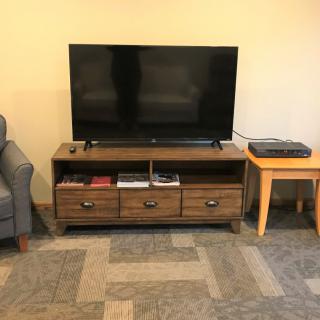
 Cable or satellite TV
 Computer center
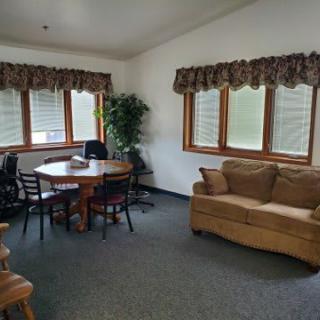
 Dining room
 Fitness room
 Fully furnished
 Gaming room
 Garden
 Housekeeping services
 Kitchenette
 Move-in coordination
 Outdoor space
 Private bathrooms
 Restaurant-style dining
 Small library
 Telephone
 Wellness center
 Wi-Fi/high-speed internet available
 Community operated transportation
 12-16 hour nursing
 24-hour call system
 Activities of daily living assistance
 Assistance with bathing
 Assistance with dressing
 Assistance with transfers
 Diabetes diet
 Medication management
 Mental wellness program
 Special dietary restrictions
 Concierge services
 Planned day trips



 Exploring Nonmedical Home Care: Understanding Services, Costs, and Financial Approaches
 Engaging Brain Games and Innovative Apps to Keep Senior Minds Active
 Effective Strategies for Keeping Seniors' Minds Active: A Deep Dive into Brain Games and Apps