

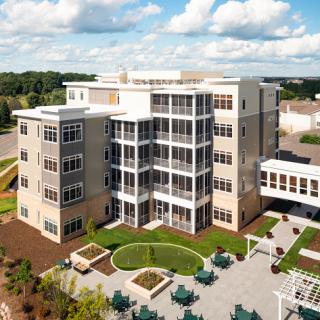


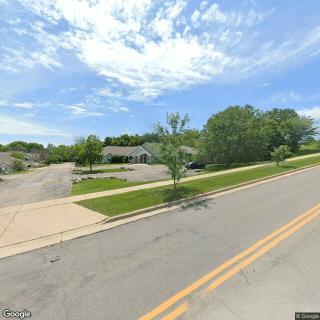
5565 Tancho Drive, Madison, WI 53718
For more information about senior living options: (866) 208-4318
Overall Review of Oakwood Seasons
Pros
 They are very happy living at Oakwood Village Prairie Ridge.
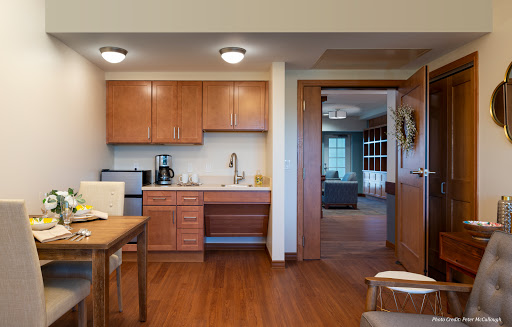
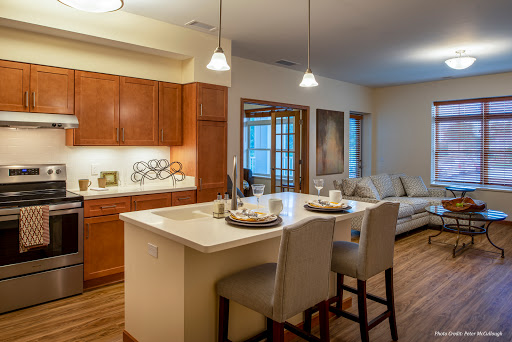
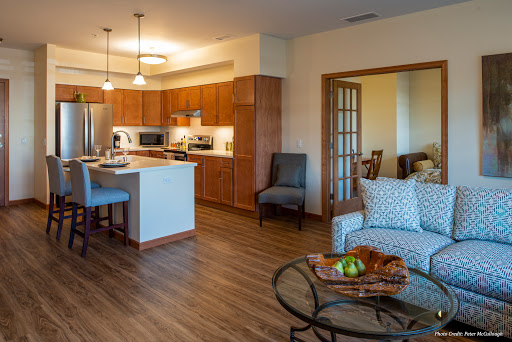
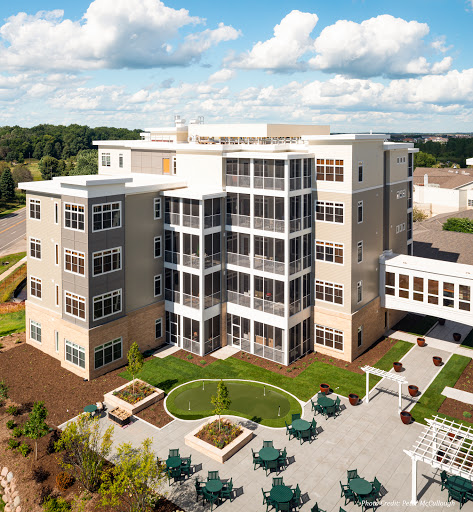
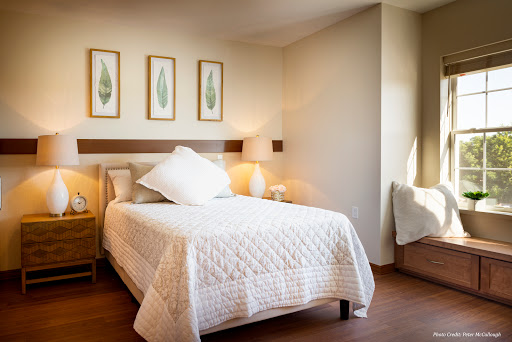
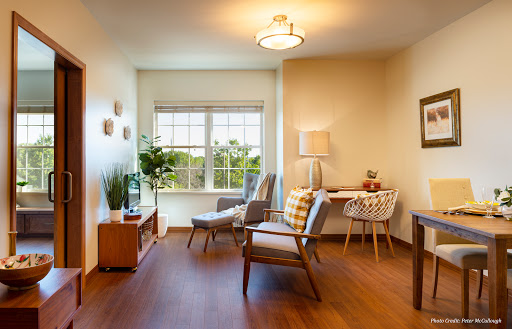
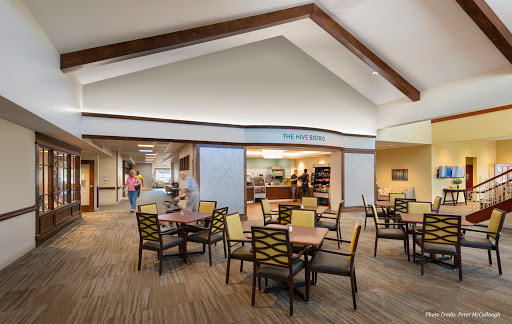
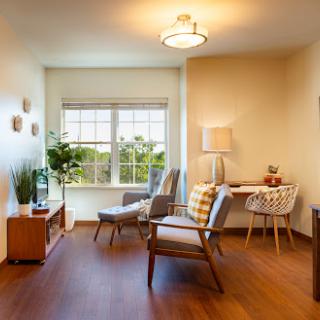
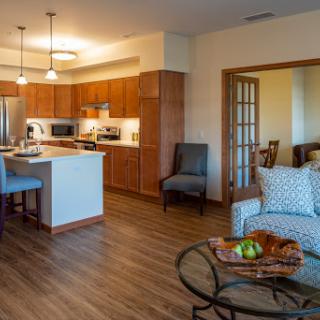
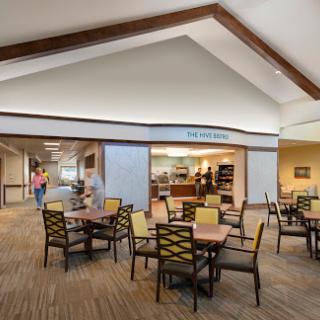
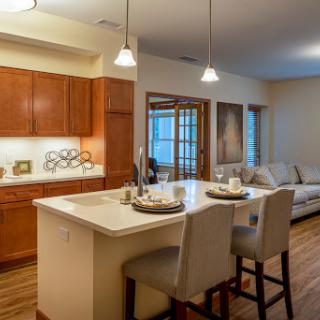
- They enjoy a spacious apartment with beautiful views, a large screened balcony, and upscale in-house dining that feels like a 5-star restaurant and Bistro.
- The Prairie Rose Restaurant makes everything in-house and employs a full-time pastry chef, offering high-quality steaks, pork, chicken, salmon, and daily specials, along with an excellent wine selection.
- Oakwood Village Prairie Ridge provides a lively calendar of daily activities and clubs, including the Handyman's Club.
- The staff are fantastic, friendly, and caring.
- The community feels like a big hug, with many tenants becoming friends.
- The staff-to-resident ratio is strong, helping ensure residents receive the care they need.
- There are social workers and staff who come in to play music or read, and activities like bingo and crossword puzzles.
- The food offerings are varied and appealing.
- The facility is clean and includes a coffee shop, contributing to a pleasant atmosphere.
Cons
 The TVs were old and of poor quality, so they had to buy a replacement.
- There were limited activities available.
- They didn’t allow residents to go in and out freely because of COVID.
- Phone calls weren’t returned promptly; sometimes it took days.
- It was too expensive.
- The continuing care was in need of repair.
Review
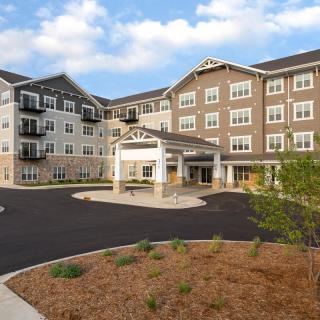
Oakwood Seasons, anchored at Oakwood Village Prairie Ridge in Madison, is best suited for couples and independent-minded seniors who want a vibrant, restaurant-quality lifestyle on campus and a clear path to higher levels of care if needs change. The community shines where dining is concerned: in-house cuisine prepared by a dedicated restaurant operation, staffed pastry expertise, and a regularly changing menu with daily specials and wine options. Residents report spacious apartments with generous views and screened balconies, paired with a calendar packed with social clubs, workshops, and hands-on activities. For families seeking a warm, engaged atmosphere where staff are described as fantastic and genuinely caring, this campus delivers on connection and comfort.
That said, considerations should guide those who may want alternatives. Individuals prioritizing a leaner activity schedule or more budget-conscious options may find the calendar and programming uneven over time, with some residents noting limited activities beyond the core offerings. Communal amenities and character of the space can matter more than glitz, so families that require consistently high-energy engagement and a wide variety of daily events may prefer another community. Additionally, while the dining and social fabric are strong selling points, the cost of the overall package can be a stumbling block for some families, especially if long-term affordability is a central constraint.
The strongest upside centers on how the key positives offset notable tradeoffs. The dining program stands out as a true differentiator: handcrafted, in-house meals with a pastry program and a restaurant-like dining rhythm elevate everyday living and create meaningful social moments around meals. The robust staff environment, described repeatedly as friendly, attentive, and well-aligned with resident needs, modulates the intensity of daily living and supports meaningful relationships among neighbors. A large, active calendar, plus a demonstrated openness to clubs and volunteer-style activities (from handyman projects to music and reading sessions), helps residents build a sense of belonging that can be hard to recreate in other settings.
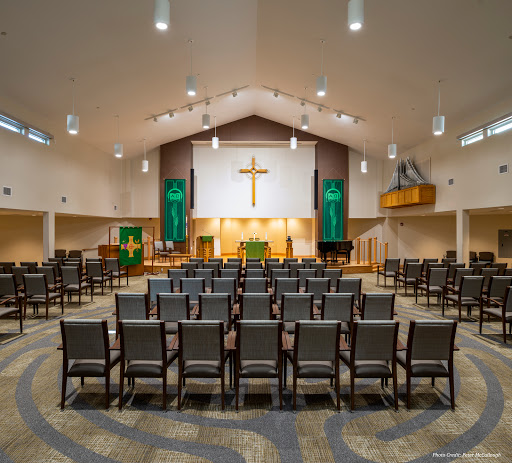
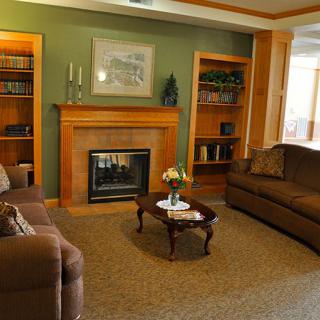
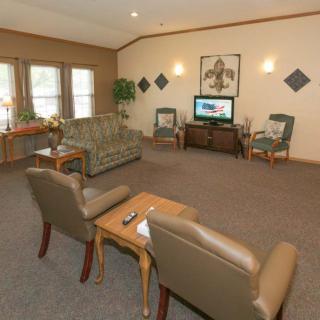
Another layer of offset comes from the continuum of care available on site. The campus is not limited to independent living; it also supports rehabilitation and skilled care on adjacent units, with a noted high staff-to-resident ratio and access to social workers, games, and organized programming. This combination provides reassurance for families worried about a future health transition, because vetted support and familiar faces are already on hand. Clean facilities, a coffee shop, a library, and fireplaces in common areas contribute to a comfortable, home-like environment that reduces the dislocation often felt when moving to care communities.
However, several concrete caveats surface in the resident experience. While most praise the dining and care culture, some reviews flag older equipment, such as televisions in certain suites, and a general sense that some spaces could benefit from updates or repairs. Occasional delays in returning calls or information, and comments about cost, appear as friction points that potential residents should verify directly with the community. The third-party reviews also reveal a split in activity intensity, what feels like plenty to one person can feel limited to another, so expectations about daily programming should be aligned with personal energy and social tempo.
In practical terms, Oakwood Seasons serves best as a strong, well-rounded option for active seniors who value an upscale food-and-friend network, a visible commitment from staff, and a campus capable of supporting rehabilitation if needed. It is less ideal for families seeking the most budget-conscious choice, the most minimal activity cadence, or those who demand uniform modernization across every apartment and amenity. Prospective residents should prioritize a visit focused on dining experiences, observe the dining flow across meals, test drive the activity calendar for several weeks, and assess whether the on-site rehab pathway matches anticipated health trajectories. A candid talk about pricing, potential room upgrades, and responsiveness will help ensure the fit is precise.
 20 resident community capacity
 Assisted Living
 Board and Care Home
 Beauty salon
 Cable or satellite TV
 Dining room
 Fully furnished
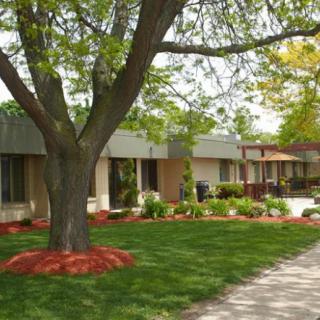
 Garden
 Housekeeping services
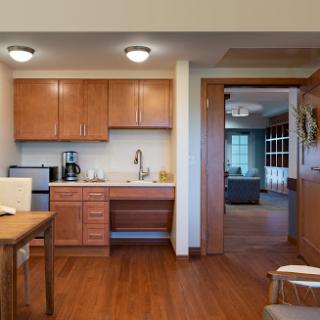
 Kitchenette
 Move-in coordination
 Outdoor space
 Telephone
 Wi-Fi/high-speed internet available
 Dane County Regional (3 miles away)
 24-hour call system
 Activities of daily living assistance
 Assistance with bathing
 Assistance with dressing
 Assistance with transfers
 Diabetes diet
 Meal preparation and service
 Medication management
 Mental wellness program
 Special dietary restrictions
 Transportation arrangement (medical)
 Transportation to doctors appointments


 Beyond the Bingo Hall: 50+ Enriching Activities for Seniors in Assisted Living
 Understanding the Distinctions: Assisted Living and Memory Care Explained
 Guiding Elderly Parents Who Refuse Assisted Living: 6 Practical Steps