Cedarhurst of Madison offers competitive pricing for its residents compared to both Dane County and the broader Wisconsin state averages. For studio apartments, residents pay $2,750 per month, significantly lower than the county's average of $4,418 and also below the state average of $3,999. One-bedroom units are similarly priced at $2,800, contrasting sharply with the county's $4,101 and offering considerable savings in comparison to the state's average of $3,412. Even for those seeking more space with two-bedroom accommodations, Cedarhurst remains an appealing choice at $3,500 - still competitive against Dane County's higher average of $4,345 and Wisconsin's average of $3,111. Overall, Cedarhurst of Madison presents an attractive option for individuals or families seeking quality living arrangements while being mindful of their budget.
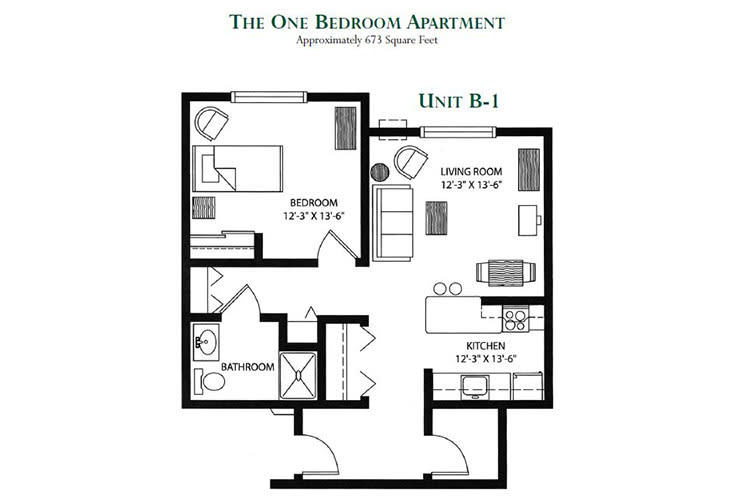
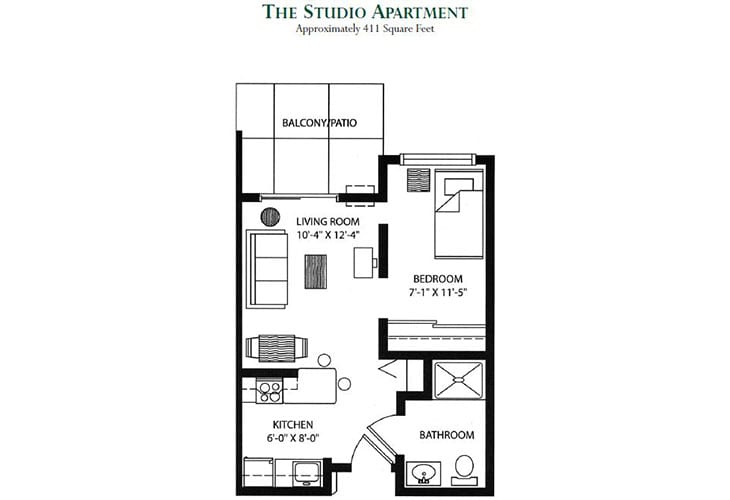
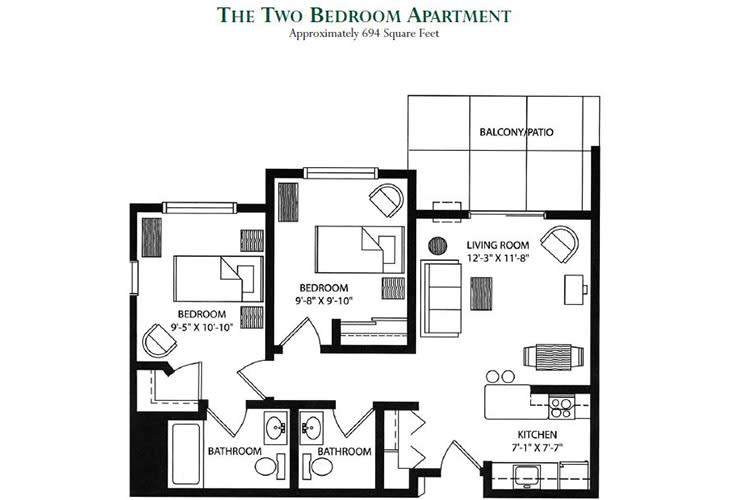
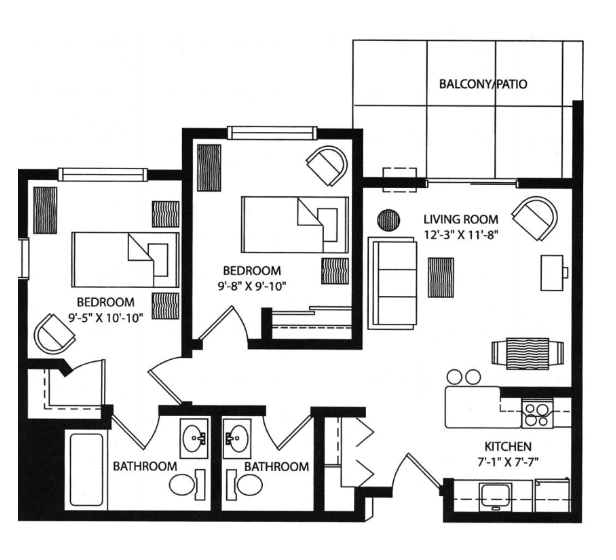
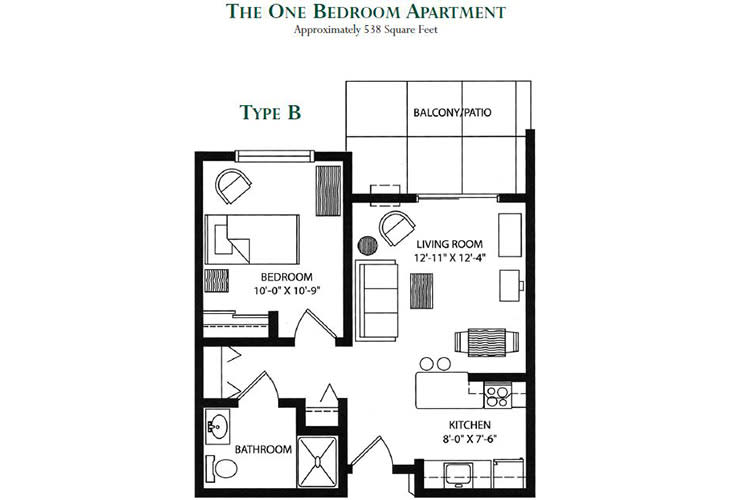
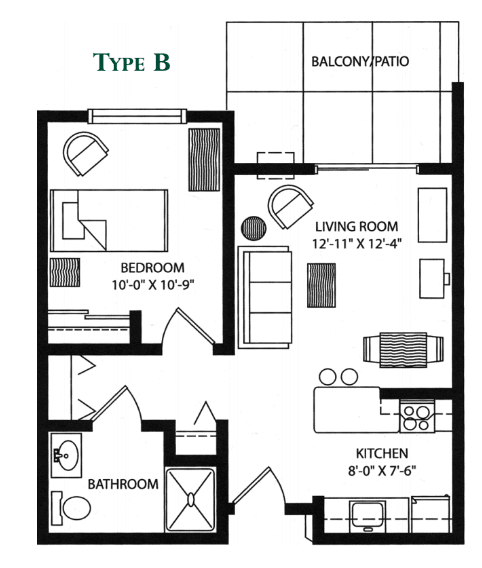
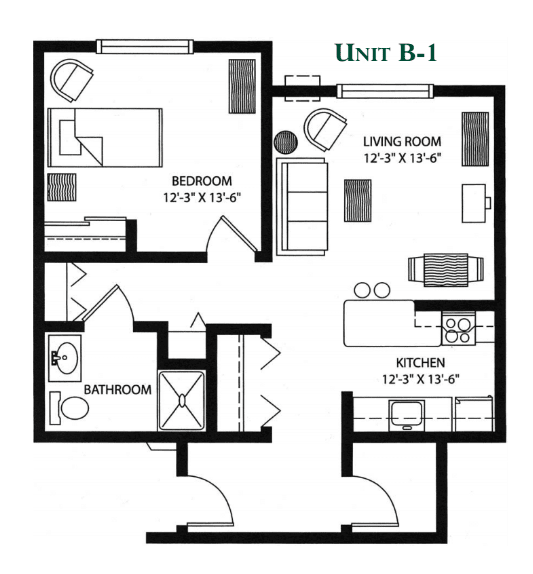
Floor plans
Cedarhurst Of Madison
Dane County
Wisconsin
Studio
$2,750
$4,418
$3,999
1 Bedroom
$2,800
$4,101
$3,412
2 Bedrooms
$3,500
$4,345
$3,111
Assisted Living communities with a similar price nearby
Residents describe meaningful nursing and care follow-through when support is needed.
Several reviews mention nurses and clinical support as a key part of the experience, including one stating the nurse was wonderful. Others describe staff providing special support to help residents stay safe and cared for, and at least one family notes respite care met daily needs. One review also contrasts earlier staffing stability with later turnover, raising concerns about how care is covered when needs arise. Overall, the reviews point to nursing support as a central strength, with staffing consistency being the main question mark.
common7 reviews mention this
Dining is frequently praised
Dining comes up often, with many residents and families saying the food is good.
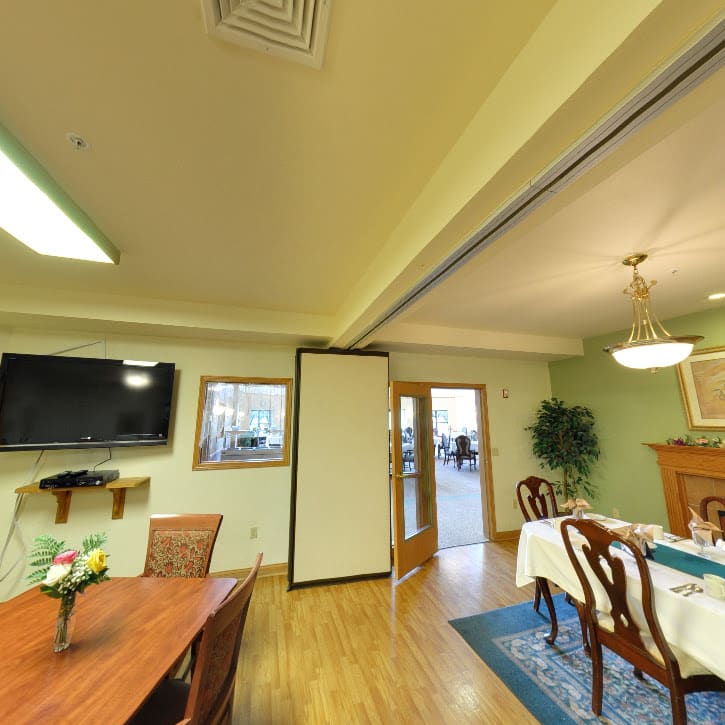
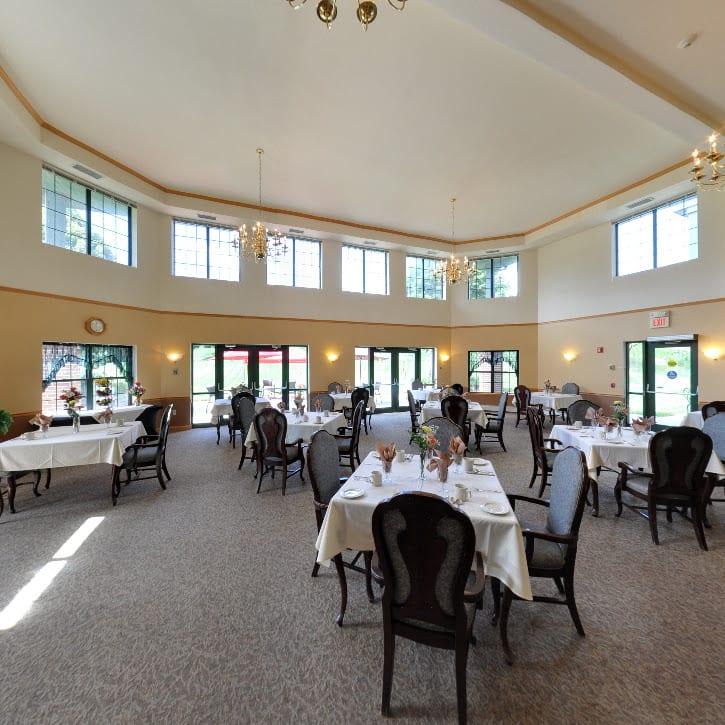
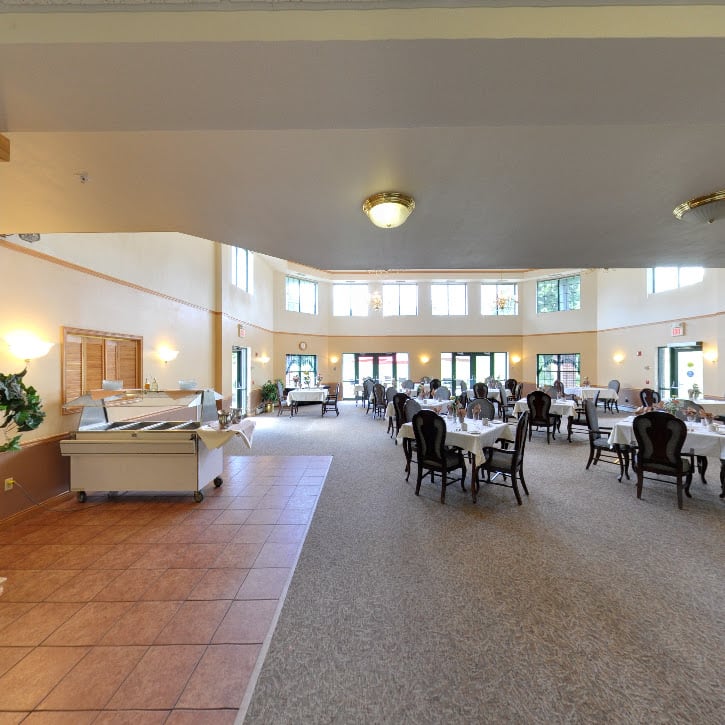
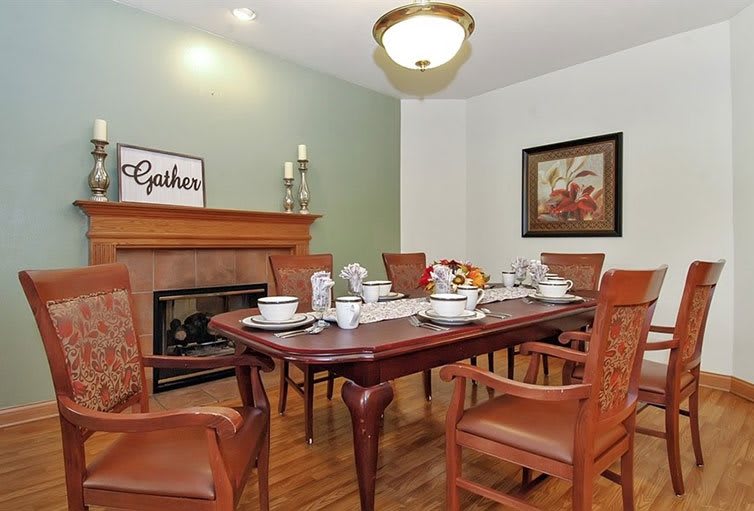
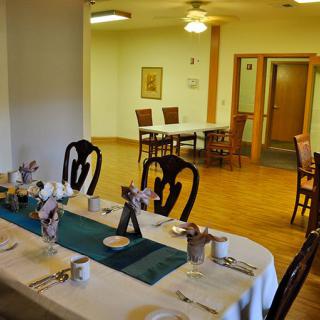
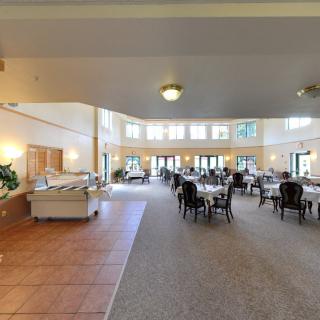
More than one review highlights the quality of meals and says the food is consistently good or excellent. Some families also describe the kitchen staff accommodating preferences, and at least one review notes residents enjoy dining together in the dining room. A separate review criticizes meal quality and availability, including concerns that what was served didn’t match menus and that meal options declined after a period of change. Another review suggests dinner could use a bit more variety, even while calling the overall meals appealing.
common7 reviews mention this
Cleanliness is a common theme
Many reviews describe the building as clean and well kept.
Several reviews praise cleanliness, including one describing no issues and another saying the facility was clean and well maintained. Multiple tours also mention being impressed with how clean everything looked, and families note the community stays nice and clean. There is also at least one negative note about cleanliness in a public restroom visit, along with concern that housekeeping could do better. Taken together, cleanliness shows up as a frequent strength, with a few lapses called out directly.
caveat2 reviews mention this
Value is mixed on price
Reviews disagree on value, with some calling it economical while others call it expensive.
One review describes the community as fairly economical compared to others in the area. Another review argues it is expensive, citing high costs tied to dining and expressing frustration with service changes after move-in. Even with positive pricing sentiment from some families, concerns about cost and what residents receive show up clearly in the feedback. The pricing chip should help you compare it to typical benchmarks across unit types.
caveat2 reviews mention this
Transportation support is a concern
Some residents and families raise concerns about transportation availability.
One review says ride services were dropped, describing lost opportunities to get out and about. Another review explicitly states transportation is not offered, while discussing how other costs may change based on amenities. Together, the feedback suggests transportation support may be inconsistent or limited compared with what families expected. It’s a good topic to confirm directly for the schedule and options that matter most to your situation.
How we summarize
Counts show how many written reviews mention each theme; a review can touch several themes, and only frequently mentioned themes are displayed.
Features
Housing
60 resident community capacity
Types of Care
Assisted Living
Amenities
Activities off-site
Activities on-site
Air-conditioning
Bath tubs
Beautician on-site
Beauty salon
Cable or satellite TV
Computer center
Devotional services off-site
Devotional services on-site
Dining room
Fitness room
Full kitchen
Fully furnished
Gaming room
Garden
Ground floor units
Handicap accessible
Housekeeping services
Indoor common areas
Kitchenette
Move-in coordination
Outdoor common areas
Outdoor space
Private bathrooms
Restaurant-style dining
Small library
Telephone
Wellness center
Wheelchair accessible showers
Wi-Fi/high-speed internet available
Transportation
Dane County Regional (3 miles away)
Community operated transportation
Transportation arrangement
Transportation arrangement (non-medical)
Transportation to doctors appointments
Care Services
12-16 hour nursing
24-hour call system
24-hour supervision
Activities of daily living assistance
Ambulatory care
Assistance with bathing
Assistance with dressing
Assistance with transfers
Coordination with health care providers
Diabetes diet
Diabetic care
High acuity care
Incontinence care
Meal preparation and service
Medication management
Mental wellness program
Special dietary restrictions
Transportation arrangement (medical)
Transportation to doctors appointments
Dining
Anytime dining
Diabetes diet
Gluten-free
Guest meals
Low / no sodium
Meals provided
No Sugar
Organic
Professional chef
Restaurant style dining
Room service
Special dietary restrictions
Vegan
Vegetarian
Activities
Art classes
Bible study group
Catholic services
Community-sponsored activities
Concierge services
Cooking classes
Day trips and outings
Devotional activities offsite
Devotional activities on-site
Educational speakers / life long learning
Fitness programs
Happy hour
Karaoke
Live dance or theater performances
Live musical performances
Other religious services
Planned day trips
Protestant services
Resident-run activities
Scheduled daily activities
Visiting chaplain or priest
Wine tasting
Nearby Places of Interest
This part of Madison, Wisconsin offers a convenient location with easy access to various amenities and services. Within a short distance, there are reputable healthcare facilities such as TLC Laser Eye Centers, UW Health East Clinic, and Group Health Cooperative. Additionally, the area features a variety of dining options including Hooters, Qdoba Mexican Eats, and Panera Bread for enjoyable meals. Nearby pharmacies like Target Pharmacy and UW Health at The American Center Pharmacy provide easy access to medications and healthcare necessities. Residents can also take advantage of the numerous parks in the area for outdoor recreation and relaxation. The proximity to Dane County Regional Airport ensures convenient travel options for visiting family and friends. Overall, this neighborhood provides a well-rounded environment for comfortable senior living in Madison.
Physicians
TLC Laser Eye Centers (0.5 miles)
Accuear Professional Hearing & Audiology Clinics (0.7 miles)
UW Health East Clinic (0.8 miles)
Group Health Cooperative (0.8 miles)
U W Health-Spine Center - Daniel K Resnick MD (0.8 miles)
Aesthetic Artistry MedSpa (2.2 miles)
Robertson Plastic Surgery (3 miles)
Restaurants
Hooters (1 miles)
Qdoba Mexican Eats (1.1 miles)
Chipotle Mexican Grill (1.2 miles)
McDonald's (1.4 miles)
Chick-Fil-A (1.6 miles)
Taco Bell (1.7 miles)
Sugar River Pizza (2 miles)
Cafes
Panera Bread (1 miles)
Starbucks (1.7 miles)
Starbucks (5.2 miles)
Theaters
Flix Brewhouse (1.3 miles)
Places of Worship
Eastside Evangelical Lutheran (1.5 miles)
Sacred Hearts of Jesus and Mary Catholic Church (5 miles)
Pharmacies
Target Pharmacy (1.7 miles)
UW Health at The American Center Pharmacy (1.7 miles)
Cedarhurst of Madison offers competitive pricing for its residents compared to both Dane County and the broader Wisconsin state averages. For studio apartments, residents pay $2,750 per month, significantly lower than the county's average of $4,418 and also below the state average of $3,999. One-bedroom units are similarly priced at $2,800, contrasting sharply with the county's $4,101 and offering considerable savings in comparison to the state's average of $3,412. Even for those seeking more space with two-bedroom accommodations, Cedarhurst remains an appealing choice at $3,500 - still competitive against Dane County's higher average of $4,345 and Wisconsin's average of $3,111. Overall, Cedarhurst of Madison presents an attractive option for individuals or families seeking quality living arrangements while being mindful of their budget.
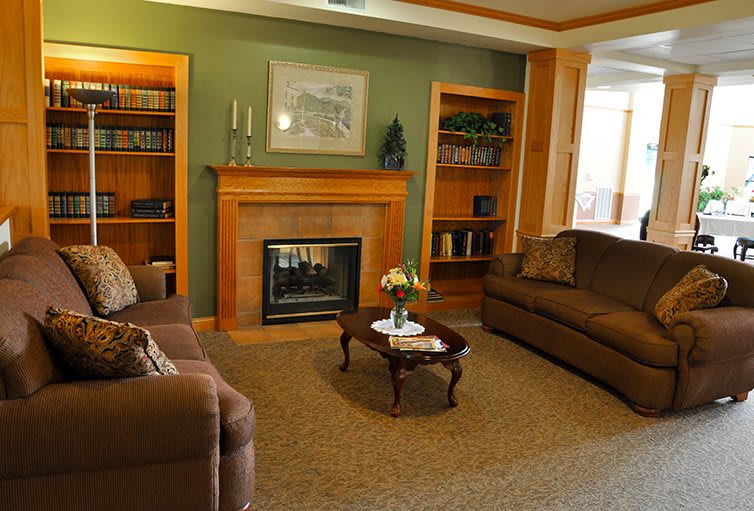
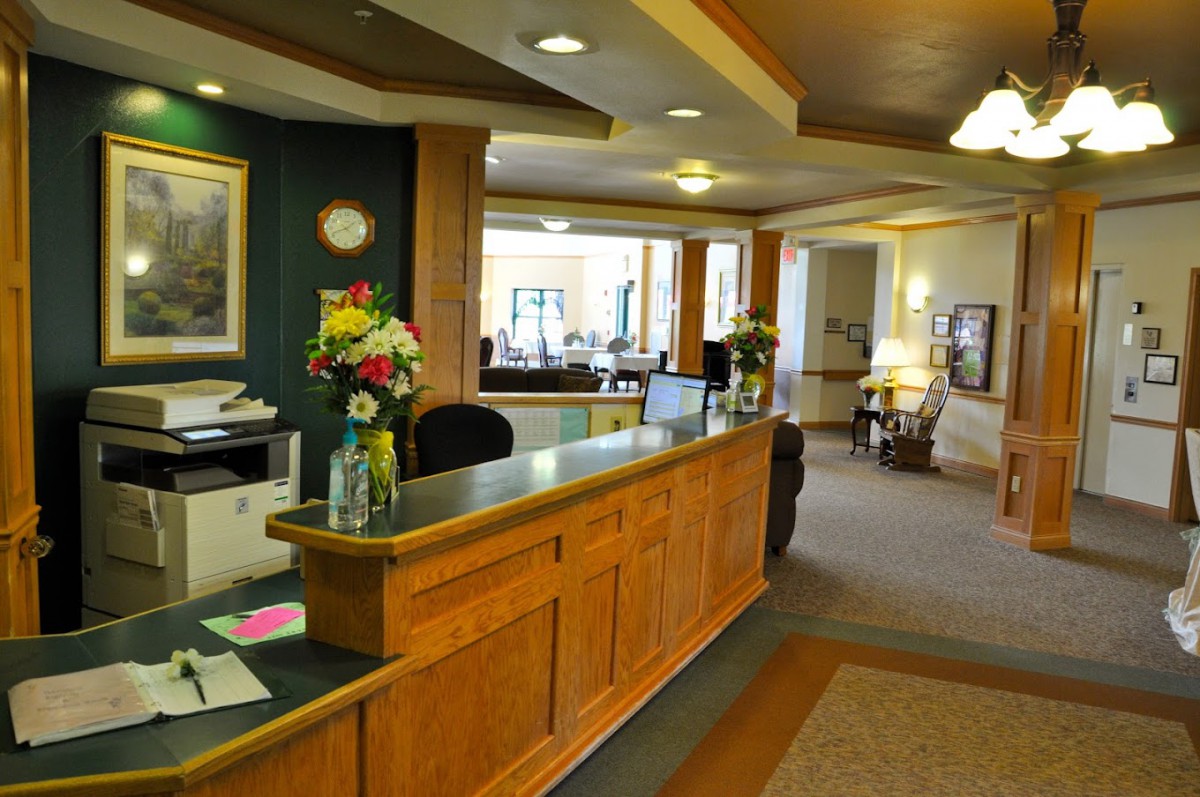
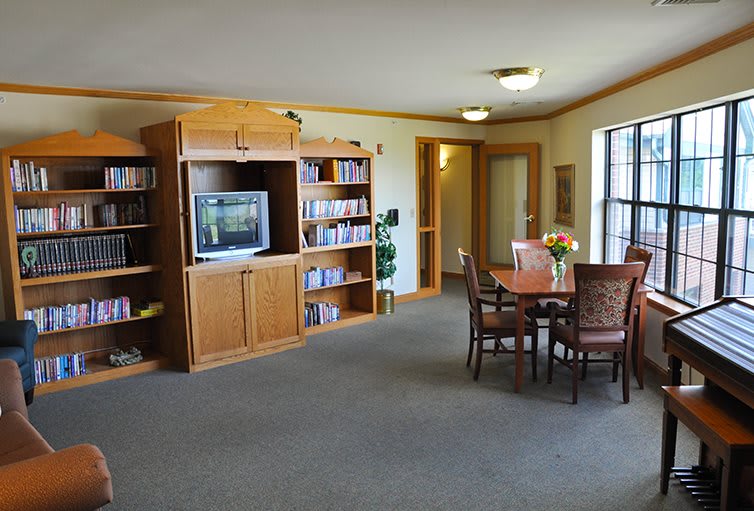
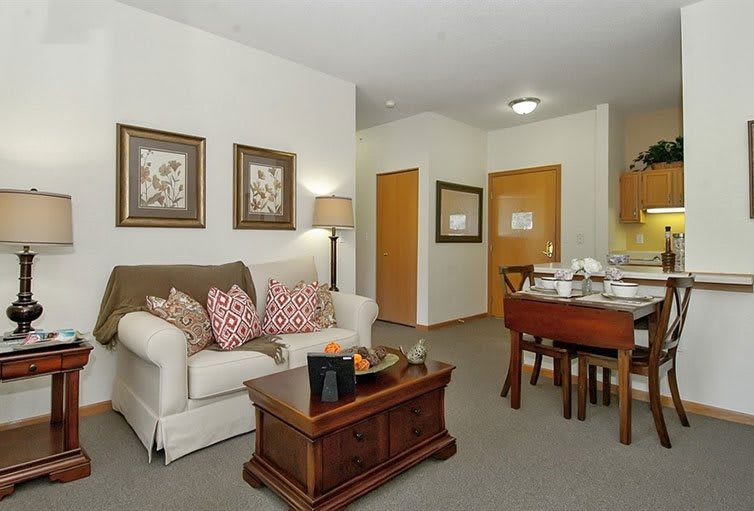
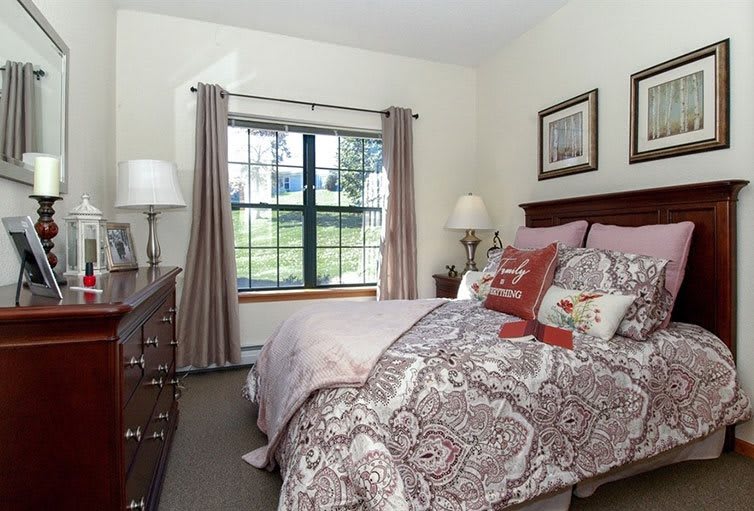
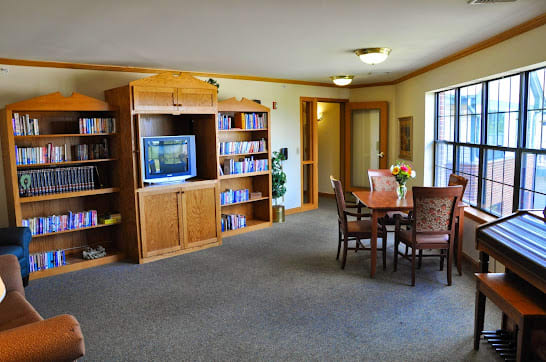
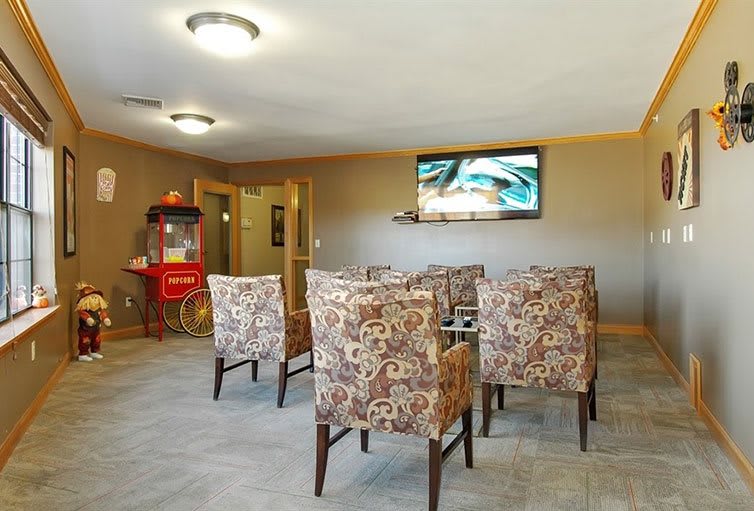
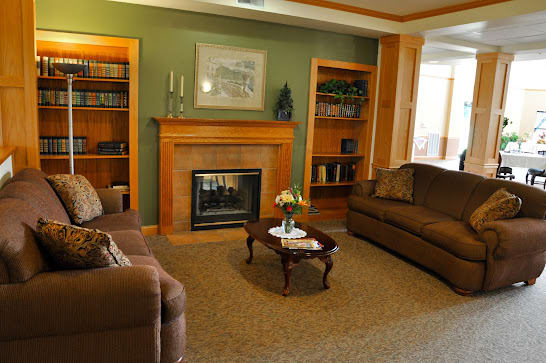
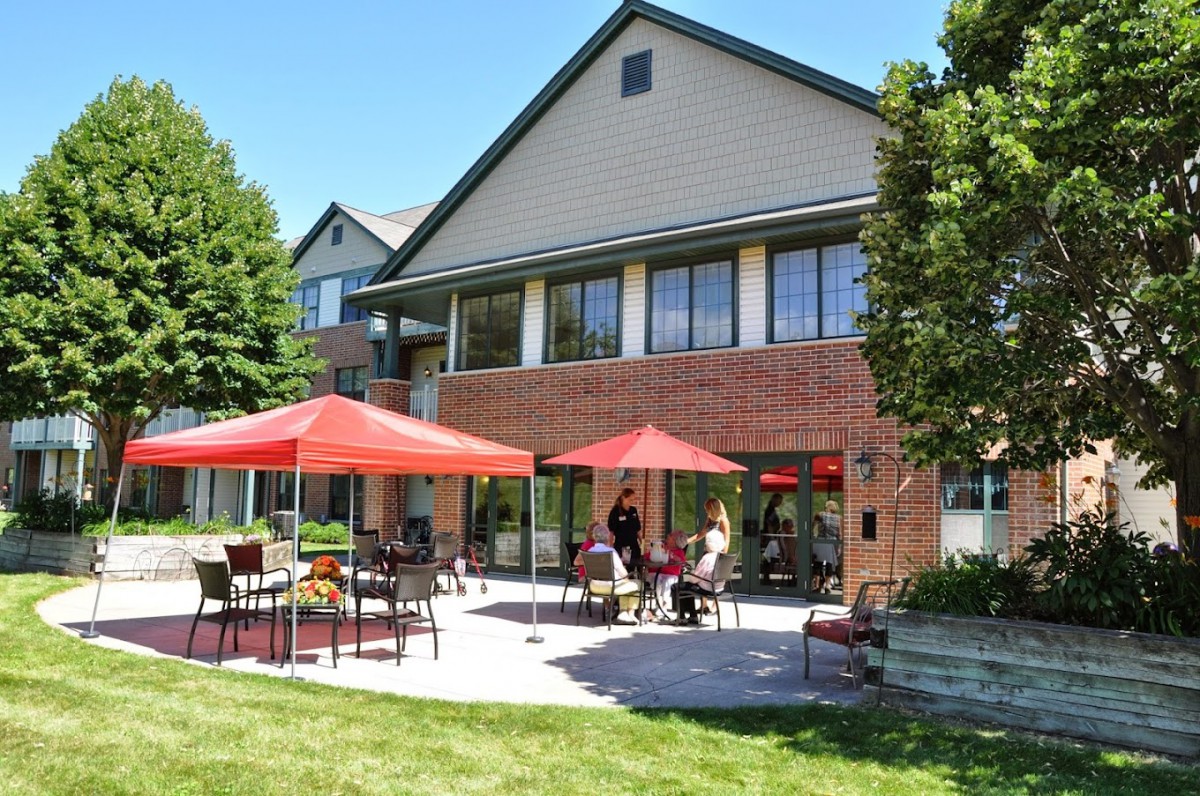
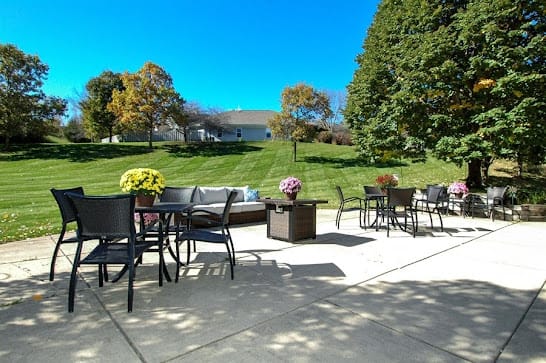
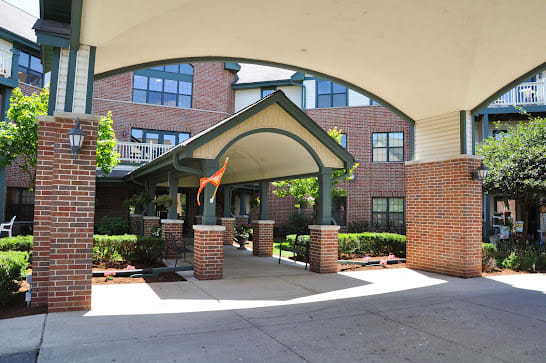
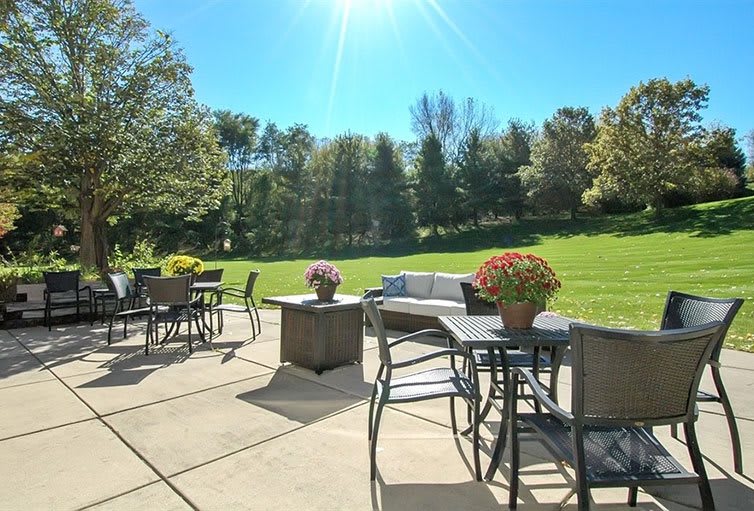
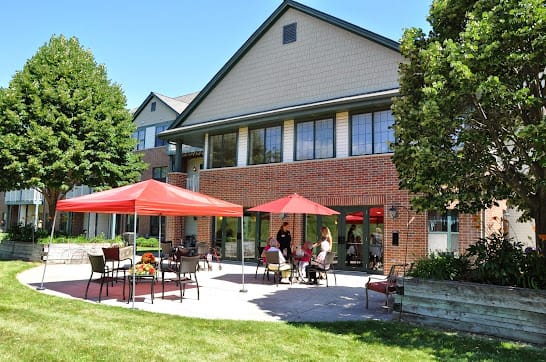
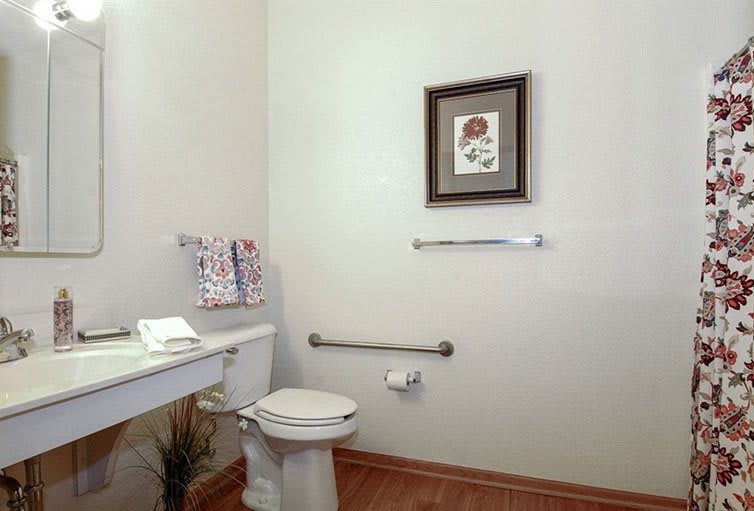
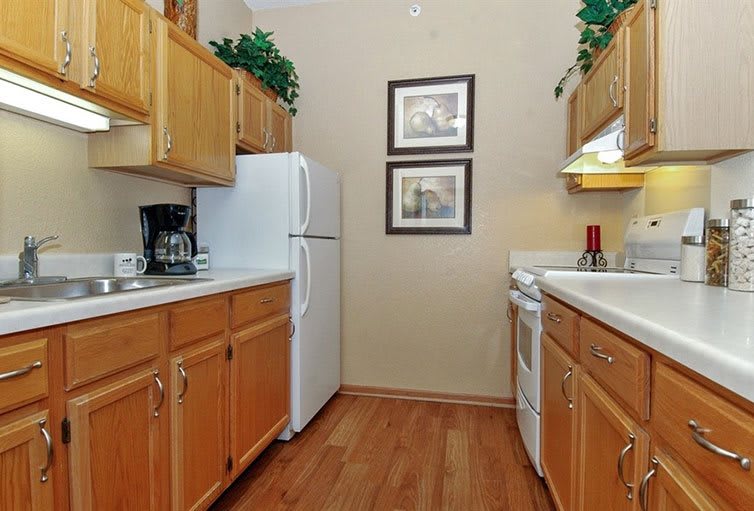
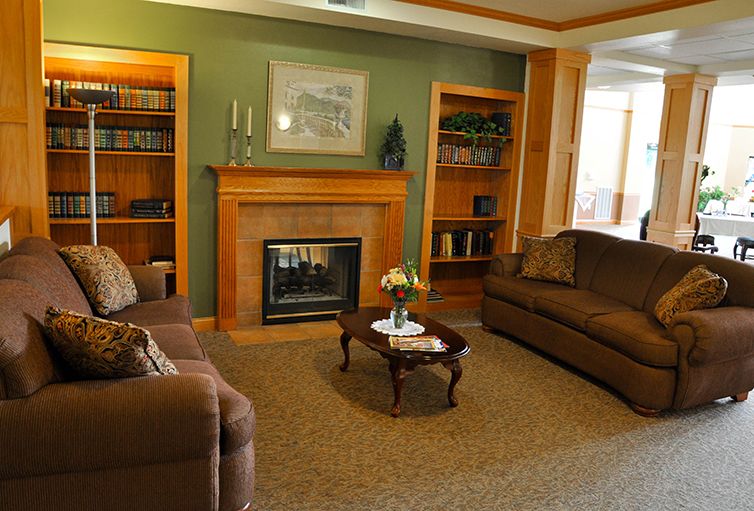
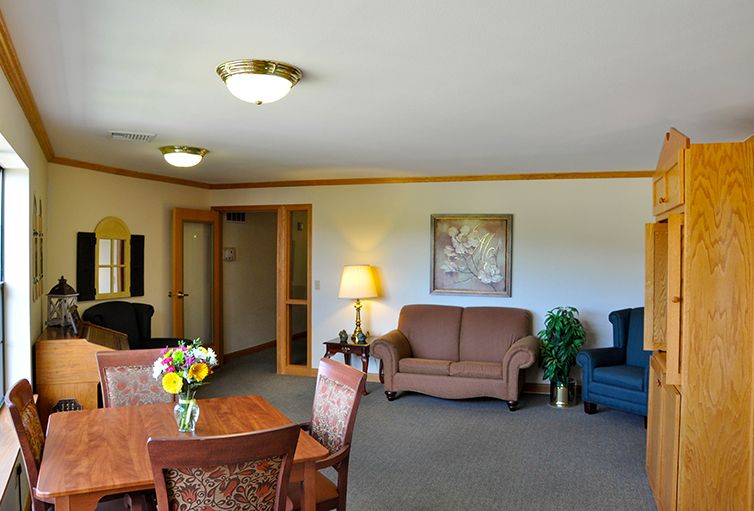
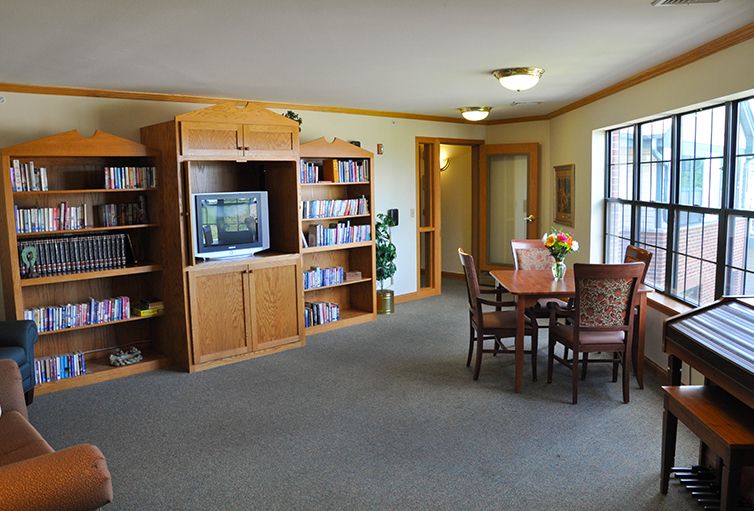
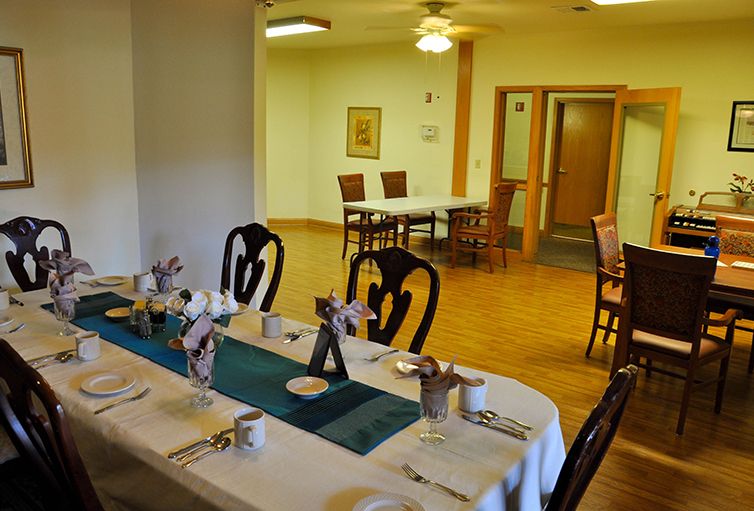
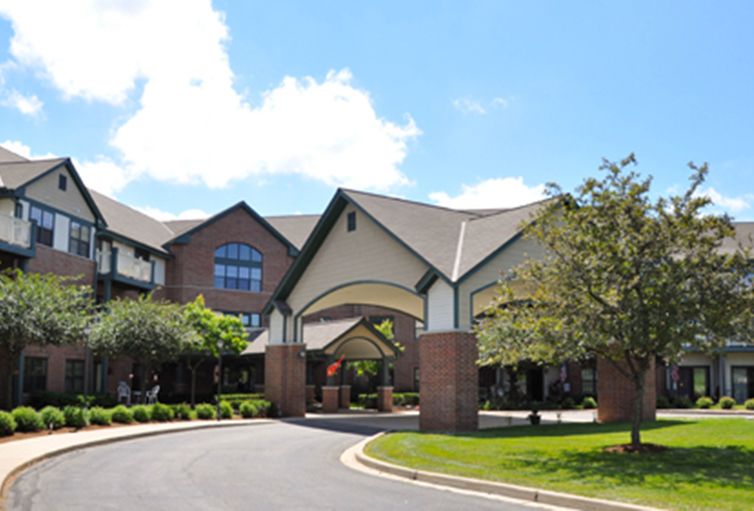
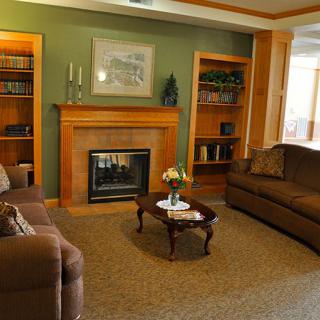
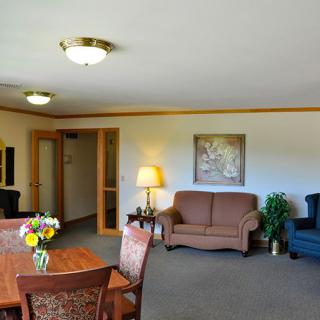
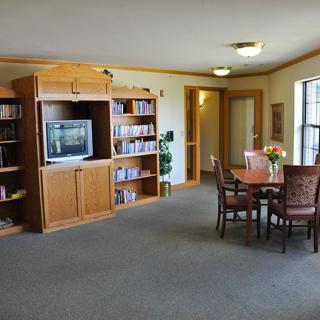
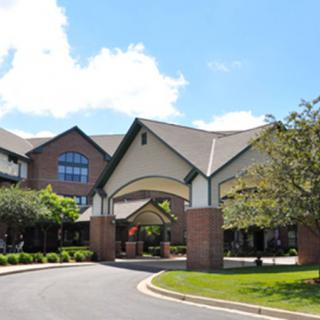
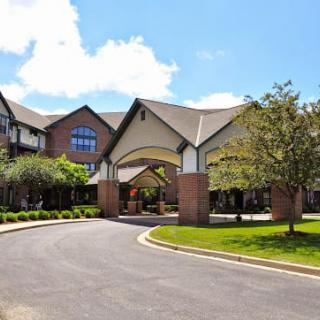
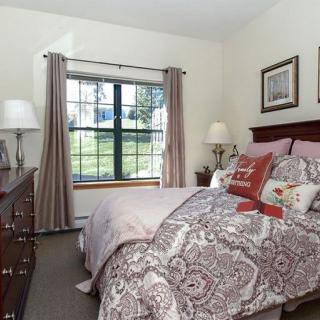
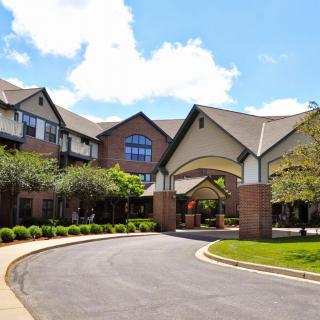
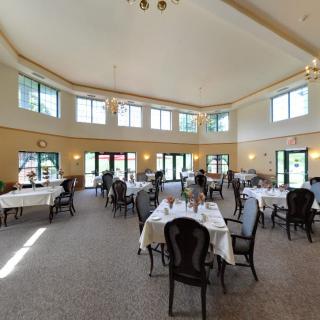
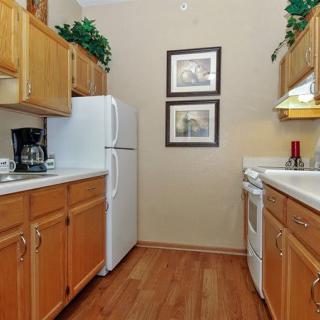
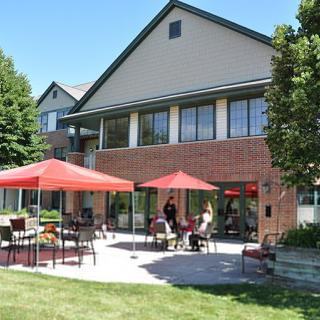
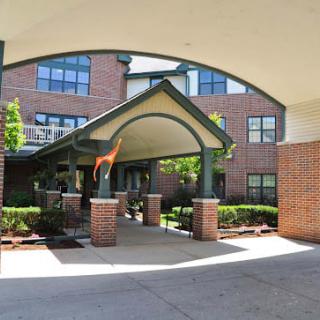
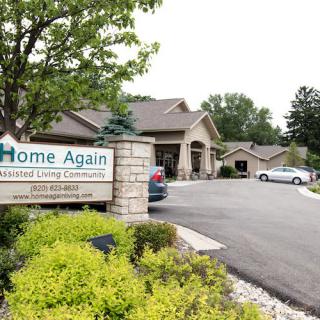
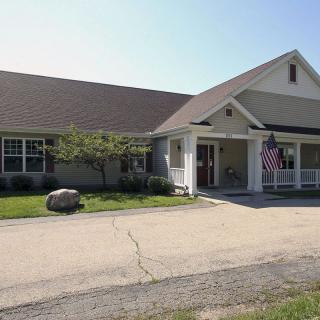
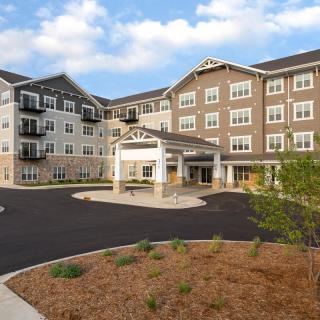
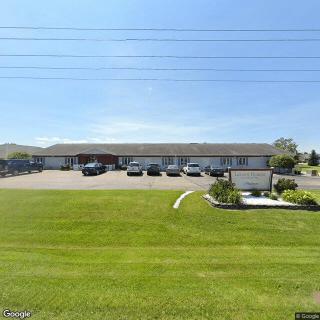
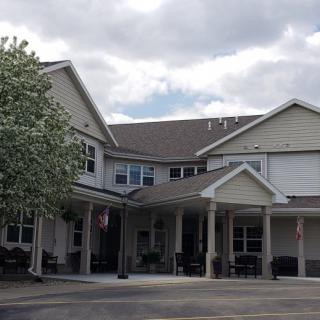
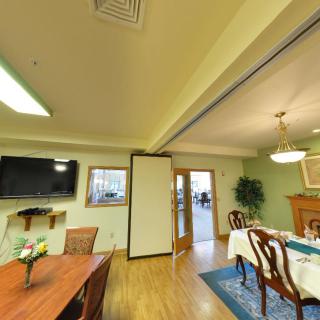
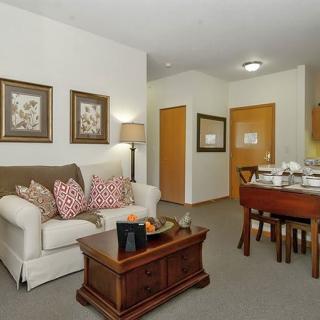
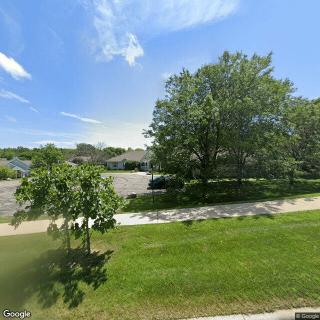
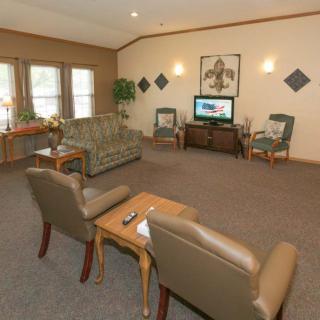
Cedarhurst Of Madison on seniors.fyi includes 38 photos including images showing interior, floor plan, living room, landscaping, bedroom, building, dining, kitchen, and more.
Nearby Communities
Cottages of Madison- Elmwood
Madison, WI
2.1 from 19 reviews
$5,200 / month
Strong memory care with diabetes support and engaging activities.
Cottages of Madison - Applewood
Madison, WI
2.1 from 19 reviews
$5,200 / month
Specialized memory care with diabetic support and off-site devotional services
Madison Heights Senior Community
Madison, WI
3.2 from 43 reviews
$4,500 / month
Compassionate staff, comfortable atmosphere, and engaging activities.
Senior Helpers - Madison, WI
Madison, WI
4.8 from 60 reviews
Skilled, reliable caregivers and professional staff.
E Home
Madison, WI
Small, intimate setting with comprehensive memory care and 24/7 supervision.
Grasslands At Oakwood Village Sweetgrass
Madison, WI
4.1 from 80 reviews
Fully furnished apartments with dining and 24/7 care.
Oakwood Village Prairie Ridge Independent Living Apartments a CCRC
Madison, WI
4.2 from 104 reviews
$2,102 / month
Spacious apartments with scenic views, upscale in-house dining, and a wide range of on-site activities supported by caring staff.
Madison Pointe Senior Living
Madison, WI
4.2 from 34 reviews
$4,000 to $4,300 / month
Patient, friendly staff; well-liked dining.
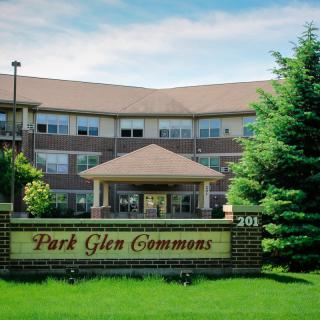
Park Glen Apartments
Madison, WI
4.8 from 39 reviews
$1,150 to $3,000 / month
Strong sense of community with friendly staff and well-maintained facilities.
Medicare does not cover assisted living costs, as it focuses on acute medical needs and short-term care, with exceptions for certain medically necessary services like physical therapy. Individuals must explore other options such as Medicaid, veterans' benefits, or long-term care insurance to manage these expenses effectively.
Choosing between assisted living and nursing homes involves evaluating emotional and financial factors, with assisted living offering independence and support for daily activities at a lower cost, while nursing homes provide intensive medical care for individuals with significant health needs. The decision is influenced by personal preferences, health status, cognitive function, and varying Medicaid coverage across states.
Assisted living in 2025 offers a crucial balance of independence and support for seniors, with costs varying from $2,500 to over $7,000 per month based on factors such as location and care level. Understanding pricing complexities, including regional differences and potential hidden fees, is essential for families to plan financially while ensuring quality care for their loved ones.
Get PricingAsk A QuestionSchedule A TourContact Senior Advisor
By clicking submit, you agree to our Partner's Terms of Use. You
also consent to receive calls and texts, which may be autodialed, from our Partner. Your consent is not a condition to
using our Partner's service. Please visit our Partner's Privacy Policy for information about their privacy practices.


 60 resident community capacity
 Assisted Living
 Activities off-site
 Air-conditioning
 Bath tubs
 Beautician on-site
 Cable or satellite TV
 Computer center
 Devotional services off-site
 Dining room
 Fitness room
 Full kitchen
 Fully furnished
 Gaming room
 Garden
 Ground floor units
 Handicap accessible
 Housekeeping services
 Indoor common areas
 Move-in coordination
 Outdoor common areas
 Private bathrooms
 Restaurant-style dining
 Small library
 Telephone
 Wellness center
 Wheelchair accessible showers
 Wi-Fi/high-speed internet available
 Dane County Regional (3 miles away)
 Community operated transportation
 12-16 hour nursing
 24-hour call system
 Ambulatory care
 Assistance with bathing
 Assistance with dressing
 Assistance with transfers
 Diabetes diet
 Diabetic care
 High acuity care
 Incontinence care
 Medication management
 Mental wellness program
 Special dietary restrictions
 Transportation arrangement (medical)
 Art classes
 Bible study group
 Concierge services
 Cooking classes
 Day trips and outings
 Educational speakers / life long learning
 Happy hour
 Karaoke
 Live dance or theater performances
 Live musical performances
 Wine tasting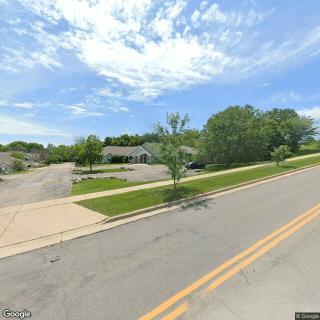
 Strong memory care with diabetes support and engaging activities.



 Medicare Coverage for Assisted Living: An In-Depth Exploration
 Choosing the Right Senior Care: A Detailed Exploration of Assisted Living and Nursing Homes
 Understanding the True Cost of Assisted Living in 2025: A Comprehensive Guide