Oak Park Place Of Nakoma in Madison, WI

Save

  • Interior

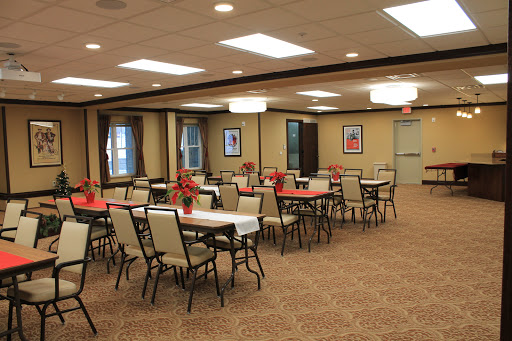
    A spacious dining area set up for an event with neatly arranged tables and chairs.
  • Decor

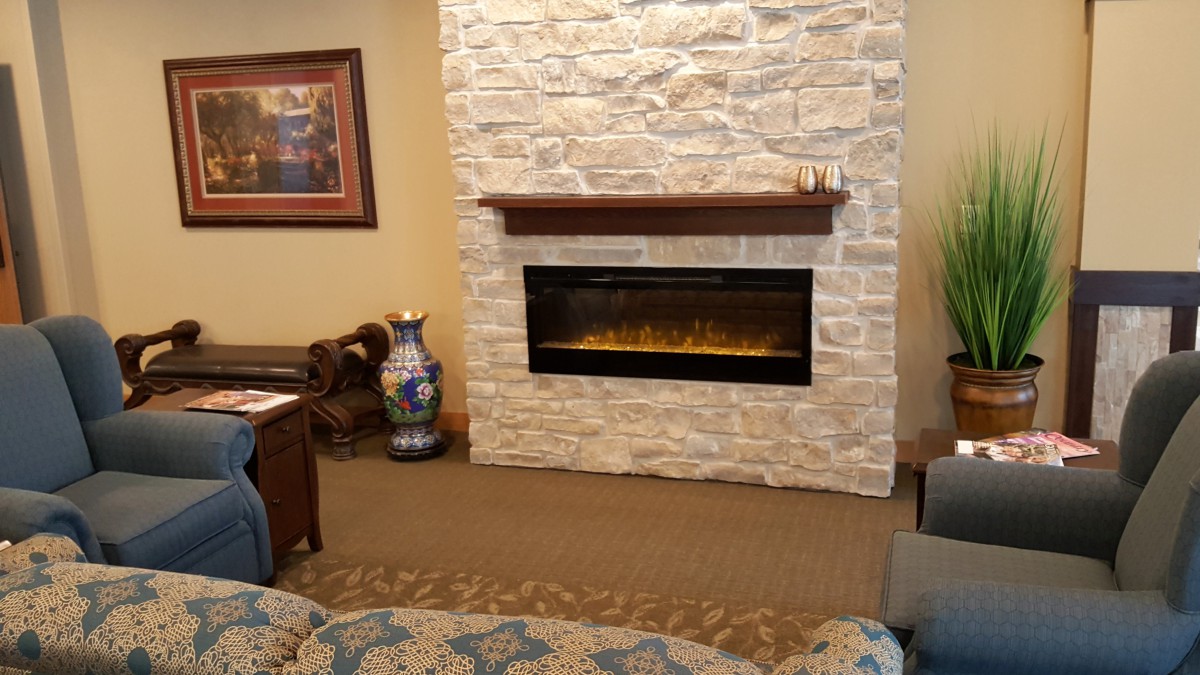
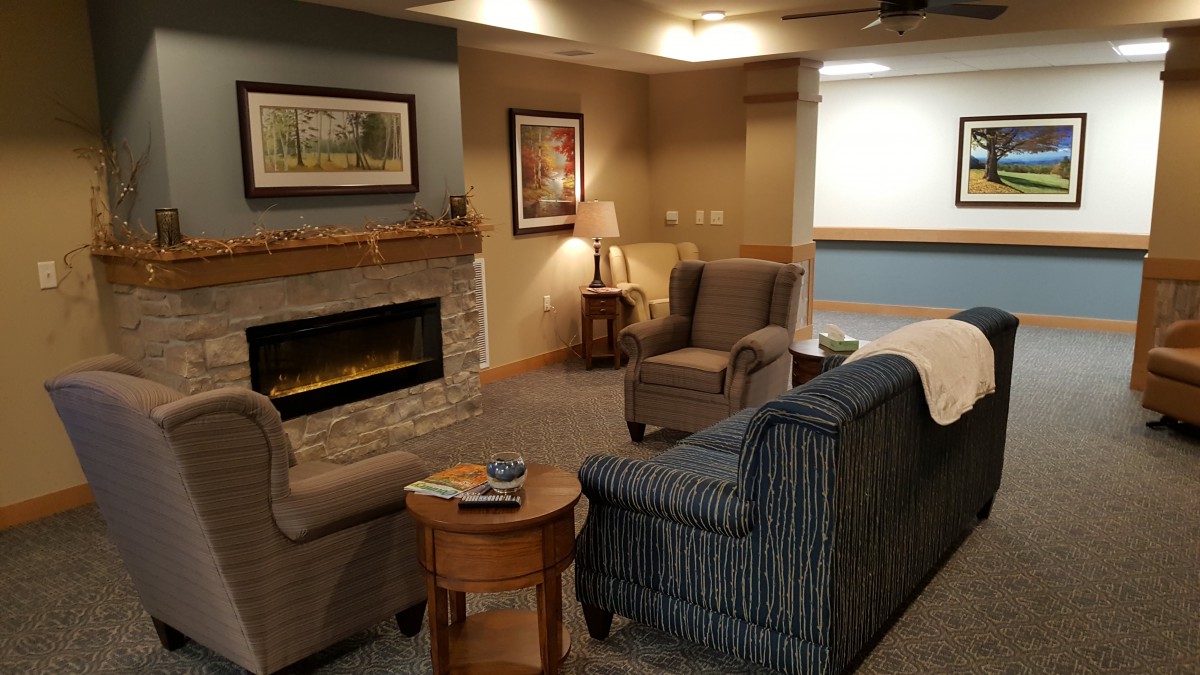
    A cozy living room with a modern electric fireplace set in a stone wall.
  • Living Room

    A cozy living room featuring a fireplace, comfortable seating, and tasteful decor.
  • Building

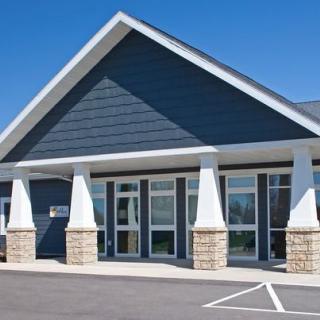
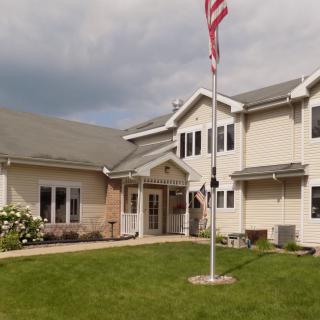
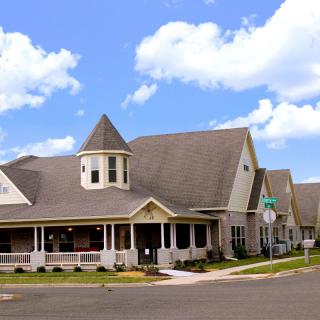
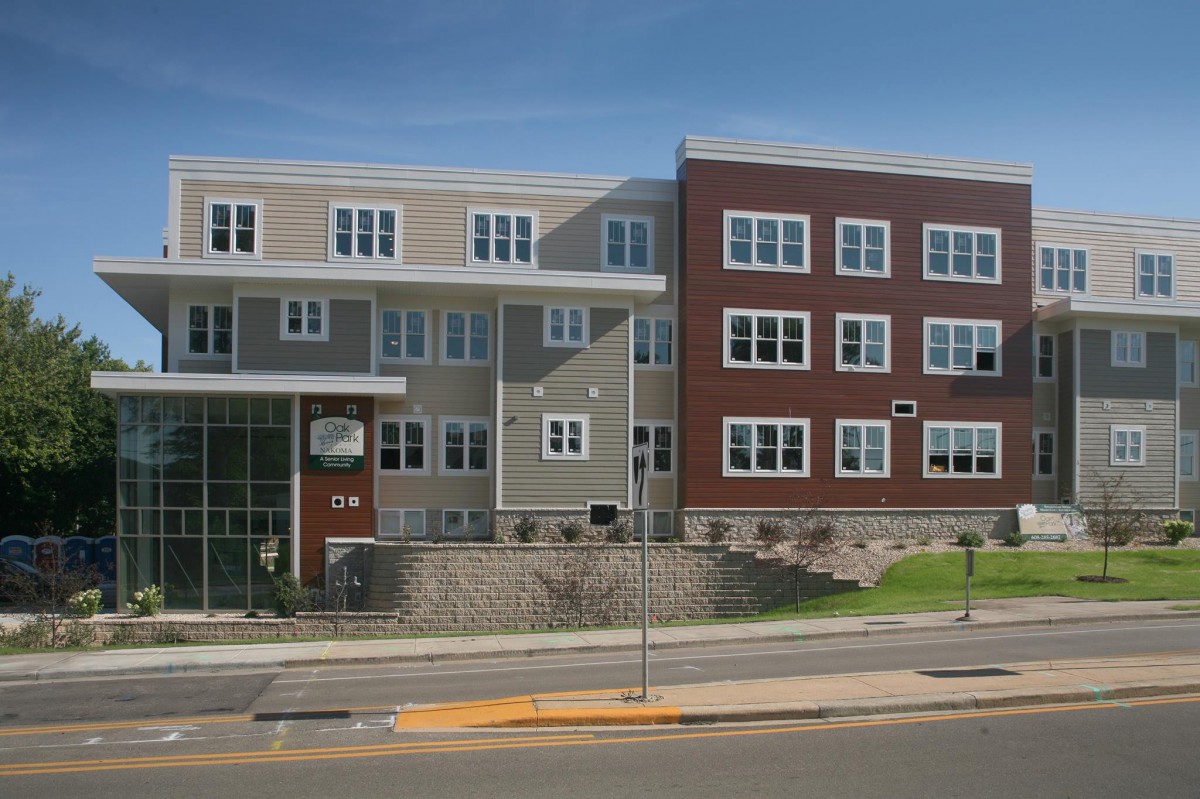
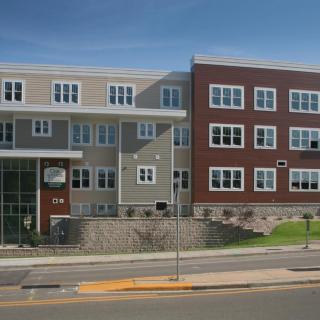
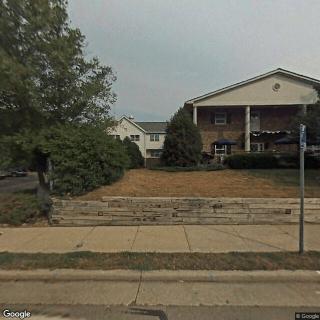
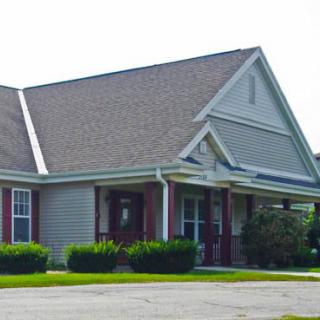
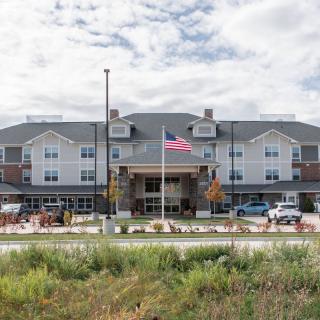
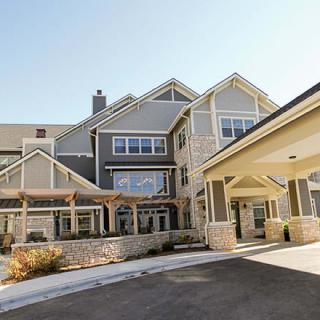
    A modern residential apartment building with a mix of red and gray siding, featuring large windows and a landscaped area in front.
  • Architecture

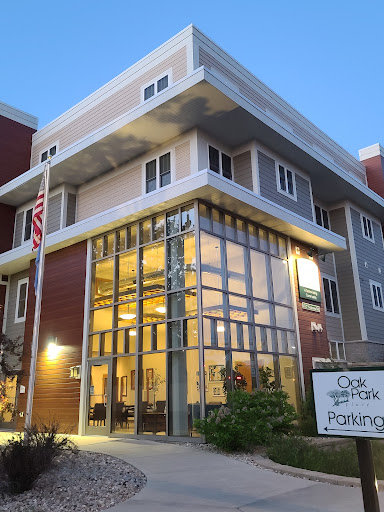
    A modern building featuring large windows and illuminated signage, captured during the evening.
  • Bedroom

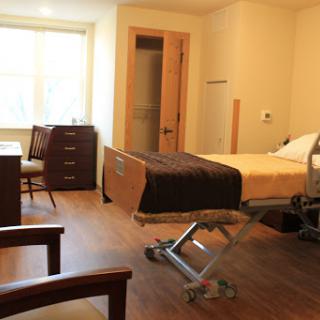
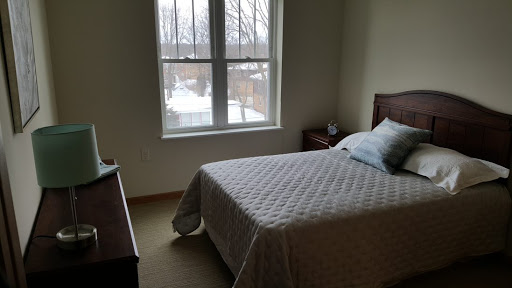
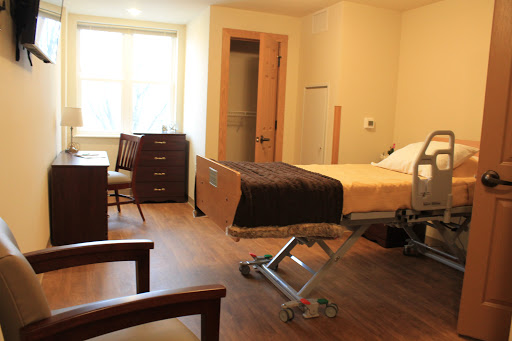
    A cozy bedroom with a bed, nightstand, and large window letting in natural light.
  • Windows

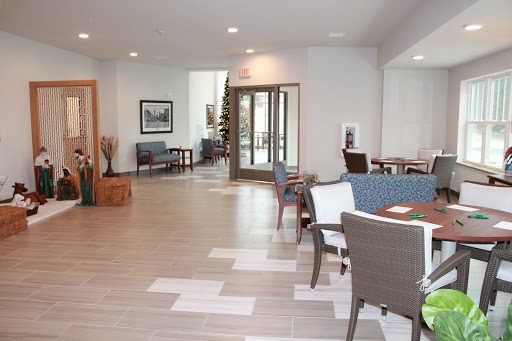
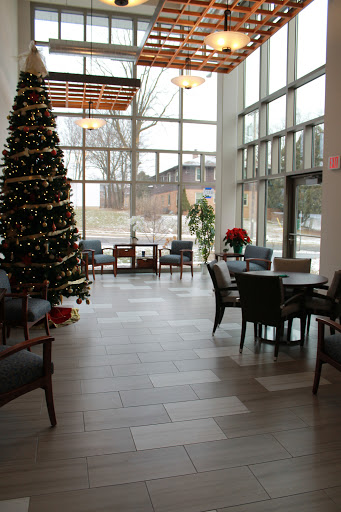
    A cozy and modern lobby decorated for the holiday season, featuring a beautifully adorned Christmas tree.
  • Kitchen

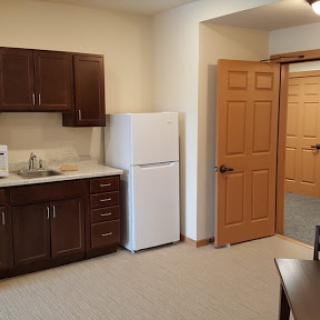
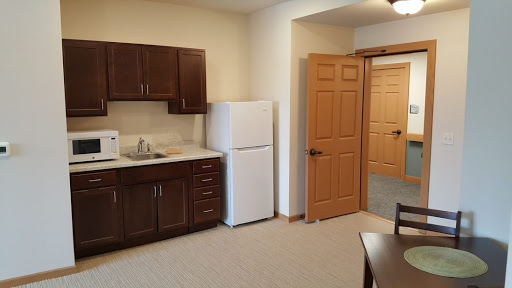
    A cozy kitchen space featuring wooden cabinets, a refrigerator, and an inviting atmosphere.
  • Lighting

    A well-lit hospital room featuring a bed, desk, and comfortable seating.
  • Lobby

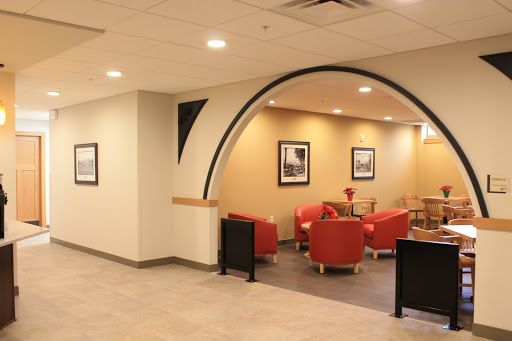
    A stylish lobby featuring red seating and elegant wall art, designed for comfort and relaxation.
  • Natural Light

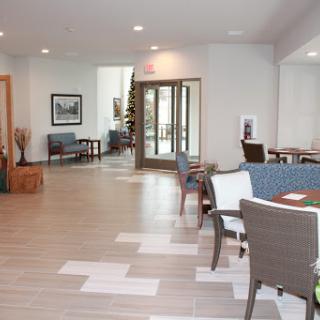
    A spacious and inviting lobby area featuring modern furniture and ample natural light.
  • Lounge

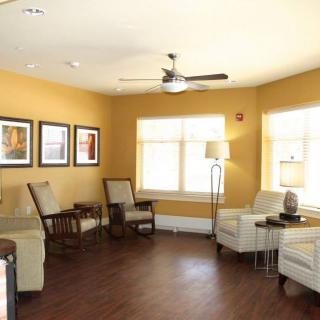
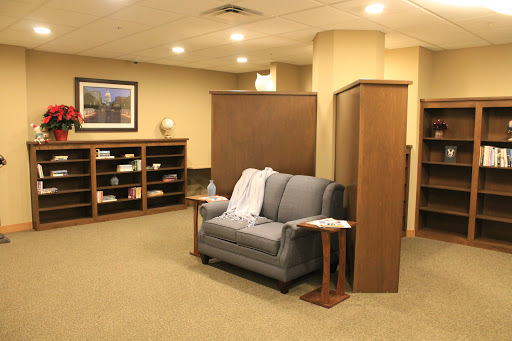
    A cozy lounge area featuring a gray sofa and wooden shelves, perfect for relaxation.
  • Reception Area

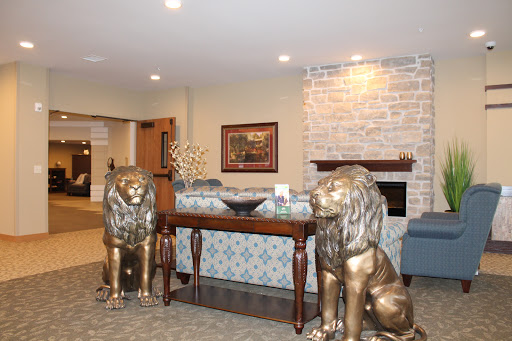
    A stylish lobby featuring decorative lion statues flanking a wooden console table.

Oak Park Place Of Nakoma in Madison, WI

4327 Nakoma Road, Madison, WI 53711

For more information about senior living options: (844) 490-3973

3.3 from 46 reviews
5 stars
20
4 stars
4
3 stars
7
2 stars
2
1 stars
13

Assisted Living Memory Care

Oak Park Place Of Nakoma Costs & Pricing

Oak Park Place of Nakoma presents a premium living option with monthly costs that reflect its comprehensive services and amenities. For a studio, residents can expect to invest approximately $6,144 per month, significantly higher than the Dane County average of $4,418 and the broader Wisconsin state average of $3,999. The one-bedroom accommodations are priced at around $7,022, which again overshadows both county ($4,101) and state ($3,412) figures. For those seeking more space, the two-bedroom units come with a monthly cost of $7,900, in contrast to the local average of $4,345 and the statewide average of $3,111. These prices highlight Oak Park Place's positioning as a more upscale option within the senior living market in both Dane County and Wisconsin as a whole.

Floor plansOak Park Place Of NakomaDane CountyWisconsin
Studio$6,144$4,418$3,999
1 Bedroom$7,022$4,101$3,412
2 Bedrooms$7,900$4,345$3,111

Overall Review of Oak Park Place Of Nakoma

Pros

  • pro Oak Park Place staff are wonderful, friendly, and very helpful.
  • pro The facility is clean and well maintained.
  • pro The food is very good and well enjoyed by residents.
  • pro The rehab program is excellent, with PT/OT teams working tirelessly to build strength and mobility.
  • pro CNAs and the night staff are shining stars, providing daily love and care.
  • pro The administration and front desk are supportive, welcoming, and responsive.
  • pro Oak Park Place Nakoma is a high-quality facility with well-designed spaces and a homey atmosphere.
  • pro The staff are knowledgeable, caring, and consistently attentive to residents' needs.
  • pro The community offers a beautiful environment, warm ambiance, and engaging activities.
  • pro Many reviews describe Oak Park Place as a beautiful facility with friendly staff, good food, and daily activities, and highly recommend it.

Cons

  • pro The facility is chronically short-staffed and the staffing levels are insufficient to meet residents' needs.
  • pro The care provided is described as neglectful, with residents not receiving timely or adequate attention.
  • pro Residents are not bathed regularly and are sometimes left in soiled clothing for extended periods.
  • pro Meals are often cold, poorly prepared, and staff do not consistently follow residents' dietary plans or menus.
  • pro There are safety concerns, including staff not following safety rules and preventable falls.
  • pro Communication about care plans and medications is inconsistent, leading to confusion and unaddressed issues.
  • pro The services advertised are not consistently available as promised, and management is not always responsive.
  • pro Staff are frequently on their phones, aloof, or not attentive to residents' needs.
  • pro The memory care unit shows neglect, with urine-soaked clothing and a lack of daily care.
  • pro The facility's appearance or amenities do not compensate for the quality of care, making looks appear deceiving.

Review

Oak Park Place Nakoma is best suited for seniors who enter with rehab or recovery as the primary goal and who value a warm, responsive staff in a clean, attractive setting. The community earns its strongest traction in post-acute situations, where the PT/OT team - fronted by clinicians like Jessica and Ashley - drives real functional gains and where CNAs consistently earn praise for daily kindness and attentiveness. The facility itself presents as bright, well maintained, and comfortable, with solid dining and engaging common spaces that help residents feel at home during recovery. For families prioritizing a smooth rehabilitation trajectory and a positive first impression of care, Oak Park Place Nakoma stands out as a practical, capable option.

Those considering alternatives should take a hard look at memory care or long-term care needs where consistent staffing and predictable daily care are nonnegotiable. Multiple reviews flag chronic understaffing, turnover, and uneven care quality, with troubling anecdotes about delayed baths, missed medications, and insufficient attention to wounds or daily routines. The same voices warn that even when individual staff members show compassion, systemic gaps - especially on memory care floors - can undermine safety and dignity. If a resident requires steady, around-the-clock supervision, rigorous hygiene practices, or dependable response to care requests, it is prudent to explore other communities with proven staffing stability and transparent performance records.

The strongest upside of Oak Park Place Nakoma depends on a rehab-focused stay offsetting the downsides. The rehab pipeline is consistently described as thorough, with therapists who push for progress and a cadence that supports real improvement. Cleanliness and hospitality extend beyond the public areas to personal care when staff are present, and when administration is engaged, concerns are addressed with a sense of accountability. In practical terms, for a resident pursuing post-hospital rehabilitation or a transition back to independent living, the pros - the expertise of the therapy team, the supportive demeanor of caregivers, and a welcoming atmosphere - can outweigh the occasional service gaps, especially if family involvement remains steady and proactive.

However, memory care and long-term care expose the limits of those strengths. Several reviews depict memory care as the most fragile area, with reports of infrequent baths, inconsistent routines, and safety lapses that cause real worry for families. When care plans aren't followed or staff are stretched too thin, the touted warmth of the environment does not translate into reliable daily care. For anyone evaluating memory care needs, this is a red flag: the core promise of safety, dignity, and timely assistance hinges on staffing reliability and trained oversight, not just a beautiful building or friendly faces.

On balance, Oak Park Place Nakoma combines a compelling rehab-focused proposition with a potential downside that cannot be overlooked by families weighing long-term placements. The facility's energy, cleanliness, and cuisine are legitimate strengths, and the presence of a proactive administration can translate into meaningful improvements when concerns arise. Yet the recurring themes of understaffing, uneven care, and, in some cases, substandard routines in memory care demand a candid, data-driven review of what will be required day to day. Price point aligns with premium amenities, but value depends on guaranteed staffing and consistent caregiving.

A practical decision approach emerges from these dynamics. Begin with a focused tour centered on rehab outcomes: request recent examples, ask for therapy-to-resident ratios, and arrange to observe therapy sessions and care planning meetings. Probe the care plan discipline - how often plans are updated, who reviews them, and how med administration is verified. For memory care, insist on witnessing rounds, requesting a clear schedule for baths, assistance with ADLs, and how safety checks are conducted during night shifts. If possible, seek current families willing to share raw, recent experiences about day-to-day responsiveness. With disciplined due diligence, Oak Park Place Nakoma can meet high expectations for rehab and general living; without it, the same reviews suggest exploring other options where staffing consistency and care reliability are non-negotiable.

Features

Housing

  • 45 resident community capacity 45 resident community capacity

Types of Care

  • Assisted Living Assisted LivingAssisted living facilities provide crucial support and care for seniors who may need help with daily tasks such as medication management, bathing, and meal preparation. These communities offer a safe and comfortable environment where seniors can maintain their independence while receiving the assistance they need to thrive in their golden years.
  • Memory Care Memory CareMemory care is crucial for seniors as it provides specialized support and services for individuals with dementia or Alzheimer's disease. These programs offer a safe and secure environment where residents receive personalized care, cognitive stimulation, and help with daily activities. Memory care helps seniors maintain their independence, quality of life, and dignity while also providing peace of mind for their families.

Pets

  • Cats allowed Cats allowed"Pet friendly" senior living communities are important for seniors because pets provide companionship, reduce feelings of loneliness and depression, promote physical activity and mental stimulation, and offer a sense of purpose and responsibility. Pets can improve overall well-being and quality of life for seniors in many ways.

Amenities

  • Activities on-site Activities on-siteActivities on-site are important for seniors because they provide opportunities for socialization, mental stimulation, physical activity, and overall well-being. Engaging in activities can help seniors stay active, maintain their independence, and improve their quality of life.
  • Air-conditioning Air-conditioningAir conditioning is important for seniors as they are more vulnerable to heat-related illnesses and may have underlying health conditions that make it difficult for them to regulate their body temperature. It helps to keep them comfortable, safe, and healthy in hot weather.
  • Beautician on-site Beautician on-siteHaving a beautician on-site at a senior living community is important for seniors as it allows them to easily access grooming and personal care services, boosting their self-esteem and overall well-being. It also provides convenience and helps seniors maintain their sense of independence and personal style.
  • Beauty salon Beauty salonBeauty salons are important for seniors because they provide a space for them to feel pampered, socialize, and maintain their personal grooming and hygiene. Regular visits to a beauty salon can help boost seniors' self-esteem and overall well-being.
  • Cable or satellite TV Cable or satellite TVCable or satellite TV is important for seniors because it provides entertainment, news, and companionship, helping to combat loneliness and boredom. It also offers a wide range of programming options tailored to different interests and preferences.
  • Devotional services off-site Devotional services off-siteDevotional services off-site are important for seniors as they provide spiritual nourishment, social engagement, and a sense of community outside of the senior living facility. This can enhance overall well-being and help combat feelings of isolation and loneliness often experienced by older adults.
  • Devotional services on-site Devotional services on-siteDevotional services on-site provide seniors with spiritual support and a sense of community, as well as an opportunity for reflection and guidance during their senior living experience. This can promote emotional well-being and connection to others, leading to a more fulfilling and enriching lifestyle in their later years.
  • Dining room Dining roomDining rooms are important for seniors as they provide a space for socialization, connection, and nutritious meals. They offer opportunities for residents to bond over shared meals, foster a sense of community, and promote healthy eating habits. Dining rooms also ensure that seniors have access to well-balanced meals tailored to their dietary needs and preferences.
  • Fully furnished Fully furnishedFully furnished senior living communities are important for seniors because they provide convenience, comfort, and a hassle-free moving experience. Seniors can easily settle into their new living space without the stress of having to buy and move furniture. This allows them to focus on enjoying their new home and community.
  • Garden GardenGardens are important for seniors as they provide a peaceful and therapeutic environment for relaxation, physical activity, and socialization. Being in nature has been shown to reduce stress, improve mood, and promote overall well-being. Gardens also offer opportunities for seniors to engage in gardening activities, which can improve mobility, flexibility, and cognitive function. Additionally, gardens create a sense of community and connection with others who share a passion for plants and outdoor spaces.
  • Handicap accessible Handicap accessible"Handicap accessible" amenities are crucial for seniors to ensure they can easily navigate and access facilities, services, and activities without barriers or limitations due to physical impairments. This promotes independence, safety, and inclusivity for seniors in senior living communities.
  • Housekeeping services Housekeeping servicesHousekeeping services are important for seniors because they help maintain a clean and safe living environment, promote independence, and reduce the risk of accidents or illnesses. Additionally, having assistance with household chores can alleviate physical strain and allow seniors to focus on other aspects of their well-being.
  • Indoor common areas Indoor common areasIndoor common areas are crucial for seniors as they provide a space for socialization, recreation, and community engagement, promoting overall well-being and reducing feelings of isolation and loneliness.
  • Kitchenette KitchenetteKitchenettes are important for seniors living in senior living communities because they provide the convenience and independence of being able to prepare simple meals and snacks in the comfort of their own living space. This can help promote a sense of autonomy and well-being for seniors, allowing them to maintain some level of control over their dietary choices and daily routines.
  • Move-in coordination Move-in coordinationMove-in coordination is important for seniors because it helps ease the transition into their new living environment. It ensures that all logistics, such as packing, organizing movers, and setting up utilities are taken care of, allowing seniors to focus on settling in and adjusting to their new home. Having a smooth move-in process can alleviate stress and anxiety, making the transition smoother and more enjoyable for seniors.
  • Outdoor common areas Outdoor common areasOutdoor common areas are important for seniors as they provide a space for socialization, physical activity, and relaxation. Being outside in nature can improve mood and overall well-being, while also encouraging movement and engagement with others. These spaces can help combat feelings of isolation and promote a sense of community among residents.
  • Outdoor space Outdoor spaceOutdoor spaces are important for seniors as they provide opportunities for physical activity, social interaction, exposure to natural light and fresh air, and a sense of connection to nature. Having access to outdoor spaces can improve overall well-being and quality of life for older adults living in senior communities.
  • Respite or short term stays offered Respite or short term stays offeredRespite or short term stays provide seniors with a temporary solution when their regular caregiver is unavailable, offering them the opportunity to receive additional care and support during times of need, while also giving caregivers a chance to rest and recharge.
  • Restaurant-style dining Restaurant-style diningRestaurant-style dining is important for seniors because it allows them to enjoy delicious, nutritious meals in a social and upscale setting. This enhances their dining experience, promotes healthy eating habits, and fosters socialization with fellow residents, ultimately contributing to their overall well-being and quality of life.
  • Small library Small librarySmall libraries are important for seniors as they provide access to a variety of reading materials, including books, newspapers, and magazines. This can help stimulate their minds, keep them engaged, and provide a sense of community through book clubs and other social activities. Additionally, reading has been shown to improve cognitive function and overall mental well-being in older adults.
  • Telephone TelephoneTelephones are important for seniors as they provide a lifeline for communication with loved ones, emergency services, and healthcare providers. They offer a sense of security and independence, enabling seniors to stay connected and access assistance when needed.
  • Wheelchair accessible showers Wheelchair accessible showersWheelchair accessible showers are crucial for seniors as they provide a safe and independent bathing option for those with mobility challenges. These showers help prevent falls and allow seniors to maintain their dignity and autonomy while ensuring they can bathe comfortably.
  • Wi-Fi/high-speed internet available Wi-Fi/high-speed internet availableWi-Fi/high-speed internet is important for seniors to stay connected with loved ones, access online resources, and participate in virtual activities to combat feelings of loneliness and isolation. It also allows them to easily manage healthcare needs, access entertainment, and engage in lifelong learning opportunities.

Transportation

  • Dane County Regional (9 miles away) Dane County Regional (9 miles away)

Care Services

  • 24-hour call system 24-hour call system24-hour call systems are important for seniors because they provide peace of mind and immediate assistance in case of emergencies. This technology ensures that help is always available, promoting safety and security for elderly individuals living alone or in assisted living facilities.
  • 24-hour supervision 24-hour supervision24-hour supervision is important for seniors to ensure their safety, well-being, and access to immediate assistance in case of emergencies or health issues. This constant support provides peace of mind for both seniors and their loved ones, allowing them to age in place with dignity and security.
  • Activities of daily living assistance Activities of daily living assistanceActivities of daily living assistance are important for seniors because they provide essential support with tasks such as eating, bathing, dressing, and mobility. This assistance helps seniors maintain their independence, dignity, and overall quality of life as they age.
  • Assistance with bathing Assistance with bathingAssistance with bathing is crucial for seniors as it helps maintain personal hygiene, prevents infections, and ensures their overall well-being and comfort. It also provides a sense of dignity and independence for seniors who may struggle with this task on their own.
  • Assistance with dressing Assistance with dressingAssistance with dressing is important for seniors because it helps maintain their independence, promotes personal hygiene, prevents accidents and injuries, and improves overall quality of life. This service ensures that seniors can continue to dress comfortably and confidently, despite any physical limitations they may have.
  • Assistance with transfers Assistance with transfersAssistance with transfers is crucial for seniors as it helps prevent falls and injuries, maintains their independence, and ensures they can safely navigate their living environment. It also provides peace of mind for both seniors and their loved ones.
  • Diabetes diet Diabetes dietA diabetes diet is crucial for seniors as it helps manage blood sugar levels, reduce risks of complications, and improve overall health and well-being. By following a balanced and nutritious diet tailored to their specific needs, seniors can better control their diabetes and enhance their quality of life.
  • Diabetic care Diabetic careDiabetic care is crucial for seniors as they are more susceptible to developing diabetes due to aging and other health conditions. Proper management of diabetes can help prevent complications such as heart disease, vision loss, and nerve damage, improving the overall quality of life for seniors in senior living communities.
  • High acuity care High acuity careHigh acuity care is important for seniors because it provides specialized medical attention and support for individuals with complex medical needs. This level of care ensures that seniors receive the appropriate treatment and assistance to maintain their health and quality of life as they age.
  • Incontinence care Incontinence careIncontinence care is essential for seniors to maintain their dignity, hygiene, and overall quality of life. By addressing incontinence issues promptly and effectively, seniors can enjoy a sense of independence and comfort in their daily activities.
  • Meal preparation and service Meal preparation and serviceMeal preparation and service are crucial for seniors as they may have limited mobility or energy to cook nutritious meals. Having access to healthy and convenient food options can ensure they are getting the proper nutrition needed to maintain their overall health and well-being.
  • Medication management Medication managementMedication management is crucial for seniors to ensure they are taking the right medications at the correct dosages and times. This helps prevent adverse drug interactions, reduces the risk of medication errors, and promotes overall health and well-being. Proactive management also allows for adjustments as needed based on changing health conditions or new prescriptions.
  • Mental wellness program Mental wellness programMental wellness programs are essential for seniors as they promote cognitive stimulation, emotional support, and social engagement. These programs help prevent isolation, depression, and cognitive decline, ultimately enhancing the overall quality of life for older adults.
  • Special dietary restrictions Special dietary restrictionsSpecial dietary restrictions are important for seniors because age-related changes in metabolism and health conditions can make it difficult for their bodies to process certain foods. By following a diet tailored to their specific needs, seniors can maintain their overall health and well-being, manage chronic conditions, and reduce the risk of complications such as malnutrition or food interactions with medications.

Dining

  • Diabetes diet Diabetes dietA diabetes diet is crucial for seniors as it helps manage blood sugar levels, reduce risks of complications, and improve overall health and well-being. By following a balanced and nutritious diet tailored to their specific needs, seniors can better control their diabetes and enhance their quality of life.
  • Gluten-free Gluten-freeGluten-free options are important for seniors as they are more prone to digestive issues and dietary sensitivities. Offering gluten-free meal choices in senior living communities can help improve their overall health and well-being.
  • Guest meals Guest mealsGuest meals are important for seniors living in senior living communities because they provide an opportunity for socialization and companionship. Sharing a meal with friends, family, or new acquaintances can help combat feelings of loneliness and isolation, promote a sense of community, and enhance overall well-being. Additionally, guest meals allow seniors to enjoy delicious food in a comfortable setting without the hassle of cooking or cleaning up, making dining a pleasurable and stress-free experience.
  • Low / no sodium Low / no sodiumLow/no sodium options are important for seniors because excessive sodium intake can lead to high blood pressure, heart disease, and other health issues commonly experienced by older adults. By choosing low/no sodium foods, seniors can better manage their health and reduce their risk of developing these conditions.
  • Meals provided Meals provided"Meals provided" are crucial for seniors in assisted living communities as it ensures they have access to nutritious, balanced meals without the stress of meal planning and preparation. This can help promote overall health and well-being for seniors who may have limited mobility or cognitive abilities.
  • No Sugar No SugarNo sugar diets are important for seniors because they can help prevent or manage chronic conditions such as diabetes, heart disease, and obesity. Sugar can also contribute to cognitive decline and inflammation in the body, so reducing sugar intake can lead to overall improved health and well-being in older adults.
  • Professional chef Professional chefProfessional chefs are important for seniors living in senior living communities because they provide nutritious and delicious meals that cater to their dietary needs and preferences. A professional chef can ensure that seniors are receiving balanced, flavorful meals that support their overall health and well-being.
  • Restaurant style dining Restaurant style diningRestaurant style dining is important for seniors as it offers them a social and enjoyable dining experience, promotes healthy eating habits, and provides personalized menu options to cater to their dietary needs and preferences. This type of dining setting can enhance their overall quality of life and create a sense of community within the senior living facility.
  • Room service Room serviceRoom service is important for seniors in a senior living community because it provides convenience and allows them to have their meals delivered directly to their room. This can be especially beneficial for seniors who may have mobility issues or difficulty accessing the dining area. Room service ensures that seniors are able to receive nutritious meals without having to navigate through the facility, allowing them to maintain their independence and overall well-being.
  • Special dietary restrictions Special dietary restrictionsSpecial dietary restrictions are important for seniors because age-related changes in metabolism and health conditions can make it difficult for their bodies to process certain foods. By following a diet tailored to their specific needs, seniors can maintain their overall health and well-being, manage chronic conditions, and reduce the risk of complications such as malnutrition or food interactions with medications.
  • Special dining programs Special dining programsSpecial dining programs are important for seniors because they provide nutritious meals tailored to their dietary needs and preferences. These programs also offer socialization opportunities, promote overall health and well-being, and can help prevent malnutrition.
  • Vegetarian VegetarianA vegetarian diet is important for seniors because it can help lower the risk of chronic diseases, maintain a healthy weight, and provide essential nutrients needed for aging bodies. Additionally, plant-based diets are often easier on digestive systems and can contribute to overall well-being in older adults.

Activities

  • Art classes Art classesArt classes are important for seniors because they provide a creative outlet, improve cognitive function, reduce stress and anxiety, promote socialization, and enhance overall well-being and quality of life.
  • Community-sponsored activities Community-sponsored activitiesCommunity-sponsored activities are important for seniors as they provide opportunities for social interaction, mental stimulation, and physical activity. These activities can help improve overall well-being, combat loneliness and isolation, and promote a sense of belonging and purpose among older adults.
  • Cooking classes Cooking classesCooking classes are important for seniors as they provide opportunities for social interaction, enhance cognitive skills, promote healthy eating habits, and boost confidence in the kitchen.
  • Day trips and outings Day trips and outingsDay trips and outings are important for seniors as they provide opportunities for socialization, mental stimulation, physical activity, and a break from daily routines. These experiences can enhance overall well-being and quality of life for older adults living in senior communities.
  • Devotional activities offsite Devotional activities offsiteDevotional activities offsite are important for seniors because they provide social engagement, spiritual growth, and a sense of community outside of their living environment. This can improve overall well-being, mental health, and combat feelings of isolation or loneliness.
  • Devotional activities on-site Devotional activities on-siteDevotional activities on-site provide seniors with a sense of community, spiritual fulfillment, and emotional support, promoting overall well-being and a positive sense of purpose in their lives.
  • Educational speakers / life long learning Educational speakers / life long learningEducational speakers and lifelong learning opportunities are crucial for seniors as they provide mental stimulation, promote social engagement, and contribute to overall well-being. Continuous learning helps seniors stay mentally sharp, build new skills, and maintain a sense of purpose and fulfillment in their lives. It also allows them to stay connected to the world around them and fosters a sense of community within senior living facilities.
  • Happy hour Happy hourHappy hour is important for seniors as it provides a social activity that promotes camaraderie and reduces feelings of loneliness or isolation. It also offers an opportunity for older adults to relax, unwind, and enjoy some drinks or snacks in a fun and welcoming atmosphere.
  • Live dance or theater performances Live dance or theater performancesLive dance or theater performances are important for seniors because they provide opportunities for socialization, mental stimulation, and emotional engagement. These performances can help combat feelings of isolation and loneliness, while also offering a sense of connection to the arts and culture. Additionally, watching live performances can bring joy and create lasting memories for seniors in their later years.
  • Live musical performances Live musical performancesLive musical performances can provide seniors with a sense of joy, nostalgia, and connection. Music has the power to evoke emotions and memories, improve mood and cognitive function, and foster social interaction among seniors. It can also serve as a form of therapy and stress relief for older adults, making it an important activity to include in senior living communities.
  • Live well programs Live well programs"Live well programs are essential for seniors as they provide opportunities for physical activity, social engagement, and mental stimulation, ultimately promoting overall health and well-being in later years."
  • Other religious services Other religious servicesOther religious services are important for seniors as they provide a sense of community, spiritual comfort, and opportunities for socializing. These services can help seniors feel connected to their faith and maintain a sense of purpose and belonging in their later years.
  • Resident-run activities Resident-run activitiesResident-run activities are important for seniors as they encourage social interaction, creativity, and a sense of autonomy. These activities empower seniors to stay engaged and active in their community while fostering meaningful connections with their peers.
  • Scheduled daily activities Scheduled daily activitiesScheduled daily activities are important for seniors because they provide structure, socialization, mental stimulation, and physical activity. Engaging in regular activities can improve overall well-being and quality of life for seniors living in a community setting.

Description

The Oak Park Place Of Nakoma is an assisted living community located in Madison, WI. This community specializes in providing memory care services for individuals with dementia or other memory-related issues.

Residents of Oak Park Place Of Nakoma can enjoy a range of amenities designed to enhance their comfort and well-being. Each apartment is fully furnished and equipped with air-conditioning and cable or satellite TV. There is also an on-site beautician and beauty salon for residents to utilize. Devotional services are available both on-site and off-site, ensuring that residents have access to spiritual support if desired.

Dining at Oak Park Place Of Nakoma is a delightful experience, as the community offers restaurant-style dining with a professional chef. Meals provided cater to various dietary needs, including gluten-free, low/no sodium, diabetic care, and vegetarian options.

Engaging activities are an important part of life at Oak Park Place Of Nakoma. Community-sponsored activities, educational speakers, live performances, resident-run activities, and daily scheduled activities provide opportunities for socialization and personal enrichment. Additionally, residents can participate in day trips and outings organized by the community.

The location of Oak Park Place Of Nakoma offers convenience with several amenities nearby. There are four cafes, four parks, 15 pharmacies, 42 physicians, 26 restaurants, one place of worship, one theater within close proximity to the community. This allows residents easy access to entertainment options and necessary services.

At Oak Park Place Of Nakoma, residents receive around-the-clock supervision and assistance with daily living activities such as bathing, dressing, transfers, meal preparation, medication management as well as specialized care for diabetes management and incontinence. The community also emphasizes mental wellness through dedicated programs.

Overall, Oak Park Place Of Nakoma provides a comfortable living environment with comprehensive care services tailored specifically for individuals requiring memory care assistance.

Nearby Places of Interest

This part of Madison, Wisconsin offers a convenient and vibrant community for senior living. With several parks nearby such as Oak Park Heights Park and Blue Mound State Park, residents can enjoy outdoor activities and peaceful walks in nature. The area also boasts a variety of healthcare options including UW Health Research Park Clinic and Madison Oral Surgery & Dental Implants for medical needs. There are numerous dining options ranging from Gates & Brovi to Noodles & Company, providing a diverse culinary experience. Additionally, pharmacies like Walgreens and Fitchburg Family Pharmacy are easily accessible for medication needs. For entertainment, seniors can visit AMC Fitchburg 18 theater or relax at cafes like The Heights or Panera Bread. Overall, this part of Madison offers a well-rounded and welcoming environment for senior residents to enjoy their retirement years.

Parks

  • Oak Park Heights Park (0.9 miles)
  • McKee Farms Park (2.1 miles)
  • Pilgrim Park (2.2 miles)
  • Blue Mound State Park (3.1 miles)

Physicians

  • Madison Oral Surgery & Dental Implants (1.2 miles)
  • UW Health Research Park Clinic (1.5 miles)
  • U W Health Physicians & Clinic (1.6 miles)
  • UW Health Odana Atrium Clinic (1.6 miles)
  • Dewitt, Aaron Madison West Va Clinic (1.6 miles)
  • The Rawal Institute for Hair Restoration and Aesthetic Medicine: Shamila Rawal, MD (1.7 miles)
  • Rogers Memorial Hospital (1.8 miles)

Restaurants

  • Gates & Brovi (1.2 miles)
  • Bonfyre American Grille (1.4 miles)
  • Vintage Brewing Co. (1.5 miles)
  • Everly (1.6 miles)
  • Culver's (1.8 miles)
  • Noodles & Company (1.9 miles)
  • McDonald's (2.1 miles)

Pharmacies

  • Walgreens (1.5 miles)
  • Walgreens (1.6 miles)
  • Fitchburg Family Pharmacy (2 miles)
  • Walgreens (2 miles)
  • Health Pharmacy (2.1 miles)
  • Walgreens (2.6 miles)
  • Mallatt Home Care Pharmacy (2.6 miles)

Hospitals

  • Cell Line Genetics (1.9 miles)
  • William S. Middleton Memorial Veterans Hospital (2.6 miles)
  • St Mary's Hospital (2.7 miles)
  • St Marys Hybrid OR (2.8 miles)
  • Dean & St Mary's Outpatient Surgery Centers (2.8 miles)
  • University of Wisconsin Hospital and Clinics Authority (3.1 miles)
  • UWHC Outpatient Radiology (3.2 miles)

Theaters

  • AMC Fitchburg 18 (1.9 miles)

Cafes

  • The Heights (2.4 miles)
  • Panera Bread (2.6 miles)
  • Moka (2.9 miles)
  • Starbucks (3 miles)

Places of Worship

  • Heritage Congregational Church (2.5 miles)

Frequently Asked Questions

How much does it cost to live at Oak Park Place Of Nakoma in Madison, WI?
Where is Oak Park Place Of Nakoma?
Does Oak Park Place Of Nakoma provide care for residents with dementia or Alzheimer's disease?
Does Oak Park Place Of Nakoma allow residents to have pets?
What photos are available for Oak Park Place Of Nakoma in Madison, Wisconsin?

Nearby Communities

  • Sunny Hill Health Care Ctr

    Sunny Hill Health Care Ctr

    Madison, WI

    4.2 from 29 reviews
     

    pro Personalized care with attentive CNAs, engaging activities, and fresh meals.

  • Home Health United

    Home Health United

    Madison, WI

    1.8 from 66 reviews
     

    pro Extensive nearby amenities (cafes, parks, pharmacies, restaurants, theaters, hospitals) for an active senior lifestyle.

  • Timberwood Lodge Assisted Living and Memory Care

    Timberwood Lodge Assisted Living and Memory Care

    Madison, WI

    5 from 13 reviews
    $4,000 to $4,500 / month

    pro Friendly, attentive staff in a clean, home-like setting.

  • Tellurian Crawford House

    Tellurian Crawford House

    Madison, WI

    3.3 from 10 reviews
     

    pro 24/7 supervision, medication management, transportation to medical appointments, and activity programming.

  • Midwest Residential

    Midwest Residential

    Madison, WI

    4.4 from 11 reviews
     

    pro Small, personalized setting with 24-hour supervision and memory care options.

  • Midwest Residential II

    Midwest Residential II

    Madison, WI

    4.4 from 11 reviews
    $4,000 to $5,000 / month

    pro Memory-care-focused with trained staff, private rooms, and on-site activities.

  • Sylvan Crossings Of Fitchburg

    Sylvan Crossings Of Fitchburg

    Madison, WI

    3.7 from 29 reviews
    $3,620 to $6,400 / month

    pro Attentive staff and a clean, welcoming environment with personalized care.

  • Quarry Ridge Retirement Community

    Quarry Ridge Retirement Community

    Fitchburg, WI

    4.3 from 39 reviews
    $3,295 to $4,650 / month

    pro Warm, welcoming independent living community with engaging activities, good dining, and convenient amenities.

  • Brookdale Madison West

    Brookdale Madison West

    Madison, WI

    4 from 82 reviews
    $5,385 to $7,410 / month

    pro Clean, welcoming facility with attentive staff and good dining; improved leadership and communication.

Related Resources

  • end stage dementiaComprehensive Insights on the Late Stages of Dementia: What to Expect and How to Provide Care

    The article discusses the late stages of dementia, detailing the progression from mild to severe impairment and highlighting key characteristics such as profound cognitive decline and dependency in daily activities. It emphasizes care strategies focused on comfort and dignity, the importance of advance directives, and the emotional support needed for family caregivers facing this challenging journey.

  • list of drugs linked to dementiaMedications Associated with Dementia Risk: A Comprehensive Overview

    The article examines the link between certain medications and increased dementia risk, particularly in older adults, emphasizing that long-term or high-dose use of anticholinergics, benzodiazepines, and other drug classes can exacerbate cognitive impairment. It calls for careful medication evaluation and shared decision-making to mitigate these risks while managing treatment efficacy.

  • power of attorney for elderly parentGuiding Your Journey: Understanding Power of Attorney for Elderly Parents
    The article emphasizes the significance of establishing a power of attorney for elderly parents to enable an agent to make decisions on their behalf regarding health and finances, especially during cognitive or physical decline. It outlines various types of power of attorney, the importance of consulting legal professionals, and the responsibilities and challenges faced by agents, while also discussing alternatives and common misconceptions.