
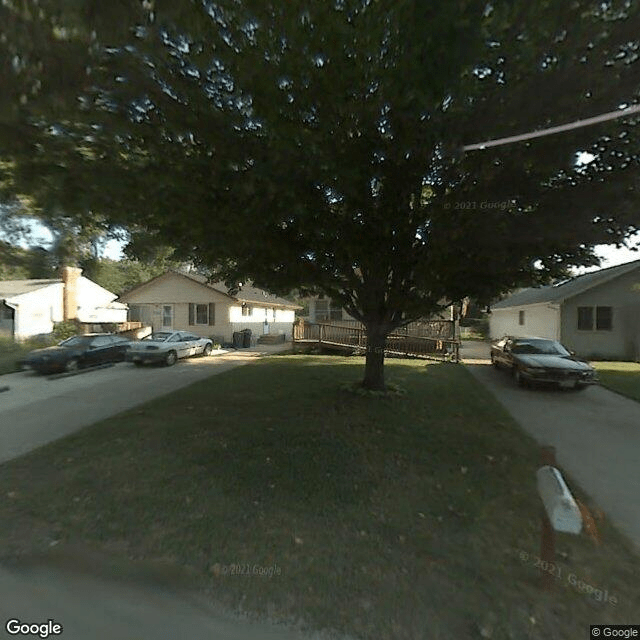
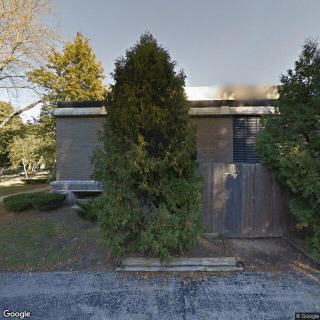
4334 Clover St, Madison, WI 53711
To contact a resident: (651) 315-2649
For more information about senior living options: (866) 208-4318
Midwest Residential II Costs & Pricing
Midwest Residential II offers competitive pricing for its accommodations, particularly when compared to the costs in Dane County and across Wisconsin. For a private room, residents would pay $4,000 per month, which is slightly above the average cost in Dane County at $3,914 but remains lower than the state average of $4,339. Additionally, the studio option is priced at $5,000 per month, which exceeds both Dane County's average of $4,418 and Wisconsin's overall average of $3,999. This pricing structure reflects Midwest Residential II's commitment to providing quality living arrangements that justify their rates while still offering value within the regional market.
| Floor plans | Midwest Residential II | Dane County | Wisconsin |
|---|---|---|---|
| Private | $4,000 | $3,914 | $4,339 |
| Studio | $5,000 | $4,418 | $3,999 |
Memory care communities with a similar price nearby
-
About the same
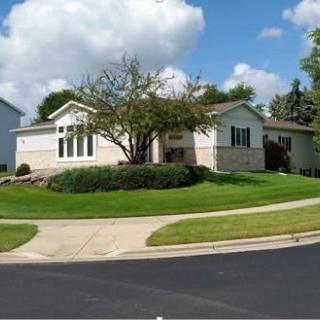
Timberwood Lodge Assisted Living and Memory Care
$4,000 to $4,500 / month0.9 miles away -
from -$500 / mo
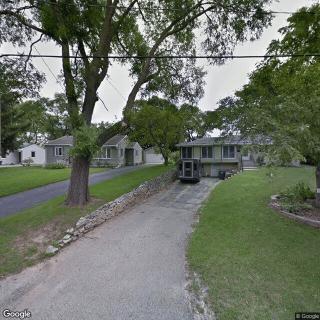
Reynolds Assisted Living Home LLC
$3,500 to $3,750 / month5.9 miles away -
About the same
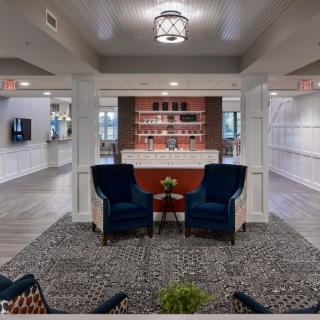
Kettle Park Senior Living
$3,900 to $4,820 / month13.6 miles away -
from -$200 / mo
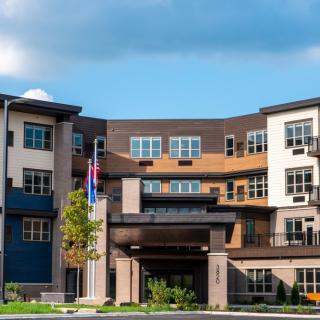
Cardinal View Senior Living
$3,800 to $5,000 / month7.1 miles away -
from +$710 / mo
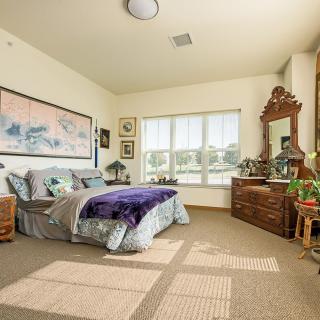
All Saints Assisted Living
$4,710 / month4.1 miles away
Overall Review of Midwest Residential II
Pros
 Midwest Homes Inc. is a wonderful partner to design and build a new home.
 - The homeowners are delighted with their Midwest-built home and praise the quality of construction and materials.
- Brian McKee and design support realtor Kelly Rainiero provide thorough information and budget-conscious guidance to create a forever home.
- The build process walks clients step-by-step through floor plans, cabinetry, trim, appliances, electronics, and landscaping.
- They are consistently on time, often two weeks ahead of schedule.
- The quality of workmanship and materials exceeds expectations.
- The craftsmanship, including Jeremy’s custom work, is outstanding.
- Dawn, the project coordinator, is sincere, capable, detail-oriented, and on time.
- The team handles challenges with flexibility and creativity to finish and close on time.
- The staff and craftspeople are friendly, professional, and caring, making the experience enjoyable.
- Post-move-in issues are addressed promptly and resolved in a timely fashion.
Cons
 They never heard back after emailing and calling.
- The toilet lever didn’t work properly after move-in.
- The new sod got washed out.
Review
Midwest Residential II is best suited for families who want a highly customized, design-forward home-building experience with aging-in-place as a core consideration. The reviews consistently show a process that starts with a detailed walkthrough of a currently building home, followed by clear next steps and a collaborative design phase that addresses floor plans, cabinetry, materials, and features within a defined budget. This is not a care facility or senior-living community; it is a high-end builder that can incorporate accessibility and future-proofing into the very bones of a home, including zero-entry access from the garage and other thoughtful design elements aimed at prolonging independent living.
For those seeking actual on-site care, meals, social programming, or continuous professional oversight on a daily basis, alternatives should be explored. The client experience here centers on construction excellence and project management rather than ongoing senior services. While the majority of reviews praise timeliness, transparency, and craftsmanship, there is at least one voice noting a lack of responsiveness after initial inquiries. That tension matters: if consistent, proactive communication throughout every phase is non-negotiable, a buyer should compare with other builders or with genuine assisted-living providers that bundle care with housing.
The strongest pro–con balance rests on a robust, well-documented design/build workflow. Pros include meticulous guidance through every step, from floor plan decisions to cabinetry, trim, appliances, electronics, and even landscaping, backed by a transparent budgeting approach. Buyers consistently note that upgrades and costs are itemized, with proactive alerts if spending threatens the budget. The result is not merely a home built to spec, but a carefully managed process that reduces surprises and protects against creeping costs. When issues arise post-m move-in, the responsive posture, addressing levers, sod damage, or other snag fixes, appears to be decisive for most clients, reinforcing the value of a strong project coordinator and a customer-centric team.
The tangible strengths go beyond project management. The craftsmanship and customization stand out: custom cubbies, mantels, and other woodwork that elevate the home’s quality, plus the ability to stay ahead of schedule, many clients report finishing ahead of time. The team routinely earns praise for being on time, with some projects finishing weeks ahead of promised dates. The design-support ecosystem, which includes design staff and a capable project coordinator, turns complex decisions into a manageable, almost consultative buying experience. This is especially meaningful for aging-in-place planning, where durable materials, accessible layouts, and future adaptability are baked into the plan from the outset, not added as afterthoughts.
Still, a practical buyer should weigh the one or two cautionary notes against the substantial upside. A single reviewer voiced frustration at not being heard after outreach attempts, a sentiment that cannot be dismissed in risk assessment. This highlights a real, albeit isolated, risk: reliance on a single point of contact or gaps in follow-up can undermine confidence just when critical decisions are being made. For families pursuing aging-in-place goals, the takeaway is clear, demand a named, accountable project lead, a written communication plan, and a published schedule with milestones and escalation steps. Ensure the post-move-in support policy is explicit, with defined response times and a warranty framework.
In practical terms, families evaluating Midwest Residential II should proceed with a focused, decision-oriented checklist. Secure a dedicated project coordinator who will be the ongoing touchpoint; demand a comprehensive, itemized budget with allowances and upgrade visibility; insist on a clear milestone timeline that is tracked publicly; and confirm the post-construction service protocol, repair timelines, and warranty coverage. Verify that aging-in-place features, such as zero-entry points, accessible doorways, and adaptable spaces, are physically integrated into the plan and not deferred. Finally, contrast this builder’s strengths with genuine senior-living options if care, meals, and social programming are priorities; use this builder to achieve a superb, long-term living environment, but pair it with appropriate care solutions if that level of daily support is required.
Bottom line: Midwest Residential II delivers a premium, highly controlled home-building experience that excels for families who want a truly customized, high-quality residence with thoughtful aging-in-place design. Its clear strengths, transparent budgeting, proactive guidance, on-time delivery, and standout craftsmanship, offset most common risks, provided communication remains consistent and a dedicated point of contact is guaranteed. For seniors and families prioritizing a care-enabled community with ongoing on-site support, alternatives to actual assisted living or memory-care providers should be pursued. For those focused on building a superior, future-proof home that supports independent living, Midwest Residential II is a compelling, confident choice.
 Board and Care Home
 Memory Care
 Activities on-site
 Devotional services off-site
 Indoor common areas
 Private
 Dane County Regional (10 miles away)
 Ambulatory care
 Diabetic care
 Incontinence care
 Medication management
 Meals provided
 Delving into the Inner World of Dementia: Insights into Thoughts and Awareness
 Five Subtle Dementia Indicators to Observe: An In-Depth Guide to Understanding “Does My Mom Have Dementia?”
 Dementia, Paranoia, and Caregiver Guidance: Understanding the Connection