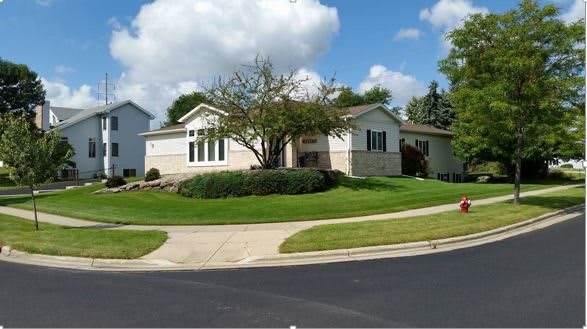
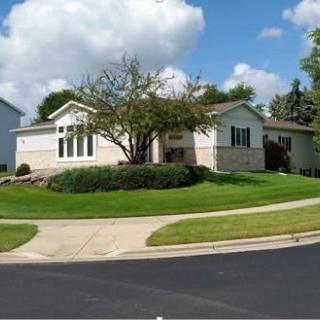


7102 Timberwood Drive, Madison, WI 53711
To contact a resident: (608) 497-3010
For more information about senior living options: (866) 208-4318
Timberwood Lodge Assisted Living and Memory Care Costs & Pricing
Timberwood Lodge Assisted Living and Memory Care offers competitive pricing for its residents, particularly when compared to both Dane County and the broader state of Wisconsin. For a private room, Timberwood Lodge's monthly cost of $4,000 is slightly above the average for Dane County at $3,914 but remains lower than the state average of $4,339. In contrast, their studio accommodations are priced at $4,500 per month, which is notably higher than both Dane County's average of $4,418 and the state's average of $3,999. This pricing structure suggests that while Timberwood Lodge may present an attractive option for those seeking private rooms, potential residents should carefully consider their budget when evaluating studio options in relation to local and state averages.
| Floor plans | Timberwood Lodge Assisted Living and Memory Care | Dane County | Wisconsin |
|---|---|---|---|
| Private | $4,000 | $3,914 | $4,339 |
| Studio | $4,500 | $4,418 | $3,999 |
Memory care communities with a similar price nearby
-
from -$500 / mo
Reynolds Assisted Living Home LLC
$3,500 to $3,750 / month6.0 miles away -
About the same
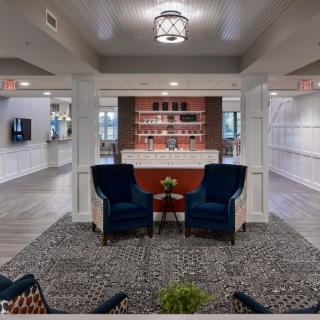
Kettle Park Senior Living
$3,900 to $4,820 / month14.4 miles away -
from -$200 / mo
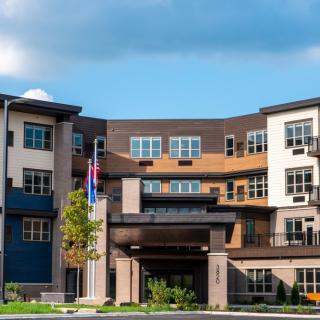
Cardinal View Senior Living
$3,800 to $5,000 / month6.3 miles away -
from +$710 / mo
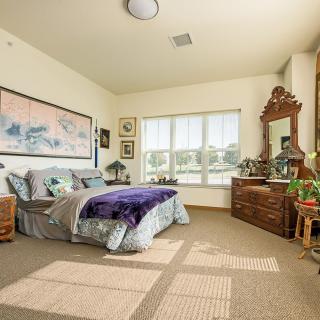
All Saints Assisted Living
$4,710 / month3.5 miles away -
from -$750 / mo
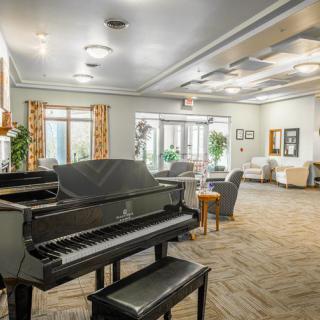
Coventry Village
$3,250 to $5,500 / month3.2 miles away
Overall Review of Timberwood Lodge Assisted Living and Memory Care
Pros
 Timberwood Lodge is highly recommended by reviewers.
- The staff are friendly, helpful, and caring.
- The facility is clean and well cared for.
- Residents are well cared for and feel at home.
- The owner and family are routinely on site, which enhances quality.
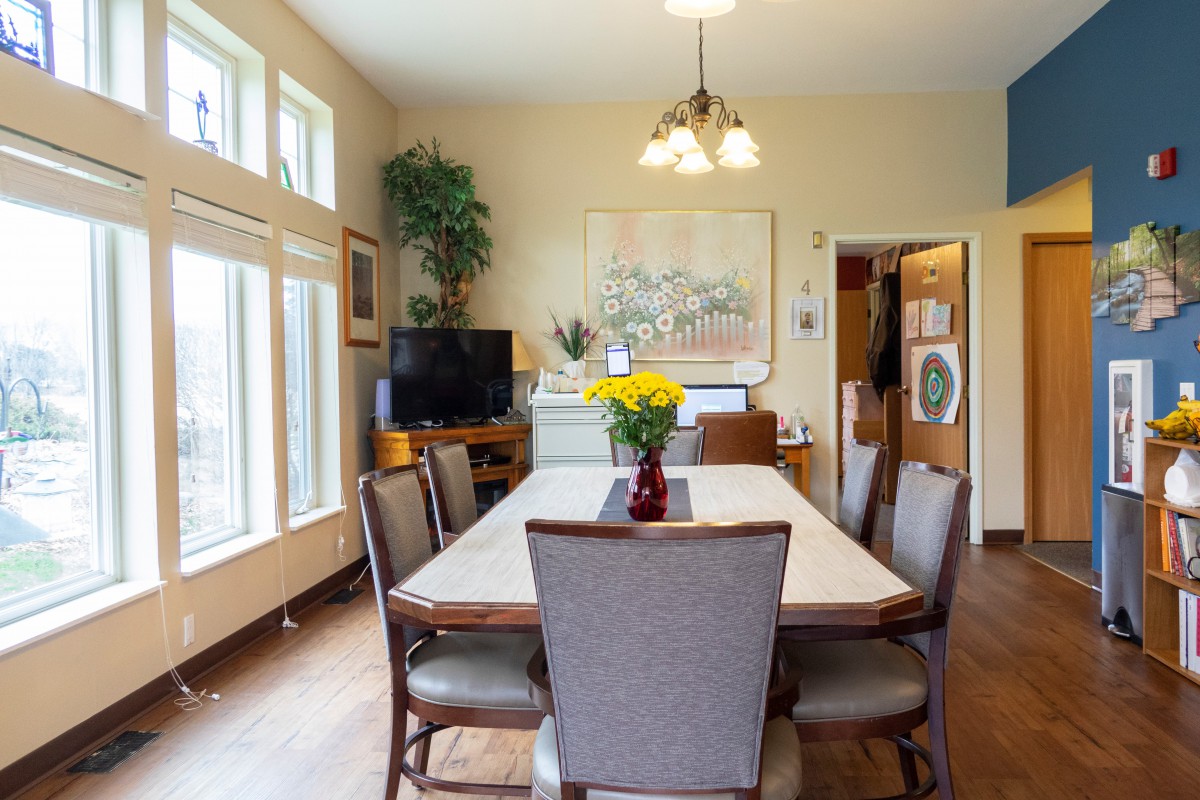
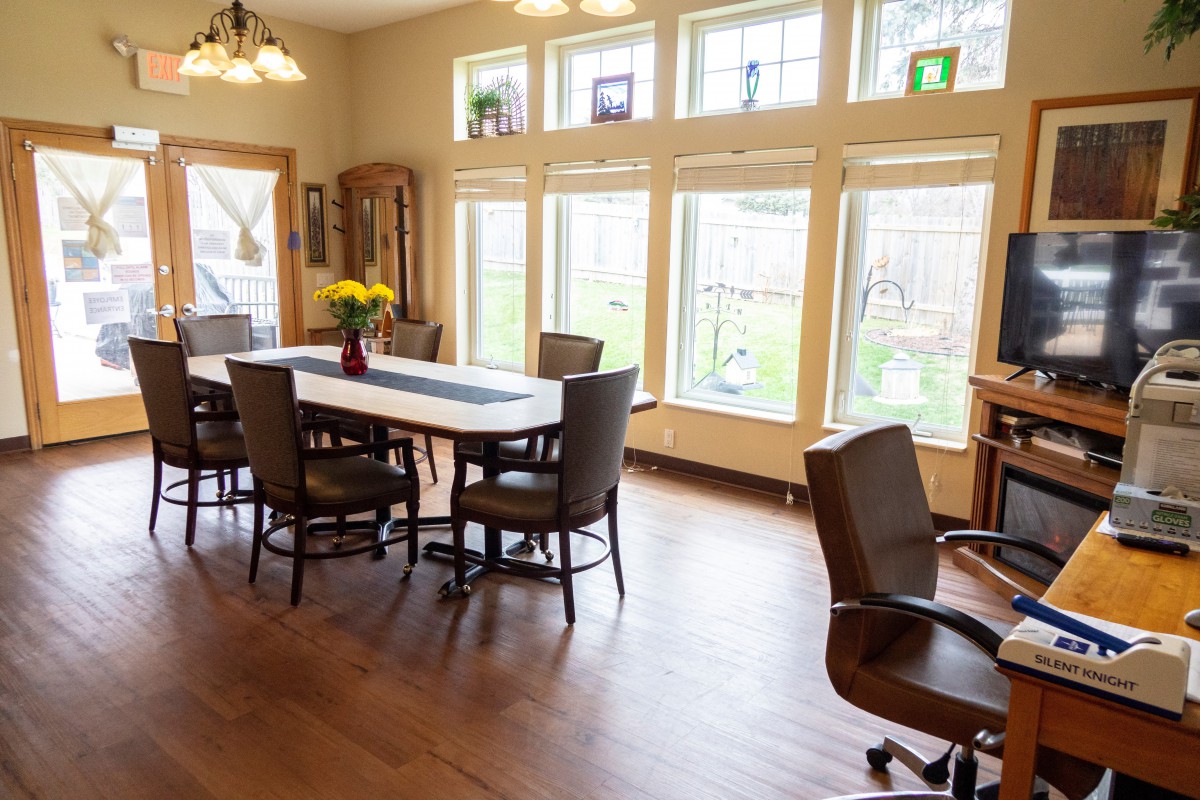
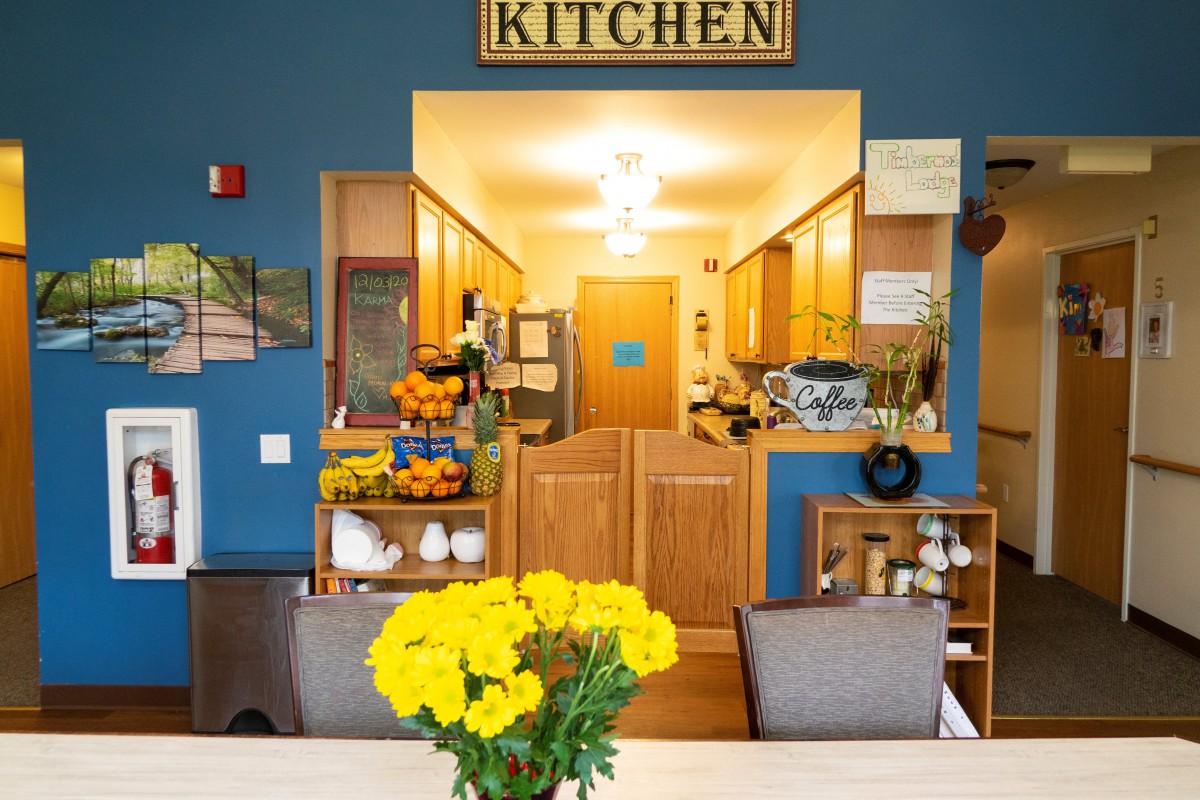
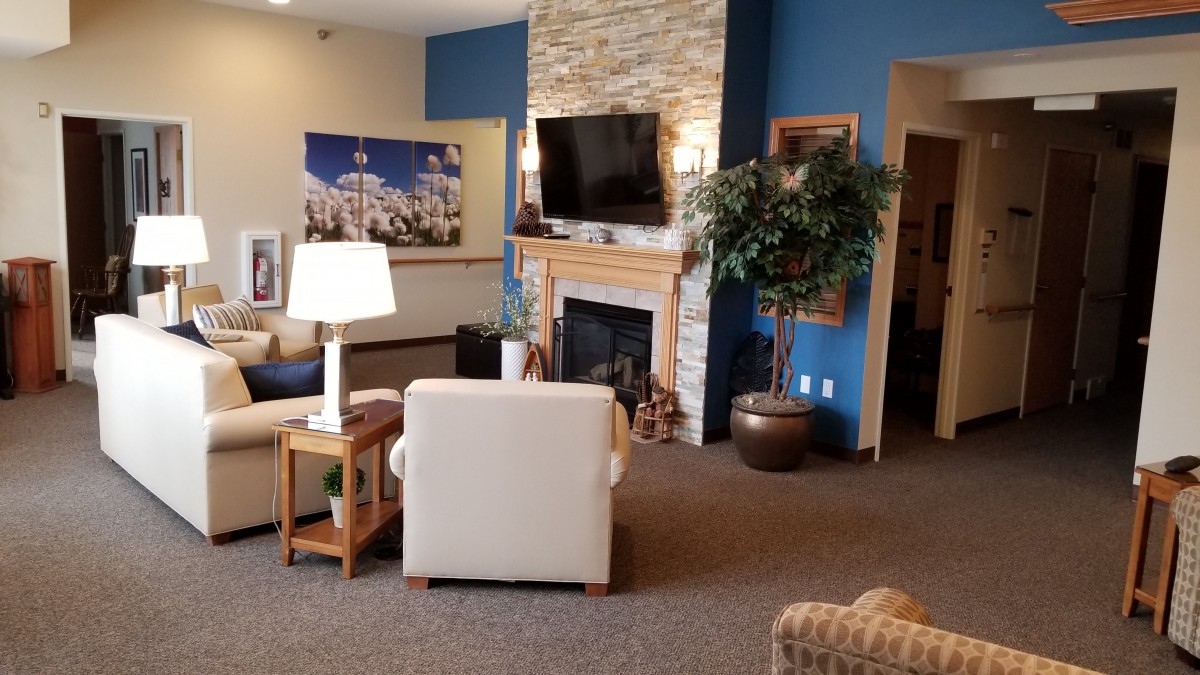
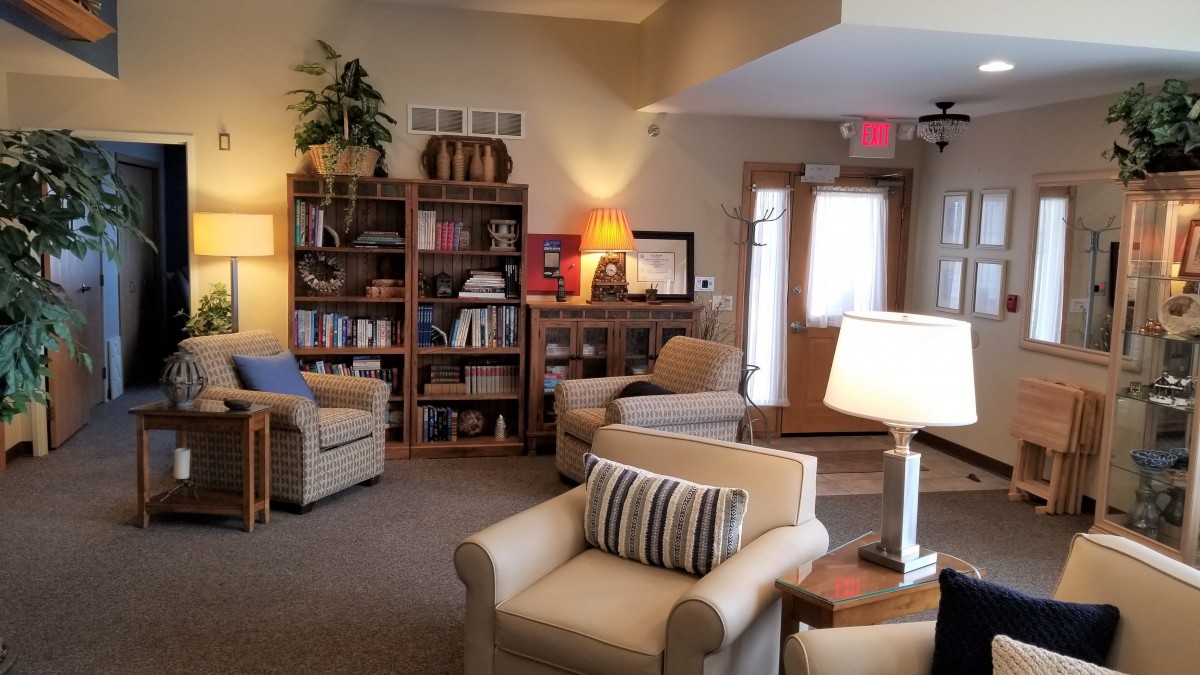
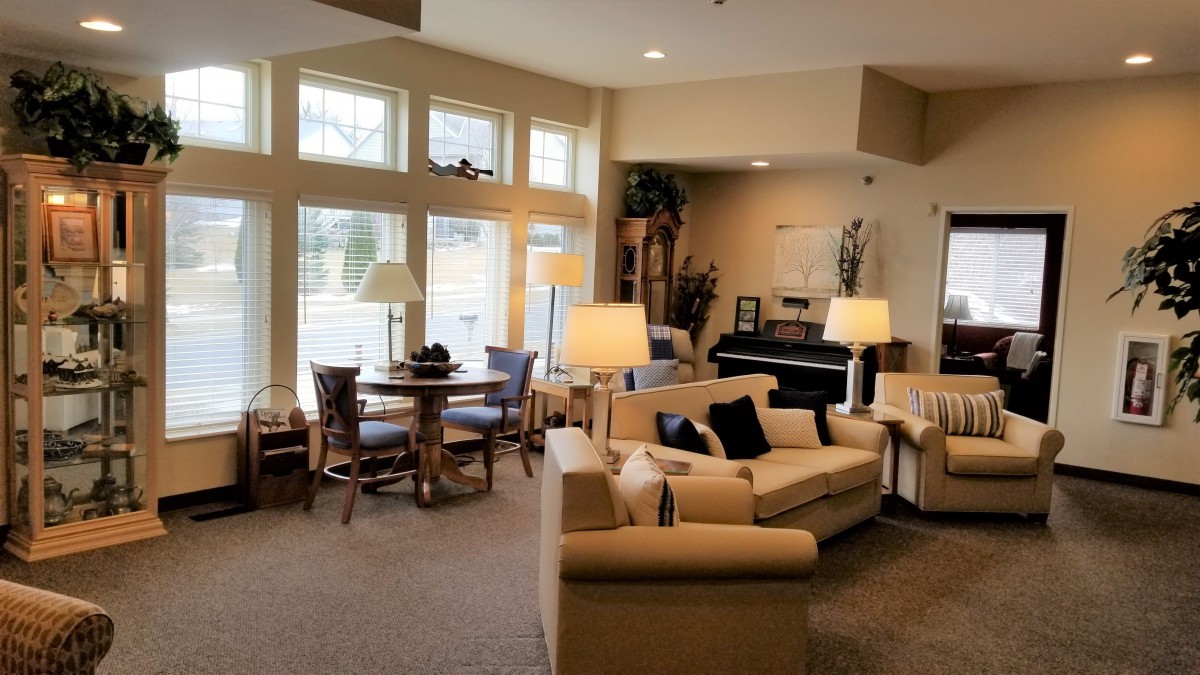
- The home-like, warm, and family-oriented environment is evident.
- Staff go above and beyond to accommodate residents’ needs and interests (such as BINGO).
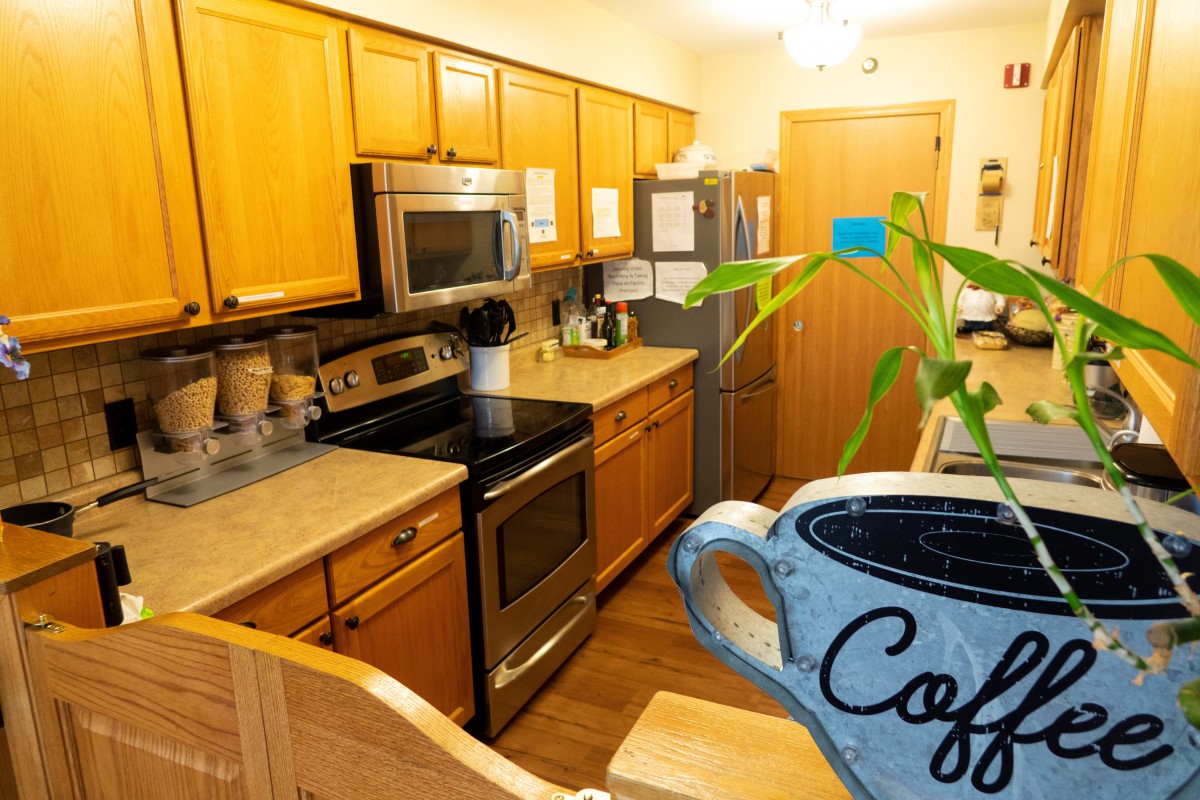
- Meals are enjoyable and include grilling and dining-out opportunities.
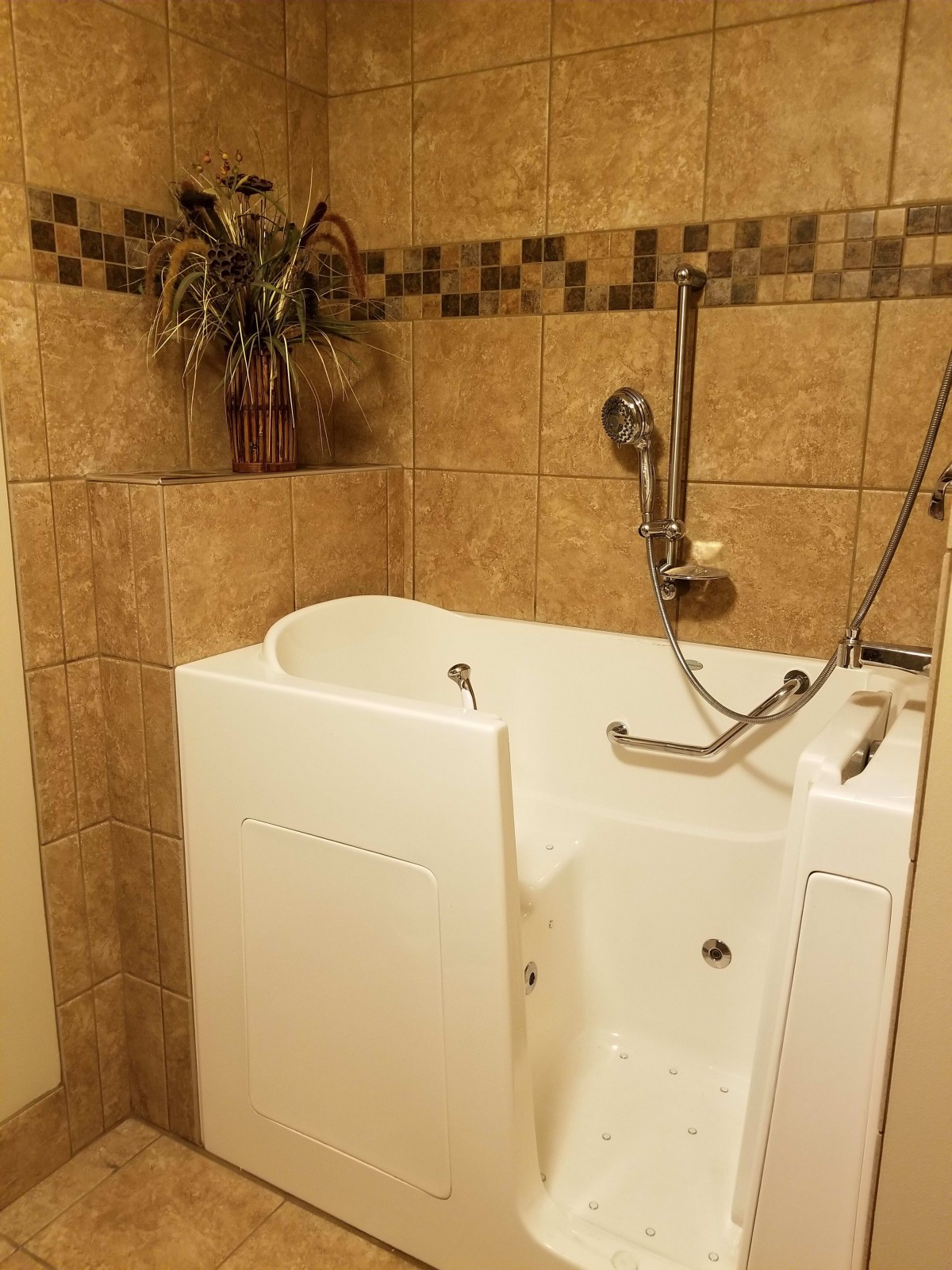
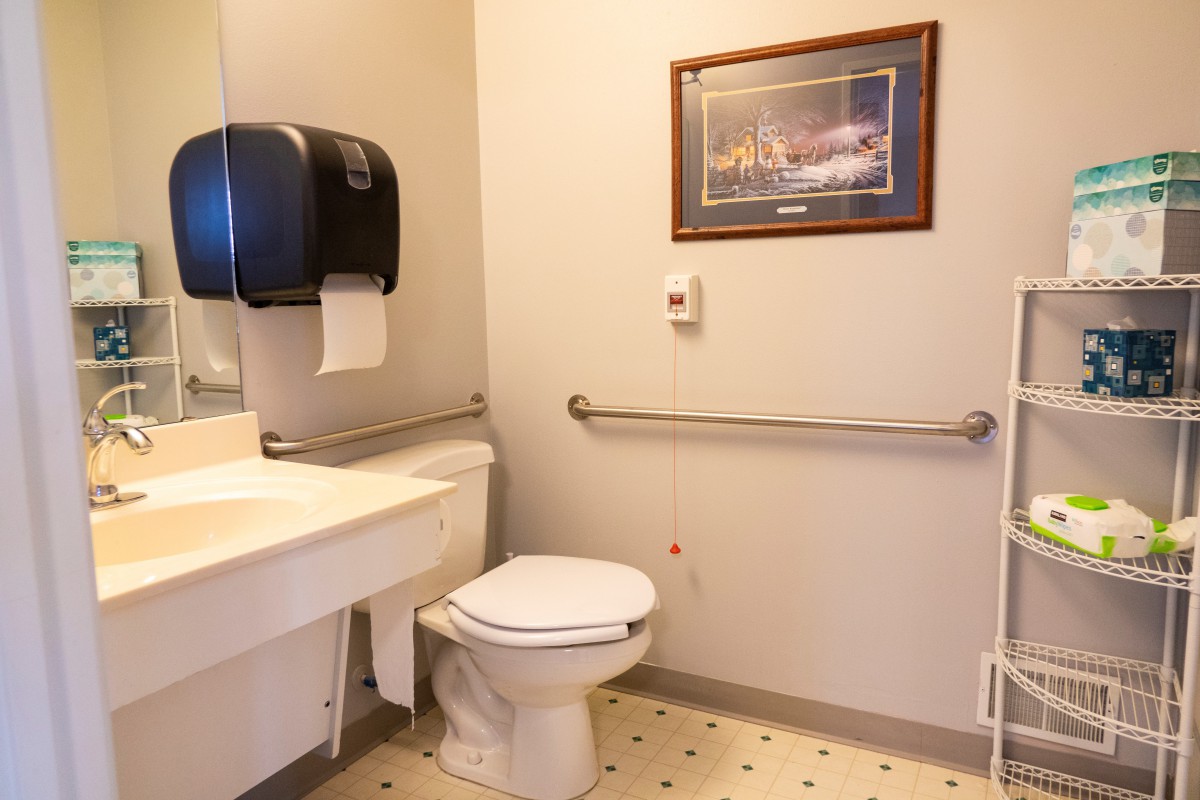
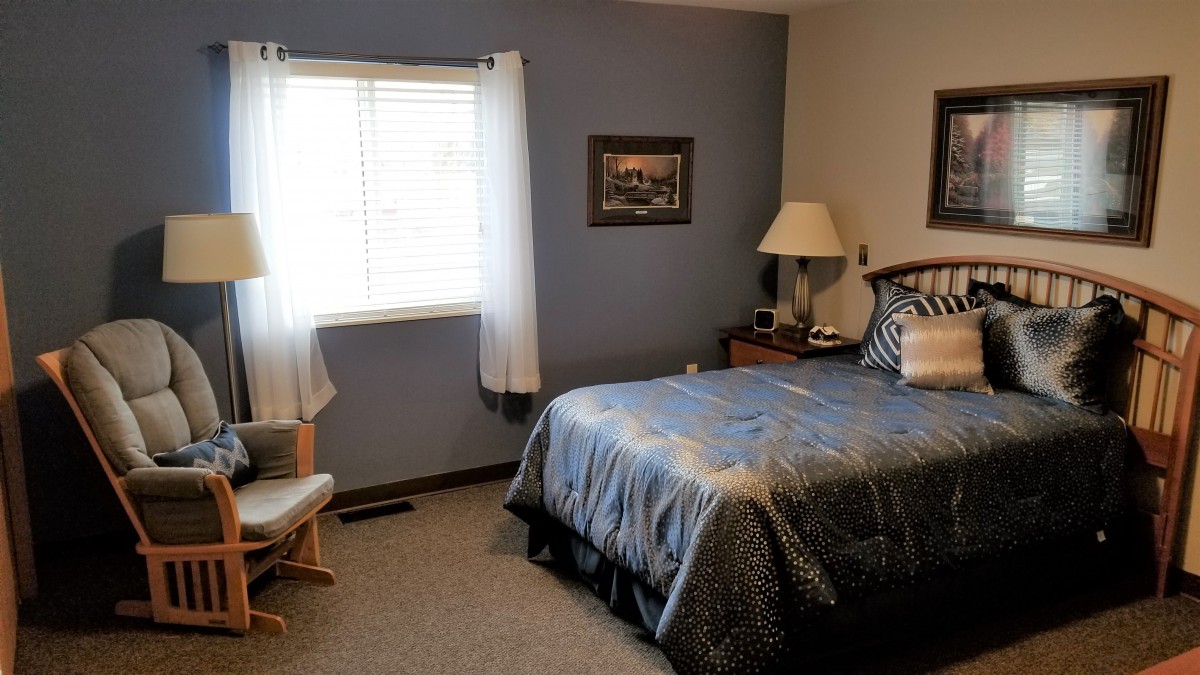
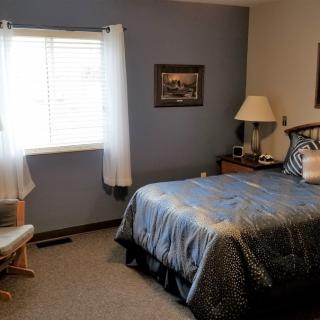
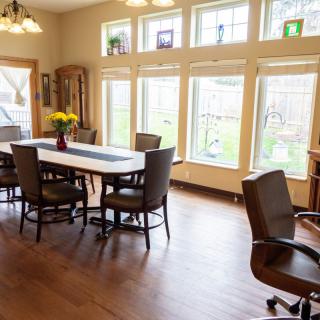
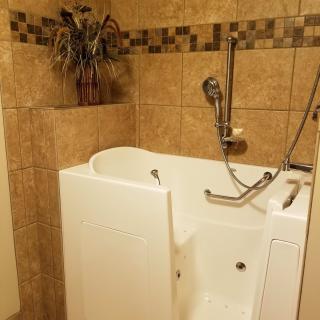
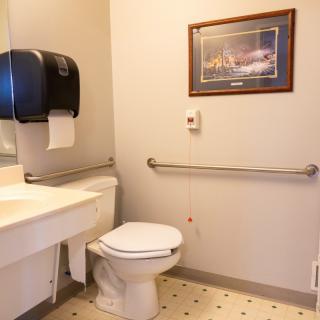
- Rooms are bright, spacious, and include private baths, offering comfortable accommodations.
- The facility accommodates dietary needs and provides good meals.
Cons
 They felt the activities were lacking, noting only one outing since their arrival and wishing there were more staff.
- They acknowledged staffing shortages, saying the facility struggles to hire good workers, a challenge common to many facilities.
Review
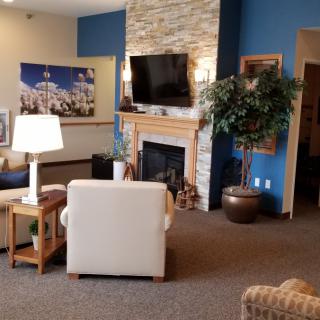
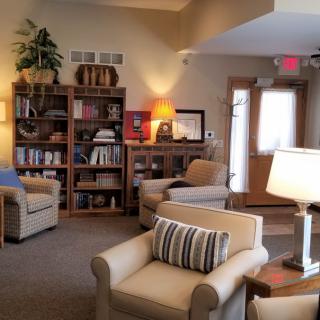
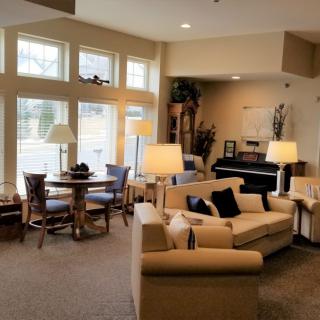
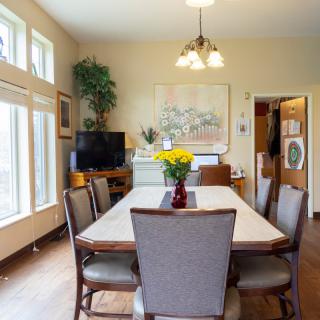
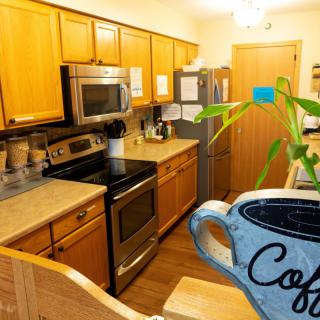
Timberwood Lodge Assisted Living and Memory Care is best suited for families seeking a small, intimate setting where residents receive highly personalized attention and where leadership is visibly invested on-site. Its eight-unit footprint creates a home-like atmosphere with private baths in each room, clean spaces, and a calm, low-key rhythm that many families find reassuring for memory care and geriatric needs. The presence of a resident dog and the ability to bring familiar furnishings or routines help preserve comfort and dignity. This community particularly appeals to those who value direct involvement from ownership and administration, translating into consistent standards of care and a sense that staff truly know each resident as an individual.
Families considering Timberwood should also recognize who may want to look elsewhere. If a robust activities calendar and a bustling, activity-rich environment are non-negotiables, this may feel undersubscribed. Several reviews note limited outings and a desire for more programming, which can be a disappointment for residents who thrive on structured social engagement. For those needing a higher level of clinical oversight, intensive dementia programming, or a larger campus with more staff to cover extensive needs, a bigger facility may deliver the kinds of schedules and specialized services that are harder to sustain in a small operation.
On the upside, the core advantages are compelling and well-executed. The staff come across as genuinely friendly, patient, and conscientious, with cleanliness and meal quality routinely praised. The leadership’s hands-on approach, owner Jim and administrator Nick, along with the nursing team, helps ensure that care plans are followed and that concerns are relayed promptly to families and external health professionals. Dietary accommodations, such as lactose intolerance considerations, are handled smoothly, underscoring a practical, resident-centered mindset. The setting supports a homelike daily life, with opportunities to grill, dine together, and engage in gentle outdoor activities that reinforce a sense of normalcy and belonging.
That said, the most noticeable con is the activity gap. While the staff are praised for attentiveness, there is an acknowledgement that programming and outings aren’t as plentiful as in larger communities. This is not a facility that promises a full calendar of excursions or high-energy programming; it is designed for intimate engagement, personal conversations, and meaningful daily routines. In a market where staffing pressures are common, Timberwood’s smaller team can constrain the breadth of activities, even as it keeps the tone personal and responsive. For families weighing these factors, the contrast between intimate care and fewer opportunities for outward adventures becomes a meaningful point of comparison.
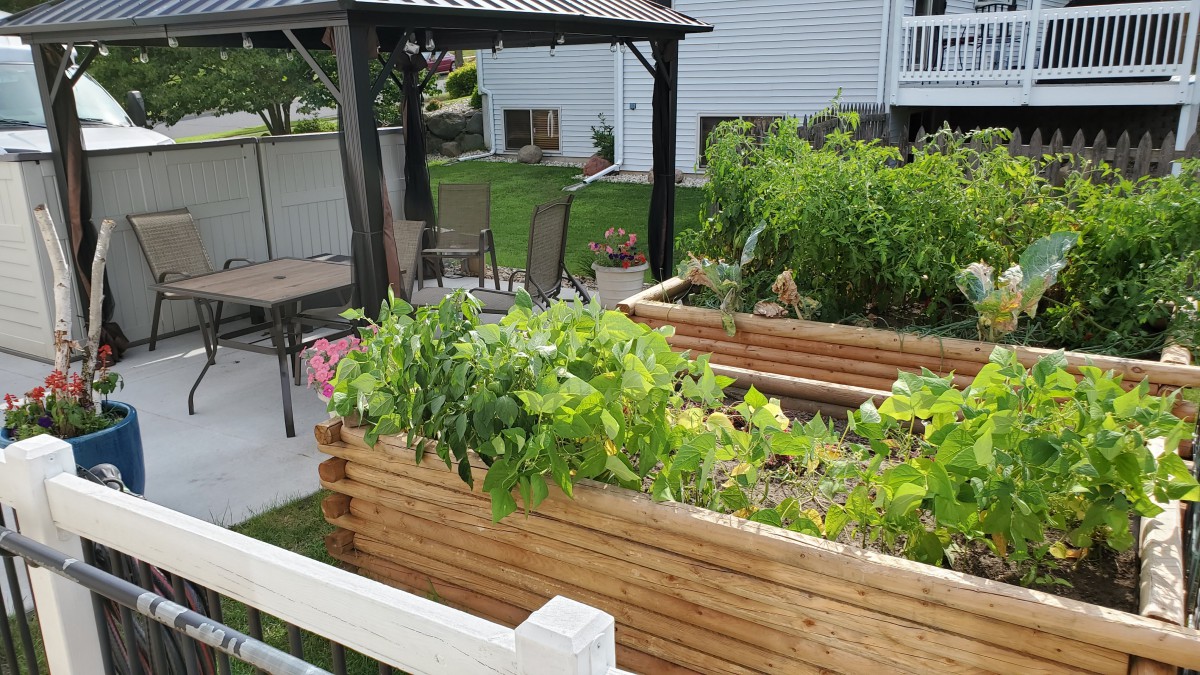
The strengths here do not merely compensate for the gaps; they redefine the value proposition. The small, family-oriented culture translates into a care experience that feels consistently attentive and customized, not generalized. Residents benefit from a reliably present leadership duo and a rotating but caring staff that tend to know residents’ preferences, health signals, and evolving needs early. The home-like environment, the private rooms, on-site dining with occasional outings, and the chance to tend garden boxes, creates a level of familiarity that reduces anxiety and supports dignity, particularly for memory care residents who often struggle with transitions. When immediate, compassionate responsiveness matters most, Timberwood delivers.
Decision-makers should match Timberwood to situational needs. It is an excellent fit for families who prioritize intimate, personalized care, a warm, home-like atmosphere, and strong leadership oversight, all within a compact footprint. It is less suited for those who require a bustling activity calendar, a broad array of on-site amenities, or frequent, diverse excursions. Prospective residents and families should probe during visits about current staff-to-resident ratios, the typical cadence of activities, transportation arrangements for outings, and how care plans adapt as needs evolve. If what matters is a trusted, hands-on environment that treats residents like family and preserves familiar routines, Timberwood Lodge stands out as a compelling choice. If instead a larger, more program-driven campus is the priority, alternatives with richer programming and more extensive services may better align with expectations.
 Board and Care Home
 Memory Care
 Activities off-site
 Air-conditioning
 Bath tubs
 Beautician on-site
 Cable or satellite TV
 Devotional services off-site
 Ground floor units
 Handicap accessible
 Indoor common areas
 Outdoor common areas
 Private
 Private bathrooms
 Respite or short term stays offered
 Wheelchair accessible showers
 Wi-Fi/high-speed internet available
 Dane County Regional (9 miles away)
 Ambulatory care
 Diabetic care
 High acuity care
 Incontinence care
 Medication management
 Anytime dining
 Art classes
 Catholic services
 Cooking classes
 Educational speakers / life long learning
 Jewish services

 Understanding Dementia Through Its Seven Stages: A Comprehensive Look at Progression and Expectations
 Safeguarding Your Memory Through the Golden Years: Eight Ways to Preserve Cognitive Health
 Comprehensive Insights into Activities of Daily Living (ADLs) and Their Assessment