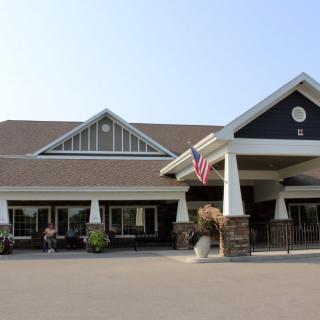
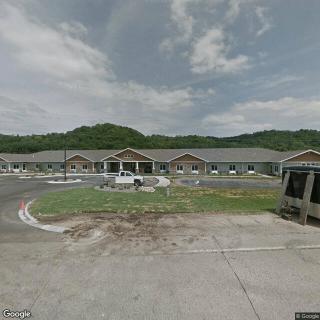
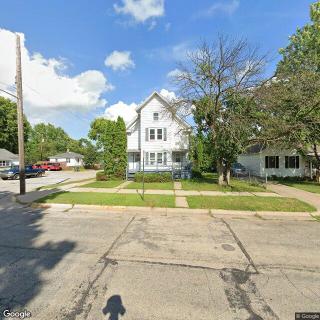
The Parmenter Home in Lacrosse, WI

Information last verified:

626 Harvey Street, Lacrosse, WI 54603

For more information about senior living options: (844) 490-3973

4.3 from 65 reviews
5 stars
50
4 stars
3
3 stars
1
2 stars
2
1 stars
9

Seniors.FYI Elite Community Awards

Top 5% Senior Living Community in 2026

Add this award to your website

Overall Review of The Parmenter Home

Pros

  • pro The staff at Benedictine Living Community are very helpful and knowledgeable about residents' needs.
  • pro Residents feel welcomed and comfortable in the Benedictine community.
  • pro The community is friendly, warm, and close-knit, making it easy for residents to form connections.
  • pro The Activity Department is highly praised for engaging residents and organizing meaningful events.
  • pro Nursing care is excellent and genuinely caring.
  • pro CNAs consistently wear smiles and provide attentive support to residents.
  • pro The facility is beautifully decorated, clean, and well maintained.
  • pro Families report excellent communication and compassionate care across therapists, nurses, dietary, and social services.
  • pro The dining and social experiences are positive, with residents enjoying meals and group activities.

Cons

  • pro The reviewer states that no provider was seen for six days and the call lights were often unanswered.
  • pro They warn that Benedictine is a place where a loved one could be neglected and possibly left to die.
  • pro One reviewer calls the facility horrible and liars, saying they would not recommend it and would give zero stars.
  • pro They cite poor management and staffing, with meals provided but little actual care, including notes of food poisoning and slow responses to falls.
  • pro They claim there was no meaningful medical care, with a resident receiving only pills and food and no attempts to heal.
  • pro They allege that since the facility was bought by Benedictine, it turned worse and more profit-driven, not recommended.

Review

This community is best suited for families seeking a small, intimate, resident-first environment where staff truly knows residents, daily routines feel personalized, and social life is a core part of living well. It rewards those who value a warm, home-like setting, strong relationships with caregivers, and robust activity programming that keeps residents engaged. It clearly appeals to families looking for a close-knit feel, easy access to staff, and a proven track record of kindness, attentiveness, and proactive involvement in everyday care. For an elder who thrives on personal connections, predictable rhythms, and a sense of belonging, this is a natural fit.

Yet, this should not be considered ideal for every situation. Those with high- acuity medical needs requiring constant clinical oversight or memory-care-specific programming may want alternatives with larger staff teams and more intensive clinical resources. If a family prioritizes a traditional hospital-like care model, aggressive 24/7 monitoring, or a facility with extensive specialized units, other options may deliver more comprehensive coverage. Also, families that have encountered ongoing management or staffing instability in past experiences might prefer communities with a more consistently resourced leadership structure.

The strongest positives center on culture and care. Reviewers repeatedly describe a warm, welcoming atmosphere where staff are attentive, friendly, and genuinely invested in residents’ well-being. The small, homey scale fosters real relationships: residents know one another, families feel seen, and caregivers remember preferences. The activity slate stands out, with events, outings, and an engaged recreation team that keeps daily life lively. Rehab services, physical and occupational therapy, are highlighted as top-tier, with therapists and aides delivering hands-on, considerate care that supports recovery and maintains independence. Cleanliness, good dining, and a genuine sense of community consistently surface as standout strengths.

Nevertheless, several reviews flag meaningful cautions. A minority describe management and staffing gaps that disrupt consistency, with experiences ranging from delayed call responses to concerns about medical oversight. Some families recount scenarios that felt neglectful or insufficiently attentive, including gaps in care during post-admission periods and tension around medication or dietary coordination. These outliers are not universal, but they illustrate that caregiving quality can hinge on leadership tone, staffing stability, and how swiftly concerns are escalated and resolved. In a setting where margins and turnover can shift daily operations, such realities bear careful consideration.

Those positives offset most concerns when the aim is a warm, engaged, and highly responsive living environment. The overwhelmingly favorable feedback about staff kindness, resident warmth, and meaningful programming suggests that households prioritizing companionship, social engagement, and personalized attention will see substantial value. The ability to deliver individualized meals, adjust care plans, and support recovery in a small setting can quiet fears about less-visible systems in larger facilities. In short, the advantages align strongly with priorities around companionship, daily vitality, and trust in caregivers, provided the operation maintains consistent staffing and transparent communication.

Bottom line: for families prioritizing a small, caring, activity-rich community where staff know residents well and demonstrate genuine affection, this campus offers compelling benefits and measurable quality in everyday life. Those who cannot tolerate even occasional lapses in medical oversight, or who need continuous, highly clinical support, should scrutinize alternatives with steadier clinical staffing and broader specialty services. When considering a move here, pursue detailed, time-stamped conversations with front-desk staff, the social services team, and current residents about call-light responsiveness, specific dietary and medication workflows, and how care plans are monitored during turnover or staffing shifts. A comprehensive on-site visit during meal times and peak activity hours will reveal whether the reality aligns with the promising reputation reflected in most reviews.

Features

Housing

  • 4 resident community capacity 4 resident community capacity

Types of Care

  • Assisted Living Assisted LivingAssisted living facilities provide crucial support and care for seniors who may need help with daily tasks such as medication management, bathing, and meal preparation. These communities offer a safe and comfortable environment where seniors can maintain their independence while receiving the assistance they need to thrive in their golden years.

Amenities

  • Cable or satellite TV Cable or satellite TVCable or satellite TV is important for seniors because it provides entertainment, news, and companionship, helping to combat loneliness and boredom. It also offers a wide range of programming options tailored to different interests and preferences.
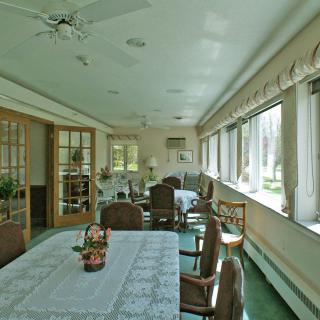
  • Dining room Dining roomDining rooms are important for seniors as they provide a space for socialization, connection, and nutritious meals. They offer opportunities for residents to bond over shared meals, foster a sense of community, and promote healthy eating habits. Dining rooms also ensure that seniors have access to well-balanced meals tailored to their dietary needs and preferences.
  • Fully furnished Fully furnishedFully furnished senior living communities are important for seniors because they provide convenience, comfort, and a hassle-free moving experience. Seniors can easily settle into their new living space without the stress of having to buy and move furniture. This allows them to focus on enjoying their new home and community.
  • Garden GardenGardens are important for seniors as they provide a peaceful and therapeutic environment for relaxation, physical activity, and socialization. Being in nature has been shown to reduce stress, improve mood, and promote overall well-being. Gardens also offer opportunities for seniors to engage in gardening activities, which can improve mobility, flexibility, and cognitive function. Additionally, gardens create a sense of community and connection with others who share a passion for plants and outdoor spaces.
  • Housekeeping services Housekeeping servicesHousekeeping services are important for seniors because they help maintain a clean and safe living environment, promote independence, and reduce the risk of accidents or illnesses. Additionally, having assistance with household chores can alleviate physical strain and allow seniors to focus on other aspects of their well-being.
  • Move-in coordination Move-in coordinationMove-in coordination is important for seniors because it helps ease the transition into their new living environment. It ensures that all logistics, such as packing, organizing movers, and setting up utilities are taken care of, allowing seniors to focus on settling in and adjusting to their new home. Having a smooth move-in process can alleviate stress and anxiety, making the transition smoother and more enjoyable for seniors.
  • Outdoor space Outdoor spaceOutdoor spaces are important for seniors as they provide opportunities for physical activity, social interaction, exposure to natural light and fresh air, and a sense of connection to nature. Having access to outdoor spaces can improve overall well-being and quality of life for older adults living in senior communities.
  • Telephone TelephoneTelephones are important for seniors as they provide a lifeline for communication with loved ones, emergency services, and healthcare providers. They offer a sense of security and independence, enabling seniors to stay connected and access assistance when needed.
  • Wi-Fi/high-speed internet available Wi-Fi/high-speed internet availableWi-Fi/high-speed internet is important for seniors to stay connected with loved ones, access online resources, and participate in virtual activities to combat feelings of loneliness and isolation. It also allows them to easily manage healthcare needs, access entertainment, and engage in lifelong learning opportunities.

Transportation

  • La Crosse Municipal (3 miles away) La Crosse Municipal (3 miles away)

Care Services

  • 24-hour supervision 24-hour supervision24-hour supervision is important for seniors to ensure their safety, well-being, and access to immediate assistance in case of emergencies or health issues. This constant support provides peace of mind for both seniors and their loved ones, allowing them to age in place with dignity and security.
  • Activities of daily living assistance Activities of daily living assistanceActivities of daily living assistance are important for seniors because they provide essential support with tasks such as eating, bathing, dressing, and mobility. This assistance helps seniors maintain their independence, dignity, and overall quality of life as they age.
  • Assistance with bathing Assistance with bathingAssistance with bathing is crucial for seniors as it helps maintain personal hygiene, prevents infections, and ensures their overall well-being and comfort. It also provides a sense of dignity and independence for seniors who may struggle with this task on their own.
  • Assistance with dressing Assistance with dressingAssistance with dressing is important for seniors because it helps maintain their independence, promotes personal hygiene, prevents accidents and injuries, and improves overall quality of life. This service ensures that seniors can continue to dress comfortably and confidently, despite any physical limitations they may have.
  • Assistance with transfers Assistance with transfersAssistance with transfers is crucial for seniors as it helps prevent falls and injuries, maintains their independence, and ensures they can safely navigate their living environment. It also provides peace of mind for both seniors and their loved ones.
  • Coordination with health care providers Coordination with health care providersCoordination with health care providers is crucial for seniors to ensure proper medical care, medication management, and overall well-being. This collaboration helps prevent overlapping treatments, track progress more effectively, and provide comprehensive support tailored to individual needs.
  • Diabetes diet Diabetes dietA diabetes diet is crucial for seniors as it helps manage blood sugar levels, reduce risks of complications, and improve overall health and well-being. By following a balanced and nutritious diet tailored to their specific needs, seniors can better control their diabetes and enhance their quality of life.
  • Meal preparation and service Meal preparation and serviceMeal preparation and service are crucial for seniors as they may have limited mobility or energy to cook nutritious meals. Having access to healthy and convenient food options can ensure they are getting the proper nutrition needed to maintain their overall health and well-being.
  • Medication management Medication managementMedication management is crucial for seniors to ensure they are taking the right medications at the correct dosages and times. This helps prevent adverse drug interactions, reduces the risk of medication errors, and promotes overall health and well-being. Proactive management also allows for adjustments as needed based on changing health conditions or new prescriptions.
  • Special dietary restrictions Special dietary restrictionsSpecial dietary restrictions are important for seniors because age-related changes in metabolism and health conditions can make it difficult for their bodies to process certain foods. By following a diet tailored to their specific needs, seniors can maintain their overall health and well-being, manage chronic conditions, and reduce the risk of complications such as malnutrition or food interactions with medications.
  • Transportation arrangement (medical) Transportation arrangement (medical)Transportation arrangements for medical purposes are essential for seniors as they may have difficulty driving themselves to appointments or accessing public transportation. Having reliable and safe transportation options ensures that seniors can receive timely medical care and maintain their health and well-being.
  • Transportation to doctors appointments Transportation to doctors appointmentsTransportation to doctors' appointments is crucial for seniors as it ensures they have access to necessary medical care and support for their health needs. Without reliable transportation, seniors may struggle to attend important appointments, leading to potential delays in treatment and health complications. Providing transportation services helps seniors maintain their overall well-being and quality of life.

Dining

  • Diabetes diet Diabetes dietA diabetes diet is crucial for seniors as it helps manage blood sugar levels, reduce risks of complications, and improve overall health and well-being. By following a balanced and nutritious diet tailored to their specific needs, seniors can better control their diabetes and enhance their quality of life.
  • Special dietary restrictions Special dietary restrictionsSpecial dietary restrictions are important for seniors because age-related changes in metabolism and health conditions can make it difficult for their bodies to process certain foods. By following a diet tailored to their specific needs, seniors can maintain their overall health and well-being, manage chronic conditions, and reduce the risk of complications such as malnutrition or food interactions with medications.

Activities

  • Community-sponsored activities Community-sponsored activitiesCommunity-sponsored activities are important for seniors as they provide opportunities for social interaction, mental stimulation, and physical activity. These activities can help improve overall well-being, combat loneliness and isolation, and promote a sense of belonging and purpose among older adults.
  • Scheduled daily activities Scheduled daily activitiesScheduled daily activities are important for seniors because they provide structure, socialization, mental stimulation, and physical activity. Engaging in regular activities can improve overall well-being and quality of life for seniors living in a community setting.

Description

The Parmenter Home in Lacrosse, WI is a fully furnished assisted living community that offers a range of amenities to ensure the comfort and well-being of its residents. The community features a dining room where delicious meals are prepared and served, taking into consideration any special dietary restrictions residents may have. Housekeeping services are provided to keep the living spaces clean and tidy.

Residents can enjoy spending time outdoors in the garden and outdoor spaces, providing a peaceful environment where they can relax and connect with nature. The community also offers telephone and Wi-Fi/high-speed internet services to keep residents connected with their loved ones.

Care services at The Parmenter Home include assistance with activities of daily living such as bathing, dressing, and transfers. The staff coordinates with health care providers to ensure that residents receive the necessary medical attention. Medication management is also provided to help residents stay on top of their medication schedules.

Transportation arrangements are available for medical appointments, ensuring that residents can access the healthcare they need conveniently. Additionally, there are plenty of nearby amenities including cafes, parks, pharmacies, physicians, restaurants, places of worship, hospitals, making it easy for residents to explore the surrounding area or access essential services.

The Parmenter Home also offers scheduled daily activities to engage residents and promote socialization within the community. Overall, this assisted living community provides a comfortable and supportive environment for seniors who require assistance with daily tasks while still maintaining their independence.

Nearby Places of Interest

Transportation

  • Amtrak (0.7 miles)

Restaurants

  • Sports Nut (0.7 miles)
  • Taco John's (0.8 miles)
  • Jimmy's North Star (1.1 miles)
  • Neuie's Vogue Bar and Grill (1.1 miles)
  • Howie's on La Crosse (1.2 miles)
  • Little Caesars Pizza (1.3 miles)
  • Rudy's Drive In Restaurant (1.3 miles)

Parks

  • Copeland Park (0.9 miles)
  • Veterans Freedom Park (1.1 miles)
  • Hixon Forest Park (1.5 miles)
  • Riverside Park (1.7 miles)
  • Weigent Park (1.8 miles)
  • Grandad Bluff (1.9 miles)
  • Houska Park (2.5 miles)

Physicians

  • Breidenbach Wellness Center (1 miles)
  • Neighborhood Family Clinics (1 miles)
  • Cook Dental (1.5 miles)
  • Optical Fashions Eye Care Clinic (1.7 miles)
  • St Clare Health Mission (2.1 miles)
  • Mayo Clinic Health System - Cardiology (2.1 miles)
  • Emergency & Urgent Care Center La (2.2 miles)

Pharmacies

  • Quillins Quality (1.3 miles)
  • Quillin's Central Office (1.4 miles)
  • Shopko Pharmacy (1.6 miles)
  • Walgreens (1.8 miles)
  • Gundersen Pharmacy Cass Street (1.9 miles)
  • Walgreens (2.2 miles)
  • Gundersen Pharmacy La Crosse East Building (2.7 miles)

Cafes

  • Greengrass Cafe (1.5 miles)
  • Moka (1.6 miles)
  • Grounded Specialty Coffee (1.8 miles)
  • Pearl Ice Cream Parlor (1.8 miles)
  • Moka (2.6 miles)
  • Caribou Coffee (2.7 miles)
  • Panera Bread (2.7 miles)

Places of Worship

  • English Lutheran Church Elca (1.7 miles)
  • Blessed Sacrament Catholic Church (1.8 miles)

Hospitals

  • Mayo Clinic Store (2.1 miles)
  • Franciscan Skemp Healthcare (2.1 miles)
  • Gundersen Lutheran Medical Center Pharmacy (2.1 miles)
  • Gundersen Health System- Hospice (2.8 miles)
  • Gundersen Health System Eye Care (2.8 miles)
  • Gundersen Health System- Dental Specialties (2.8 miles)
  • Gundersen Lutheran Medical Center (2.8 miles)

Frequently Asked Questions

Where is The Parmenter Home?

Nearby Communities

  • Recover Health of Wisconsin

    Recover Health of Wisconsin

    La Crosse, WI

    5 from 1 review
     

    pro Excellent access to healthcare, dining, parks, and other amenities nearby.

  • Hmong Kashia Day Care

    Hmong Kashia Day Care

    La Crosse, WI


    pro 24/7 supervision and comprehensive in-house care in a homelike setting.

  • Merit Centre North

    Merit Centre North

    La Crosse, WI

    4.4 from 5 reviews
     

    pro 24/7 care with ADL assistance and diabetes-friendly dining in furnished, kitchenette-equipped apartments.

  • Sandy's House

    Sandy's House

    La Crosse, WI

    5 from 1 review
     

    pro Warm, small board-and-care with personalized attention.

  • Ccls - Kane

    Ccls - Kane

    Lacrosse, WI

    5 from 2 reviews
     

    pro Intimate, small-capacity community with personalized care and diabetes-friendly dining plus medical transport.

  • Aptiv Sixteen Pines

    Aptiv Sixteen Pines

    Lacrosse, WI


    pro Fully furnished apartments with 24/7 supervision, diabetes dietary options and medication management, plus on-site dining, housekeeping, transportation, and activities.

  • Cass Street Assisted Living

    Cass Street Assisted Living

    La Crosse, WI

    4.8 from 5 reviews
     

    pro Extensive amenities with 24/7 supervision and transportation.

  • SpringBrook Village of La Crescent

    SpringBrook Village of La Crescent

    La Crescent, MN

    3.8 from 32 reviews
    $2,480 to $3,365 / month

    pro Beautiful, well-kept property with caring staff and amenities

  • Bluffview Memory Care

    Bluffview Memory Care

    Holmen, WI

    3.8 from 15 reviews
     

    pro Caring floor staff in a well-maintained facility with pleasant dining and outdoor spaces.

Related Resources

  • how to pay for assisted livingSecuring Financial Support for Assisted Living: A Comprehensive Overview

    Assisted living facilities offer crucial support for older adults needing help with daily activities but come with varying and significant costs, which can be financed through personal savings, government assistance programs, long-term care insurance, and home equity options. Professional guidance from experts can aid families in navigating these financial complexities to establish a sustainable budgeting approach for assisted living services.

  • assisted living for seniors on social securitySocial Security Benefits and Assisted Living: Navigating Options Across the U.S.

    Assisted living costs often exceed Social Security benefits, necessitating a combination of funding sources like state aid and Medicaid. Understanding the interaction between Social Security programs and available financial support is essential for affording such care.

  • aid and attendance vaAn Extensive Exploration of the VA Aid and Attendance Benefit

    The VA Aid and Attendance benefit provides financial support to veterans needing assistance with daily living due to medical conditions or disabilities, augmenting standard VA pensions for services like in-home care. Eligibility is based on service duration, wartime status, income, and medical needs, with a detailed application process required to access funds for caregiving and home modifications.