Parkside Manor offers competitive monthly costs for its residents, particularly when compared to the averages in Kenosha County and across Wisconsin. For a semi-private room, Parkside Manor's rate of $2,041 stands out as significantly lower than the county's average of $5,073 and even more so against the state average of $3,977. Similarly, while the studio apartments at Parkside are priced at $3,402 - a figure that aligns closely with the county's average of $3,808 and slightly under the state average of $3,999 - residents can enjoy a more personal living space without straining their budget. Interestingly, for one-bedroom units, Parkside Manor presents an appealing option at $3,856; however, it is essential to note that this is higher than both the county's average of $2,972 and the state's benchmark of $3,412. Overall, Parkside Manor positions itself as an inviting choice for those seeking affordability and quality care within a community setting.
Floor plans
Parkside Manor
Kenosha County
Wisconsin
Semi-Private
$2,041
$5,073
$3,977
Studio
$3,402
$3,808
$3,999
1 Bedroom
$3,856
$2,972
$3,412
Skilled Nursing Facilities with a similar price nearby
Residents and families repeatedly describe staff as caring, responsive, and attentive to needs.
Across many reviews, families mention feeling reassured because staff are welcoming, kind, and focused on residents’ wellbeing. Several reviewers highlight fast help when questions come up and improved communication about day-to-day concerns. Some residents also describe being kept safe and socially engaged, which families connect back to staff involvement. A smaller set of reviews raises concerns about care consistency and training, but the majority of feedback frames staff as supportive and invested.
common10 reviews mention this
Activities keep residents engaged
Residents describe steady opportunities for socializing and activities throughout the day.
Reviews frequently tie quality of life to the emphasis on activities and engagement. Multiple families mention residents staying social, participating in scheduled programming, and having things to look forward to beyond sitting around. Some reviewers specifically note day-to-day engagement, while others mention improvements over time in the activities team and resident outings. A minority of reviews says stimulation is lacking or that activities aren’t consistently carried out.
common7 reviews mention this
Dining and chef support get mixed
Dining is a frequent point of feedback, with the chef and meal preparation coming up often.
Several reviews praise meal quality and describe residents being served with choices and attention from the dining team, including a chef present in the dining experience. Some reviewers also call out resident satisfaction with restaurant-style dining and room-service style meal options. At the same time, multiple reviews criticize the variety and consistency of meals—citing repetition and complaints about cold food on certain occasions. Overall, residents and families describe dining as important, but experiences vary by person and timing.
common9 reviews mention this
Clean spaces and bright rooms
Many reviewers describe the community as clean, well-kept, and comfortable to walk into.
Cleanliness comes up repeatedly, with families and residents mentioning rooms and common areas that feel maintained and refreshed. Several reviews specifically reference spacious, updated rooms and bathrooms, along with a brighter, more welcoming feel under newer management. Outdoor areas and courtyards are also noted as places residents can enjoy. A smaller number of reviews describe odors or cleanliness concerns, including reports tied to furniture and facility conditions during specific periods.
caveat10 reviews mention this
Care levels raise safety concerns
A recurring concern in reviews involves safety incidents and uneven care follow-through.
While many families say residents are safe and needs are met, other reviews focus on safety events and what families felt was insufficient follow-up. Multiple accounts mention falls, including unwitnessed falls and injuries, plus concerns about supervision and staffing levels on certain shifts. Some reviewers also describe missing items, delayed responses to questions, or worries that care wasn’t consistent after incidents. There are also complaints about emergency preparedness and infection control practices, which add to the safety concerns in the more critical feedback.
caveat4 reviews mention this
Pricing is lower, but Medicaid access is a worry
Pricing can be a fit for some families, but reviews also raise concerns about Medicaid bed availability.
Pricing is discussed both ways in reviews: some families describe fair value, and at least one notes the financial aspect of selecting a community. At the same time, multiple reviewers describe experiences where promises about continuing care on Medicaid were not consistently kept as their loved one’s funds ran out. Those negative accounts also connect the issue to planning and availability, which is a specific limitation families worried about during transitions. Overall, cost appears manageable for some, but Medicaid access is a clear recurring concern in the complaints.
How we summarize
Counts show how many written reviews mention each theme; a review can touch several themes, and only frequently mentioned themes are displayed.
Features
Housing
74 resident community capacity
1-bedroom apartments
Types of Care
Assisted Living
Memory Care
Skilled Nursing Facility
Pets
Cats allowed
Dogs allowed
Amenities
Activities off-site
Activities on-site
Air-conditioning
Beautician on-site
Beauty salon
Cable or satellite TV
Computer center
Devotional services on-site
Dining room
Fitness room
Fully furnished
Gaming room
Garden
Ground floor units
Guasts at mealtime
Guest parking
Handicap accessible
Housekeeping services
Indoor common areas
Kitchenette
Laundry
Move-in coordination
Outdoor common areas
Outdoor space
Party space
Private bathrooms
Resident parking
Respite or short term stays offered
Restaurant-style dining
Small library
Spa
TV room
Telephone
Wellness center
Wheelchair accessible showers
Wi-Fi/high-speed internet available
Transportation
Community operated transportation
Transportation & parking
Transportation arrangement
Transportation arrangement (non-medical)
Transportation to doctors appointments
Care Services
12-16 hour nursing
24-hour call system
24-hour supervision
Activities of daily living assistance
Ambulatory care
Assistance with bathing
Assistance with dressing
Assistance with transfers
Diabetes diet
Diabetic care
Hospice care
Incontinence care
Meal preparation and service
Medication management
Mental wellness program
Mild cognitive impairment
Special dietary restrictions
Specialized memory care programming
Dining
Anytime dining
Diabetes diet
Guest meals
International cuisine
Kosher
Low / no sodium
Meals provided
No Sugar
Professional chef
Restaurant style dining
Room service
Special dietary restrictions
Special dining programs
Vegan
Vegetarian
Activities
Activities off-site
Art classes
Arts and crafts
Book club
Catholic services
Community-sponsored activities
Concierge services
Cooking classes
Cooking club
Day trips and outings
Devotional activities on-site
Educational speakers / life long learning
Fitness programs
Gardening club
Happy hour
Live dance or theater performances
Live musical performances
Live well programs
Planned day trips
Protestant services
Religious services
Resident-run activities
Scheduled daily activities
Stories
Stretching classes
Visiting chaplain or priest
Wii bowling
Wine tasting
Nearby Places of Interest
This part of Kenosha, Wisconsin, offers a variety of amenities and services that could be appealing to seniors looking for a convenient and comfortable living environment. With numerous restaurants, cafes, pharmacies, hospitals, physicians, and places of worship within close proximity, residents have easy access to essential services and recreational opportunities. The presence of parks such as Charles Nash Park and Gangler Park provides opportunities for outdoor activities and relaxation. Additionally, the area is home to reputable healthcare facilities like Aurora Medical Center and Children's Hospital of Wisconsin, ensuring quality medical care is readily available. Overall, this part of Kenosha presents a well-rounded community with a range of conveniences that cater to the needs of older adults seeking a vibrant and supportive neighborhood for senior living.
Restaurants
Danny's Cafe (0.2 miles)
Jimmy John's (0.2 miles)
McDonald's (0.4 miles)
Mason's Eatery & Pub (0.7 miles)
Culver's (0.9 miles)
Chutes & Ladders (1.5 miles)
Popeyes Louisiana Kitchen (1.5 miles)
Physicians
Psychiatric & Psychotherapy - Corrie Lee MD (0.3 miles)
Dr Rashid's Office (0.5 miles)
Hanger Clinic (1.1 miles)
Dermatology Associates of Wisconsin SC (1.1 miles)
Parkside Manor offers competitive monthly costs for its residents, particularly when compared to the averages in Kenosha County and across Wisconsin. For a semi-private room, Parkside Manor's rate of $2,041 stands out as significantly lower than the county's average of $5,073 and even more so against the state average of $3,977. Similarly, while the studio apartments at Parkside are priced at $3,402 - a figure that aligns closely with the county's average of $3,808 and slightly under the state average of $3,999 - residents can enjoy a more personal living space without straining their budget. Interestingly, for one-bedroom units, Parkside Manor presents an appealing option at $3,856; however, it is essential to note that this is higher than both the county's average of $2,972 and the state's benchmark of $3,412. Overall, Parkside Manor positions itself as an inviting choice for those seeking affordability and quality care within a community setting.
The features at Parkside Manor are designed to create a supportive and nurturing environment for residents with dementia or Alzheimer's disease, significantly enhancing their quality of life. The 24-hour supervision ensures that residents receive constant care and monitoring, which is critical for their safety and well-being. Assistance with activities of daily living, such as bathing, dressing, and transfers, fosters independence while addressing the challenges posed by cognitive decline. Incontinence care helps maintain dignity and hygiene, while personalized meal preparation and service cater to individual dietary needs, promoting nutrition. Medication management ensures that residents adhere to their prescribed regimens, reducing the risk of confusion or missed doses. Furthermore, specialized memory care programming and a mental wellness program engage residents cognitively and emotionally, helping to preserve mental function and enhance social interaction among peers. Collectively, these services create a holistic approach to memory care that prioritizes both physical assistance and emotional support for individuals coping with varying stages of cognitive impairment.
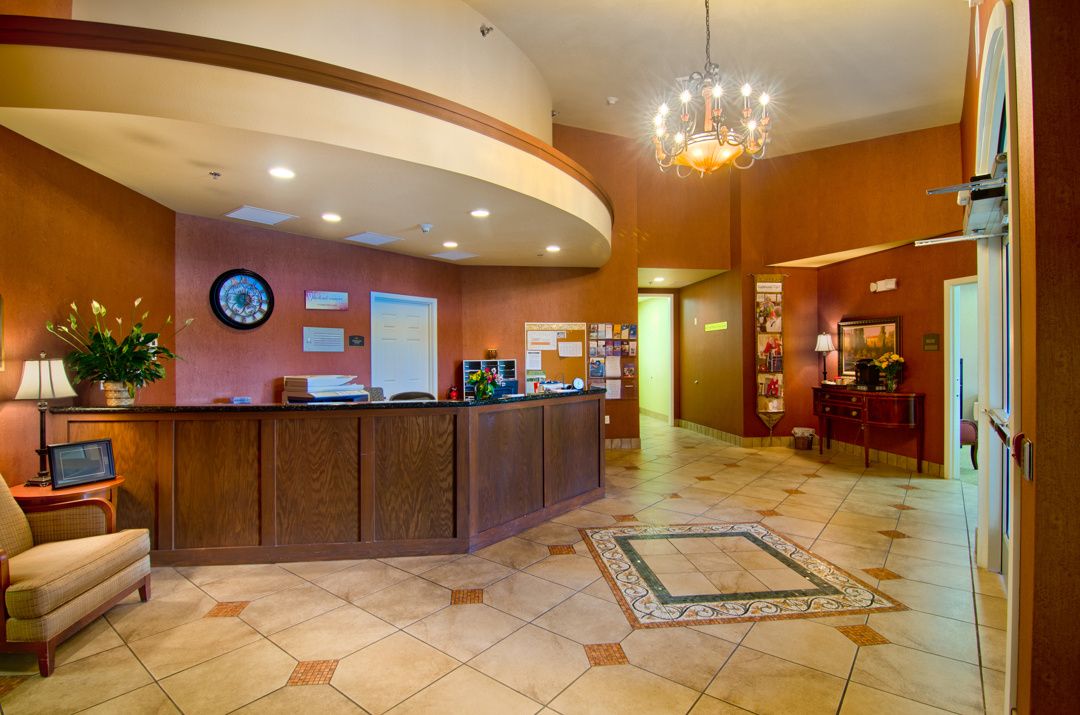
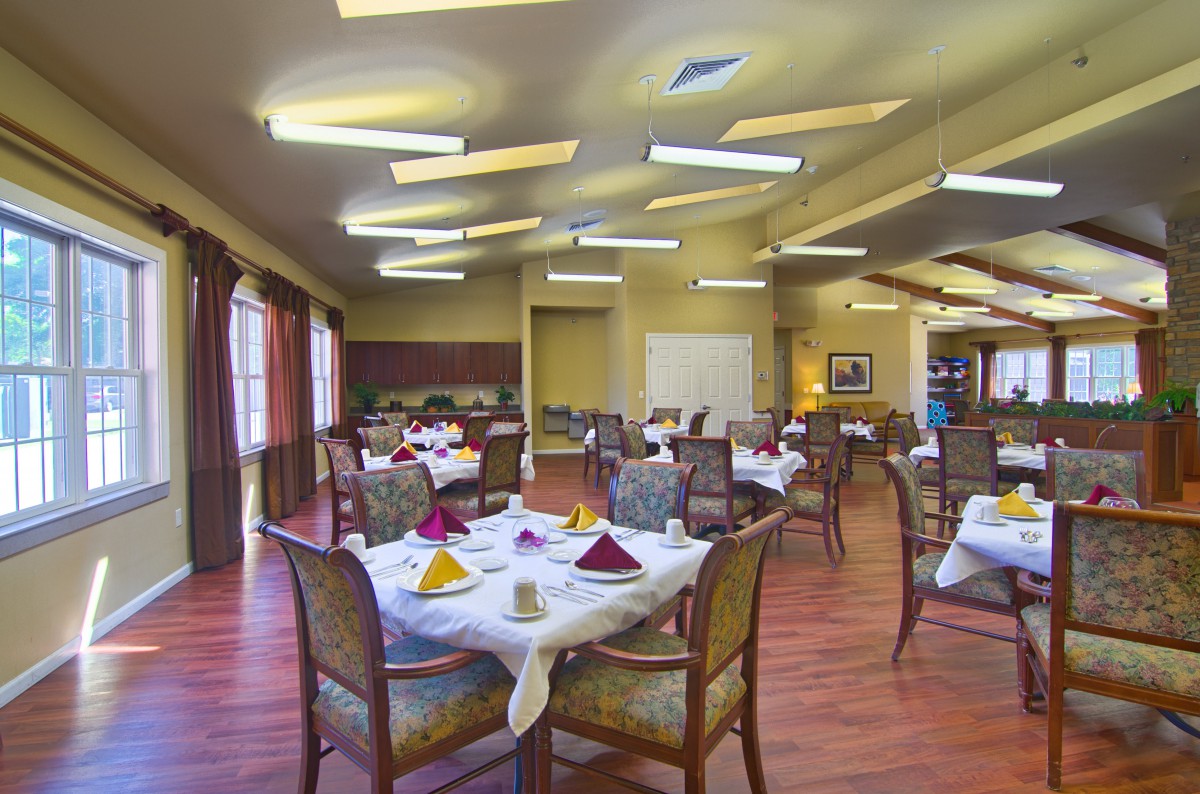
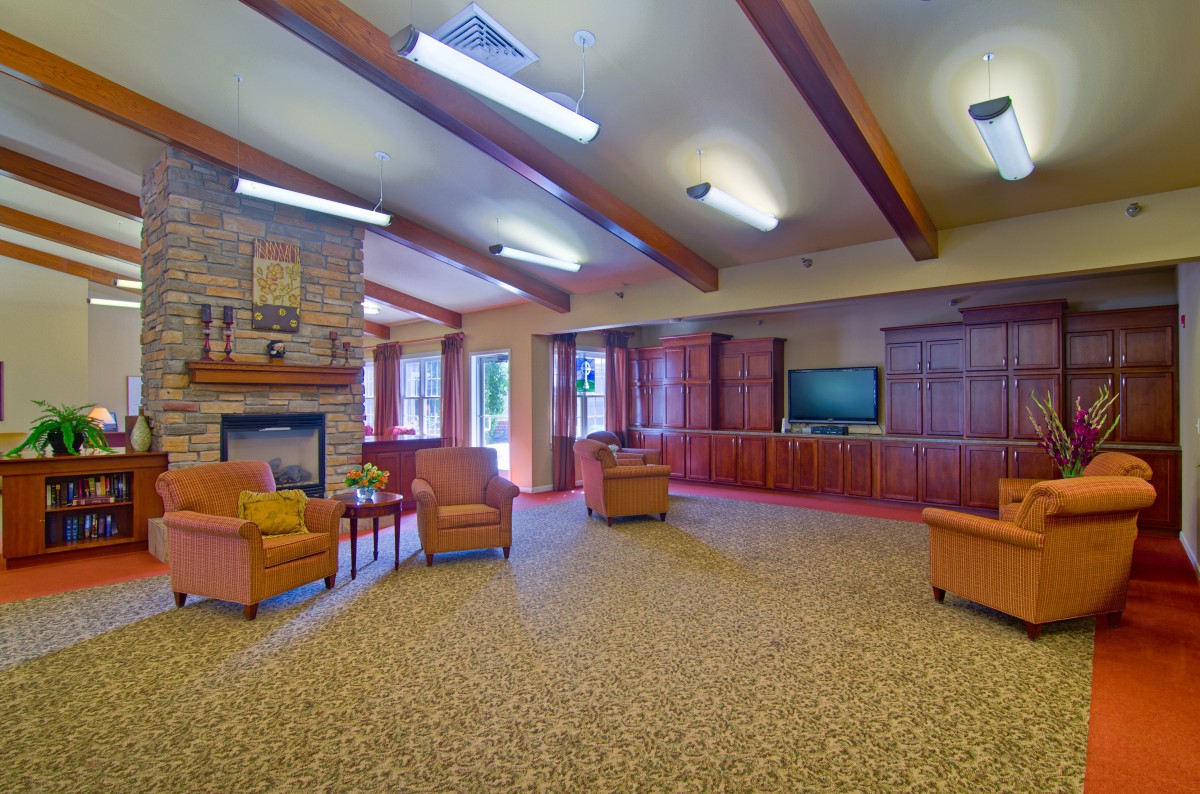
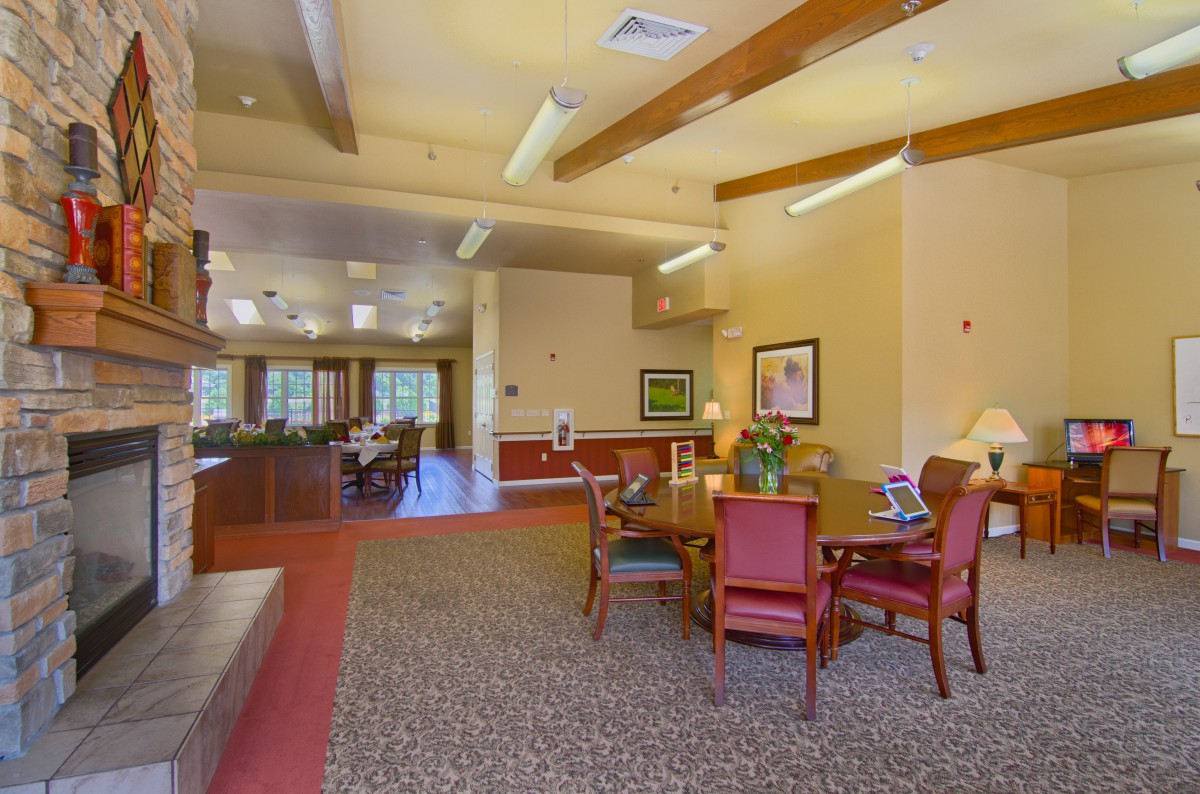
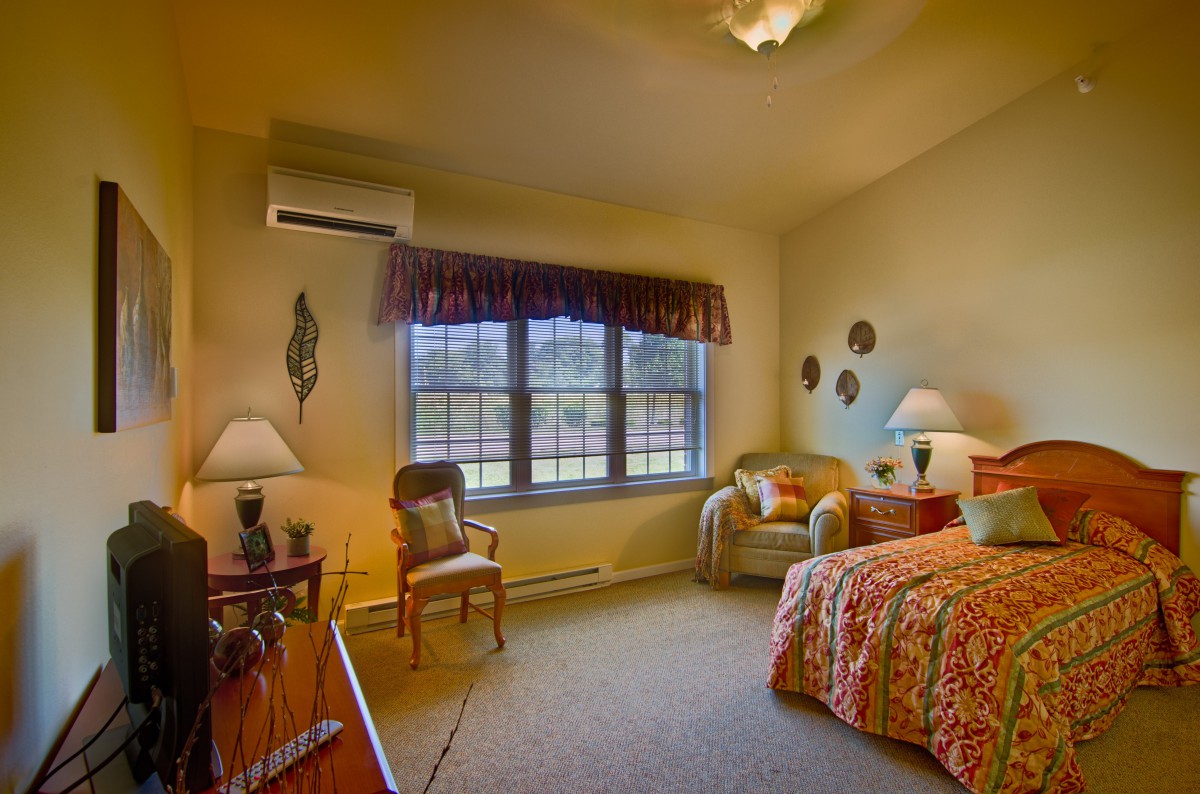
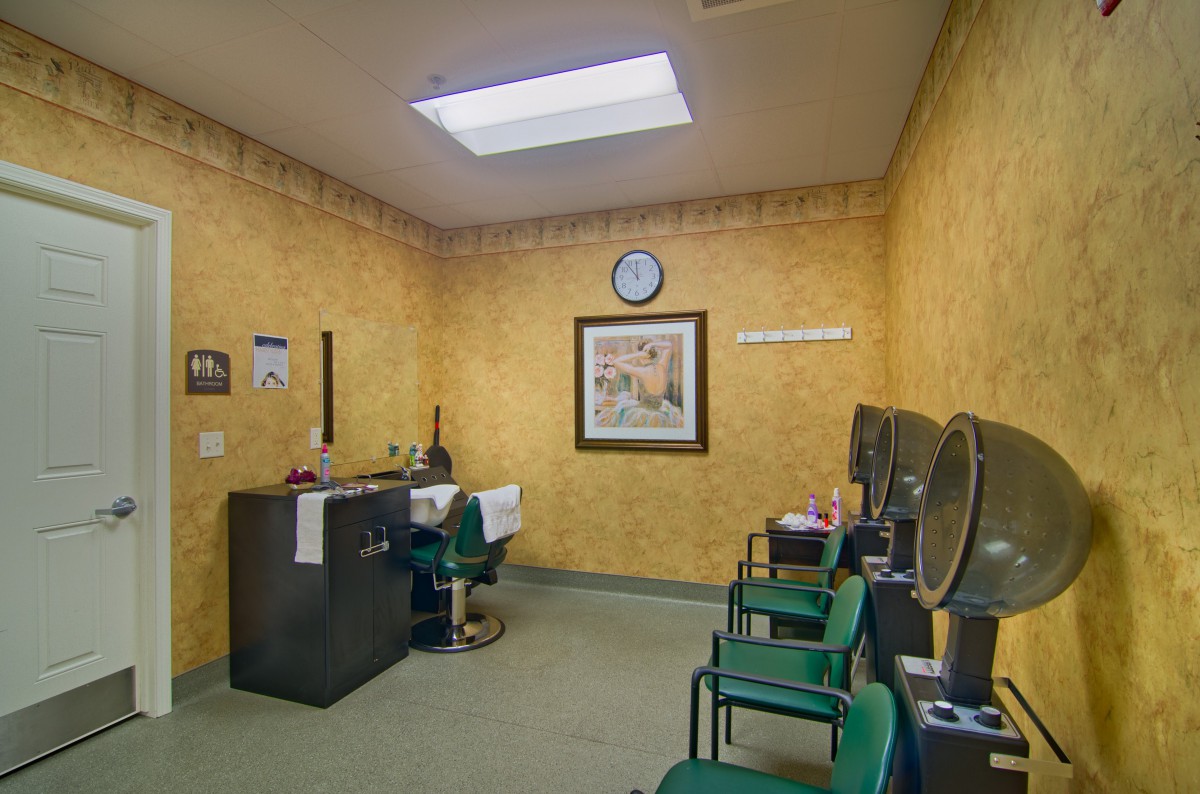
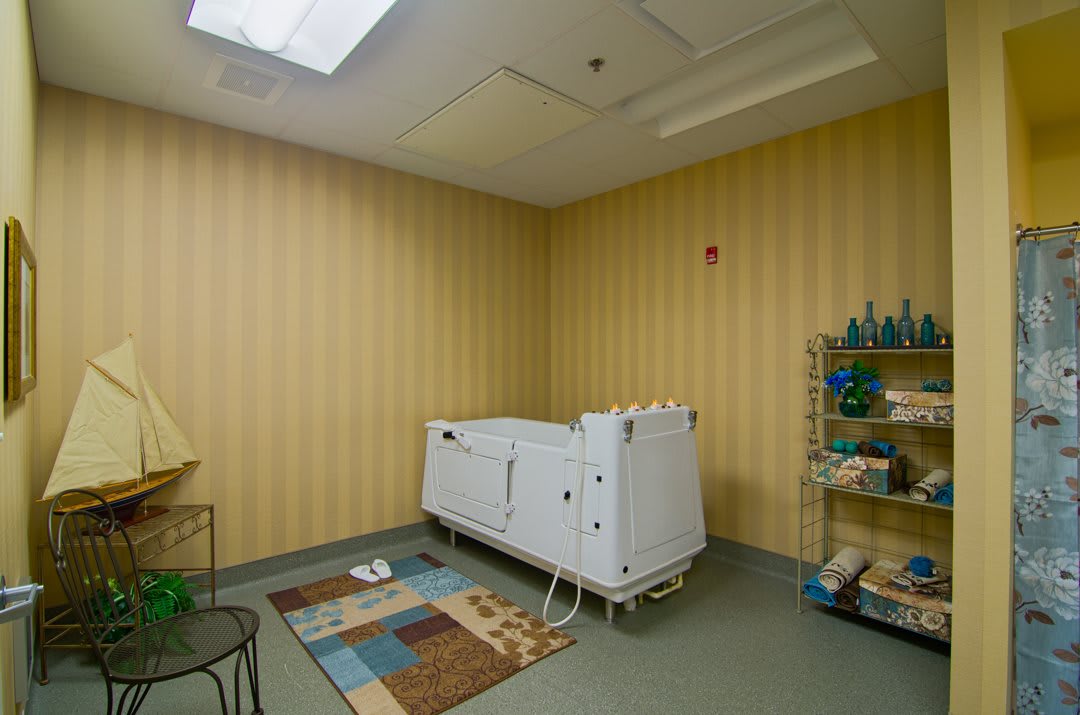
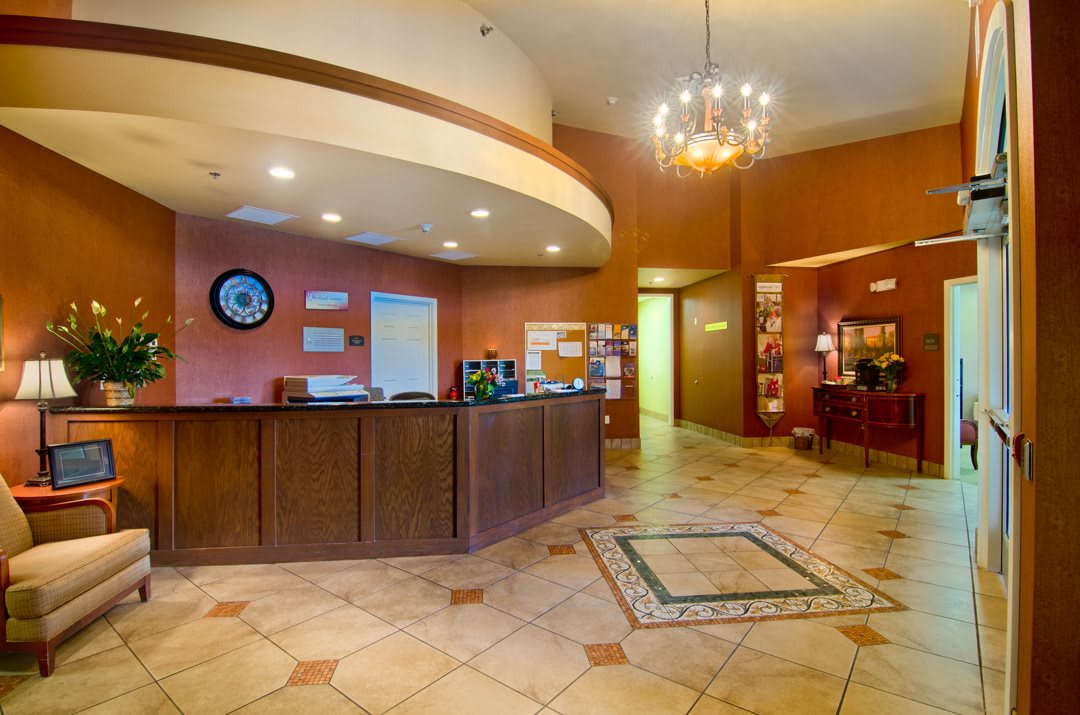
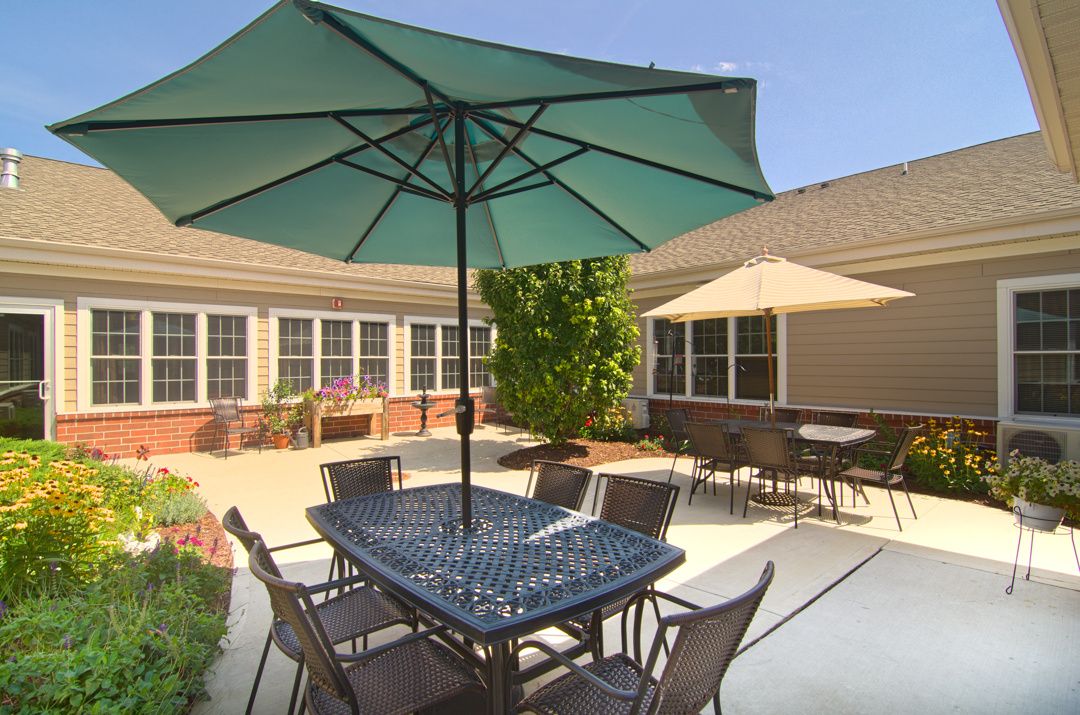
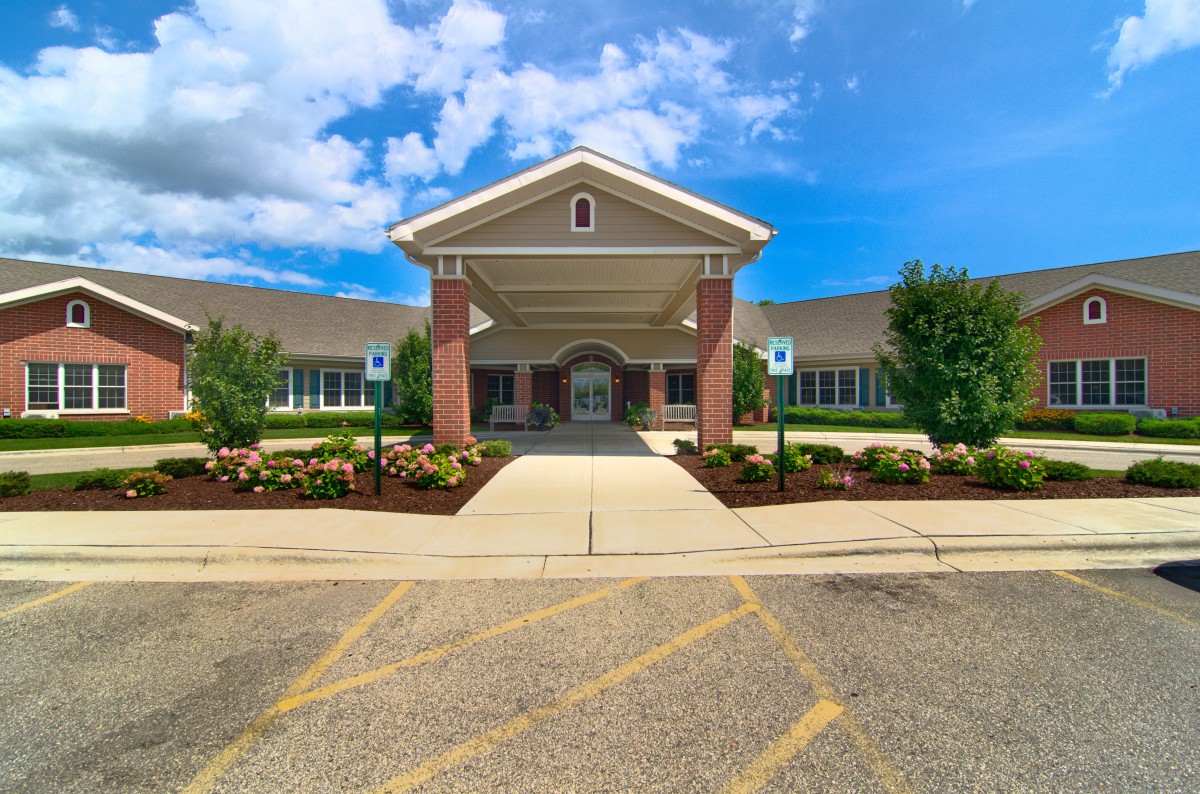
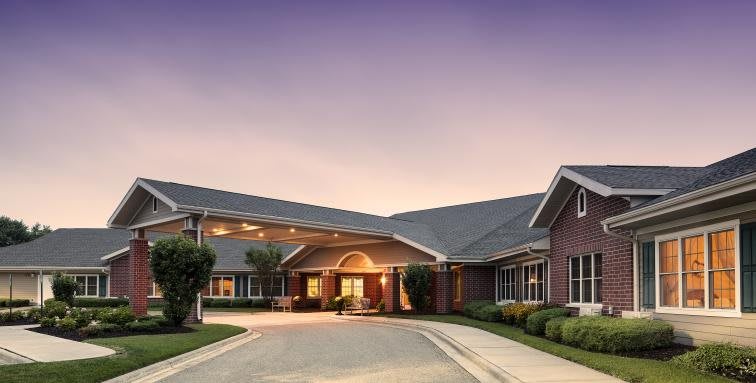
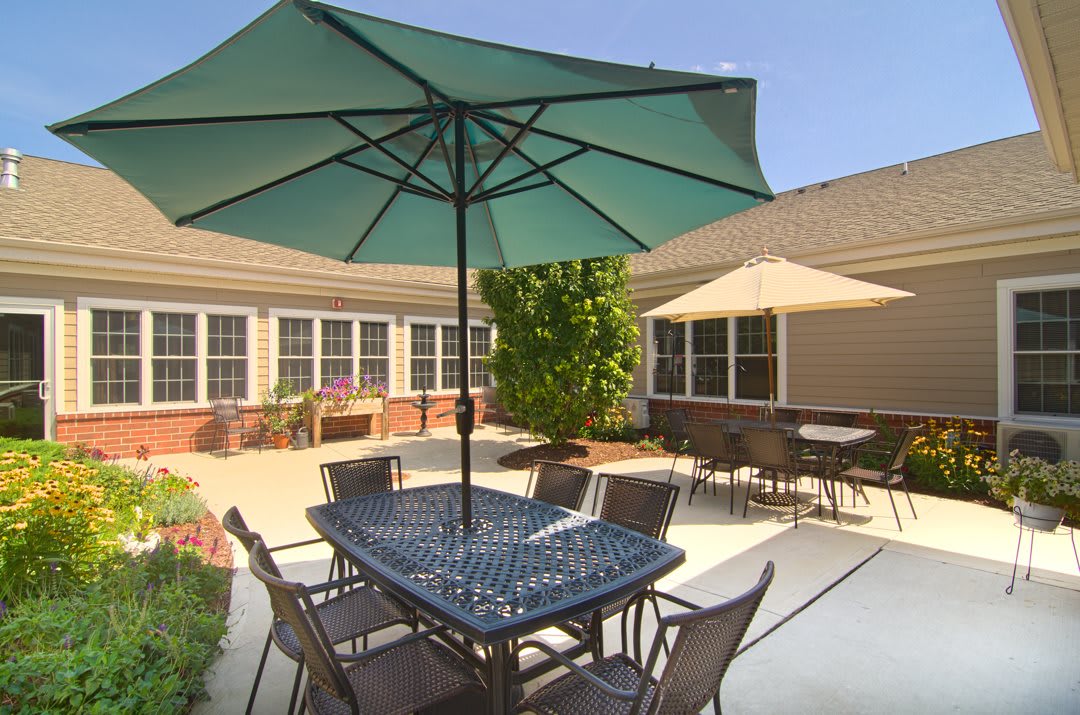
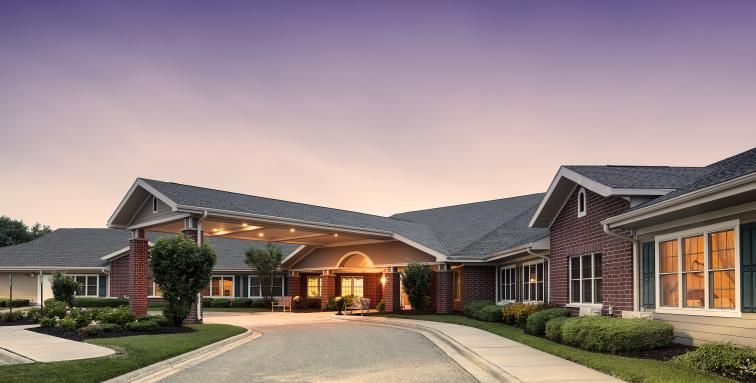
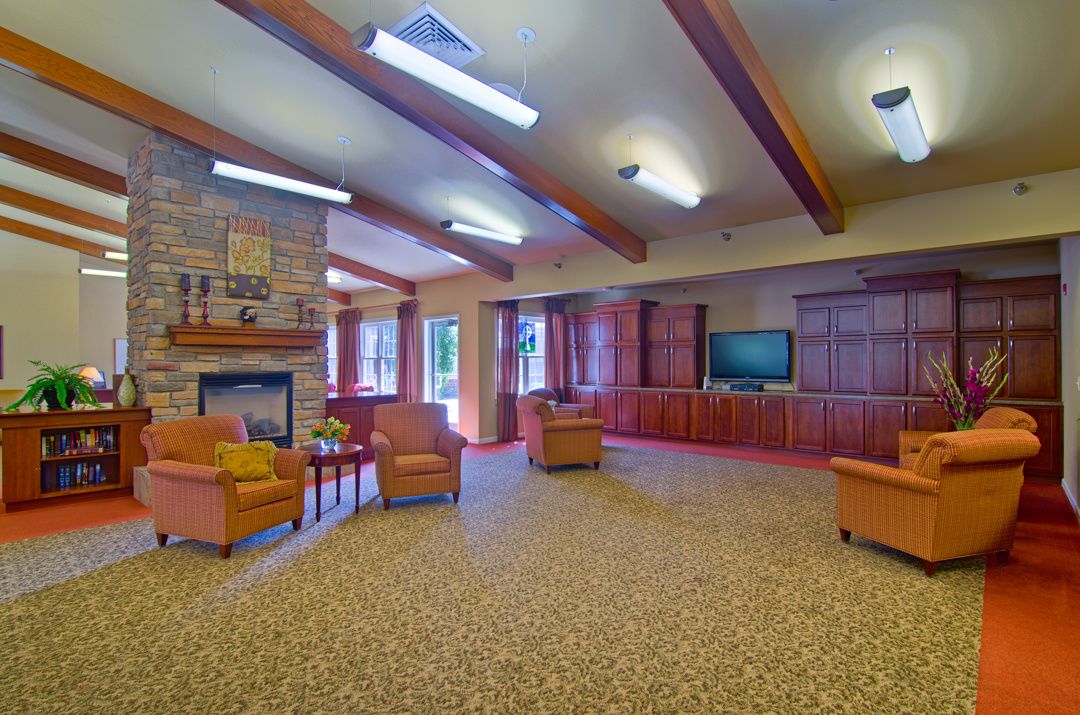
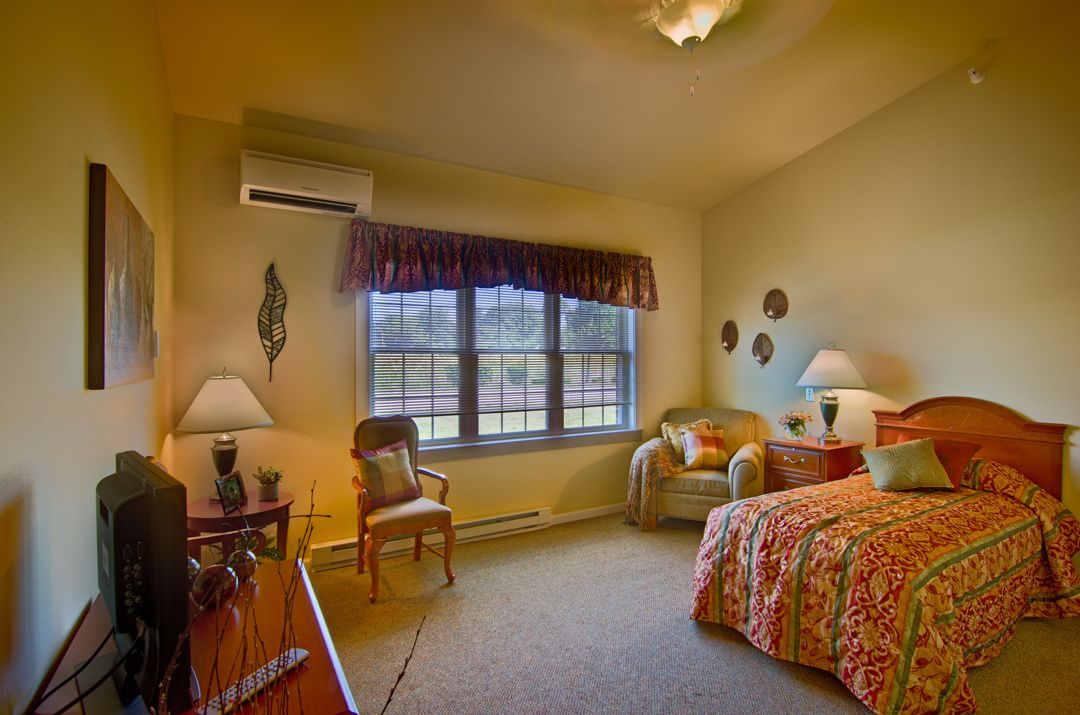
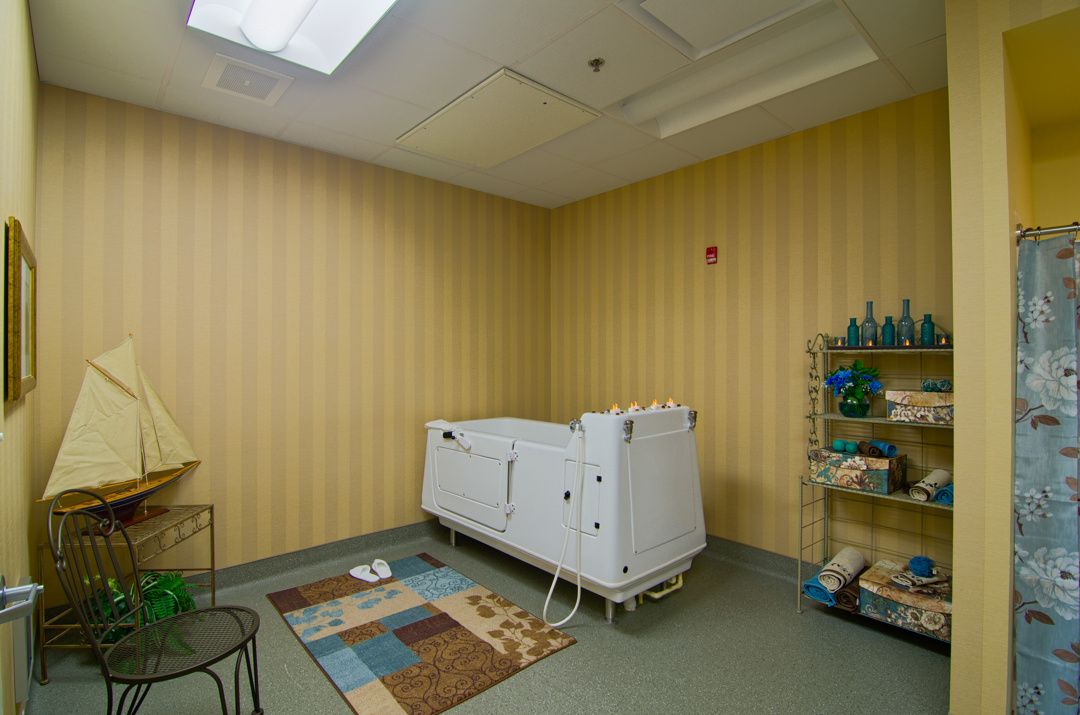
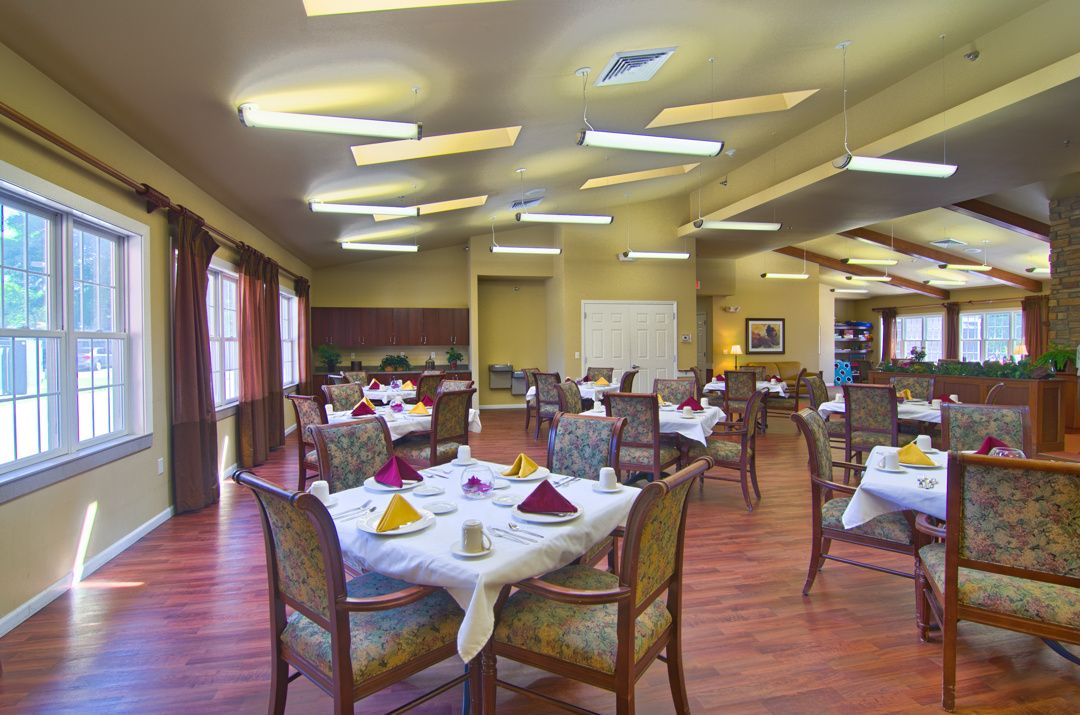
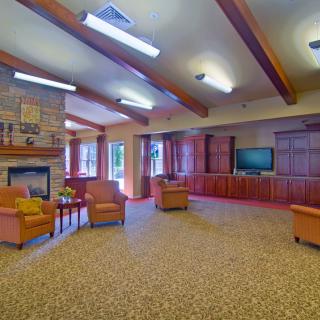
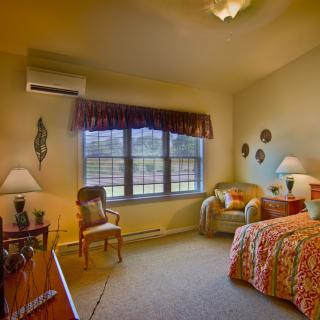
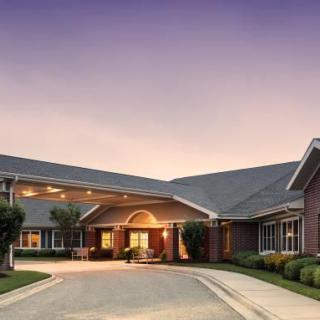
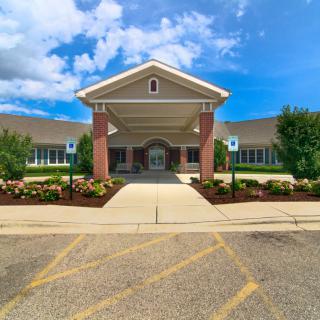
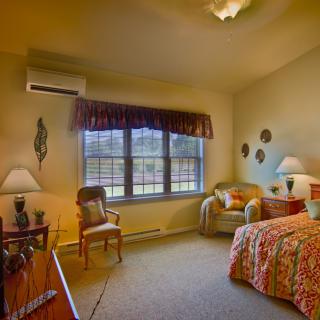
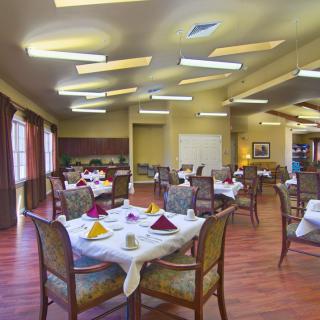
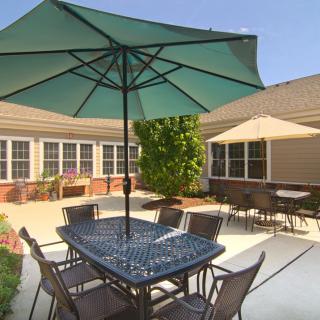
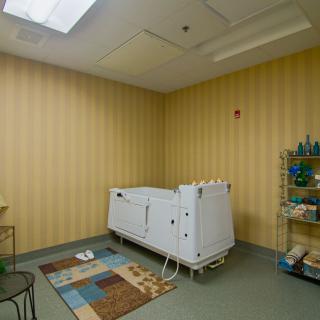
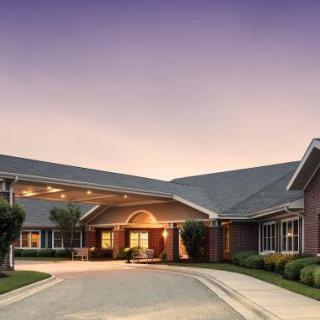
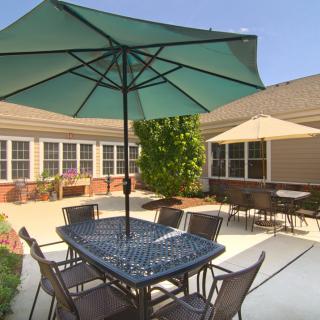
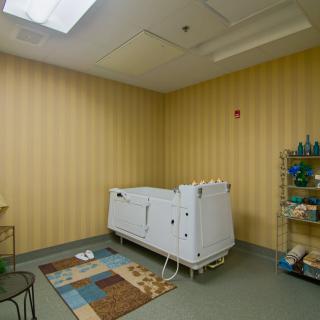
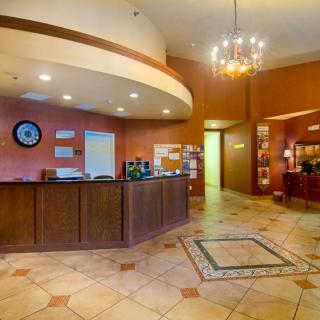
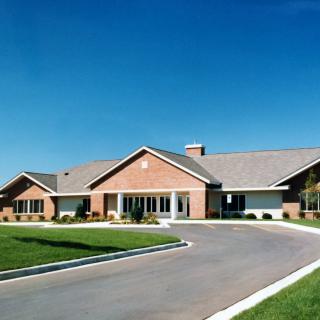
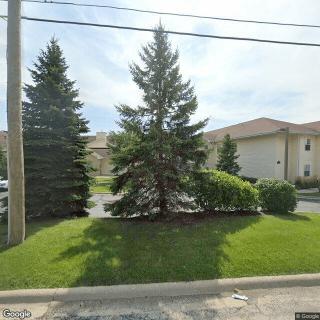
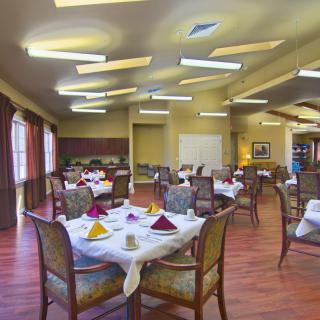
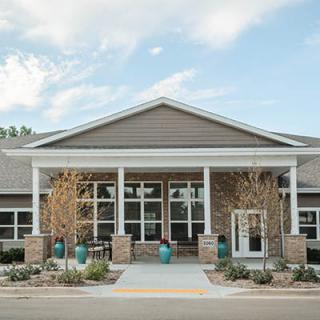
Parkside Manor on seniors.fyi includes 17 photos including images showing interior, decor, bedroom, architecture, dining, bathroom, lighting, entrance, and more.
Nearby Communities
Hickory Home
Kenosha, WI
All-inclusive assisted living with 24/7 supervision, ADL support, meals, housekeeping, transportation for medical needs, and health coordination.
Azura Memory Care Of Kenosha South
Kenosha, WI
4 from 65 reviews
Specialized memory care with 24-hour supervision and comprehensive supportive services.
Serenity Home Health Care
Kenosha, WI
5 from 1 review
Small, home-like community with 24/7 supervision and memory care options.
Serenity Home Health Care, LLC
Kenosha, WI
$4,400 / month
Memory-focused care with private rooms and a broad range of on-site/off-site activities at a price below the county average.
Bright Start Adult Family Home
Kenosha, WI
Intimate, personalized care with 24/7 supervision, memory care programming, and coordinated health services.
Kings Care Residential
Kenosha, WI
4.1 from 106 reviews
Fully furnished board-and-care with daily living assistance and scheduled activities.
Kenosha Place Senior Living
Kenosha, WI
4.2 from 64 reviews
$2,670 to $3,300 / month
Friendly staff, clean environment, and engaging activities.
Manor Of Kenosha
Kenosha, WI
2.9 from 8 reviews
Caring staff and effective therapy; improvements under new management.
The content outlines five key early indicators of dementia, including significant memory loss and confusion about time and place, while emphasizing the need for professional evaluation and emotional support for both individuals showing symptoms and their caregivers. It encourages family members to monitor these signs closely and use online quizzes for initial awareness.
The article highlights eight indicators that a loved one with dementia may require specialized memory care, emphasizing the emotional and logistical challenges families encounter in this decision. It discusses signs such as difficulties with daily tasks, safety concerns, and caregiver burnout, suggesting that memory care facilities can provide the necessary support and structured environments for those experiencing cognitive decline.
Dementia, primarily caused by Alzheimer's disease but also linked to other conditions, leads to cognitive decline impacting memory and daily functioning, with individuals experiencing varied awareness of their impairments. Despite memory loss, emotional connections persist, enabling responses to familiar stimuli, highlighting the need for caregivers to provide compassionate support that recognizes both limitations and retained emotional depth.
Get PricingAsk A QuestionSchedule A TourContact Senior Advisor
By clicking submit, you agree to our Partner's Terms of Use. You
also consent to receive calls and texts, which may be autodialed, from our Partner. Your consent is not a condition to
using our Partner's service. Please visit our Partner's Privacy Policy for information about their privacy practices.



 74 resident community capacity
 1-bedroom apartments
 Assisted Living
 Memory Care
 Skilled Nursing Facility
 Cats allowed
 Dogs allowed
 Activities off-site
 Air-conditioning
 Beautician on-site
 Cable or satellite TV
 Computer center
 Devotional services on-site
 Dining room
 Fitness room
 Fully furnished
 Gaming room
 Garden
 Ground floor units
 Guest parking
 Handicap accessible
 Housekeeping services
 Indoor common areas
 Kitchenette
 Laundry
 Move-in coordination
 Outdoor common areas
 Party space
 Private bathrooms
 Respite or short term stays offered
 Restaurant-style dining
 Small library
 Spa
Spa Telephone
 Wheelchair accessible showers
 Wi-Fi/high-speed internet available
 Community operated transportation
 12-16 hour nursing
 24-hour call system
 Ambulatory care
 Assistance with bathing
 Assistance with dressing
 Assistance with transfers
 Diabetes diet
 Diabetic care
 Hospice care
 Incontinence care
 Medication management
 Mental wellness program
 Special dietary restrictions
 Art classes
 Book club
 Catholic services
 Concierge services
 Cooking classes
 Day trips and outings
 Educational speakers / life long learning
 Happy hour
 Live dance or theater performances
 Live musical performances
 Wii bowling
 Wine tasting
 All-inclusive assisted living with 24/7 supervision, ADL support, meals, housekeeping, transportation for medical needs, and health coordination.

 5 Early Indicators of Dementia and What You Can Do
 8 Important Indicators That Memory Care May Be Necessary
 Delving into the Inner World of Dementia: Insights into Thoughts and Awareness