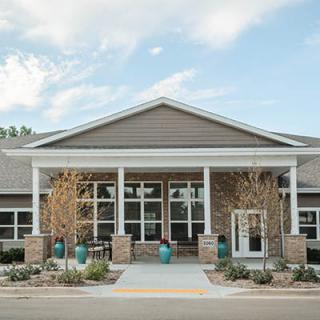
Azura Memory Care Of Kenosha South

7135 Green Bay Road, Kenosha, WI 53142

For more information about senior living options: (844) 490-3973

4 from 65 reviews
5 stars
47
4 stars
3
3 stars
0
2 stars
1
1 stars
14

Assisted Living Board and Care Home Memory Care

Overall Review of Azura Memory Care Of Kenosha South

Pros

  • pro The caregivers give excellent care and individual attention with love.
  • pro The leadership and staff at Azura Memory Care are caring and compassionate.
  • pro Regan, the Director of Nursing, is amazing, easy to talk to, and genuinely cares about residents, their loved ones, and staff.
  • pro Ariel's team recognizes new residents' needs and warmly welcomes them to the Oak Creek community.
  • pro Irina and the Azura staff show kindness and respect to residents and families.
  • pro The staff at Azura Oak Creek are hospitable and have top-notch people skills.
  • pro The care staff are attentive and responsive to family questions at any time.
  • pro The activities are engaging, and the food is of high quality.

Cons

  • pro The ED is rude and disrespectful to staff, and staff have left because of her behavior.
  • pro The ED is unprofessional and does not interact with residents.
  • pro There is no open-door policy; she promises to call back but never does, and she yells with vulgar language toward staff in front of residents and families.
  • pro The facility looks dirty and unkept, with residents left unattended and a puddle of urine observed under a resident's chair.
  • pro Staffing is severely undersized, leaving residents not properly cared for, and there are no supplies for proper cleanliness.
  • pro The ED is not willing to assist residents with proper care.
  • pro Azura Oak Creek is described as a joke with terrible management that cares more about paychecks than residents' well-being.

Review

What emerges from these reviews is a facility that inspires a wide spectrum of strong feelings. On one end, there is a chorus of praise for the people who work there and the care they provide, especially for residents with memory care needs. On the other end, there are serious concerns about leadership, day-to-day operations, and the overall safety and cleanliness of the environment. The result is a picture of Azura Memory Care in Oak Creek that is deeply nuanced: exceptional compassion and dedication from many caregivers and leaders, tangled with complaints about management, staffing levels, and some troubling lapses in accountability.

A recurring thread centers on the ED and on how leadership sets the tone for the entire community. Several reviewers describe the Executive Director as rude, disrespectful, and unprofessional, alleging a pattern of poor communication, a tendency to roll her eyes, yell, or use vulgar language in front of residents and their families, and a lack of an open-door policy. These accounts also claim that the ED's behavior has contributed to staff turnover and a broader sense of instability within the facility. Some readers imply that the ED's stance has discouraged staff from speaking up or staying engaged, which in turn has affected morale and how well residents are cared for on a day-to-day basis.

On the opposite side of the ledger are many testimonials that flatly praise the caregiving teams and leadership when viewed through the lens of resident care. Numerous reviewers emphasize that the caregivers are loving, attentive, and able to provide personal, compassionate care. They talk about memory care staff who engage residents, keep them active, and offer patient, individualized attention. In several accounts, family members describe caregivers who sit with residents, assist with meals, monitor health needs, and communicate regularly about a loved one's condition. In these narratives, the staff's warmth and reliability stand out as a major strength of Azura.

Leadership appears again as a source of both confidence and contention. Reviewers frequently mention specific leaders by name - Regan, the Director of Nursing, is consistently praised for her approachable demeanor and genuine care for residents, families, and staff. Ariel is lauded for her role in guiding activities and helping new residents feel welcomed, with comments noting a smooth transition during leadership changes from Elda to Ariel. Several families credit these leaders with maintaining high standards, improving communication, and ensuring that care plans are followed. Yet, even among the positive testimonials, there is a cautionary note that the strength of care depends on who is at the helm, suggesting that changes in management can lead to noticeable shifts in the quality of daily experiences.

The positive experiences frequently center on genuine, tangible benefits for residents. Families repeatedly highlight the quality of care for loved ones with Alzheimer's or in hospice, the consistent engagement and companionship from staff, and the sense that the memory care environment feels like a home rather than an institution. Specific anecdotes emphasize activities programs that are engaging and well-organized, with staff going the extra mile to document and communicate about residents' participation, progress, and preferences. The presence of a clean, well-maintained facility and the perception that staff are attentive to dietary needs, medications, and comfort also appear as recurring themes in favorable reviews.

There is also a substantial body of positive, personal testimony about individual staff members who make a difference in residents' lives. Families speak highly of Irina, Jackie (in charge of activities), and other caregivers who deliver kindness, respect, and responsive communication. Some reviewers describe feeling reassured by the staff's ability to address questions about medications, podiatry, palliative care, and salon services, even if it sometimes takes a day or two for a full response. A number of comments specifically celebrate the care team's willingness to involve families in care decisions and to provide ongoing reassurance during difficult health journeys.

Despite the many expressions of confidence in the care teams, there are pointed negative accounts that cannot be ignored. One reviewer characterizes Azura Oak Creek as a "JOKE," accusing management of neglect, staff distraction (including inappropriate activities like making TikToks on the job), and residents who are left unattended or in uncomfortable situations. The reviewer also claims that some staff members are dedicated and capable, but that the overall management and accountability are seriously lacking. This contrast - between the passionate, compassionate caregivers and a perceived gap in administrative diligence - appears repeatedly in the mixed reviews and underscores the complexity of trying to assess the facility from diverse perspectives.

A number of stories highlight the emotional impact of living at Azura, including far-reaching testimonials about hospice experiences and end-of-life care. Several families describe moments of tenderness and personal connection - staffs' affectionate gestures, comforting words, and a clear commitment to making residents feel valued and loved during some of their most vulnerable times. At the same time, these stories coexist with concerns about basic day-to-day issues, such as the cleanliness of the environment, the state of housekeeping, and the adequacy of supplies for staff and residents. That juxtaposition mirrors the broader theme: even when families see remarkable dedication from caregivers, they also notice and worry about systemic shortcomings.

Taken together, the reviews paint a portrait of Azura Memory Care in Oak Creek as a facility with extraordinary potential and a deep reservoir of compassion among its staff, particularly among nursing leadership, activity coordinators, and direct caregivers. The strongest praise centers on person-centered care, meaningful engagement for residents with memory loss, responsive family communication, and a sense of community warmth. Yet the same collection of reviews does not shy away from significant criticisms: concerns about executive leadership, persistent understaffing, lapses in cleanliness and safety, and inconsistent responsiveness to family needs. In some accounts, improvements have followed leadership transitions, while in others the frustration remains palpable and specific negative incidents are still fresh in residents' and families' memories.

For anyone considering Azura Memory Care in Oak Creek, one takeaway is clear: the care experience can be deeply positive and profoundly meaningful when the leadership and staffing align to support compassionate caregiving. However, there is also a clear warning that management behavior, open communication, and reliable staffing are crucial for sustaining those gains. The narratives consistently applaud the core caregiving team and the human touch they bring to residents' lives, even as they urge attention to administrative practices, facility upkeep, and transparent, proactive engagement with families. The facility's future, as suggested by these reviews, seems likely to hinge on how well it resolves those operational gaps while preserving the empathetic, resident-centered culture that many families already treasure.

Features

Housing

  • 16 resident community capacity 16 resident community capacity

Types of Care

  • Assisted Living Assisted LivingAssisted living facilities provide crucial support and care for seniors who may need help with daily tasks such as medication management, bathing, and meal preparation. These communities offer a safe and comfortable environment where seniors can maintain their independence while receiving the assistance they need to thrive in their golden years.
  • Board and Care Home Board and Care HomeBoard and care homes provide a smaller, more intimate setting for seniors who require assistance with daily tasks but do not need the level of care offered by a nursing home. They offer personalized care, meals, and social activities in a homelike environment, ensuring that seniors receive individualized attention and support in their golden years.
  • Memory Care Memory CareMemory care is crucial for seniors as it provides specialized support and services for individuals with dementia or Alzheimer's disease. These programs offer a safe and secure environment where residents receive personalized care, cognitive stimulation, and help with daily activities. Memory care helps seniors maintain their independence, quality of life, and dignity while also providing peace of mind for their families.

Amenities

  • Cable or satellite TV Cable or satellite TVCable or satellite TV is important for seniors because it provides entertainment, news, and companionship, helping to combat loneliness and boredom. It also offers a wide range of programming options tailored to different interests and preferences.
  • Dining room Dining roomDining rooms are important for seniors as they provide a space for socialization, connection, and nutritious meals. They offer opportunities for residents to bond over shared meals, foster a sense of community, and promote healthy eating habits. Dining rooms also ensure that seniors have access to well-balanced meals tailored to their dietary needs and preferences.
  • Fully furnished Fully furnishedFully furnished senior living communities are important for seniors because they provide convenience, comfort, and a hassle-free moving experience. Seniors can easily settle into their new living space without the stress of having to buy and move furniture. This allows them to focus on enjoying their new home and community.
  • Garden GardenGardens are important for seniors as they provide a peaceful and therapeutic environment for relaxation, physical activity, and socialization. Being in nature has been shown to reduce stress, improve mood, and promote overall well-being. Gardens also offer opportunities for seniors to engage in gardening activities, which can improve mobility, flexibility, and cognitive function. Additionally, gardens create a sense of community and connection with others who share a passion for plants and outdoor spaces.
  • Housekeeping services Housekeeping servicesHousekeeping services are important for seniors because they help maintain a clean and safe living environment, promote independence, and reduce the risk of accidents or illnesses. Additionally, having assistance with household chores can alleviate physical strain and allow seniors to focus on other aspects of their well-being.
  • Move-in coordination Move-in coordinationMove-in coordination is important for seniors because it helps ease the transition into their new living environment. It ensures that all logistics, such as packing, organizing movers, and setting up utilities are taken care of, allowing seniors to focus on settling in and adjusting to their new home. Having a smooth move-in process can alleviate stress and anxiety, making the transition smoother and more enjoyable for seniors.
  • Outdoor space Outdoor spaceOutdoor spaces are important for seniors as they provide opportunities for physical activity, social interaction, exposure to natural light and fresh air, and a sense of connection to nature. Having access to outdoor spaces can improve overall well-being and quality of life for older adults living in senior communities.
  • Telephone TelephoneTelephones are important for seniors as they provide a lifeline for communication with loved ones, emergency services, and healthcare providers. They offer a sense of security and independence, enabling seniors to stay connected and access assistance when needed.
  • Wi-Fi/high-speed internet available Wi-Fi/high-speed internet availableWi-Fi/high-speed internet is important for seniors to stay connected with loved ones, access online resources, and participate in virtual activities to combat feelings of loneliness and isolation. It also allows them to easily manage healthcare needs, access entertainment, and engage in lifelong learning opportunities.

Care Services

  • 24-hour supervision 24-hour supervision24-hour supervision is important for seniors to ensure their safety, well-being, and access to immediate assistance in case of emergencies or health issues. This constant support provides peace of mind for both seniors and their loved ones, allowing them to age in place with dignity and security.
  • Activities of daily living assistance Activities of daily living assistanceActivities of daily living assistance are important for seniors because they provide essential support with tasks such as eating, bathing, dressing, and mobility. This assistance helps seniors maintain their independence, dignity, and overall quality of life as they age.
  • Assistance with bathing Assistance with bathingAssistance with bathing is crucial for seniors as it helps maintain personal hygiene, prevents infections, and ensures their overall well-being and comfort. It also provides a sense of dignity and independence for seniors who may struggle with this task on their own.
  • Assistance with dressing Assistance with dressingAssistance with dressing is important for seniors because it helps maintain their independence, promotes personal hygiene, prevents accidents and injuries, and improves overall quality of life. This service ensures that seniors can continue to dress comfortably and confidently, despite any physical limitations they may have.
  • Assistance with transfers Assistance with transfersAssistance with transfers is crucial for seniors as it helps prevent falls and injuries, maintains their independence, and ensures they can safely navigate their living environment. It also provides peace of mind for both seniors and their loved ones.
  • Coordination with health care providers Coordination with health care providersCoordination with health care providers is crucial for seniors to ensure proper medical care, medication management, and overall well-being. This collaboration helps prevent overlapping treatments, track progress more effectively, and provide comprehensive support tailored to individual needs.
  • Dementia waiver Dementia waiverDementia waivers are essential for seniors as they provide critical protections and accommodations for those experiencing cognitive decline. These waivers ensure individuals with dementia receive appropriate care, support, and resources to maintain their quality of life and dignity as they navigate the challenges of this progressive condition.
  • Diabetes diet Diabetes dietA diabetes diet is crucial for seniors as it helps manage blood sugar levels, reduce risks of complications, and improve overall health and well-being. By following a balanced and nutritious diet tailored to their specific needs, seniors can better control their diabetes and enhance their quality of life.
  • Hospice waiver Hospice waiverHospice waivers are important for seniors because they allow individuals to receive specialized end-of-life care and support at home or in a hospice facility. This waiver ensures that seniors can access the necessary resources and services to maintain comfort and dignity during their final days.
  • Meal preparation and service Meal preparation and serviceMeal preparation and service are crucial for seniors as they may have limited mobility or energy to cook nutritious meals. Having access to healthy and convenient food options can ensure they are getting the proper nutrition needed to maintain their overall health and well-being.
  • Medication management Medication managementMedication management is crucial for seniors to ensure they are taking the right medications at the correct dosages and times. This helps prevent adverse drug interactions, reduces the risk of medication errors, and promotes overall health and well-being. Proactive management also allows for adjustments as needed based on changing health conditions or new prescriptions.
  • Mental wellness program Mental wellness programMental wellness programs are essential for seniors as they promote cognitive stimulation, emotional support, and social engagement. These programs help prevent isolation, depression, and cognitive decline, ultimately enhancing the overall quality of life for older adults.
  • Mild cognitive impairment Mild cognitive impairment"Mild cognitive impairment" is important for seniors because it is an early stage of cognitive decline that can potentially progress to more severe conditions such as dementia. Recognizing and addressing mild cognitive impairment can help seniors receive appropriate care and support to maintain their quality of life and independence for as long as possible.
  • Special dietary restrictions Special dietary restrictionsSpecial dietary restrictions are important for seniors because age-related changes in metabolism and health conditions can make it difficult for their bodies to process certain foods. By following a diet tailored to their specific needs, seniors can maintain their overall health and well-being, manage chronic conditions, and reduce the risk of complications such as malnutrition or food interactions with medications.
  • Specialized memory care programming Specialized memory care programmingSpecialized memory care programming is crucial for seniors with cognitive impairments such as dementia or Alzheimer's disease. These programs provide a safe and supportive environment tailored to the unique needs of individuals with memory loss, helping them maintain their independence, dignity, and quality of life.
  • Transportation arrangement (medical) Transportation arrangement (medical)Transportation arrangements for medical purposes are essential for seniors as they may have difficulty driving themselves to appointments or accessing public transportation. Having reliable and safe transportation options ensures that seniors can receive timely medical care and maintain their health and well-being.
  • Transportation to doctors appointments Transportation to doctors appointmentsTransportation to doctors' appointments is crucial for seniors as it ensures they have access to necessary medical care and support for their health needs. Without reliable transportation, seniors may struggle to attend important appointments, leading to potential delays in treatment and health complications. Providing transportation services helps seniors maintain their overall well-being and quality of life.

Dining

  • Diabetes diet Diabetes dietA diabetes diet is crucial for seniors as it helps manage blood sugar levels, reduce risks of complications, and improve overall health and well-being. By following a balanced and nutritious diet tailored to their specific needs, seniors can better control their diabetes and enhance their quality of life.
  • Special dietary restrictions Special dietary restrictionsSpecial dietary restrictions are important for seniors because age-related changes in metabolism and health conditions can make it difficult for their bodies to process certain foods. By following a diet tailored to their specific needs, seniors can maintain their overall health and well-being, manage chronic conditions, and reduce the risk of complications such as malnutrition or food interactions with medications.

Activities

  • Community-sponsored activities Community-sponsored activitiesCommunity-sponsored activities are important for seniors as they provide opportunities for social interaction, mental stimulation, and physical activity. These activities can help improve overall well-being, combat loneliness and isolation, and promote a sense of belonging and purpose among older adults.
  • Scheduled daily activities Scheduled daily activitiesScheduled daily activities are important for seniors because they provide structure, socialization, mental stimulation, and physical activity. Engaging in regular activities can improve overall well-being and quality of life for seniors living in a community setting.

Description

Azura Memory Care Of Kenosha South is an assisted living community located in Kenosha, WI. Our community specializes in providing care for individuals with memory impairments and offers a range of services to ensure their comfort and well-being.

Residents at Azura Memory Care Of Kenosha South can expect a fully furnished living space designed to meet their specific needs. Our community features a dining room where nutritious meals are prepared and served to accommodate any special dietary restrictions. Housekeeping services are provided to maintain cleanliness and tidiness throughout the living spaces.

Our community also boasts a beautiful outdoor garden where residents can relax and enjoy fresh air and nature. We understand the importance of staying connected, which is why we provide Wi-Fi/high-speed internet access and telephone services for residents to easily communicate with their loved ones.

At Azura Memory Care Of Kenosha South, our dedicated staff members are available to assist residents with activities of daily living, such as bathing, dressing, and transfers. We coordinate with health care providers to ensure that each resident's medical needs are met. Our team also provides medication management services for added peace of mind.

We offer specialized memory care programming tailored to meet the unique needs of individuals with memory impairments. Additionally, our mental wellness program focuses on promoting cognitive function and overall emotional well-being.

Transportation arrangements are available for medical appointments, ensuring that residents have access to necessary healthcare services. For leisure activities, our community is located near cafes, parks, pharmacies, restaurants, places of worship, theaters, and hospitals.

Azura Memory Care Of Kenosha South strives to create a supportive environment where individuals with memory impairments can thrive. With our comprehensive care services and amenities, residents can enjoy a comfortable and fulfilling lifestyle while receiving the assistance they require.

Nearby Places of Interest

Restaurants

  • McDonald's (0.1 miles)
  • Danny's Cafe (0.4 miles)
  • Mason's Eatery & Pub (0.4 miles)
  • Jimmy John's (0.4 miles)
  • Culver's (1.3 miles)
  • Popeyes Louisiana Kitchen (1.5 miles)
  • Chick-Fil-A (1.7 miles)

Physicians

  • Dr Rashid's Office (0.1 miles)
  • Psychiatric & Psychotherapy - Corrie Lee MD (0.7 miles)
  • Kenneth G. Gilbertson MD (1.2 miles)
  • Alpha Medical Imaging (1.4 miles)
  • Hanger Clinic (1.4 miles)
  • Dermatology Associates of Wisconsin SC (1.4 miles)
  • Durrani Abdul, MD (1.5 miles)

Pharmacies

  • Walgreens (0.3 miles)
  • Octapharma Plasma (1.5 miles)
  • Walgreens (1.8 miles)
  • Good Value Pharmacy (2 miles)
  • Walgreens (2 miles)
  • Good Value Pharmacy (2.1 miles)
  • Health Mart Pharmacy (2.3 miles)

Theaters

  • Cinemark Tinseltown USA (0.4 miles)

Cafes

  • Panera Bread (0.4 miles)
  • Corner Bakery Cafe (1.8 miles)
  • Starbucks (2.1 miles)
  • Starbucks (3.3 miles)
  • Harborside Common Grounds (3.6 miles)
  • The Coffee Pot (3.6 miles)

Parks

  • Gangler Park (0.9 miles)
  • Charles Nash Park (1 miles)
  • Playground (2.1 miles)

Places of Worship

  • St Paul's Lutheran Church (2.3 miles)
  • Journey Church (2.7 miles)
  • Holy Rosary Parish (3.1 miles)
  • St Therese Church (3.3 miles)

Hospitals

  • Rogers Memorial Hospital (2.3 miles)
  • Aurora Medical Center (2.5 miles)
  • Aurora Labor and Delivery (2.6 miles)
  • Ocenco (3.3 miles)
  • Children's Hospital of Wisconsin (3.3 miles)
  • Kenosha Medical Center (3.4 miles)
  • Aurora Health Care (3.6 miles)

Frequently Asked Questions

Where is Azura Memory Care Of Kenosha South?
Does Azura Memory Care Of Kenosha South provide care for residents with dementia or Alzheimer's disease?

Nearby Communities

Related Resources

  • alzheimer's factsIlluminating Insights About Alzheimer's Disease: Ten Crucial Realities

    Alzheimer’s disease is a progressive neurological disorder that significantly impacts memory and cognitive functions, accounting for 60-80% of dementia cases, with early diagnosis being crucial yet challenging. It involves brain changes like beta-amyloid plaques and tau tangles, influenced by genetic and lifestyle factors, and while there is no cure, symptom management and support for caregivers are essential.

  • list of drugs linked to dementiaA Thorough Discussion of Medications Potentially Linked to Dementia Risk

    Dementia, influenced by aging and certain medications, may be exacerbated by drug classes such as anticholinergics, benzodiazepines, and antipsychotics, which are associated with cognitive impairment. Regular medication reviews by healthcare professionals are crucial for older adults to manage risks and optimize cognitive health.

  • do dementia patients sleep a lotWhy Do Dementia Patients Sleep So Much? Understanding Oversleeping, Stages, and Care Approaches

    Dementia often results in disrupted sleep patterns, leading to excessive daytime sleeping due to factors like brain damage affecting circadian rhythms, medication side effects, and lack of structure in daily activities. Caregivers must monitor these changes closely, as oversleeping can increase risks such as malnutrition or dehydration, and provide necessary support and routines to enhance patient engagement and well-being.