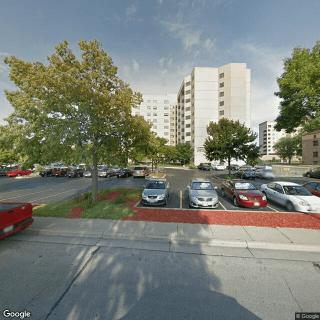
Kings Care Residential

6320 53 Road Street, Kenosha, WI 53144

For more information about senior living options: (844) 490-3973

4.1 from 100 reviews
5 stars
56
4 stars
20
3 stars
11
2 stars
2
1 stars
11

Assisted Living Board and Care Home

What level of care are you interested in?

Assisted Living

Memory Care

Independent Living

Skilled Nursing Facility

Continuing Care Retirement Community (CCRC)CCRC

Other


Request a tour at Kings Care Residential

    Overall Review of Kings Care Residential

    Pros

    • pro The staff is knowledgeable and caring, and they partner well with families in care.
    • pro The facility is high quality with good staff and care, and is highly recommended.
    • pro The environment is welcoming, clean, warm, and secure for residents.
    • pro The care team is wonderful, with friendly, dedicated staff who seem to enjoy their work.
    • pro The rehab program is effective and well run, helping residents recover.
    • pro The rooms are clean and well maintained, with a pleasant, well-appointed setting.
    • pro The facility is regarded by some as among the best nursing homes in Kenosha, offering comprehensive care.
    • pro The staff are extremely helpful and kind, treating residents with respect and compassion.
    • pro The facility is modern, well staffed, and provides thorough rehab and care, making it an excellent choice.

    Cons

    • pro The patient developed a deep tissue unstageable injury on his heel, and staff repeatedly placed a shoe over the wound, worsening it.
    • pro Proper wound care and documentation were lacking, and the wound never fully healed despite outside care.
    • pro His Foley catheter was mishandled during a change, leaving him undressed and exposed and leading to an infection.
    • pro The patient's mental and emotional condition deteriorated dramatically; he became nonverbal, withdrawn, and disengaged.
    • pro Hydration and nutrition were poorly monitored, contributing to severe dehydration, and he could no longer feed himself with swallowing becoming difficult.
    • pro Staff gave him regular water or juice despite a plan for thickened liquids, causing him to choke.
    • pro Pills were found on his shirt and on the floor, suggesting poor monitoring of medications.
    • pro Brookside was found negligent for neglect by the state, and though a correction plan was issued, they did not follow through on follow-up.

    Review

    Brookside Care Center's impact on a family can be profound, and the experiences shared here paint a deeply troubling picture that blends heartbreak, distress, and hard-earned lessons for anyone evaluating long-term care for a loved one. The author begins with a painful truth: after a rehab stay, their father moved to the skilled nursing side hoping for basic quality-of-life supports - meals in a dining room, activities, a little sunshine, and dignified daily care. Instead, they witnessed a rapid and troubling decline that they believe could have been prevented with proper care and documentation.

    One of the most staggering concerns centers on preventable wounds and inadequate wound care. The father developed a deep tissue unstageable injury (DTI) on his heel, and, despite explicit instructions not to place anything on that foot, staff repeatedly covered the wound with a shoe. At times, an inflatable heel boot was even placed over the shoe, compounding the injury. The wound's severity persisted despite involvement from a wound care specialist, suggesting gaps in proper wound assessment, documentation, and treatment protocols. This kind of wound care lapse is described as a core factor in his ongoing decline, a decline the family believes might have been avoidable with more attentive care.

    Medical care or lack thereof also emerged as a central concern. A Foley catheter was mishandled during a change, with the patient left undressed and exposed after placement. The documented consequence was an infection, adding physical and emotional distress to an already fragile state. Nutritional status and hydration were likewise poorly monitored, with dehydration playing a significant role in the deterioration. The patient eventually required assistance to feed himself, and swallowing became difficult, leading to a plan for thickened liquids to reduce choking risk. Yet, family visits routinely observed the staff inadvertently undermining that plan by offering regular water or juice, triggering choking episodes during attempts to drink.

    The emotional and cognitive toll was equally distressing. The father's mental and emotional condition deteriorated noticeably - he became nonverbal, withdrawn, disengaged, and less able to participate in activities or conversations during visits. His eyes appeared glassy and vacant, and there was a stark sense that he was not fully aware of his surroundings. The overall trajectory suggested not just a medical decline but a decline in the quality of daily life that families often ally with skilled nursing care. The documented presence of pills on his shirt and on the floor during visits also suggested lapses in medication monitoring and safety.

    Moments of overt mistreatment or frustration from staff left the family especially shaken. One day, a CNA yelled at him out of frustration when he apparently didn't understand what was being asked of him. The author interceded calmly, redirecting him, and observed that with patient, respectful assistance he could perform the task. This encounter illustrated a broader concern that "help" was sometimes replaced by harshness rather than supportive, patient-centered care.

    Ultimately, the family chose to move their father to another assisted living community. The decision was framed as a difficult but necessary one - an act of protection in the face of neglect. Remarkably, within days of leaving Brookside, the father's condition improved: he became alert again, started eating, and regained some of his previous engagement and joy. The contrast was described as dramatic, reinforcing the belief that the decline at Brookside was linked to neglect rather than age or the natural course of illness.

    The formal response to these concerns came in the form of a state complaint. The investigation found Brookside negligent and issued a citation, with a correction plan put in place. Yet when the state followed up, Brookside reportedly had not carried through on the corrective actions. For the author, this outcome underscored a troubling lack of accountability and a troubling message about whether facilities will meaningfully change protocols once a citation is issued. It raised a deeper doubt about the likelihood that other families could trust Brookside to act in their loved ones' best interests without persistent, external oversight.

    Beyond the central narrative, the message to other families is clear: ask questions, show up unexpectedly, and trust your gut. The author's warning is practical and urgent: the failure that happened to their father should not be a hidden risk for others. The testimony closes with a vehement call to action for vigilance and scrutiny, especially in contexts where loved ones depend on caregivers for their basic dignity and safety.

    The collection of additional reviews presents a more complex portrait. Several voices praise Brookside as a place of healing and competence. Some describe it as a well-run facility with knowledgeable, caring staff, noting strong partnerships in care and positive experiences with rehabilitation services. Phrases like "Best place in the state," "high-quality facility," "welcoming, comfortable, secure," and "amazing staff" sit alongside testimonials about cleanliness and a well-maintained environment. Many reviewers emphasize that staff members - particularly in rehabilitation, nursing, and CNAs - are dedicated and capable, and they thank Brookside for providing what they see as comprehensive care. For some families, Brookside represents a reliable and supportive setting where a loved one can recover, regain function, and feel valued.

    Yet the same pool of reviews contains cautionary notes about cost, space, and staffing realities. A recurring theme points to room size, with several reviewers describing rooms as too small for modern needs, featuring limited furniture and shared bathrooms. Some express concern about the expense, with mentions of high monthly costs that strain families, even as they recognize the value of care. The financial aspect is not abstract here; reviewers describe the cost in concrete terms and frame it against what they feel is sometimes limited space or older accommodations that may not be ideal for all residents.

    There are also warnings about the quality of care depending on shifts or days. One account cites a rough night crew and sparse coverage, echoing the concern that staffing levels and consistency can influence the resident experience. Others describe positive interactions with staff and praise the care provided during certain periods, suggesting that experiences at Brookside can be highly variable and dependent on individual staff, shifts, and management practices at a given time.

    Overall, the mix of experiences serves as a cautionary and hopeful panorama. For some families, Brookside has delivered compassionate care, professional rehabilitation, and a generally safe environment when observed and engaged by families and staff who collaborate effectively. For others, as reflected in the detailed personal story, significant gaps in care - and times when neglect seemed to be a live risk - have caused permanent distress and led to decisions to relocate a loved one to seek safer, more dignified care. The juxtaposition of these narratives underscores a broader truth about long-term care: outcomes hinge on the quality of daily interactions, the rigor of medical and wound care protocols, the attentiveness of staff, and the accountability of management and oversight. For anyone considering Brookside, the message rings loud and clear - investigate thoroughly, visit unannounced, and listen closely to your instincts and to the signals your loved one's body and behavior send you, because those signals can be the difference between dignity and decline.

    Features

    Housing

    • 3 resident community capacity 3 resident community capacity

    Types of Care

    • Assisted Living Assisted LivingAssisted living facilities provide crucial support and care for seniors who may need help with daily tasks such as medication management, bathing, and meal preparation. These communities offer a safe and comfortable environment where seniors can maintain their independence while receiving the assistance they need to thrive in their golden years.
    • Board and Care Home Board and Care HomeBoard and care homes provide a smaller, more intimate setting for seniors who require assistance with daily tasks but do not need the level of care offered by a nursing home. They offer personalized care, meals, and social activities in a homelike environment, ensuring that seniors receive individualized attention and support in their golden years.

    Amenities

    • Cable or satellite TV Cable or satellite TVCable or satellite TV is important for seniors because it provides entertainment, news, and companionship, helping to combat loneliness and boredom. It also offers a wide range of programming options tailored to different interests and preferences.
    • Dining room Dining roomDining rooms are important for seniors as they provide a space for socialization, connection, and nutritious meals. They offer opportunities for residents to bond over shared meals, foster a sense of community, and promote healthy eating habits. Dining rooms also ensure that seniors have access to well-balanced meals tailored to their dietary needs and preferences.
    • Fully furnished Fully furnishedFully furnished senior living communities are important for seniors because they provide convenience, comfort, and a hassle-free moving experience. Seniors can easily settle into their new living space without the stress of having to buy and move furniture. This allows them to focus on enjoying their new home and community.
    • Garden GardenGardens are important for seniors as they provide a peaceful and therapeutic environment for relaxation, physical activity, and socialization. Being in nature has been shown to reduce stress, improve mood, and promote overall well-being. Gardens also offer opportunities for seniors to engage in gardening activities, which can improve mobility, flexibility, and cognitive function. Additionally, gardens create a sense of community and connection with others who share a passion for plants and outdoor spaces.
    • Housekeeping services Housekeeping servicesHousekeeping services are important for seniors because they help maintain a clean and safe living environment, promote independence, and reduce the risk of accidents or illnesses. Additionally, having assistance with household chores can alleviate physical strain and allow seniors to focus on other aspects of their well-being.
    • Move-in coordination Move-in coordinationMove-in coordination is important for seniors because it helps ease the transition into their new living environment. It ensures that all logistics, such as packing, organizing movers, and setting up utilities are taken care of, allowing seniors to focus on settling in and adjusting to their new home. Having a smooth move-in process can alleviate stress and anxiety, making the transition smoother and more enjoyable for seniors.
    • Outdoor space Outdoor spaceOutdoor spaces are important for seniors as they provide opportunities for physical activity, social interaction, exposure to natural light and fresh air, and a sense of connection to nature. Having access to outdoor spaces can improve overall well-being and quality of life for older adults living in senior communities.
    • Telephone TelephoneTelephones are important for seniors as they provide a lifeline for communication with loved ones, emergency services, and healthcare providers. They offer a sense of security and independence, enabling seniors to stay connected and access assistance when needed.
    • Wi-Fi/high-speed internet available Wi-Fi/high-speed internet availableWi-Fi/high-speed internet is important for seniors to stay connected with loved ones, access online resources, and participate in virtual activities to combat feelings of loneliness and isolation. It also allows them to easily manage healthcare needs, access entertainment, and engage in lifelong learning opportunities.

    Transportation

    • General Mitchell International (25 miles away) General Mitchell International (25 miles away)

    Care Services

    • 24-hour supervision 24-hour supervision24-hour supervision is important for seniors to ensure their safety, well-being, and access to immediate assistance in case of emergencies or health issues. This constant support provides peace of mind for both seniors and their loved ones, allowing them to age in place with dignity and security.
    • Activities of daily living assistance Activities of daily living assistanceActivities of daily living assistance are important for seniors because they provide essential support with tasks such as eating, bathing, dressing, and mobility. This assistance helps seniors maintain their independence, dignity, and overall quality of life as they age.
    • Assistance with bathing Assistance with bathingAssistance with bathing is crucial for seniors as it helps maintain personal hygiene, prevents infections, and ensures their overall well-being and comfort. It also provides a sense of dignity and independence for seniors who may struggle with this task on their own.
    • Assistance with dressing Assistance with dressingAssistance with dressing is important for seniors because it helps maintain their independence, promotes personal hygiene, prevents accidents and injuries, and improves overall quality of life. This service ensures that seniors can continue to dress comfortably and confidently, despite any physical limitations they may have.
    • Assistance with transfers Assistance with transfersAssistance with transfers is crucial for seniors as it helps prevent falls and injuries, maintains their independence, and ensures they can safely navigate their living environment. It also provides peace of mind for both seniors and their loved ones.
    • Coordination with health care providers Coordination with health care providersCoordination with health care providers is crucial for seniors to ensure proper medical care, medication management, and overall well-being. This collaboration helps prevent overlapping treatments, track progress more effectively, and provide comprehensive support tailored to individual needs.
    • Diabetes diet Diabetes dietA diabetes diet is crucial for seniors as it helps manage blood sugar levels, reduce risks of complications, and improve overall health and well-being. By following a balanced and nutritious diet tailored to their specific needs, seniors can better control their diabetes and enhance their quality of life.
    • Meal preparation and service Meal preparation and serviceMeal preparation and service are crucial for seniors as they may have limited mobility or energy to cook nutritious meals. Having access to healthy and convenient food options can ensure they are getting the proper nutrition needed to maintain their overall health and well-being.
    • Medication management Medication managementMedication management is crucial for seniors to ensure they are taking the right medications at the correct dosages and times. This helps prevent adverse drug interactions, reduces the risk of medication errors, and promotes overall health and well-being. Proactive management also allows for adjustments as needed based on changing health conditions or new prescriptions.
    • Special dietary restrictions Special dietary restrictionsSpecial dietary restrictions are important for seniors because age-related changes in metabolism and health conditions can make it difficult for their bodies to process certain foods. By following a diet tailored to their specific needs, seniors can maintain their overall health and well-being, manage chronic conditions, and reduce the risk of complications such as malnutrition or food interactions with medications.
    • Transportation arrangement (medical) Transportation arrangement (medical)Transportation arrangements for medical purposes are essential for seniors as they may have difficulty driving themselves to appointments or accessing public transportation. Having reliable and safe transportation options ensures that seniors can receive timely medical care and maintain their health and well-being.
    • Transportation to doctors appointments Transportation to doctors appointmentsTransportation to doctors' appointments is crucial for seniors as it ensures they have access to necessary medical care and support for their health needs. Without reliable transportation, seniors may struggle to attend important appointments, leading to potential delays in treatment and health complications. Providing transportation services helps seniors maintain their overall well-being and quality of life.

    Dining

    • Diabetes diet Diabetes dietA diabetes diet is crucial for seniors as it helps manage blood sugar levels, reduce risks of complications, and improve overall health and well-being. By following a balanced and nutritious diet tailored to their specific needs, seniors can better control their diabetes and enhance their quality of life.
    • Special dietary restrictions Special dietary restrictionsSpecial dietary restrictions are important for seniors because age-related changes in metabolism and health conditions can make it difficult for their bodies to process certain foods. By following a diet tailored to their specific needs, seniors can maintain their overall health and well-being, manage chronic conditions, and reduce the risk of complications such as malnutrition or food interactions with medications.

    Activities

    • Community-sponsored activities Community-sponsored activitiesCommunity-sponsored activities are important for seniors as they provide opportunities for social interaction, mental stimulation, and physical activity. These activities can help improve overall well-being, combat loneliness and isolation, and promote a sense of belonging and purpose among older adults.
    • Scheduled daily activities Scheduled daily activitiesScheduled daily activities are important for seniors because they provide structure, socialization, mental stimulation, and physical activity. Engaging in regular activities can improve overall well-being and quality of life for seniors living in a community setting.

    Description

    Kings Care Residential in Kenosha, WI is a welcoming and fully furnished board and care home that offers a range of care services to meet the needs of its residents. Our community provides a comfortable and homelike environment where seniors can enjoy their golden years with peace of mind.

    Residents at Kings Care Residential benefit from a variety of amenities designed to enhance their daily living experience. Our dining room ensures that nutritious meals are provided, taking into consideration any special dietary restrictions. Housekeeping services are also available to maintain cleanliness and tidiness throughout the community. Additionally, our outdoor space and garden offer opportunities for relaxation and enjoyment of nature.

    Our dedicated staff is committed to providing assistance with activities of daily living, such as bathing, dressing, transfers, and medication management. We also coordinate with health care providers to ensure that residents receive appropriate medical attention when needed. Residents can rely on us for transportation arrangements to medical appointments as well.

    At Kings Care Residential, we understand the importance of social engagement and staying active. Therefore, we provide scheduled daily activities for residents to participate in and enjoy. There are numerous amenities nearby, including cafes, parks, pharmacies, physicians' offices, restaurants, places of worship, theaters, and hospitals. This ensures that residents have access to various resources in their immediate vicinity.

    Choosing Kings Care Residential means choosing a supportive community where individuals can age gracefully while receiving the care they need. We prioritize the well-being and comfort of our residents while fostering a warm and inclusive environment. Contact us today to learn more about how we can cater to your loved one's unique needs at Kings Care Residential in Kenosha, WI.

    Nearby Places of Interest

    Restaurants

    • Culver's (0.1 miles)
    • Jimmy John's (0.8 miles)
    • Danny's Cafe (0.9 miles)
    • McDonald's (1.2 miles)
    • McDonald's (1.2 miles)
    • Burger King (1.3 miles)
    • Mason's Eatery & Pub (1.4 miles)

    Physicians

    • Hanger Clinic (0.2 miles)
    • Dermatology Associates of Wisconsin SC (0.3 miles)
    • Durrani Abdul, MD (0.3 miles)
    • Psychiatric & Psychotherapy - Corrie Lee MD (0.6 miles)
    • Santarelli Oral & Facial Surgery Sc (1.3 miles)
    • Skin R.N. (1.3 miles)
    • Dr Rashid's Office (1.3 miles)

    Parks

    • Charles Nash Park (0.4 miles)
    • Gangler Park (2.2 miles)
    • Playground (2.3 miles)
    • Wolfenbuttel Park (3.6 miles)
    • Eichelman Park (3.6 miles)

    Pharmacies

    • CVS Pharmacy (1.2 miles)
    • Walgreens (1.5 miles)
    • Walgreens (1.5 miles)
    • Octapharma Plasma (2.1 miles)
    • B7 Pharmacy (2.3 miles)
    • Larsen Mayer Pharmacy (2.3 miles)
    • Walgreens (2.6 miles)

    Theaters

    • Cinemark Tinseltown USA (1.3 miles)

    Cafes

    • Panera Bread (1.5 miles)
    • Corner Bakery Cafe (2.4 miles)
    • Starbucks (2.6 miles)
    • The Coffee Pot (3.3 miles)
    • Harborside Common Grounds (3.3 miles)
    • Starbucks (3.6 miles)

    Places of Worship

    • Holy Rosary Parish (2.5 miles)
    • Journey Church (3 miles)
    • St Paul's Lutheran Church (3.3 miles)
    • Lakeside Lutheran Church (3.3 miles)

    Hospitals

    • Rogers Memorial Hospital (2.7 miles)
    • Aurora Labor and Delivery (2.9 miles)
    • Aurora Medical Center (2.9 miles)
    • Children's Hospital of Wisconsin (3.4 miles)
    • Kenosha Medical Center (3.4 miles)
    • St Catherine's Medical Center Campus (3.5 miles)
    • Aurora Quick Care (3.6 miles)

    Frequently Asked Questions

    Where is Kings Care Residential?

    Nearby Communities

    • Cara Care

      Cara Care

      Kenosha, WI

      2.6 from 5 reviews
       

      pro Small-capacity board-and-care with comprehensive in-house services and personalized attention.

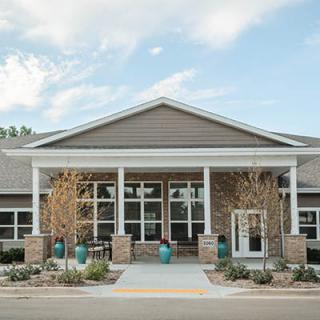
    • Kenosha Place 2

      Kenosha Place 2

      Kenosha, WI

      4.2 from 40 reviews
       

      pro Fully furnished apartments with 24/7 supervision and comprehensive care.

    • Kenosha Place 3

      Kenosha Place 3

      Kenosha, WI

      4.2 from 40 reviews
       

      pro Specialized memory care with 24/7 supervision and comprehensive support.

    • Kenosha Place Senior Living

      Kenosha Place Senior Living

      Kenosha, WI

      4.2 from 64 reviews
      $2,670 to $3,300 / month

      pro Friendly staff, clean environment, and engaging activities.

    • Easter Seals Adult Day Serv At Kenosha Ymca

      Easter Seals Adult Day Serv At Kenosha Ymca

      Kenosha, WI


      pro Comprehensive memory care: 24-hour supervision, medication management, specialized programming, and a fully furnished setting with restaurant-style dining.

    • Azura Memory Care Of Kenosha North

      Azura Memory Care Of Kenosha North

      Kenosha, WI

      4.1 from 13 reviews
       

      pro Small, personalized memory-care with 24/7 supervision

    • Manor Of Kenosha

      Manor Of Kenosha

      Kenosha, WI

      2.9 from 8 reviews
       

      pro Caring staff and effective therapy; improvements under new management.

    • Lakeside Towers

      Lakeside Towers

      Kenosha, WI

      3.9 from 9 reviews
       

      pro Active independent living with a pet-friendly policy and nearby parks, dining, and healthcare.

    • Beech Pointe Senior Apartments

      Beech Pointe Senior Apartments

      Kenosha, WI

      4.5 from 15 reviews
      $640 to $740 / month

    Related Resources

    • activities of daily livingComprehensive Insights into Activities of Daily Living (ADLs) and Their Assessment

      Activities of Daily Living (ADLs) are fundamental tasks vital for an individual's independence, particularly in older adults over 85, and include functions like bathing and dressing; assessing ADLs alongside Instrumental Activities of Daily Living (IADLs) helps determine the level of required assistance due to age-related health challenges. Tailored support plans, involving family and community resources, are essential for maintaining dignity and autonomy in assisted living environments.

    • does medicare pay for assisted livingMedicare Coverage for Assisted Living: An In-Depth Exploration

      Medicare does not cover assisted living costs, as it focuses on acute medical needs and short-term care, with exceptions for certain medically necessary services like physical therapy. Individuals must explore other options such as Medicaid, veterans' benefits, or long-term care insurance to manage these expenses effectively.

    • luxury assisted livingYour Comprehensive Guide to Luxury Assisted Living: Elevated Facilities, Amenities, and Costs

      Luxury assisted living offers high-quality senior care in a resort-like environment that combines essential medical support, gourmet dining, and personalized services to enhance residents' independence and well-being. These upscale facilities emphasize holistic health and community-building through customized care plans and social activities, catering to the growing demand for enriched senior living experiences despite higher costs.


    Get Pricing Ask A Question Schedule A Tour Contact Senior Advisor