
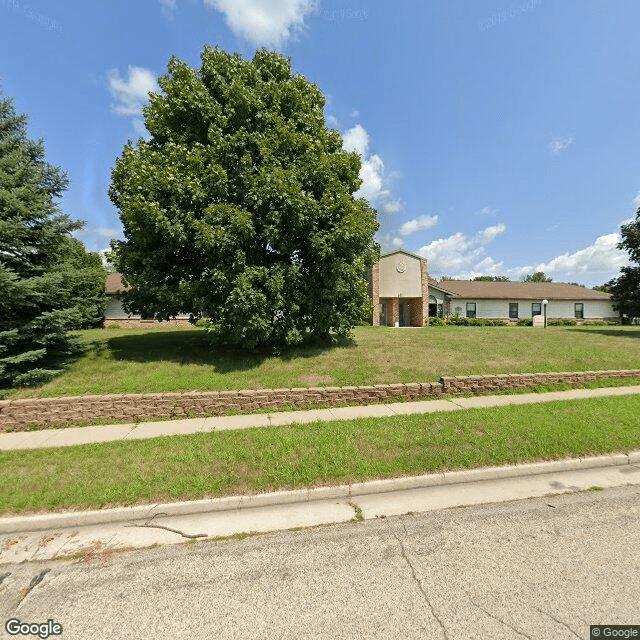
881 Collins Road, Jefferson, WI 53549
For more information about senior living options: (866) 208-4318
Eagle View Manor Costs & Pricing
At Eagle View Manor, the cost for a studio apartment is competitively priced at $3,850 per month. This rate positions Eagle View Manor as an appealing option compared to Jefferson County's average of $4,197 and Wisconsin's statewide average of $3,999. By offering a more affordable alternative within the local market, Eagle View Manor provides residents with quality accommodations while ensuring that costs remain manageable in comparison to surrounding areas. This thoughtful pricing reflects the commitment to delivering value without compromising on the level of care and amenities provided.
| Floor plans | Eagle View Manor | Jefferson County | Wisconsin |
|---|---|---|---|
| Studio | $3,850 | $4,197 | $3,999 |
Memory care communities with a similar price nearby
-
from -$551 / mo

Our House Senior Living - Whitewater Memory Care
$3,299 to $4,675 / month12.2 miles away -
from -$520 / mo

Reena Senior Living
$3,330 to $4,160 / month4.1 miles away -
About the same

Kettle Park Senior Living
$3,900 to $4,820 / month20.2 miles away -
from -$450 / mo
Serenity Homes - Stoughton
$3,400 / month21.8 miles away -
About the same
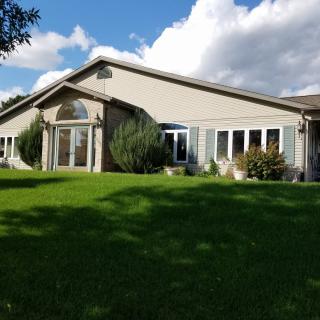
So Close To Home
$3,850 to $6,112 / month17.7 miles away
Overall Review of Eagle View Manor
Pros
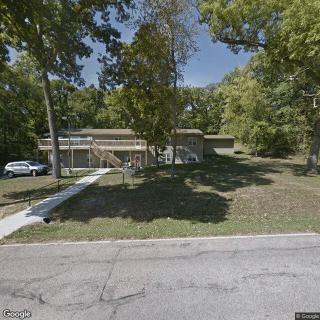
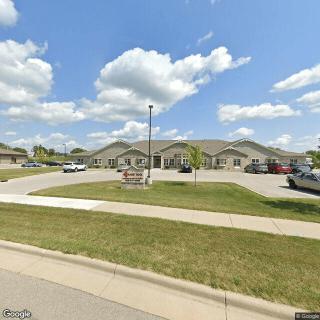
 Eagle View Manor is nice, big, and clean.
- Twin Rivers Assisted Living offers tours without needing an appointment.
- The staff are welcoming and the outside grounds are nicely kept with plenty of seating.
- Residents are encouraged to walk around regularly, with supervision always available.
- The indoors feature a nice library area and a large room for activities like board games.
- The facility and staff are equipped to handle early Alzheimer's, which is reassuring.
- The activity list includes local shopping, beauty salon visits, entertainment trips, and special events.
- The exercise room has yoga mats and machines, with scheduled classes.
- The dining room is lovely, and the snacks are healthy yet tasty with appetizing menus.
- The facility is well appointed and designed, with kind and caring staff supporting residents in leading a vibrant life.
Cons
 The reviewer felt there were not enough staff for the number of beds.
- The living room area felt more like a kitchen/dining room area.
Review
Eagle View Manor in Jefferson, Wisconsin is best suited for seniors who want a clean, spacious campus with straightforward, family-friendly access. The facility’s footprint and presentation suggest practicality over polish, with a big, well-kept environment that sits conveniently near work and other daily routines. That combination appeals to relatively independent residents who prize ease of visits, predictable routines, and a no-fruss environment over high-touch care or highly specialized programming.
Those considering alternatives should note that Eagle View Manor may not meet every need, especially for residents requiring stronger supervision or memory-support programming. In the region, facilities like Twin Rivers Assisted Living illustrate what families should expect when memory care or more robust activity schedules are central. Twin Rivers reportedly offers a welcoming staff, ample outdoor seating, and a calendar of outings, on-site exercise options, and varied activities, all supported by a well-appointed dining space and engaging common areas. For families prioritizing dementia-capable care, frequent engagement, and a visibly proactive activity slate, Eagle View’s emphasis on a tidy, easy-to-navigate campus may fall short.
The primary pros, cleanliness, generous space, and easy family access, do counterbalance several drawbacks, but only to a point. A facility that is well-maintained and easy to traverse provides real comfort for daily life and visits, and a calm, uncluttered environment can reduce stress for both residents and caregivers. However, the most significant con cited is staffing: there is a sense that not enough caregivers are on hand for the number of beds, which can delay assistance and limit supervision when it matters most. When care needs begin to rise, that gap becomes a meaningful risk, undermining safety and the reliability families expect.
On a practical level, visitors should vet staffing levels directly. Inquire about current staff-to-resident ratios, how many aides are on duty per shift, and how the team handles peak times and weekends. Observe how aides interact with residents in common areas and dining rooms, and ask about turn-over and consistency of caregivers. Tour the dining and activity spaces, note whether there is an activities director or structured programming, and ask to sample the menu and meal service. If memory concerns or cognitive support are a priority, press for specifics on memory care options, supervision protocols, and availability of targeted activities.
From a decision-making standpoint, Eagle View Manor offers a dependable home-like environment for families prioritizing location, ease of visits, and a tidy, low-friction living space. It is not the strongest choice for those who require intensive supervision, rapid response to care needs, or a rich, outward-facing program of activities every day. If those elements are non-negotiable, alternatives like Twin Rivers, where programming, outings, and memory-care capabilities appear more developed, become compelling. The contrast in the region suggests a clear path: Eagle View works well as a comfortable, convenient option, but families facing higher care demands should actively compare and tour competing communities before deciding.
The recommended next steps are straightforward. Schedule a tour during a typical shift to gauge staffing in real time and to observe how caregivers engage with residents during meals and activities. Request current statistics on staff coverage, ask about memory-care options and specialized programming, and evaluate the quality and variety of meals and social opportunities. Finally, compare Eagle View Manor against a clearly described alternative like Twin Rivers in terms of care capabilities, daily activities, and staffing reliability. That direct comparison will illuminate which environment truly aligns with the resident’s needs and the family’s expectations for safety, engagement, and peace of mind.
 16 resident community capacity
 Assisted Living
 Board and Care Home
 Memory Care
 Activities on-site
 Beautician on-site
 Cable or satellite TV
 Devotional services on-site
 Dining room
 Fully furnished
 Garden
 Housekeeping services
 Indoor common areas
 Move-in coordination
 Outdoor common areas
 Respite or short term stays offered
 Telephone
 Wheelchair accessible showers
 Wi-Fi/high-speed internet available
 24-hour supervision
 Ambulatory care
 Assistance with bathing
 Assistance with dressing
 Assistance with transfers
 Diabetes diet
 Diabetic care
 High acuity care
 Hospice waiver
 Incontinence care
 Meal preparation and service
 Medication management
 Mental wellness program
 Special dietary restrictions
 Transportation arrangement (medical)
 Transportation to doctors appointments


 Dementia, Paranoia, and Caregiver Guidance: Understanding the Connection
 Engaging Memory Care Activities That Enhance Quality of Life
 When to Transition from Assisted Living to Memory Care: Key Indicators, Steps, and Finding the Right Community