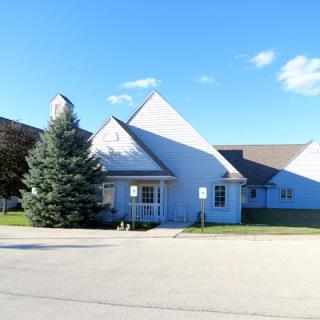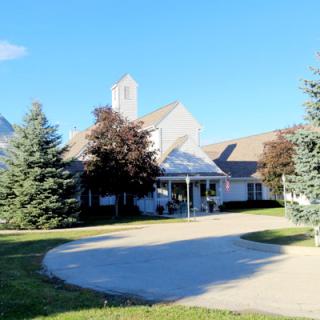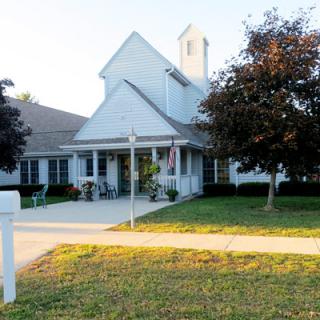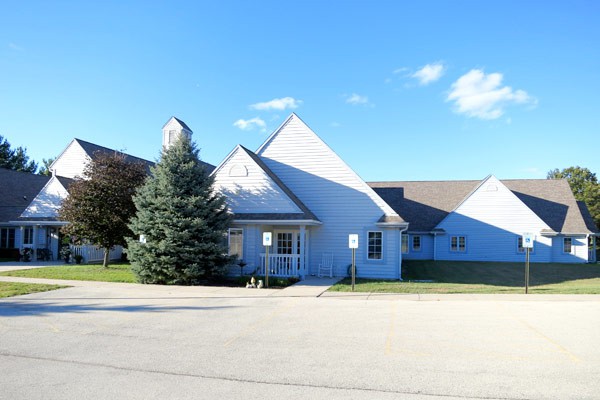
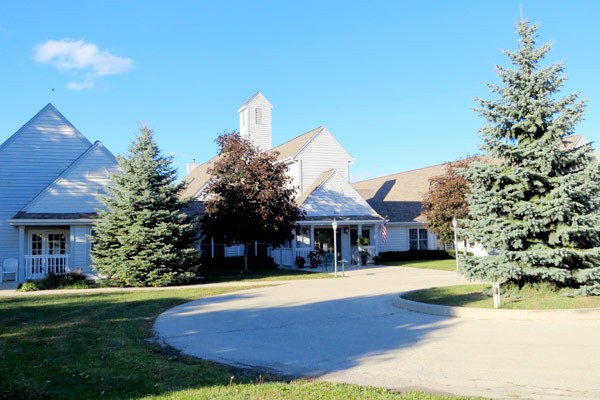
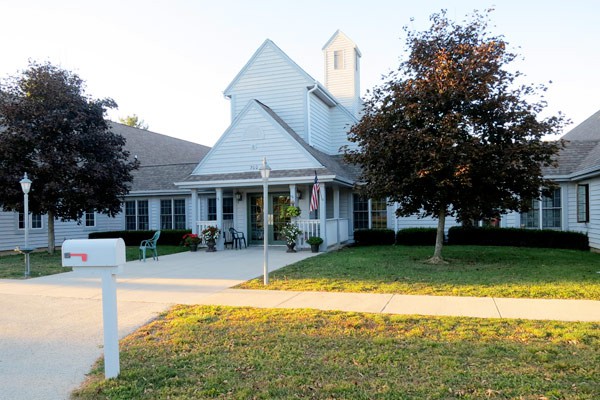
713 Horicon St., Horicon, WI 53032
To contact a resident: (920) 485-4602
For more information about senior living options: (866) 208-4318

Matthews of Horicon Costs & Pricing
Matthews of Horicon offers a competitive pricing structure for its residents, particularly when compared to both Dodge County and the broader state of Wisconsin. For instance, the cost of a studio at Matthews is $2,666 per month, significantly lower than the county average of $3,563 and even more attractive than the state average of $3,999. Similarly, the one-bedroom option is priced at $2,759, which again stands in stark contrast to Dodge County's average of $3,741 and provides a more budget-friendly alternative compared to Wisconsin's overall average of $3,412. These figures highlight Matthews of Horicon as an appealing choice for those seeking quality living arrangements without compromising on financial considerations.
| Floor plans | Matthews of Horicon | Dodge County | Wisconsin |
|---|---|---|---|
| Studio | $2,666 | $3,563 | $3,999 |
| 1 Bedroom | $2,759 | $3,741 | $3,412 |
Assisted Living communities with a similar price nearby
-
from +$434 / mo
Serenity Villa
$3,100 to $5,500 / month21.6 miles away -
About the same
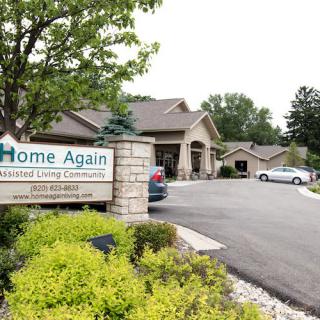
Home Again Assisted Living - Columbus
$2,700 to $3,300 / month20.5 miles away -
from +$424 / mo
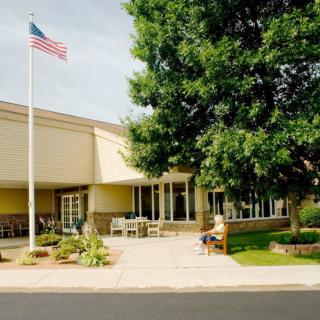
Wellington Place at Hartford
$3,090 to $4,020 / month17.4 miles away -
from +$484 / mo
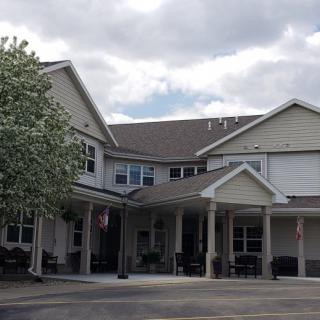
The Meadows of Fall River
$3,150 to $4,300 / month20.2 miles away -
from -$266 / mo
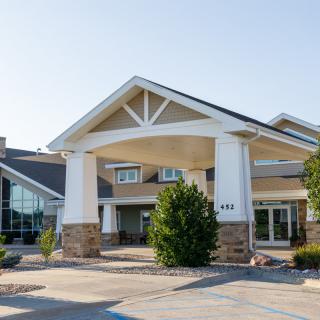
Christian Living Center
$2,400 to $4,650 / month13.3 miles away
Overall Review of Matthews of Horicon
Pros
 The staff is compassionate and caring.
- The administrator frequently works the floor with caregivers and is a blessing.
- The building is beautiful and the apartments are roomy.
- The live entertainment is a wonderful treat.
- It feels like home.
- Residents like the activities director and the homey feeling.
- The place is very nice and the staff is friendly.
- The Matthews of Horizon is a nice, clean community with friendly staff.
- The tour guide was knowledgeable and answered questions.
- The food is good and they do things residents like.
- The help is very accommodating.
- People enjoy being with others, playing games, and participating in activities.
Cons
 PM staff have been extremely resistant, belligerent, and rude when the family enquired about the issue.
- There have been ongoing issues implementing therapy programs provided by the PM staff.
- They perform unsafe EZ stand transfers moving her 12-15 feet to the bathroom despite her difficulty standing.
- The practice of standing at the rail with only one assistant behind her is unsafe.
- There has been mixed communication.
- The facility is understaffed, and staff performance is inconsistent.
- Staff are instructed to perform pivot transfers before using a mechanical lift, a practice described as spotty and inconsistent.
- There are concerns that staff act behind management's backs and safety goals have been minimally addressed.
Review
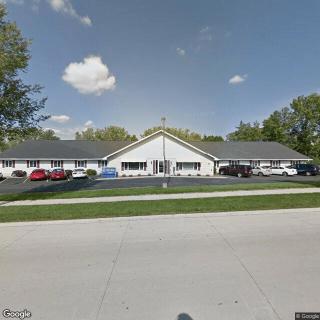
Matthews of Horicon is best suited for active seniors who crave a warm, home-like atmosphere, strong social opportunities, and visible leadership on site. The community rewards residents who value daily engagement, friendly faces, and a sense of belonging, from live entertainment to active programs and a welcoming, homey feel in the common areas and apartments. The on-floor presence of the administrator and a responsive day staff are repeatedly highlighted as real strengths, making this a practical choice for families seeking a community where leadership is accessible and problem-solving happens in real time. Still, this is not the option for someone who needs strict, therapy-driven routines delivered with unfaltering precision; several reviews flag gaps between promises and execution in therapy and safety protocols.
Those weighing alternatives should consider how crucial guaranteed clinical oversight and consistent, highly structured care are to their situation. If 24/7 skilled nursing with rigid transfer safety protocols, meticulous coordination with therapy teams, and uniform care plans are non-negotiable, other communities may deliver more predictable results. Matthews of Horicon tends to shine in the social and relational dimensions, but its review history also voices concerns about staffing levels after hours, and about whether therapy goals are consistently implemented rather than piecemeal addressed. In short, families needing a highly regimented care framework should compare staffing models, transfer procedures, and the cadence of therapy services elsewhere before deciding.
The strongest selling points are tangible and well-supported. Residents repeatedly describe compassionate, caring staff, and the administrator’s visible floor presence that translates into quicker problem-solving and clearer communication with families. The building itself has a homey aesthetic, with roomy apartments that contribute to a sense of independence within a supportive environment. Activities, games, outings, and social events, are a daily heartbeat, and the salon, along with accessible in-house services, adds to the convenience. Food, while not universally praised, is generally dependable, and the overall ambiance, staff accessibility, warmth, and a sense that someone is always paying attention, tends to offset some logistical shortcomings.
The main drawbacks center on staffing gaps and safety-conscious concerns that recur across reviews. Families report understaffing, particularly on evening and night shifts, which can slow response times and complicate routine tasks. There are specific complaints about the night-time or PM staff, including resistance or rudeness when questions are raised, and a perception that safety-trained tasks, like transfers, are not always executed with the utmost care. Transfers that rely on pivot moves rather than mechanical lifts have proven inconsistent, and communications about goals or changes in care can feel mixed or opaque. While a number of residents praise the care they receive, the inconsistency highlighted by families cannot be dismissed, especially when safety and therapy outcomes are at stake.
How the positives stack up against the negatives depends on what matters most to the prospective resident or their family. The leadership presence and warm, responsive culture can produce a significantly better day-to-day experience for those who prize social connectedness and personal attention. The homey environment and the robust activity calendar help mitigate the sense of institutional distance that can accompany senior living. Yet the safety and staffing concerns are real friction points that can erode confidence if not actively managed with transparent communication and meaningful process improvements. Prospective residents should verify current staffing ratios, request a walk-through of the transfer protocol with a nurse, and observe a dinner service and activity period to gauge consistency in care and engagement.
For families serious about Matthews of Horicon, the practical next steps are clear. Schedule a thorough tour during various shifts, including evenings, to see how staff responds in real time and how transfers are handled. Request to meet with the therapy coordinator and the administrator to review how goals are set, tracked, and communicated to families. Ask pointed questions about how bed-bound or high-need residents are moved safely, how often allied therapy sessions occur, and what contingency plans exist when staff are stretched. If the goal is vibrant social life and accessible leadership, Matthews delivers; if the priority is ironclad, uniform therapy-driven care and staffing certainty, it may be wise to compare alternatives before making a final commitment. In the end, Matthews of Horicon stands as a solid, people-first choice for the right resident, and a reminder that every community’s true fit comes down to safety structures you can trust as much as the warmth you feel on a good day.
 30 resident community capacity
 Assisted Living
 Cats allowed
 Dogs allowed
 Activities off-site
 Air-conditioning
 Beautician on-site
 Cable or satellite TV
 Devotional services off-site
 Dining room
 Fully furnished
 Garden
 Ground floor units
 Handicap accessible
 Housekeeping services
 Indoor common areas
 Kitchenette
 Move-in coordination
 Outdoor common areas
 Respite or short term stays offered
 Restaurant-style dining
 Small library
 Telephone
 Wheelchair accessible showers
 Wi-Fi/high-speed internet available
 24-hour call system
 Ambulatory care
 Assistance with bathing
 Assistance with dressing
 Assistance with transfers
 Diabetes diet
 Diabetic care
 Incontinence care
 Medication management
 Mental wellness program
 Special dietary restrictions
 Transportation arrangement (medical)
 Transportation to doctors appointments
 Art classes
 Catholic services
 Cooking classes
 Day trips and outings
 Live musical performances
 Stretching classes
 Trivia games
 Wii bowling



 Exploring the Path to Senior Living: A Comprehensive Look at Independent Living and Assisted Living
 Is Assisted Living Deductible on Your Taxes? Understanding the Complexities of Assisted Living Expenses and Deductions
 Assisted Living Support for Veterans: A Complete and Detailed Overview