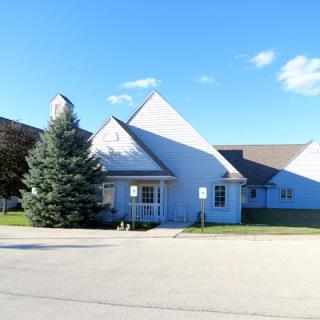
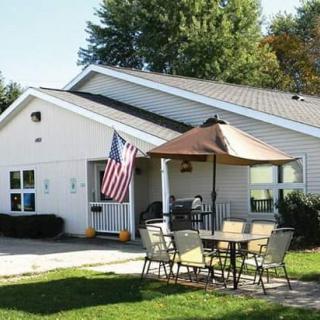
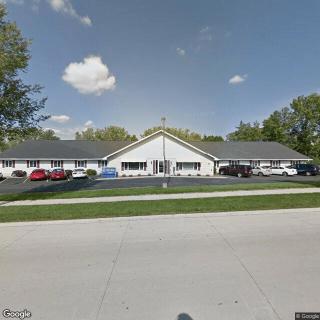
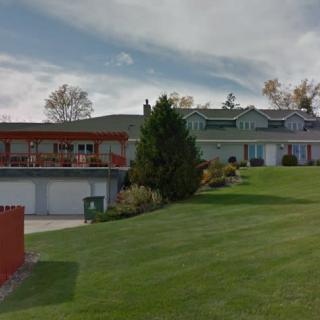
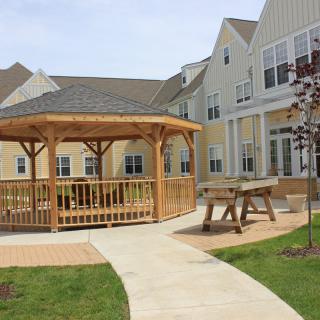
Marvins Manor II in Horicon, WI

839 Division Street, Horicon, WI 53032

For more information about senior living options: (844) 490-3973

4.7 from 7 reviews
5 stars
6
4 stars
0
3 stars
1
2 stars
0
1 stars
0

Assisted Living Memory Care

Overall Review of Marvins Manor II

Pros

  • pro The day staff have been easier to work with.
  • pro Stacy, the manager, and Barb, the owner, have been easy to talk to and willing to problem solve.
  • pro There is kindness and caring shown to residents.
  • pro They do a wonderful job with all residents.
  • pro The grandparents loved all the staff and received excellent care.
  • pro The staff are respectful, caring, and qualified.
  • pro The facility is well maintained and clean.
  • pro Marvin's Manor is a true blessing.

Cons

  • pro There have been ongoing issues with implementing therapy programs after admission, especially with PM staff.
  • pro PM staff have been extremely resistant, belligerent, and rude when questions were asked.
  • pro They perform unsafe EZ stand transfers, moving her 12?15 feet in a recliner to the bathroom, despite her difficulty standing.
  • pro The reviewer contends that standing at the rail with one assist is unsafe.
  • pro There has been mixed communication from the staff.
  • pro Therapy has instructed pivot transfers before using a mechanical lift, which has been very spotty and inconsistent.
  • pro There are concerns that safety goals and attempts to improve her quality of life have been minimally addressed at the facility's convenience rather than what is best for her.
  • pro There are claims that staff are doing things behind the family's backs.
  • pro After 2:00 PM, there is limited staff available.

Review

Marvins Manor II in Horicon is best suited for families seeking a warm, homelike environment where caregivers truly know residents and respond with genuine, daily kindness. It works for seniors who need help with routine activities and who value a personable, low-Where-else-are-you-going feel over clinical precision. It is not the right fit for residents who demand high-intensity, consistently scheduled therapy or round-the-clock, formal safety oversight. Those who require dependable afternoon programming or strict, documented safety protocols around transfers should seriously consider alternatives. In short, this community shines when the priority is personable care in a small-community setting, but it can fall short for families prioritizing medical-grade consistency after hours.

The strongest positives rest on the human side. Families repeatedly praise staff for compassion and sincerity, and several reviewers point to a truly homey, well-kept building where residents are treated with respect. Day staff are described as accessible and easier to work with, and the on-site leadership - specifically the manager and owner - has shown willingness to listen and problem-solve. The combination of kindness, perceived attentiveness, and a supportive, personable culture creates a reliable emotional anchor for residents who value feeling known and cared for. These elements are not cosmetic; they translate into meaningful interactions that can lift a resident's mood and reduce anxiety about transitions.

Yet the reviews spotlight substantive concerns that cannot be dismissed. The most persistent red flags involve staffing patterns after 2:00 p.m. - limited personnel, with some reviewers describing resistance and defensiveness from the PM team when questions arise. Safety practices around transfers show notable inconsistencies: reports of unsafe stand transfers, long-distance pivots, and a tendency to push for a pivot before employing a mechanical lift. Communication around goals and progress is described as mixed, with some messages arriving late or appearing conflicted. Therapy programs promised as part of admission have not consistently materialized, leaving families wondering what the actual plan for mobility and quality-of-life improvement will be.

These pros and cons interact in a practical, consequential way. The daily warmth and homey ambiance lessen the sting of a lighter PM presence and inconsistent therapy by creating a stable, emotionally supportive base. When issues arise, the accessibility of the manager and owner offers a pathway to real problem-solving, which can yield tangible improvements in care plans. However, the safety gaps are real enough to offset many interpersonal strengths. If a resident's care hinges on safe, predictable transfer routines and consistent therapy-driven progress, those gaps undermine confidence and raise the question: is enough being done to safeguard mobility gains and prevent injury?

For families actively evaluating Marvins Manor II, a disciplined, targeted due-diligence approach is essential. Start by requesting current PM staffing schedules and the exact transfer protocols used after 2:00 p.m. - documented policies, training records, and any recent safety incidents. Seek a transparent therapy plan: who, what, when, and how progress will be measured, with explicit goals tied to mobility and quality of life. Ask to observe a transfer under supervision and to meet the therapist responsible for the most active goals. Clarify what happens if goals stall - escalation paths, additional staffing, or replacement plans - and confirm the mechanism for weekly care conferences. Finally, insist on a clear, written safety and communication protocol that remains consistent regardless of shifts or weekends.

The bottom line is practical and actionable. Marvins Manor II is a strong fit for families who prize a genuine, caring staff and a cozy, well-maintained living environment, and who are comfortable taking an active role in care planning. It remains a compelling option for residents who can thrive with a strong daytime support system and responsive leadership. For those prioritizing predictable PM care, rigorous transfer safety, and consistent therapy, alternatives should be considered with urgency. In the right match, the warmth and honest, problem-solving culture can deliver meaningful peace of mind; in the wrong match, safety ambiguities and uneven program delivery can erode that peace and undermine mobility goals.

Features

Housing

  • 22 resident community capacity 22 resident community capacity

Types of Care

  • Assisted Living Assisted LivingAssisted living facilities provide crucial support and care for seniors who may need help with daily tasks such as medication management, bathing, and meal preparation. These communities offer a safe and comfortable environment where seniors can maintain their independence while receiving the assistance they need to thrive in their golden years.
  • Memory Care Memory CareMemory care is crucial for seniors as it provides specialized support and services for individuals with dementia or Alzheimer's disease. These programs offer a safe and secure environment where residents receive personalized care, cognitive stimulation, and help with daily activities. Memory care helps seniors maintain their independence, quality of life, and dignity while also providing peace of mind for their families.

Amenities

  • Activities on-site Activities on-siteActivities on-site are important for seniors because they provide opportunities for socialization, mental stimulation, physical activity, and overall well-being. Engaging in activities can help seniors stay active, maintain their independence, and improve their quality of life.
  • Beauty salon Beauty salonBeauty salons are important for seniors because they provide a space for them to feel pampered, socialize, and maintain their personal grooming and hygiene. Regular visits to a beauty salon can help boost seniors' self-esteem and overall well-being.
  • Cable or satellite TV Cable or satellite TVCable or satellite TV is important for seniors because it provides entertainment, news, and companionship, helping to combat loneliness and boredom. It also offers a wide range of programming options tailored to different interests and preferences.
  • Devotional services off-site Devotional services off-siteDevotional services off-site are important for seniors as they provide spiritual nourishment, social engagement, and a sense of community outside of the senior living facility. This can enhance overall well-being and help combat feelings of isolation and loneliness often experienced by older adults.
  • Dining room Dining roomDining rooms are important for seniors as they provide a space for socialization, connection, and nutritious meals. They offer opportunities for residents to bond over shared meals, foster a sense of community, and promote healthy eating habits. Dining rooms also ensure that seniors have access to well-balanced meals tailored to their dietary needs and preferences.
  • Fully furnished Fully furnishedFully furnished senior living communities are important for seniors because they provide convenience, comfort, and a hassle-free moving experience. Seniors can easily settle into their new living space without the stress of having to buy and move furniture. This allows them to focus on enjoying their new home and community.
  • Garden GardenGardens are important for seniors as they provide a peaceful and therapeutic environment for relaxation, physical activity, and socialization. Being in nature has been shown to reduce stress, improve mood, and promote overall well-being. Gardens also offer opportunities for seniors to engage in gardening activities, which can improve mobility, flexibility, and cognitive function. Additionally, gardens create a sense of community and connection with others who share a passion for plants and outdoor spaces.
  • Housekeeping services Housekeeping servicesHousekeeping services are important for seniors because they help maintain a clean and safe living environment, promote independence, and reduce the risk of accidents or illnesses. Additionally, having assistance with household chores can alleviate physical strain and allow seniors to focus on other aspects of their well-being.
  • Indoor common areas Indoor common areasIndoor common areas are crucial for seniors as they provide a space for socialization, recreation, and community engagement, promoting overall well-being and reducing feelings of isolation and loneliness.
  • Kitchenette KitchenetteKitchenettes are important for seniors living in senior living communities because they provide the convenience and independence of being able to prepare simple meals and snacks in the comfort of their own living space. This can help promote a sense of autonomy and well-being for seniors, allowing them to maintain some level of control over their dietary choices and daily routines.
  • Move-in coordination Move-in coordinationMove-in coordination is important for seniors because it helps ease the transition into their new living environment. It ensures that all logistics, such as packing, organizing movers, and setting up utilities are taken care of, allowing seniors to focus on settling in and adjusting to their new home. Having a smooth move-in process can alleviate stress and anxiety, making the transition smoother and more enjoyable for seniors.
  • Outdoor space Outdoor spaceOutdoor spaces are important for seniors as they provide opportunities for physical activity, social interaction, exposure to natural light and fresh air, and a sense of connection to nature. Having access to outdoor spaces can improve overall well-being and quality of life for older adults living in senior communities.
  • Restaurant-style dining Restaurant-style diningRestaurant-style dining is important for seniors because it allows them to enjoy delicious, nutritious meals in a social and upscale setting. This enhances their dining experience, promotes healthy eating habits, and fosters socialization with fellow residents, ultimately contributing to their overall well-being and quality of life.
  • Small library Small librarySmall libraries are important for seniors as they provide access to a variety of reading materials, including books, newspapers, and magazines. This can help stimulate their minds, keep them engaged, and provide a sense of community through book clubs and other social activities. Additionally, reading has been shown to improve cognitive function and overall mental well-being in older adults.
  • Telephone TelephoneTelephones are important for seniors as they provide a lifeline for communication with loved ones, emergency services, and healthcare providers. They offer a sense of security and independence, enabling seniors to stay connected and access assistance when needed.
  • Wi-Fi/high-speed internet available Wi-Fi/high-speed internet availableWi-Fi/high-speed internet is important for seniors to stay connected with loved ones, access online resources, and participate in virtual activities to combat feelings of loneliness and isolation. It also allows them to easily manage healthcare needs, access entertainment, and engage in lifelong learning opportunities.

Care Services

  • 24-hour call system 24-hour call system24-hour call systems are important for seniors because they provide peace of mind and immediate assistance in case of emergencies. This technology ensures that help is always available, promoting safety and security for elderly individuals living alone or in assisted living facilities.
  • 24-hour supervision 24-hour supervision24-hour supervision is important for seniors to ensure their safety, well-being, and access to immediate assistance in case of emergencies or health issues. This constant support provides peace of mind for both seniors and their loved ones, allowing them to age in place with dignity and security.
  • Activities of daily living assistance Activities of daily living assistanceActivities of daily living assistance are important for seniors because they provide essential support with tasks such as eating, bathing, dressing, and mobility. This assistance helps seniors maintain their independence, dignity, and overall quality of life as they age.
  • Ambulatory care Ambulatory care"Ambulatory care services provide essential medical support and treatment to seniors without requiring hospitalization, allowing them to maintain their independence and quality of life while managing chronic conditions or receiving routine medical care."
  • Assistance with bathing Assistance with bathingAssistance with bathing is crucial for seniors as it helps maintain personal hygiene, prevents infections, and ensures their overall well-being and comfort. It also provides a sense of dignity and independence for seniors who may struggle with this task on their own.
  • Assistance with dressing Assistance with dressingAssistance with dressing is important for seniors because it helps maintain their independence, promotes personal hygiene, prevents accidents and injuries, and improves overall quality of life. This service ensures that seniors can continue to dress comfortably and confidently, despite any physical limitations they may have.
  • Assistance with transfers Assistance with transfersAssistance with transfers is crucial for seniors as it helps prevent falls and injuries, maintains their independence, and ensures they can safely navigate their living environment. It also provides peace of mind for both seniors and their loved ones.
  • Diabetes diet Diabetes dietA diabetes diet is crucial for seniors as it helps manage blood sugar levels, reduce risks of complications, and improve overall health and well-being. By following a balanced and nutritious diet tailored to their specific needs, seniors can better control their diabetes and enhance their quality of life.
  • Diabetic care Diabetic careDiabetic care is crucial for seniors as they are more susceptible to developing diabetes due to aging and other health conditions. Proper management of diabetes can help prevent complications such as heart disease, vision loss, and nerve damage, improving the overall quality of life for seniors in senior living communities.
  • Meal preparation and service Meal preparation and serviceMeal preparation and service are crucial for seniors as they may have limited mobility or energy to cook nutritious meals. Having access to healthy and convenient food options can ensure they are getting the proper nutrition needed to maintain their overall health and well-being.
  • Medication management Medication managementMedication management is crucial for seniors to ensure they are taking the right medications at the correct dosages and times. This helps prevent adverse drug interactions, reduces the risk of medication errors, and promotes overall health and well-being. Proactive management also allows for adjustments as needed based on changing health conditions or new prescriptions.
  • Mental wellness program Mental wellness programMental wellness programs are essential for seniors as they promote cognitive stimulation, emotional support, and social engagement. These programs help prevent isolation, depression, and cognitive decline, ultimately enhancing the overall quality of life for older adults.
  • Mild cognitive impairment Mild cognitive impairment"Mild cognitive impairment" is important for seniors because it is an early stage of cognitive decline that can potentially progress to more severe conditions such as dementia. Recognizing and addressing mild cognitive impairment can help seniors receive appropriate care and support to maintain their quality of life and independence for as long as possible.
  • Special dietary restrictions Special dietary restrictionsSpecial dietary restrictions are important for seniors because age-related changes in metabolism and health conditions can make it difficult for their bodies to process certain foods. By following a diet tailored to their specific needs, seniors can maintain their overall health and well-being, manage chronic conditions, and reduce the risk of complications such as malnutrition or food interactions with medications.

  • Specialized memory care programming Specialized memory care programmingSpecialized memory care programming is crucial for seniors with cognitive impairments such as dementia or Alzheimer's disease. These programs provide a safe and supportive environment tailored to the unique needs of individuals with memory loss, helping them maintain their independence, dignity, and quality of life.

Dining

  • Diabetes diet Diabetes dietA diabetes diet is crucial for seniors as it helps manage blood sugar levels, reduce risks of complications, and improve overall health and well-being. By following a balanced and nutritious diet tailored to their specific needs, seniors can better control their diabetes and enhance their quality of life.
  • Meals provided Meals provided"Meals provided" are crucial for seniors in assisted living communities as it ensures they have access to nutritious, balanced meals without the stress of meal planning and preparation. This can help promote overall health and well-being for seniors who may have limited mobility or cognitive abilities.
  • Special dietary restrictions Special dietary restrictionsSpecial dietary restrictions are important for seniors because age-related changes in metabolism and health conditions can make it difficult for their bodies to process certain foods. By following a diet tailored to their specific needs, seniors can maintain their overall health and well-being, manage chronic conditions, and reduce the risk of complications such as malnutrition or food interactions with medications.

Activities

  • Activities on-site Activities on-siteActivities on-site are important for seniors because they provide opportunities for socialization, mental stimulation, physical activity, and overall well-being. Engaging in activities can help seniors stay active, maintain their independence, and improve their quality of life.
  • Community-sponsored activities Community-sponsored activitiesCommunity-sponsored activities are important for seniors as they provide opportunities for social interaction, mental stimulation, and physical activity. These activities can help improve overall well-being, combat loneliness and isolation, and promote a sense of belonging and purpose among older adults.
  • Devotional activities offsite Devotional activities offsiteDevotional activities offsite are important for seniors because they provide social engagement, spiritual growth, and a sense of community outside of their living environment. This can improve overall well-being, mental health, and combat feelings of isolation or loneliness.
  • Resident-run activities Resident-run activitiesResident-run activities are important for seniors as they encourage social interaction, creativity, and a sense of autonomy. These activities empower seniors to stay engaged and active in their community while fostering meaningful connections with their peers.
  • Scheduled daily activities Scheduled daily activitiesScheduled daily activities are important for seniors because they provide structure, socialization, mental stimulation, and physical activity. Engaging in regular activities can improve overall well-being and quality of life for seniors living in a community setting.

Description

Marvins Manor II in Horicon, WI is a memory care assisted living community that offers a comfortable and supportive environment for seniors with dementia or memory-related issues. Our residents can enjoy various amenities, including a beauty salon, cable or satellite TV, devotional services off-site, and a fully furnished living space.

We provide a dining room where delicious meals are served restaurant-style, taking into account any special dietary restrictions our residents may have. Along with this, our small library provides an opportunity for relaxation and enjoyment. Additionally, Wi-Fi/high-speed internet is available throughout the community.

Our dedicated staff provides 24-hour supervision to ensure the safety and well-being of our residents. We offer assistance with activities of daily living such as bathing, dressing, and transfers. Our team also provides diabetic care and follows specialized memory care programming to cater to the specific needs of our residents.

At Marvins Manor II, we emphasize mental wellness and offer a program designed to enhance cognitive abilities for those with mild cognitive impairment. Medication management is also provided to ensure proper administration of medications.

Residents can engage in community-sponsored activities or participate in resident-run activities within the community. Devotional activities are offered off-site for spiritual fulfillment. Scheduled daily activities keep our residents engaged and entertained throughout the day.

Our prime location offers convenient access to parks, pharmacies, physicians' offices, restaurants, transportation options nearby. Additionally, there is a hospital in close proximity for any medical needs that may arise.

In summary, Marvins Manor II is an assisted living community dedicated to providing exceptional memory care services in Horicon, WI. With various amenities and personalized care services offered in a warm and inviting environment, we strive to create a comfortable home for our residents while supporting their unique needs.

Nearby Places of Interest

Hospitals

  • INTEGRATED Repair & Info Service (0.5 miles)
  • Beaver Dam Community Hospital (10.2 miles)
  • Stone Terrace Residential Care Apartment Complex (10.3 miles)

Parks

  • Horicon Ledge Park (0.7 miles)
  • Nitschke Mounds Park (4.2 miles)
  • Ewald Park (4.9 miles)
  • Horicon National Wildlife Refuge (8.7 miles)
  • Beaver Dam Disc (9.1 miles)
  • Edgewater Dog Park (10.3 miles)
  • Swan Park (10.4 miles)

Restaurants

  • Rock River Tap (0.9 miles)
  • Andy's Jamaican Oasis (1.3 miles)
  • McDonald's (4.6 miles)
  • Subway (4.8 miles)
  • Don Ramon (5.3 miles)
  • Iron Ridge Inn (5.5 miles)
  • Sinissippi Lake Pub (6 miles)

Transportation

  • Wis & Southern Railroad Co. (0.9 miles)
  • Dodge County Airport (UNU) (3.8 miles)
  • Wisconsin Aviation (3.9 miles)
  • Tails Wildlife Studio (10.9 miles)

Pharmacies

  • Marshland Pharmacy (1.3 miles)
  • Marshland Pharmacy (4.8 miles)
  • Green Acres CBD (9.9 miles)
  • Walmart Pharmacy (10 miles)
  • Walgreens (10.1 miles)
  • Home Town Pharmacy (10.7 miles)
  • Thrifty White Pharmacy (10.7 miles)

Physicians

  • Agnesian Healthcare (4.5 miles)
  • Flores, Amy, MD Add to Favorites (4.5 miles)
  • SSM Health Fond du L.Ac. Regional Clinic (4.5 miles)
  • Uw Health Partners Juneau Clinic (5.3 miles)
  • Watertown Regional Medical Center - Juneau Clinic (5.3 miles)
  • Colleen Cassidy, MD (9.8 miles)
  • Community Pediatrics (10.1 miles)

Places of Worship

  • Alcoholics Anonymous (5.1 miles)
  • Iron Ridge Mission (5.4 miles)
  • Zion Evangelical Lutheran Church (6 miles)
  • Bethany Lutheran School (7 miles)
  • Peace Lutheran Church (10.1 miles)
  • Cornerstone Baptist Church (10.2 miles)
  • Church of Christ (10.3 miles)

Cafes

  • The Natural Way (5.3 miles)
  • Nunatak Coffee (9.7 miles)
  • Park Avenue Sports Cafe (10 miles)
  • Black Waters Coffee (10.9 miles)

Frequently Asked Questions

Where is Marvins Manor II?
Does Marvins Manor II provide care for residents with dementia or Alzheimer's disease?

Nearby Communities

  • Marvin's Manor LLC

    Marvin's Manor LLC

    Horicon, WI

    4.7 from 6 reviews
    $3,050 to $4,050 / month

    pro Caring staff and a warm, home-like atmosphere.

  • Daybreak Horicon

    Daybreak Horicon

    Horicon, WI

     
    $5,048 / month

    pro Intimate 12-bed assisted living with comprehensive care, engaging activities, quality dining, and outdoor spaces.

  • Matthews of Horicon

    Matthews of Horicon

    Horicon, WI

    4.6 from 21 reviews
    $2,666 to $2,759 / month

    pro Friendly staff and a home-like community with on-site activities.

  • Clearview Community Group Home

    Clearview Community Group Home

    Juneau, WI


    pro Small, personalized board-and-care setting with 24/7 supervision, ADL support, meals, housekeeping, and transportation to medical appointments.

  • Touchstone of Mayville

    Touchstone of Mayville

    Mayville, WI

    3.5 from 4 reviews
    $4,500 / month

    pro Beautiful, senior-focused design with ample community spaces, engaging activities, and attentive staff.

  • Evergreen Manor III

    Evergreen Manor III

    Juneau, WI


    pro Intimate 8-resident community with comprehensive care and on-site amenities.

  • Eagle's Wings

    Eagle's Wings

    Beaver Dam, WI

    4.5 from 2 reviews
     

    pro Beautiful grounds and engaging common spaces.

  • Marvin's Manor IV

    Marvin's Manor IV

    Waupun, WI

    3.4 from 5 reviews
    $2,250 to $2,750 / month

    pro Friendly staff during tour; room options; convenient location near Culver's.

  • The Gardens Of Hartford

    The Gardens Of Hartford

    Hartford, WI

    4.7 from 35 reviews
    $3,030 to $3,420 / month

    pro Caring staff, bright clean environment, engaging activities.

Related Resources

  • power of attorney for elderly parentGuiding Your Journey: Understanding Power of Attorney for Elderly Parents

    The article emphasizes the significance of establishing a power of attorney for elderly parents to enable an agent to make decisions on their behalf regarding health and finances, especially during cognitive or physical decline. It outlines various types of power of attorney, the importance of consulting legal professionals, and the responsibilities and challenges faced by agents, while also discussing alternatives and common misconceptions.

  • caregiver support group22 Remarkable Caregiver Support Groups Available Online and In-Person

    Caregiver support groups are crucial for providing emotional and practical assistance to those caring for loved ones, offering resources, coping strategies, and a sense of community through various organizations and platforms. These groups help alleviate isolation and burnout while addressing the unique challenges faced by caregivers of individuals with specific conditions.

  • does medicaid pay for assisted livingUnderstanding Medicaid Coverage for Assisted Living: A Comprehensive Guide

    The guide outlines the complexities of Medicaid coverage for assisted living, highlighting significant state-to-state variations, limited coverage often restricted to personal care services, and the existence of specialized waivers for certain needs like memory care. It advises families to consult local Medicaid offices for options while emphasizing the importance of understanding state-specific regulations and facility policies.