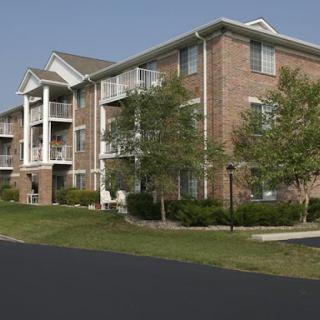
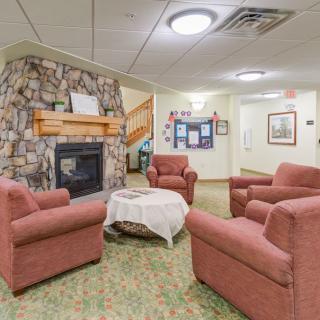
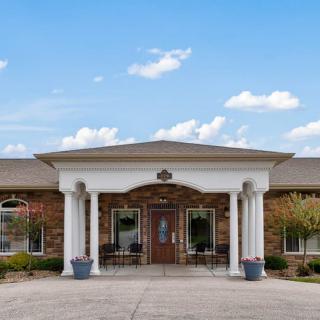
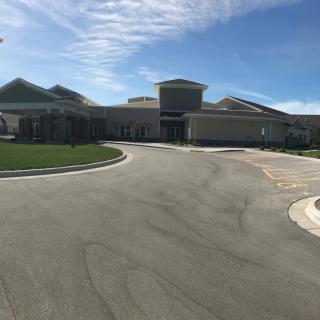
Innovative Services Inc Diversion Facility in Green Bay, WI

Information last verified:

1311 North Danz Avenue, Green Bay, WI 54302

For more information about senior living options: (844) 490-3973

3.2 from 15 reviews
5 stars
6
4 stars
2
3 stars
1
2 stars
1
1 stars
5

Overall Review of Innovative Services Inc Diversion Facility

Pros

  • pro Innovative Care Services is an amazing place that truly cares about their clients and their team members.
  • pro They do everything they can to help clients live their best life possible.
  • pro There is an entire team of people dedicated to helping others above all else.
  • pro They are great at helping people with needs.

Cons

  • pro The organization is mismanaged and consistently understaffed.
  • pro It makes promises to residents it cannot keep.
  • pro Transportation is promised but not actually provided when residents need it.
  • pro The company does the bare minimum regarding nutritious meals and outings.
  • pro Much of the staff appear to view their job as just a job and do not seem to care about residents’ best interests.
  • pro There have been occasions where there is nobody present at night to assist in emergencies.
  • pro There is concern about how Ashley Zellner and Innovative Services, Inc. interpret the law regarding children.
  • pro The place is horrible.
  • pro The place is hell, and staff treat clients like dirt.
  • pro They do not follow the plan and avoid addressing the main issues, hindering proper completion of tasks.

Review

Innovative Services Inc Diversion Facility in Green Bay is best suited for families that prize a mission-driven, disability-focused environment where care comes from a nonprofit ethos and a broad team approach. The community earns praise for its underlying commitment: staff who genuinely want to help clients live their best life, with a sense that the work is meaningful rather than merely transactional. For families who value a culture of care over glossy assurances, this facility can feel reassuring because administration and front-line staff appear aligned around the core purpose of assisting people with needs. The emphasis on a collaborative, whole-team effort gives residents a sense of being supported by more than a single caregiver, which can translate into more personalized attention when operation runs smoothly.

That said, there are clear reasons some families will want to look elsewhere. If transportation reliability, consistent night staffing, and predictable daily routines are non-negotiable, this facility may fall short. Multiple reviews flag promises about transportation that don’t pan out, gaps in night coverage, and a sense that care plans aren’t always executed as written. The combination of mismanagement and staffing shortages further complicates expectations, with some accounts describing situations where emergency assistance was not readily available. For families that require unwavering dependability, these operational gaps can outweigh the positives of the nonprofit mission.

The strongest positives center on purpose-driven care and genuine dedication. The facility is framed as an organization that prioritizes people with disabilities and their quality of life, not just compliance or occupancy. Clients benefit from a team-centered approach, where staff and administrators appear to rally around meaningful outcomes and supportive relationships. The non-profit structure is meaningful here because it can align incentives with resident well-being rather than profit margins, potentially enabling more flexible, person-first practices. Those who respond well to an engaged, values-led culture will notice that the care atmosphere can feel warmer and more collaborative than in profit-driven settings.

Yet the cons are not minor and deserve real weight in a decision. Understaffing, mismanagement, and limited night coverage undermine safety and daily stability. The failure to deliver on transportation commitments, along with what many perceive as minimal attention to nutritious meals and planned outings, suggests operational fragility. Comments about staff attitudes, ranging from disinterest to outright harsh treatment, point to variability in the care experience depending on shifts and individual workers. When plans are not followed or communications are opaque, trust erodes quickly, especially for families relying on predictable routines and safety nets in crisis moments.

Against these challenges, the pros can offset some risk when the resident thrives on a strong, relational care model and when staff turnover remains manageable. The presence of a large, mission-aligned team creates opportunities for longer-tenure professionals to build meaningful rapport, advocate for residents’ needs, and tailor supports around preferences and daily rhythms. Families should weigh whether the resident responds positively to a culture that prizes care and collaboration, even if transportation and staffing gaps recur. In such cases, the environment can still deliver quality daily life, with the caveat that responsiveness and reliability may vary.

Ultimately, the fit hinges on tolerance for operational volatility versus the value placed on a purpose-driven, compassionate framework. Prospective residents and families should demand concrete assurances: staffing ratios, night coverage policies, a transparent transportation protocol, a written weekly meal and activity plan, and a clear escalation path when plans diverge from reality. Visits should focus on real-time interactions with front-line staff across shifts, not just administrative assurances. This community can be a strong match for families prioritizing mission and humane, relationship-focused care, while those needing rigorous consistency, unwavering safety nets, and fully reliable logistics should explore alternative options that emphasize predictable operations and steady governance.

Features

Housing

  • 20 resident community capacity 20 resident community capacity

Types of Care

  • Assisted Living Assisted LivingAssisted living facilities provide crucial support and care for seniors who may need help with daily tasks such as medication management, bathing, and meal preparation. These communities offer a safe and comfortable environment where seniors can maintain their independence while receiving the assistance they need to thrive in their golden years.
  • Board and Care Home Board and Care HomeBoard and care homes provide a smaller, more intimate setting for seniors who require assistance with daily tasks but do not need the level of care offered by a nursing home. They offer personalized care, meals, and social activities in a homelike environment, ensuring that seniors receive individualized attention and support in their golden years.
  • Memory Care Memory CareMemory care is crucial for seniors as it provides specialized support and services for individuals with dementia or Alzheimer's disease. These programs offer a safe and secure environment where residents receive personalized care, cognitive stimulation, and help with daily activities. Memory care helps seniors maintain their independence, quality of life, and dignity while also providing peace of mind for their families.

Amenities

  • Beauty salon Beauty salonBeauty salons are important for seniors because they provide a space for them to feel pampered, socialize, and maintain their personal grooming and hygiene. Regular visits to a beauty salon can help boost seniors' self-esteem and overall well-being.
  • Cable or satellite TV Cable or satellite TVCable or satellite TV is important for seniors because it provides entertainment, news, and companionship, helping to combat loneliness and boredom. It also offers a wide range of programming options tailored to different interests and preferences.
  • Dining room Dining roomDining rooms are important for seniors as they provide a space for socialization, connection, and nutritious meals. They offer opportunities for residents to bond over shared meals, foster a sense of community, and promote healthy eating habits. Dining rooms also ensure that seniors have access to well-balanced meals tailored to their dietary needs and preferences.
  • Fully furnished Fully furnishedFully furnished senior living communities are important for seniors because they provide convenience, comfort, and a hassle-free moving experience. Seniors can easily settle into their new living space without the stress of having to buy and move furniture. This allows them to focus on enjoying their new home and community.
  • Garden GardenGardens are important for seniors as they provide a peaceful and therapeutic environment for relaxation, physical activity, and socialization. Being in nature has been shown to reduce stress, improve mood, and promote overall well-being. Gardens also offer opportunities for seniors to engage in gardening activities, which can improve mobility, flexibility, and cognitive function. Additionally, gardens create a sense of community and connection with others who share a passion for plants and outdoor spaces.
  • Housekeeping services Housekeeping servicesHousekeeping services are important for seniors because they help maintain a clean and safe living environment, promote independence, and reduce the risk of accidents or illnesses. Additionally, having assistance with household chores can alleviate physical strain and allow seniors to focus on other aspects of their well-being.
  • Kitchenette KitchenetteKitchenettes are important for seniors living in senior living communities because they provide the convenience and independence of being able to prepare simple meals and snacks in the comfort of their own living space. This can help promote a sense of autonomy and well-being for seniors, allowing them to maintain some level of control over their dietary choices and daily routines.
  • Move-in coordination Move-in coordinationMove-in coordination is important for seniors because it helps ease the transition into their new living environment. It ensures that all logistics, such as packing, organizing movers, and setting up utilities are taken care of, allowing seniors to focus on settling in and adjusting to their new home. Having a smooth move-in process can alleviate stress and anxiety, making the transition smoother and more enjoyable for seniors.
  • Outdoor space Outdoor spaceOutdoor spaces are important for seniors as they provide opportunities for physical activity, social interaction, exposure to natural light and fresh air, and a sense of connection to nature. Having access to outdoor spaces can improve overall well-being and quality of life for older adults living in senior communities.
  • Telephone TelephoneTelephones are important for seniors as they provide a lifeline for communication with loved ones, emergency services, and healthcare providers. They offer a sense of security and independence, enabling seniors to stay connected and access assistance when needed.
  • Wi-Fi/high-speed internet available Wi-Fi/high-speed internet availableWi-Fi/high-speed internet is important for seniors to stay connected with loved ones, access online resources, and participate in virtual activities to combat feelings of loneliness and isolation. It also allows them to easily manage healthcare needs, access entertainment, and engage in lifelong learning opportunities.

Transportation

  • Austin Straubel International (8 miles away) Austin Straubel International (8 miles away)

Care Services

  • 24-hour call system 24-hour call system24-hour call systems are important for seniors because they provide peace of mind and immediate assistance in case of emergencies. This technology ensures that help is always available, promoting safety and security for elderly individuals living alone or in assisted living facilities.
  • 24-hour supervision 24-hour supervision24-hour supervision is important for seniors to ensure their safety, well-being, and access to immediate assistance in case of emergencies or health issues. This constant support provides peace of mind for both seniors and their loved ones, allowing them to age in place with dignity and security.
  • Activities of daily living assistance Activities of daily living assistanceActivities of daily living assistance are important for seniors because they provide essential support with tasks such as eating, bathing, dressing, and mobility. This assistance helps seniors maintain their independence, dignity, and overall quality of life as they age.
  • Assistance with bathing Assistance with bathingAssistance with bathing is crucial for seniors as it helps maintain personal hygiene, prevents infections, and ensures their overall well-being and comfort. It also provides a sense of dignity and independence for seniors who may struggle with this task on their own.
  • Assistance with dressing Assistance with dressingAssistance with dressing is important for seniors because it helps maintain their independence, promotes personal hygiene, prevents accidents and injuries, and improves overall quality of life. This service ensures that seniors can continue to dress comfortably and confidently, despite any physical limitations they may have.
  • Assistance with transfers Assistance with transfersAssistance with transfers is crucial for seniors as it helps prevent falls and injuries, maintains their independence, and ensures they can safely navigate their living environment. It also provides peace of mind for both seniors and their loved ones.
  • Coordination with health care providers Coordination with health care providersCoordination with health care providers is crucial for seniors to ensure proper medical care, medication management, and overall well-being. This collaboration helps prevent overlapping treatments, track progress more effectively, and provide comprehensive support tailored to individual needs.
  • Dementia waiver Dementia waiverDementia waivers are essential for seniors as they provide critical protections and accommodations for those experiencing cognitive decline. These waivers ensure individuals with dementia receive appropriate care, support, and resources to maintain their quality of life and dignity as they navigate the challenges of this progressive condition.
  • Diabetes diet Diabetes dietA diabetes diet is crucial for seniors as it helps manage blood sugar levels, reduce risks of complications, and improve overall health and well-being. By following a balanced and nutritious diet tailored to their specific needs, seniors can better control their diabetes and enhance their quality of life.
  • Hospice waiver Hospice waiverHospice waivers are important for seniors because they allow individuals to receive specialized end-of-life care and support at home or in a hospice facility. This waiver ensures that seniors can access the necessary resources and services to maintain comfort and dignity during their final days.
  • Meal preparation and service Meal preparation and serviceMeal preparation and service are crucial for seniors as they may have limited mobility or energy to cook nutritious meals. Having access to healthy and convenient food options can ensure they are getting the proper nutrition needed to maintain their overall health and well-being.
  • Medication management Medication managementMedication management is crucial for seniors to ensure they are taking the right medications at the correct dosages and times. This helps prevent adverse drug interactions, reduces the risk of medication errors, and promotes overall health and well-being. Proactive management also allows for adjustments as needed based on changing health conditions or new prescriptions.
  • Mental wellness program Mental wellness programMental wellness programs are essential for seniors as they promote cognitive stimulation, emotional support, and social engagement. These programs help prevent isolation, depression, and cognitive decline, ultimately enhancing the overall quality of life for older adults.
  • Mild cognitive impairment Mild cognitive impairment"Mild cognitive impairment" is important for seniors because it is an early stage of cognitive decline that can potentially progress to more severe conditions such as dementia. Recognizing and addressing mild cognitive impairment can help seniors receive appropriate care and support to maintain their quality of life and independence for as long as possible.
  • Special dietary restrictions Special dietary restrictionsSpecial dietary restrictions are important for seniors because age-related changes in metabolism and health conditions can make it difficult for their bodies to process certain foods. By following a diet tailored to their specific needs, seniors can maintain their overall health and well-being, manage chronic conditions, and reduce the risk of complications such as malnutrition or food interactions with medications.
  • Specialized memory care programming Specialized memory care programmingSpecialized memory care programming is crucial for seniors with cognitive impairments such as dementia or Alzheimer's disease. These programs provide a safe and supportive environment tailored to the unique needs of individuals with memory loss, helping them maintain their independence, dignity, and quality of life.
  • Transportation arrangement (medical) Transportation arrangement (medical)Transportation arrangements for medical purposes are essential for seniors as they may have difficulty driving themselves to appointments or accessing public transportation. Having reliable and safe transportation options ensures that seniors can receive timely medical care and maintain their health and well-being.
  • Transportation to doctors appointments Transportation to doctors appointmentsTransportation to doctors' appointments is crucial for seniors as it ensures they have access to necessary medical care and support for their health needs. Without reliable transportation, seniors may struggle to attend important appointments, leading to potential delays in treatment and health complications. Providing transportation services helps seniors maintain their overall well-being and quality of life.

Dining

  • Diabetes diet Diabetes dietA diabetes diet is crucial for seniors as it helps manage blood sugar levels, reduce risks of complications, and improve overall health and well-being. By following a balanced and nutritious diet tailored to their specific needs, seniors can better control their diabetes and enhance their quality of life.
  • Special dietary restrictions Special dietary restrictionsSpecial dietary restrictions are important for seniors because age-related changes in metabolism and health conditions can make it difficult for their bodies to process certain foods. By following a diet tailored to their specific needs, seniors can maintain their overall health and well-being, manage chronic conditions, and reduce the risk of complications such as malnutrition or food interactions with medications.

Activities

  • Community-sponsored activities Community-sponsored activitiesCommunity-sponsored activities are important for seniors as they provide opportunities for social interaction, mental stimulation, and physical activity. These activities can help improve overall well-being, combat loneliness and isolation, and promote a sense of belonging and purpose among older adults.
  • Scheduled daily activities Scheduled daily activitiesScheduled daily activities are important for seniors because they provide structure, socialization, mental stimulation, and physical activity. Engaging in regular activities can improve overall well-being and quality of life for seniors living in a community setting.

Description

The Innovative Services Inc Diversion Facility in Green Bay, WI is an assisted living community that provides exceptional care and support for individuals in need of board and care home services, as well as specialized memory care. Residents can enjoy a comfortable and fully furnished living space with amenities such as cable or satellite TV, Wi-Fi/high-speed internet, and access to a dining room for meals.

This facility offers a range of care services to ensure the well-being of its residents. With 24-hour supervision, assistance with activities of daily living, bathing, dressing, and transfers, residents can feel confident knowing they have the support they need. The staff also coordinates with health care providers to ensure comprehensive care.

For individuals with specific dietary needs, the facility offers special dietary restrictions options. Meal preparation and service are provided to cater to these needs. Medication management is also available to ensure proper administration.

The community places a strong emphasis on mental wellness by offering a mental wellness program and specialized memory care programming for individuals with mild cognitive impairment or dementia. A dementia waiver and hospice waiver are available for those who require additional support.

Residents can enjoy outdoor spaces such as gardens and have access to move-in coordination services for a smooth transition into their new home. Transportation arrangements can be made for medical appointments and visits to doctors' offices.

In terms of nearby amenities, this community is conveniently located near three cafes, six parks, eight pharmacies, 37 physicians' offices, 35 restaurants, one theater, and ten hospitals. This provides easy access to various resources and recreational opportunities for both residents and their visiting family members.

Overall, the Innovative Services Inc Diversion Facility in Green Bay provides a supportive environment where residents can receive personalized care while enjoying a variety of amenities and nearby conveniences.

Nearby Places of Interest

Restaurants

  • Subway (0.4 miles)
  • Taco Bell (0.5 miles)
  • Escapades (1 miles)
  • McDonald's (1.2 miles)
  • Wendy's (1.2 miles)
  • McDonald's (1.2 miles)
  • Jimmy John's (1.3 miles)

Pharmacies

  • Walgreens (0.5 miles)
  • Aurora Pharmacy (1.8 miles)
  • Streu's Pharmacy Bay Natural (1.9 miles)
  • Walgreens (1.9 miles)
  • Walgreens (2 miles)
  • Walgreens (2.2 miles)
  • Children's Promise (2.6 miles)

Parks

  • Farlin Park (0.9 miles)
  • Dog Walking Street (2.1 miles)
  • Leicht Memorial Park (2.5 miles)
  • Christa McAuliffe Park (2.6 miles)
  • Fisk Park (3.2 miles)
  • Henry S. Atkinson Park (3.3 miles)

Physicians

  • Milo C Huempfner Department of Veterans Affairs Outpatient Clinic (1.3 miles)
  • Northeast Wisconsin Community Clinic (1.9 miles)
  • New Community Clinic (1.9 miles)
  • Bellin Health (2.1 miles)
  • Nicolet Psychiatric Center (2.2 miles)
  • Jennifer Weiland, MD (2.3 miles)
  • Bellin Generations ob gyn (2.3 miles)

Cafes

  • Julie's Cafe & Catering (1.4 miles)
  • Panera Bread (2.2 miles)
  • Kavarna (2.6 miles)

Hospitals

  • Brown County Community Treatment (1.4 miles)
  • Pediatrics Intensive Care Unit At St Vincents (2.3 miles)
  • Bellin Health Cardiology Associates - Green Bay (2.4 miles)
  • HSHS St. Vincent Hospital (2.5 miles)
  • St Vincent's NICU (2.5 miles)
  • St Vincent Hospital (2.5 miles)
  • Aurora BayCare OB/GYN (2.9 miles)

Theaters

  • Green Bay East Cinema Green Bay, Wi (2.9 miles)

Frequently Asked Questions

Where is Innovative Services Inc Diversion Facility?
Does Innovative Services Inc Diversion Facility provide care for residents with dementia or Alzheimer's disease?

Nearby Communities

  • University Home

    University Home

    Green Bay, WI

    4.6 from 103 reviews
     

    pro Small, intimate assisted living with 24/7 supervision and easy access to healthcare and local amenities.

  • Cedarlake

    Cedarlake

    Green Bay, WI

    3.9 from 54 reviews
     

    pro Strong access to nearby amenities and healthcare.

  • Parkway Highlands Apartments 55+

    Parkway Highlands Apartments 55+

    Green Bay, WI

    3.8 from 11 reviews
    $712 to $833 / month

    pro Friendly, helpful staff; quick maintenance; clean facilities; convenient location with social opportunities.

  • Dimensions Living Green Bay

    Dimensions Living Green Bay

    Green Bay, WI

    4.6 from 69 reviews
    $4,000 to $4,935 / month

    pro Friendly staff, engaging activities, and comfortable apartments.

  • Our Place I

    Our Place I

    Green Bay, WI


    pro Comprehensive care with meals, housekeeping, daily activities, medication management, and transport.

  • Acs Green Bay

    Acs Green Bay

    Green Bay, WI

    5 from 6 reviews
     

    pro Small, intimate community with 24/7 staff, medication management, and comprehensive daily living support.

  • The Village at Eden Vista Green Bay

    The Village at Eden Vista Green Bay

    Green Bay, WI

    4.3 from 25 reviews
    $2,800 to $3,800 / month

    pro Friendly staff, engaging activities, and spacious apartments with good family communication.

  • Oak Park Place Green Bay

    Oak Park Place Green Bay

    Green Bay, WI

    4.7 from 99 reviews
    $4,440 to $5,073 / month

    pro Caring staff in a clean, welcoming community with diverse activities and restaurant-style dining.

  • Woodside Lutheran Home

    Woodside Lutheran Home

    Green Bay, WI

    2.9 from 33 reviews
    $621 to $6,540 / month

    pro Caring staff and a clean, well-maintained facility with active on-site programs.

Related Resources

  • reminiscence therapyAn In-Depth Look at Reminiscence Therapy in Dementia Care

    Reminiscence therapy is a structured method for older adults, especially those with dementia, to share life stories using prompts and sensory cues, fostering emotional well-being, social engagement, and self-identity. It aims to improve quality of life by enhancing interpersonal connections and cognitive stimulation while requiring careful facilitation to avoid distressing memories.

  • dementia hallucinationsDementia-Related Hallucinations: Causes, Experiences, and Practical Approaches

    Dementia, particularly Lewy body dementia, often involves hallucinations that can significantly distress both patients and caregivers due to disruptions in sensory processing and neurotransmitter imbalances. Effective management includes compassionate communication, environmental adjustments, and a multidisciplinary approach to care while addressing the emotional needs of caregivers.

  • alzheimer's factsIlluminating Insights About Alzheimer's Disease: Ten Crucial Realities

    Alzheimer’s disease is a progressive neurological disorder that significantly impacts memory and cognitive functions, accounting for 60-80% of dementia cases, with early diagnosis being crucial yet challenging. It involves brain changes like beta-amyloid plaques and tau tangles, influenced by genetic and lifestyle factors, and while there is no cure, symptom management and support for caregivers are essential.