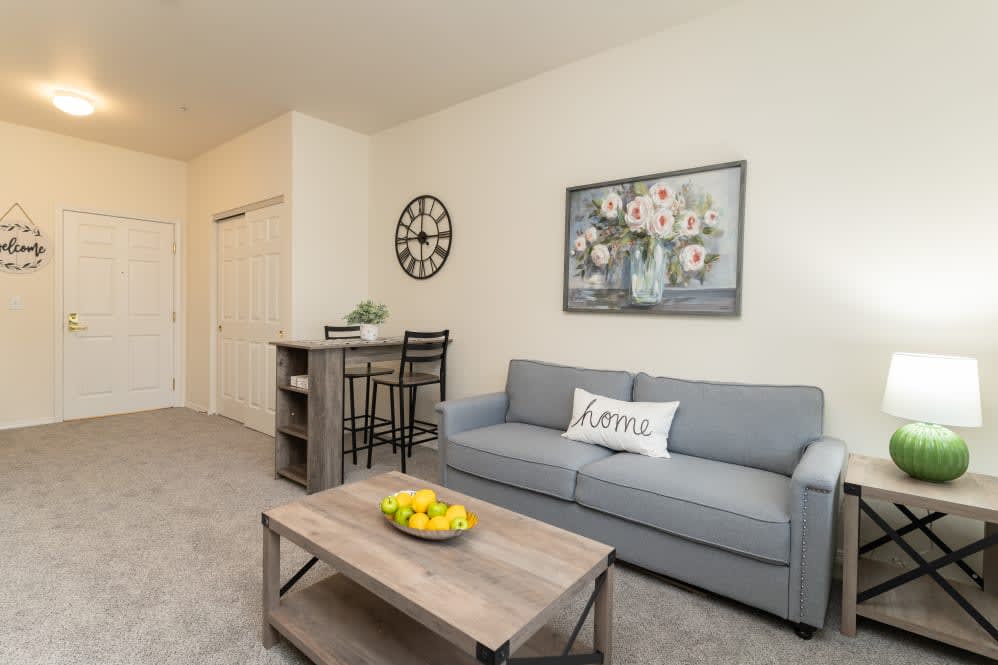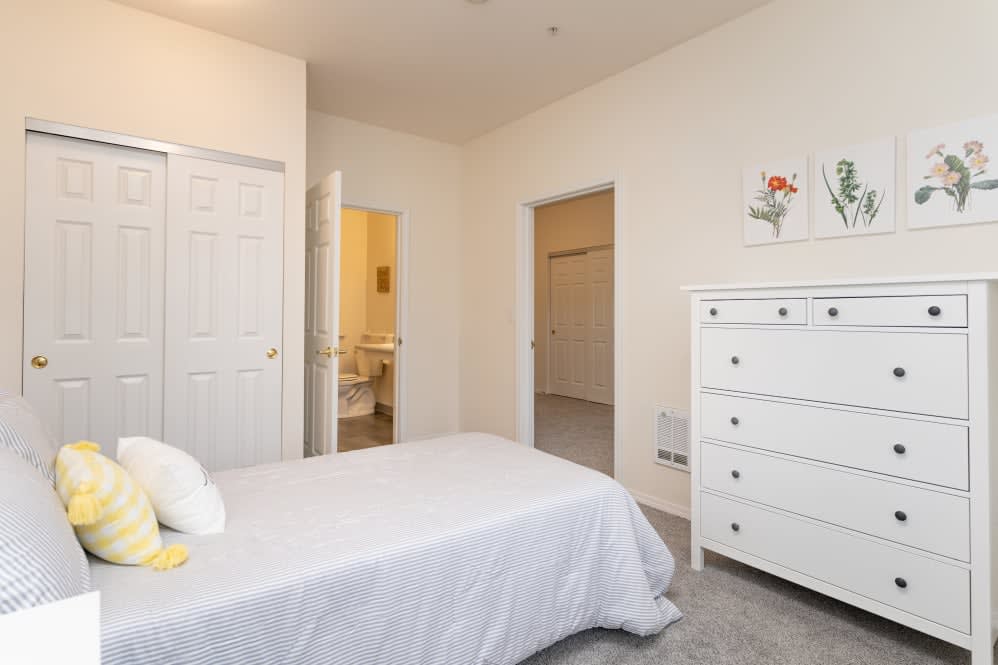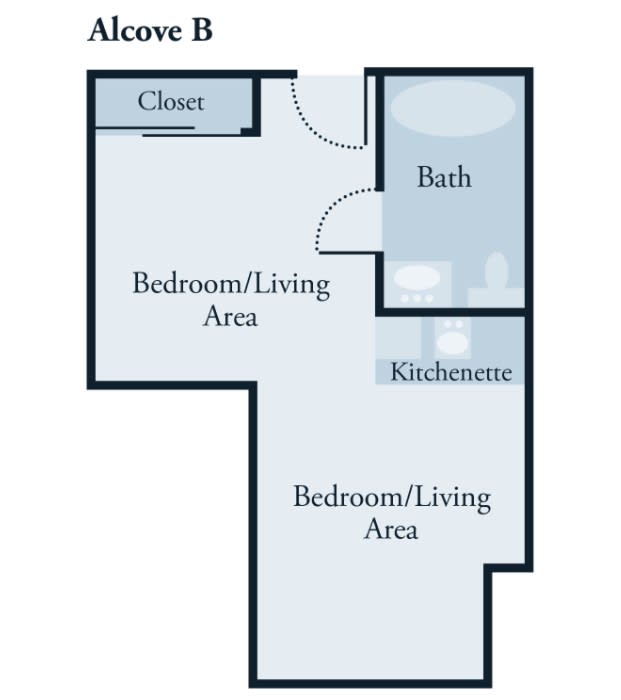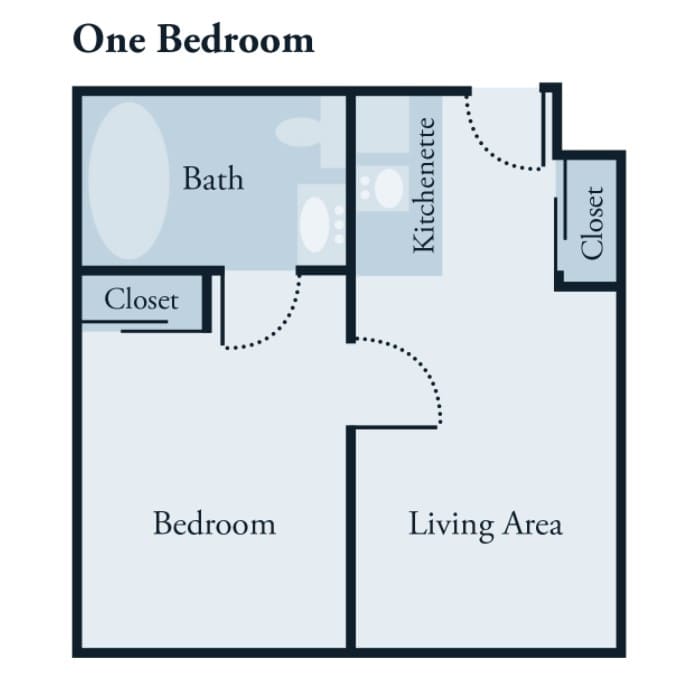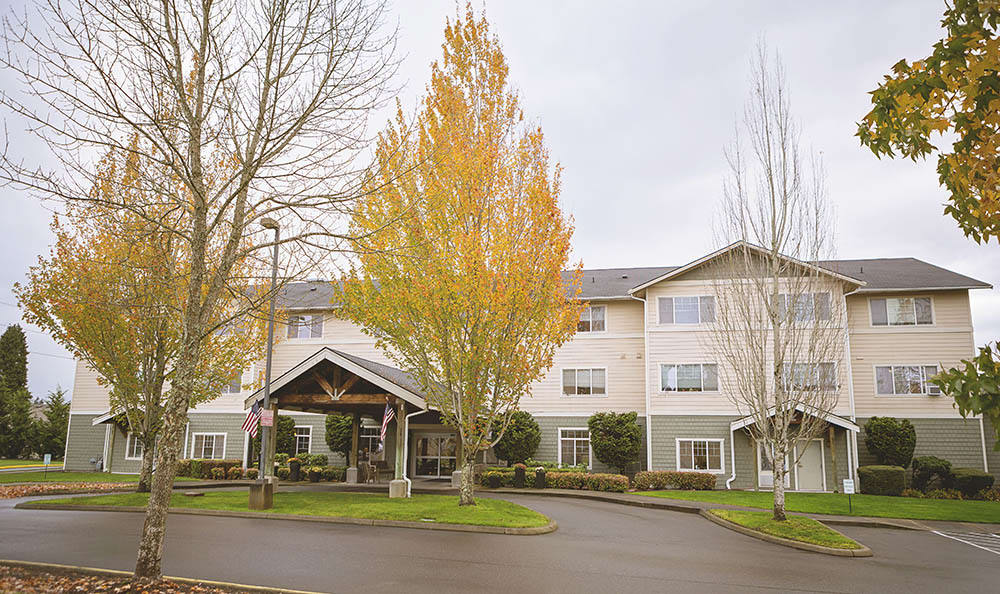

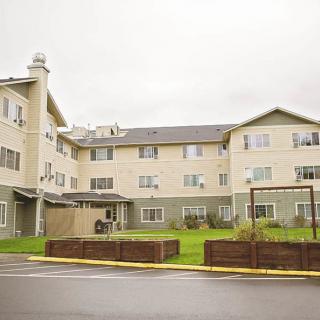
270 North Street, Fountain City, WI 54629
For more information about senior living options: (866) 208-4318

St Michaels Assisted Living Costs & Pricing
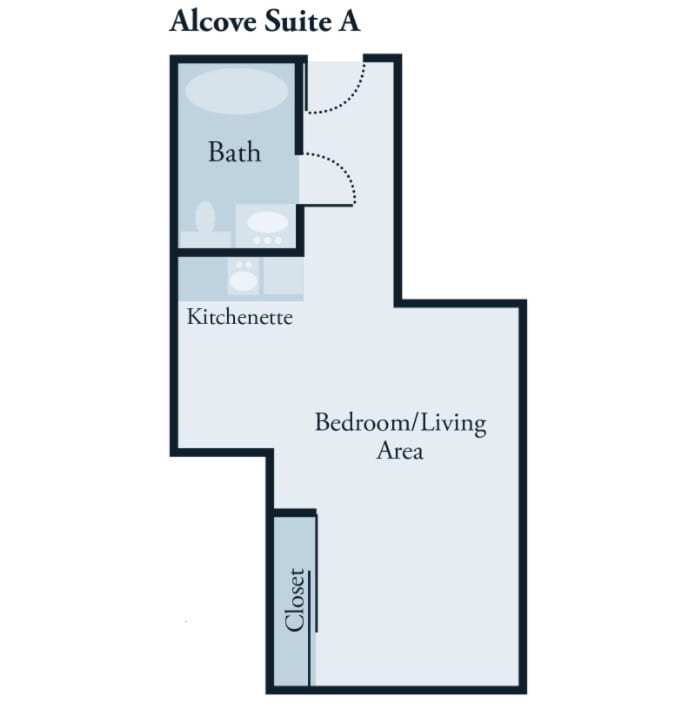
St. Michaels Assisted Living offers a range of accommodations at competitive pricing, with costs for studio and semi-private rooms standing at $4,042 per month. This rate aligns with the average costs in Buffalo County, Wisconsin, while being slightly above the state averages of $3,999 for studios and $3,977 for semi-private options. For those seeking more spacious living arrangements, the one-bedroom option is priced at $4,585 monthly, which exceeds the state's average of $3,412. Overall, St Michaels maintains consistency with local market prices while providing residents with quality care and community engagement.
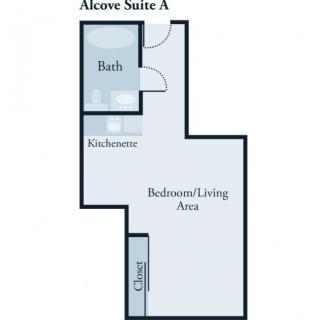
| Floor plans | St Michaels Assisted Living | Buffalo County | Wisconsin |
|---|---|---|---|
| Studio | $4,042 | $4,042 | $3,999 |
| Semi-Private | $4,042 | $4,042 | $3,977 |
| 1 Bedroom | $4,585 | $4,585 | $3,412 |
Overall Review of St Michaels Assisted Living
Pros
 The staff are wonderful.
- He is happy and well taken care of, especially during Covid-19.
- The care he receives is second to none.
- St. Michael's is exactly what they wanted: a small, homey place.
- The whole staff is great and treats mom with love and respect.
- The nurses are well educated and did a great job.
- The staff go above and beyond for the residents.
Cons
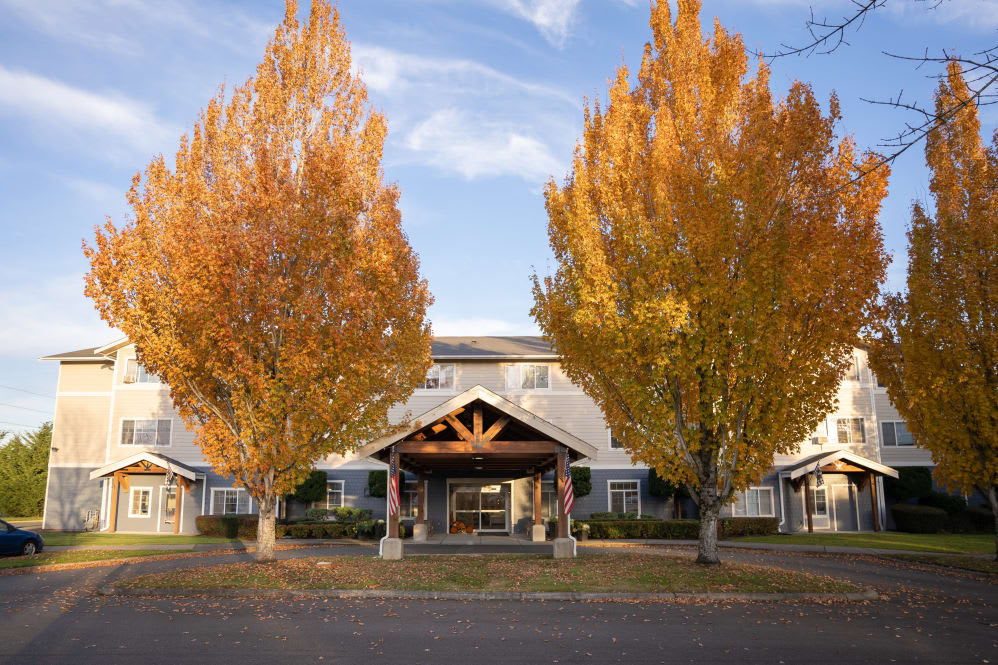
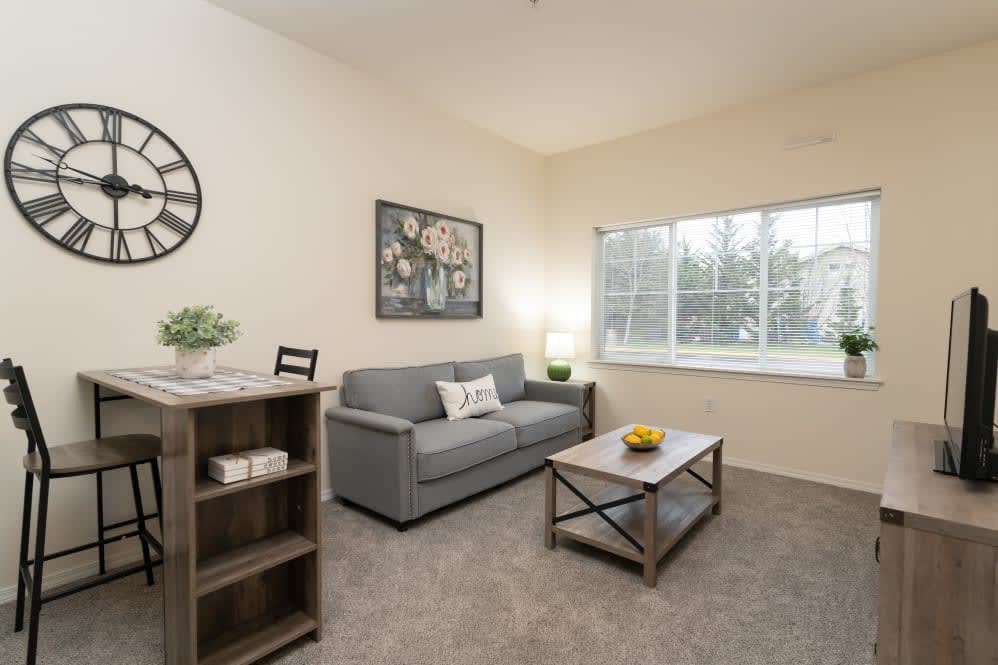
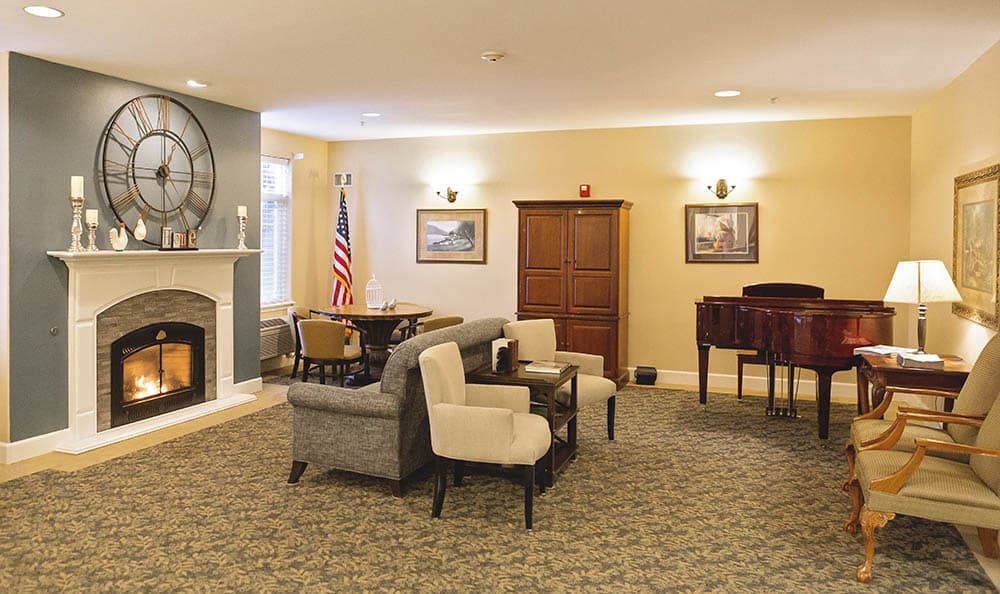
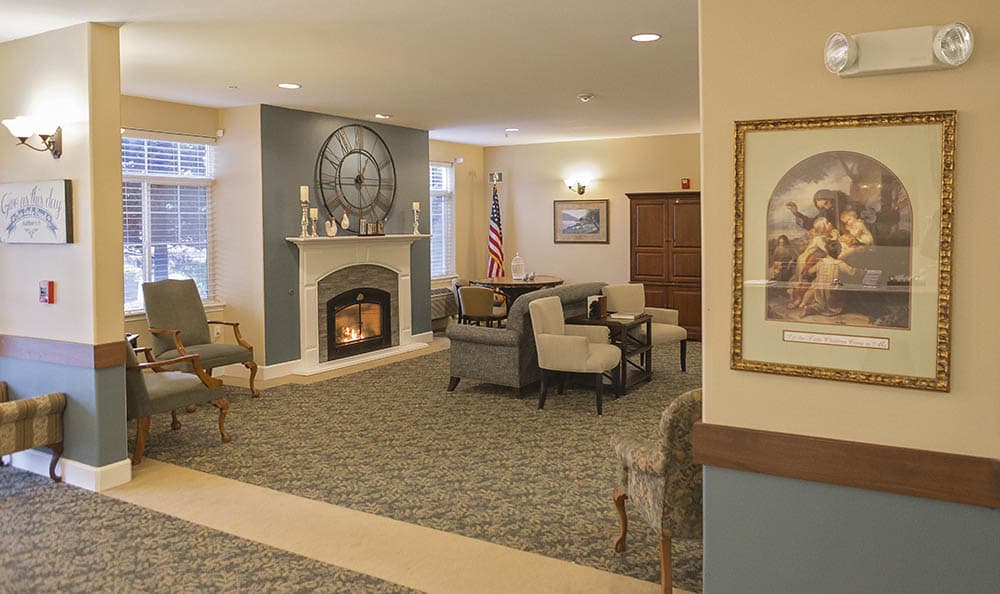
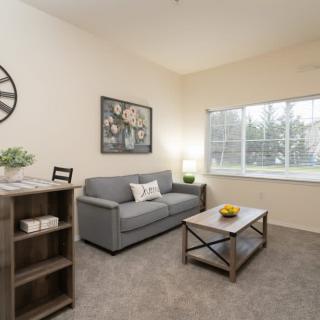
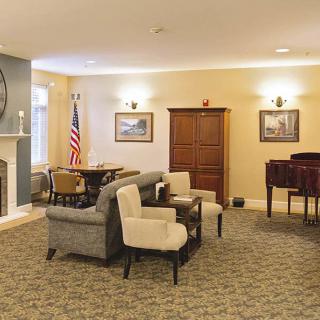
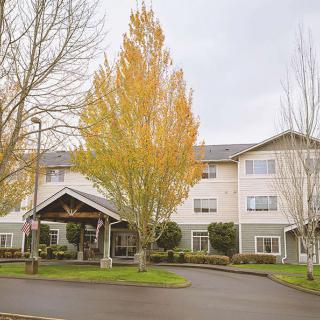
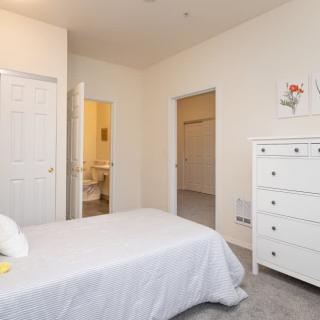
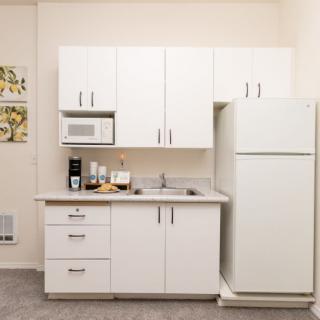
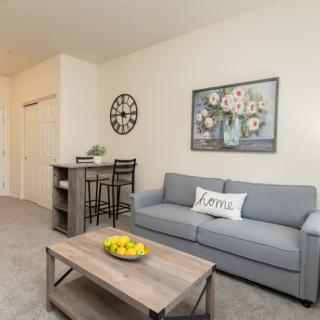
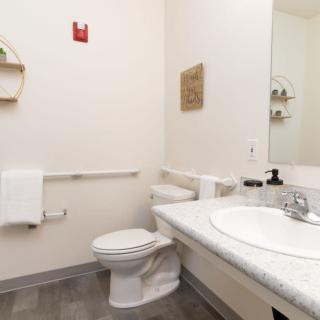
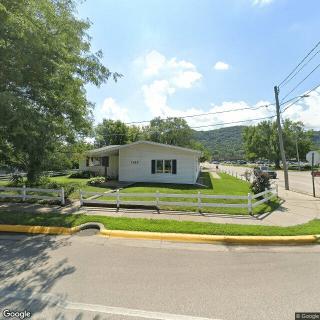
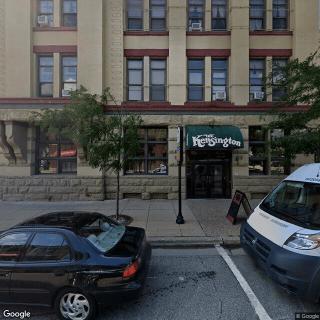
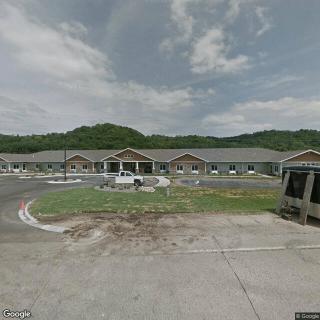
 The photos are false.
- It looks nothing like this.
- The facility is closing.
- They did not like the older building.
- It was too outdated and felt more like a hospital setting.
- The distance to dining and activities was too far to walk, requiring a wheelchair.
Review
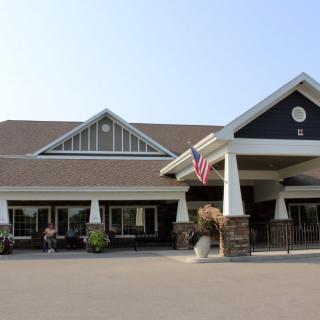
St. Michael’s Assisted Living in Fountain City is best suited for families seeking a small, homey setting where residents receive extremely personal, attentive care from a steady, compassionate staff. The community earns its strength from a team described as wonderful, patient, and well educated, with nurses who handle medical needs confidently and communicate care issues in a timely way. Residents feel safe, treated with dignity, and kept informed, and families frequently point to the consistency and warmth of the caregiving as the core advantage. After years of renovation, the atmosphere has shifted from a more institutional impression to a more homelike feel, which matters deeply to families who want a place that resembles a comfortable, well-run home more than a clinical facility.
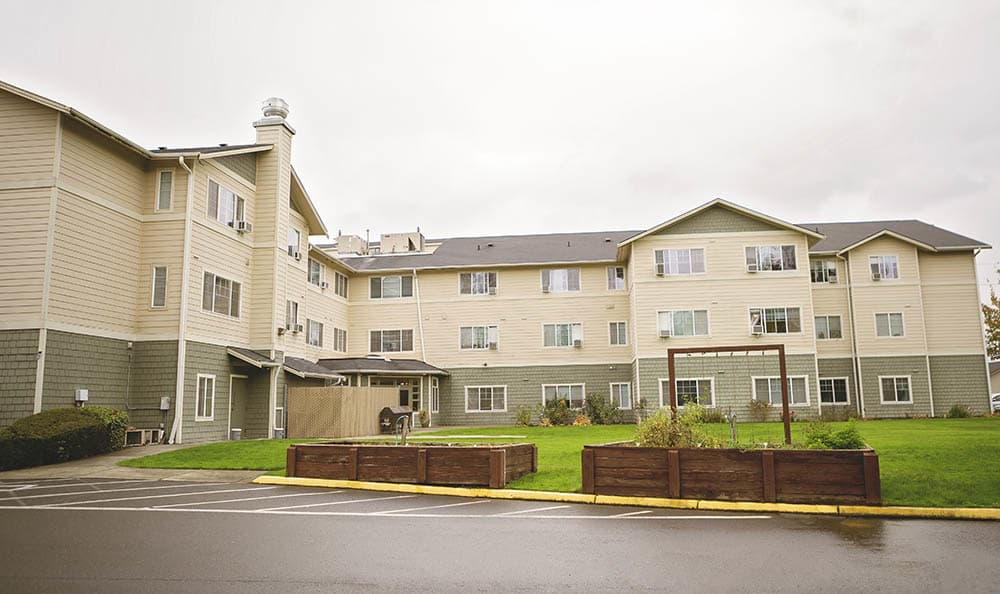
That said, this community is not for everyone. Prospective buyers should consider alternatives if a bright, modern, or expansive campus is a must. The building’s size and layout can translate to limited on-site social programming and fewer opportunities for a bustling day-to-day routine. For families prioritizing extensive activity calendars, larger dining venues, or a broader array of on-site amenities, other communities may deliver more consistently. Mobility needs can intensify concerns about navigation; one reviewer noted that walking to dining and activities could be challenging without mobility assistance, and that distance within the building could feel awkward for someone who is wheelchair-dependent. Potential residents should confirm that the internal footprint aligns with their mobility and social expectations.
The strongest upside, exceptional caregiving, largely offsets the downsides when aligned with the right resident. The staff “go above and beyond,” and families repeatedly highlight the respectful, loving treatment of loved ones. The care appears well coordinated, with families kept in the loop about care issues, and residents benefiting from a safe, respectful environment where dignity is prioritized. A homey, low-key setting complements the clinical strengths, enabling meaningful daily interactions, fewer overheard distractions, and more genuine connections between caregivers and residents. The improvements from renovation, eliminating the old institutional feel, further bolster this balance, making the setting feel more like a comforting residence than a hospital wing.
Nonetheless, some practical drawbacks warrant attention. While the renovation addressed many concerns, a few reviews still describe the building as darker or less bright than ideal, with earlier perceptions of a hospital-like atmosphere lingering for some visitors. The same comments flag limited variety in daily activities, which can matter for residents who crave a fuller social rhythm. The footprint and distance-to-dining issue that some families flagged can translate into real frustration for those with limited mobility. And, as with any community where perceptions can diverge, a few readers referenced photos that didn’t reflect their actual experience or suggested rumors about closing; such concerns underscore the importance of verifying current status and requesting an up-to-date tour.
For families actively weighing options, the prudent path is a guided exploration rather than a quick impression. Schedule a tour, request a current floor plan that matches your loved one’s mobility needs, and engage directly with care staff about daily routines and meal options. Verify the resident-to-staff ratio during peak hours, and ask to observe a care moment to gauge responsiveness and warmth in real life. Inquire about activity scheduling, transportation, and the availability of flexible dining arrangements that accommodate varying appetite and mobility. These steps help separate the genuine warmth and reliability of the caregiving from the perceptions tied to building size and layout.
In the end, St. Michael’s Assisted Living stands out for families seeking intimate, respectful care delivered by a team that genuinely treats residents as individuals. Its most compelling value lies in the people, the caregivers who consistently demonstrate kindness, expertise, and a commitment to safety and dignity. Those who prize a true home-like atmosphere and a steady, communicative care team will find a strong match here, especially after renovation work that softens an older architectural impression. However, for families prioritizing modern, expansive facilities with a broad activity slate and easier internal navigation, alternatives deserve serious consideration. A thoughtful tour and candid conversations with current residents and staff will reveal whether this community aligns with the specific needs, preferences, and long-term goals of the person moving in.
 30 resident community capacity
 Assisted Living
 Memory Care
 Activities off-site
 Bath tubs
 Beautician on-site
 Cable or satellite TV
 Devotional services on-site
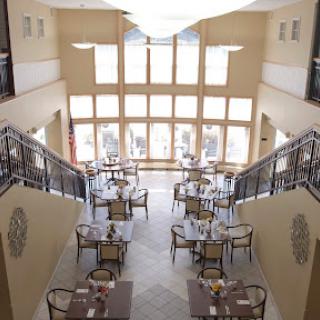
 Dining room
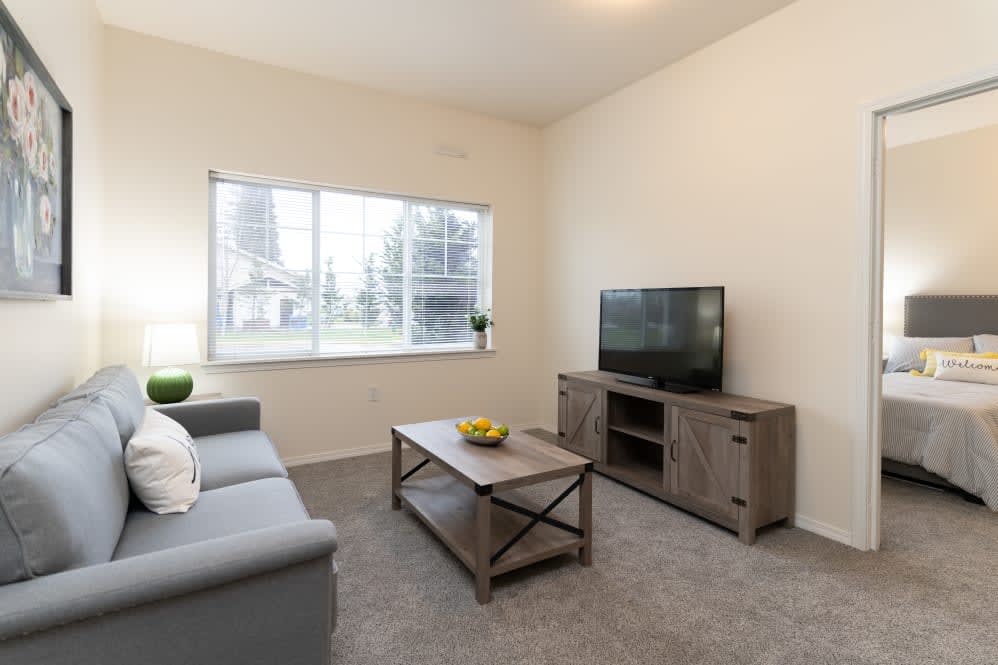
 Fully furnished
 Garden
 Housekeeping services
 Indoor common areas
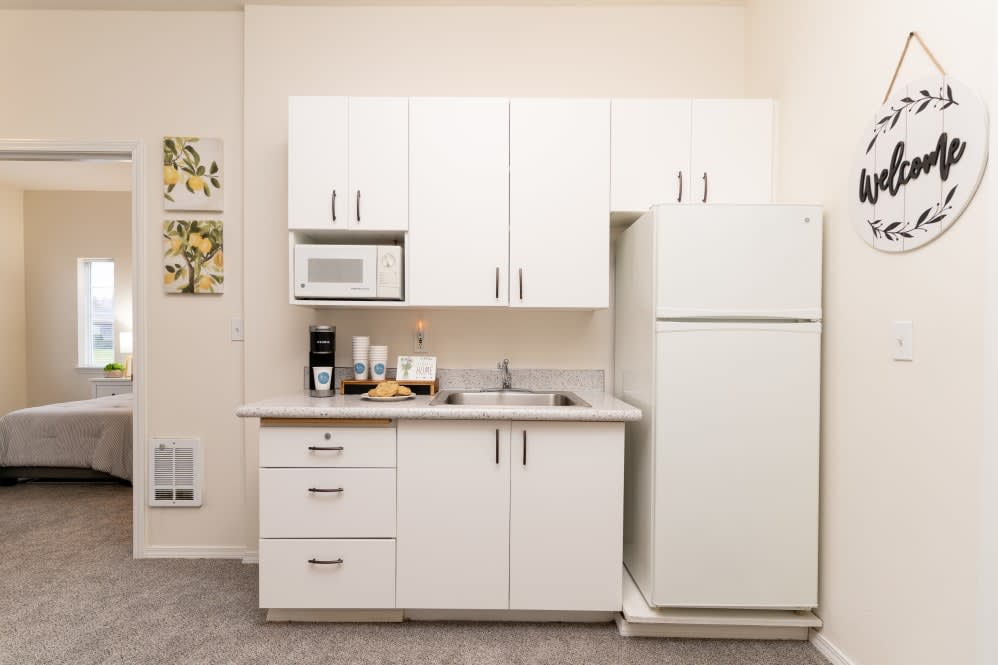
 Kitchenette
 Move-in coordination
 Outdoor common areas
 Respite or short term stays offered
 Restaurant-style dining
 Small library
 Swimming pool / hot tub
 Telephone
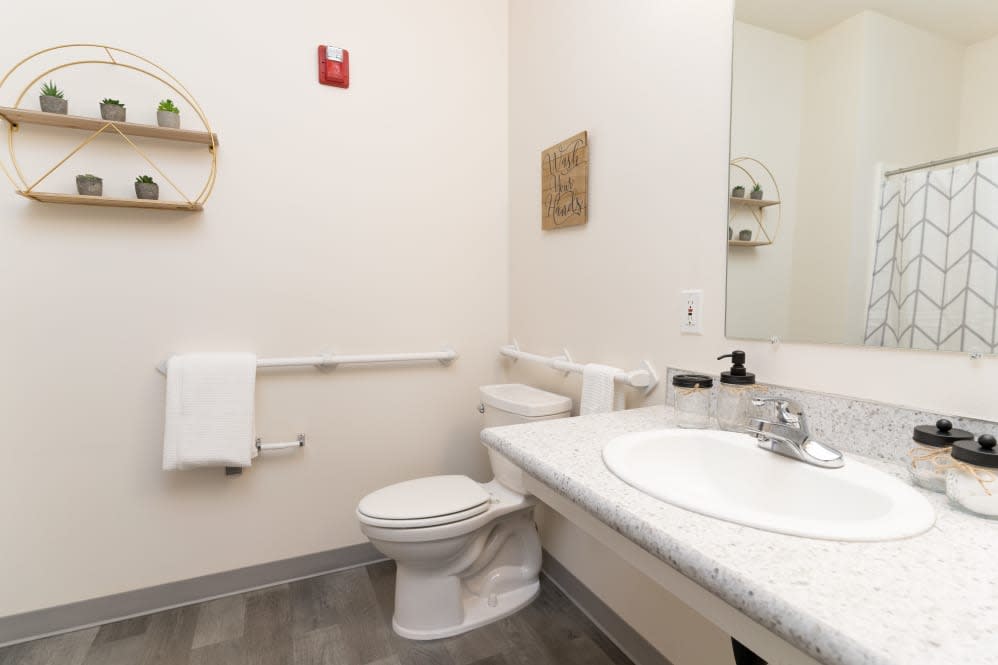
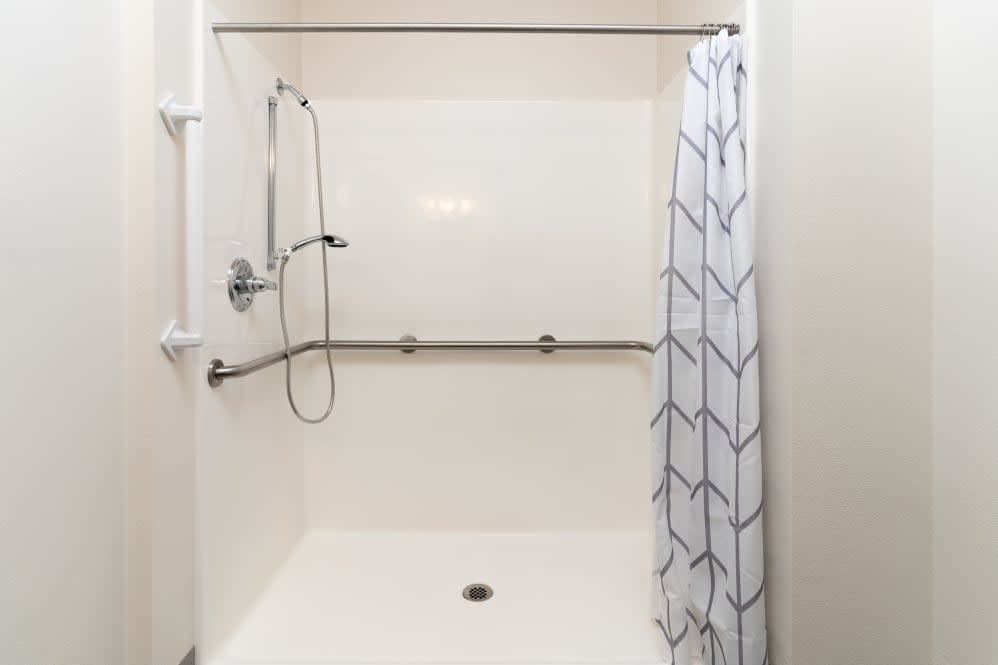
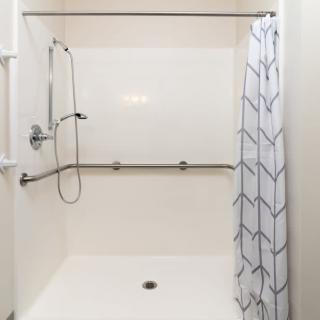
 Wheelchair accessible showers
 Wi-Fi/high-speed internet available
 24-hour call system
 Assistance with bathing
 Assistance with dressing
 Assistance with transfers
 Diabetes diet
 Diabetic care
 Incontinence care
 Medication management
 Mental wellness program
 Special dietary restrictions



 How and When Medicaid May Cover Assisted Living Costs
 A Detailed Exploration of Assisted Living Medicaid Waivers Across the United States
 Exploring the Contrasts Between Assisted Living and Skilled Nursing