



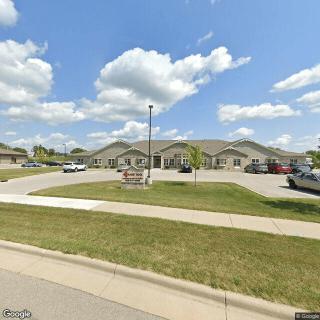
525 Memorial Drive, Fort Atkinson, WI 53538
For more information about senior living options: (866) 208-4318
Wellington Meadows Costs & Pricing
Wellington Meadows offers competitive pricing for its residents compared to both Rock County and the broader Wisconsin state averages. For a semi-private room, the monthly cost at Wellington Meadows is $2,750, which is notably lower than the county average of $2,947 and significantly less than the state average of $3,977. Similarly, for those seeking more privacy in a one-bedroom accommodation, Wellington Meadows charges $3,750 per month. This still falls within a reasonable range when compared to Rock County's average of $3,310 and Wisconsin's state average of $3,412. Overall, Wellington Meadows presents an appealing option for individuals seeking quality care without straining their financial resources.
| Floor plans | Wellington Meadows | Rock County | Wisconsin |
|---|---|---|---|
| Semi-Private | $2,750 | $2,947 | $3,977 |
| 1 Bedroom | $3,750 | $3,310 | $3,412 |
Skilled Nursing Facilities with a similar price nearby
-
from +$252 / mo
KindredHearts of Elkhorn
$3,002 / month23.5 miles away
Overall Review of Wellington Meadows
Pros
 The staff are wonderful and the place is great overall.
- The staff members were understanding.
- The staff came forth with a lot of good information.
- Residents were engaged with activities, as one resident was fascinated with a toy.
Cons
 The facility did not have a regular cook and had no housekeeper.
- The reviewer was uncomfortable with the way things were set up.
- The reviewer thought it was an older facility.
- The absence of an activity director at that time was concerning.
- The facility seemed unkept.
Review
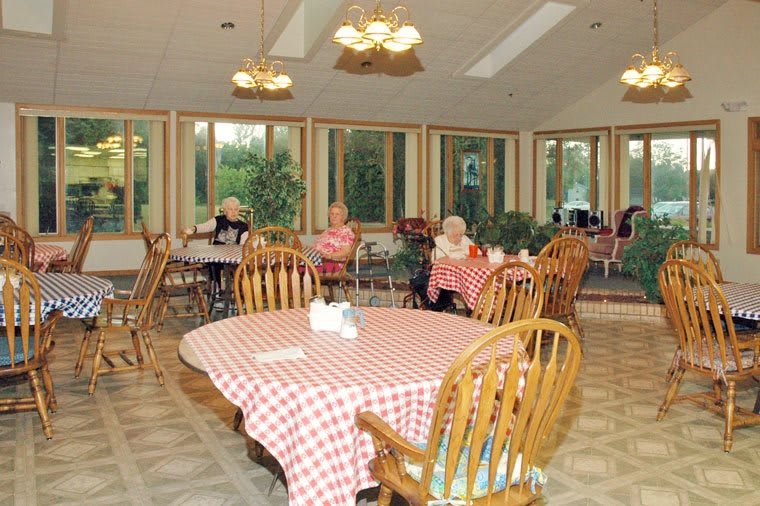
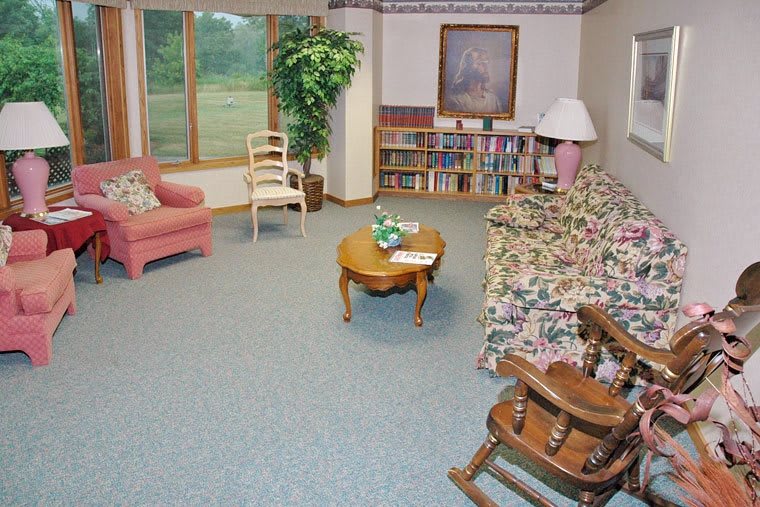
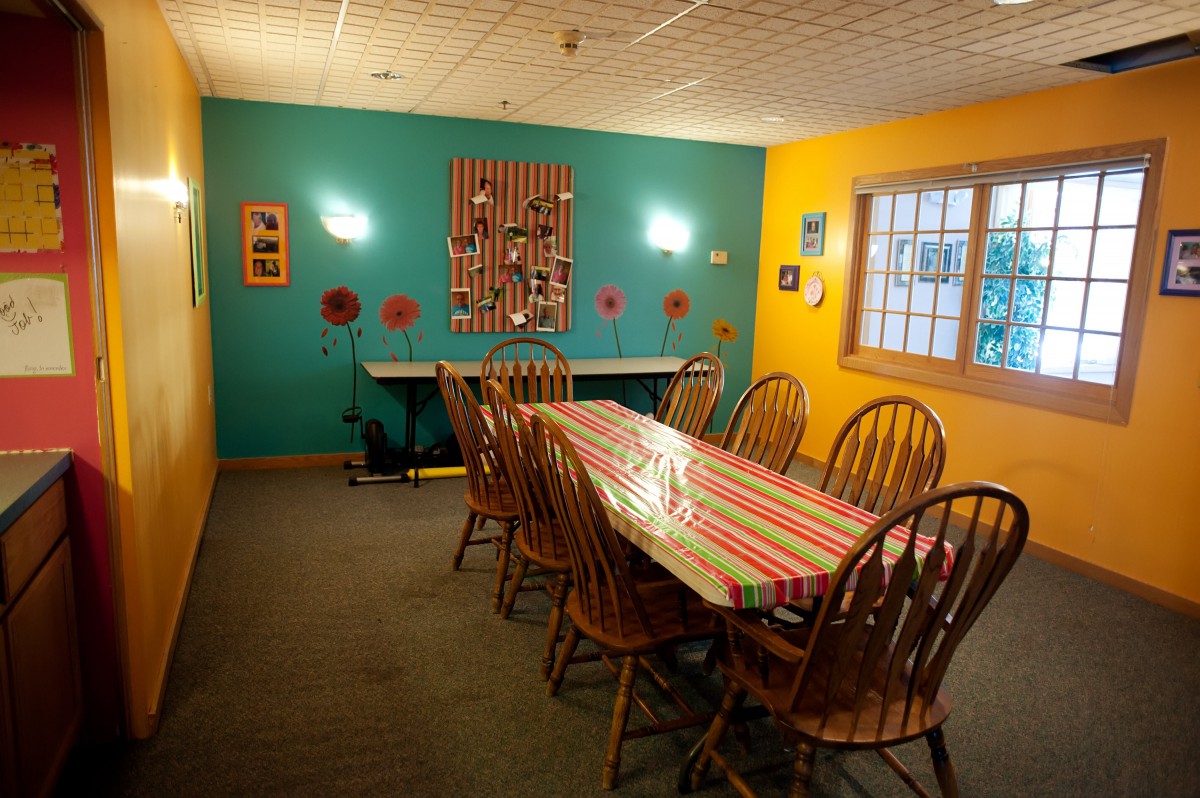
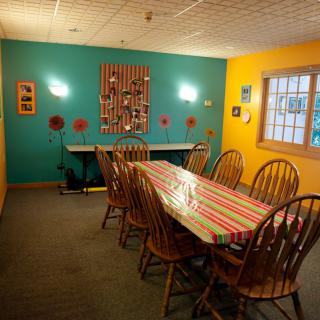
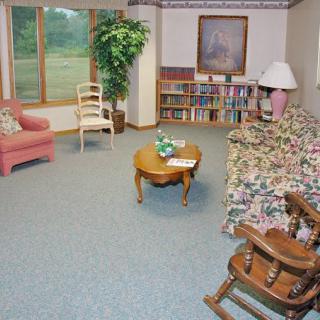
Wellington Meadows in Fort Atkinson, WI is best suited for families who place a premium on a warm, attentive care team and a plainly comfortable everyday environment. This community shines where staff interactions drive daily living, residents who respond to patient, understanding support and who appreciate candid, friendly communication from caregivers will feel at ease here. The setting favors a smaller, community feel over a glossy, modern facility sheen. Rooms are described as acceptable rather than luxurious, and the overall impression leans toward an older, simpler vibe. For families prioritizing genuine personal connection over cosmetic polish, Wellington Meadows offers real value.
This community may not be the right fit for families that depend on turnkey services. Those who require regular on-site cooking, housekeeping, and a robust, structured activity program should consider alternatives. There is no regular cook, no housekeeper, and at the time of review there was no dedicated activity director. In addition, the facility was described as older and, at times, unkempt in appearance. If a resident’s daily routine hinges on frequent, organized activities, consistent meal service, and routine housekeeping, other options with more comprehensive service levels will likely be more satisfying.
The strengths here revolve around the care team. The staff are described as wonderful and understanding, with a readiness to provide information and support. This can translate into smoother transitions, steadier day-to-day routines, and a sense that someone is looking out for the resident’s best interests. Positive interpersonal moments, such as staff members engaging residents with simple activities or curious moments, signal a caregiving culture that prizes personal connection. Those advantages can meaningfully offset occasional gaps in programming or amenities for residents who thrive on human warmth and responsive communication.
However, the key drawbacks are meaningful enough to shape the decision. The absence of a regular cook and housekeeping means meals and cleaning duties fall outside the core package, potentially requiring external arrangements or added family involvement. The once-strong impression of modernity is tempered by concerns about upkeep and the overall appearance of the facility. A missing activity director at the time of evaluation points to more limited, less structured daily programming, which can leave residents seeking social opportunities to rely on personal initiative or ad hoc activities. In short, daily life may feel simpler and less guided than in communities with fuller service models.
For families weighing options, a practical decision framework helps. Ask whether the cook-and-service model has changed since the visit, and whether any interim accommodations exist for meals and cleaning. Inquire about current staffing levels, the presence of an activity director, and the steps taken to keep the building and grounds well maintained. Tour with questions about room size, storage, and safety features; speak with residents about their typical day and level of staff responsiveness. If external aides or family-arranged housekeeping are feasible, Wellington Meadows becomes a much more workable fit for someone who still wants that intimate, person-centered approach without a high service-layer cost.
The bottom line is clear: Wellington Meadows delivers a genuine, caring staff experience in a modest, home-like setting, but it comes with substantial service gaps. For families who prioritize personal attention, easy-to-reach staff, and a supportive atmosphere, the positives can outweigh the downsides when external services are manageable. For those who must have on-site cooking, regular housekeeping, robust daily programming, and a consistently polished, up-to-date facility, this community is likely not the best match. Weigh the value of heartfelt staff interactions against the realities of meal service and housekeeping, and run a candid comparison against alternatives that offer more comprehensive in-house amenities.
 28 resident community capacity
 Studio apartments
 Assisted Living
 Memory Care
 Skilled Nursing Facility
 Activities off-site
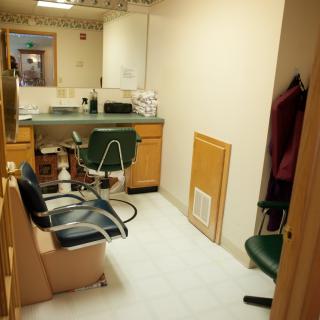
 Beautician on-site
 Cable or satellite TV
 Devotional services off-site
 Dining room
 Fully furnished
 Garden
 Housekeeping services
 Indoor common areas
 Kitchenette
 Laundry
 Move-in coordination
 Outdoor common areas
 Respite or short term stays offered
 Restaurant-style dining
 Small library
 Telephone
 Wheelchair accessible showers
 Wi-Fi/high-speed internet available
 Transportation & parking
 24-hour call system
 Ambulatory care
 Assistance with bathing
 Assistance with dressing
 Assistance with transfers
 Diabetes diet
 Diabetic care
 Incontinence care
 Medication management
 Mental wellness program
 Physical therapy
 Special dietary restrictions
 Walking wheelchair assistance
 English




 Exploring the Contrasts Between Assisted Living and Skilled Nursing
 Vibrant Senior Living: A Comprehensive Guide for Active Older Adults
 Assisted Living and Memory Care: Understanding Their Core Differences