
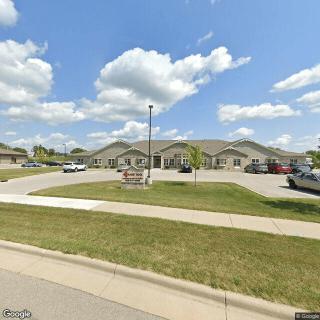
1200 Jefferson Street, Fort Atkinson, WI 53538
For more information about senior living options: (866) 208-4318
Overall Review of Rescare Jefferson
Cons
 The facility provided poor care; patients were served cold meals despite being told, and some did not receive showers while their equipment was dirty.
- A loved one died due to lack of care, with the staff failing to address pain and care needs.
- The place has repeated ownership changes, and the new administrator was seen sleeping in his office and in his car, raising questions about healthcare competence.
- The building lacks adequate air conditioning and hot water at times, and smells of cigarettes and urine, with CNAs described as condescending and rude.
- It is described as a for-profit nursing home, with a warning not to send loved ones there.
- The facility is characterized as worse than prison, where staff do not care about patients, short-staffing leads to poor care, and beds are filled despite shortages.
Review
Rescare Jefferson in Fort Atkinson is best suited for families who prioritize a warm, person-centered atmosphere and the everyday benefits of friendly, approachable staff. When care is described as professional and neighboring residents appear comfortable, the setting can feel like a community where visits matter and caregivers are willing to engage. Several accounts highlight clean, welcoming spaces and a team that makes guests feel at ease, with regular ministry and social opportunities that create a sense of belonging for those who value social programming and easy access to staff. For residents who want a home-like environment with visible warmth from caregivers, this community can deliver on that emotional comfort.
At the same time, serious caveats push families to consider alternatives, especially if reliable medical care and consistent day-to-day functioning are nonnegotiables. The most troubling feedback centers on care quality, hygiene, and basic comfort: reports of cold meals, missed showers, dirty equipment, and odors from the building. Some families describe tangible neglect and slow response to resident needs, including painful medical issues that went unaddressed for too long. A few reviews go beyond isolated incidents, portraying an ongoing pattern that raises questions about resident safety and the credibility of claimed improvements. Potential residents should weigh these warnings against the positive impressions to determine whether this is the right match.
The community’s positives do have teeth in offsetting their drawbacks, but the offset is uneven. The staff are repeatedly praised for care, professionalism, and friendliness, and several accounts emphasize a welcoming environment where residents seem content and staff are accommodating. Cleanliness and a calm, homey vibe are also noted as strengths. These advantages can translate into meaningful daily comfort for many residents, particularly those who rely on a stable, personable care team and value regular social or spiritual activities that enrich daily life. Yet these strengths are tested when core basics, nutrition, hygiene, and timely care, are questioned by multiple families, creating a tension between perceived warmth and actual care reliability.
The concerns about management and operational stability intensify the risk calculus. Reports of ownership turnover, a controversial administrator presence, and questions about leadership competence contribute to a perception that the facility’s systems may be in flux. When leadership is described in terms that evoke inconsistency or indifference, it undermines confidence in care protocols, staff training, accountability, and the ability to sustain improvements. This instability matters because it does not merely affect resident satisfaction; it can influence response times, care planning, and the ability to escalate issues promptly. Families should view these reports as a meaningful signal about how well the facility translates its positive culture into consistent, high-quality care.
Given the mixed experiences, who should seriously consider alternatives? Families with residents who require steady, clinically driven care, strong oversight, and predictable environmental conditions may want to explore other options. If a resident has medical needs that demand responsive nursing, timely bathing and hygiene assistance, reliable meal service, or dependable temperature and hot water, the risk of inconsistent delivery is a critical factor. Additionally, households sensitive to staff turnover, leadership gaps, or a reputation for short-staffing may prefer communities with clearer, more transparent governance and proven continuity of care. For those who prize a consistently calm environment, with exemplary infection control, nutrition, and daily living supports, this is a signal to compare competing options more aggressively.
Practical next steps ground decisions in reality. Prospective families should schedule comprehensive tours focused on concrete measures: ask for recent staffing ratios per shift, how meals are planned and served, how showers and hygiene routines are managed, and what protocols exist to address complaints quickly. Request a candid discussion with the administrator about ownership changes, long-term stability, and recent quality indicators or survey results. Talk to current residents or families about after-hours responsiveness, maintenance of equipment, and the cleanliness of rooms and common areas. Finally, compare inspection reports, staffing transparency, and cost structures across nearby communities to determine whether the warmth and community benefits can be sustained alongside reliable medical care and consistent operational performance. If gaps in these areas persist, pivot toward alternatives that deliver steadier quality without compromising the human touches that matter most.
 4 resident community capacity
 Assisted Living
 Cable or satellite TV
 Dining room
 Fully furnished
 Garden
 Housekeeping services
 Move-in coordination
 Outdoor space
 Telephone
 Wi-Fi/high-speed internet available
 24-hour supervision
 Activities of daily living assistance
 Assistance with bathing
 Assistance with dressing
 Assistance with transfers
 Diabetes diet
 Meal preparation and service
 Medication management
 Special dietary restrictions
 Transportation arrangement (medical)
 Transportation to doctors appointments
 Small, furnished assisted living with 24/7 supervision and comprehensive care.



 Assisted Living and Memory Care: Understanding Their Core Differences
 Beyond the Bingo Hall: 50+ Enriching Activities for Seniors in Assisted Living
 Understanding the Distinctions: Assisted Living and Memory Care Explained