
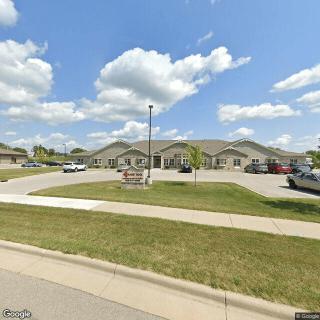
426 Mc Millen Street, Fort Atkinson, WI 53538
For more information about senior living options: (866) 208-4318
Overall Review of Aptitudes
Pros
 Abilities demonstrates longevity and respect for its hard-working staff.
- Abilities is actively working to retain and maintain its staff, even as many facilities are downsizing or closing.
- It offers incentives and drawings to staff.
Review
Aptitudes in Fort Atkinson is best suited for families that prize a stable, staff-centered culture where caregivers stay long enough to know residents well and where leadership visibly supports and rewards frontline workers. The voice of the review highlights longevity and a respectful, appreciative environment for staff, suggesting that residents will encounter familiar faces and consistent communication rather than high turnover. For families worrying about routine disruption or impersonal care, Aptitudes presents as a place where dependable relationships between residents and caregivers can translate into steady daily rhythms and a predictable caregiving approach.
Those who should consider alternatives are families seeking aggressive clinical breadth or a wide slate of amenities and activity options. If a priority is access to highly specialized medical programming, memory care with explicit protocols, or a facility with a large campus and extensive on-site services, Aptitudes may not be the strongest match based on a single positive comment about staff culture alone. Additionally, prospective residents who want transparent, quantitative indicators of clinical outcomes, resident satisfaction beyond staff relations, or a broader, more varied calendar of programming may want to compare options with more documented metrics.
The primary strength in the available review is unmistakable staff longevity coupled with a culture that respects and rewards hard work. This combination matters because a stable workforce reduces resident anxiety, strengthens caregiver-resident rapport, and supports consistent care plans. When caregivers remain long-term, families gain confidence that routines and preferences will be understood and honored. The incentives and drawings mentioned for staff signal a deliberate investment in morale, which tends to translate into lower turnover, less training drift, and more seasoned caregivers, factors that can offset the absence of explicit clinical accolades in a translucent, yet practical, way.
Equally important is the implication that staff appreciation translates into measurable benefits in care delivery over time. Morale-driven retention means residents experience fewer abrupt caregiver changes and more accurate handoffs, especially during shifts. In a sector where turnover often undercuts quality, Aptitudes’ approach to valuing its workforce acts as a force multiplier: it helps ensure that frontline teams remain coherent, communicate effectively with families, and implement consistent routines. While the single review does not name specific resident outcomes, the inferred stability behind the scenes provides a practical, tangible reason to favor this community for families prioritizing dependable daily care.
Nevertheless, the decision should weigh the absence of explicit, quantifiable care metrics against the strength of staff stability. Families should probe directly about turnover rates, the ratio of caregivers to residents, and the processes by which the team communicates with families and physicians. Request examples of a typical day, clarify how shifts are staffed, and explore what happens when a long-term caregiver is unavailable. In short, demand concrete demonstrations of how resident needs are met beyond the positive tone of staff recognition. The right questions will reveal whether the stability praised in the review translates into the specific care intensity and responsiveness required.
In summary, Aptitudes stands out for families who value enduring staff relationships and a culture that actively rewards those on the front lines. It is a sound recommendation for households where stable caregiver familiarity and reliable communication are non-negotiable. For families seeking aggressive clinical programming, expansive amenities, or clearly documented resident outcomes, alternatives that publish more comprehensive metrics may be preferable. The practical choice hinges on aligning the community’s strongest asset, staff stability and morale, with the resident’s particular care needs and family expectations.
 50 resident community capacity
 Assisted Living
 Beauty salon
 Cable or satellite TV
 Dining room
 Fully furnished
 Garden
 Housekeeping services
 Kitchenette
 Move-in coordination
 Outdoor space
 Telephone
 Wi-Fi/high-speed internet available
 24-hour call system
 Activities of daily living assistance
 Assistance with bathing
 Assistance with dressing
 Assistance with transfers
 Diabetes diet
 Meal preparation and service
 Medication management
 Mental wellness program
 Special dietary restrictions
 Transportation arrangement (medical)
 Transportation to doctors appointments




 Exploring the Contrasts Between Assisted Living and Skilled Nursing
 8 Key Indicators That Suggest It May Be Time to Transition from Assisted Living to Skilled Nursing Care
 Vibrant Senior Living: A Comprehensive Guide for Active Older Adults