
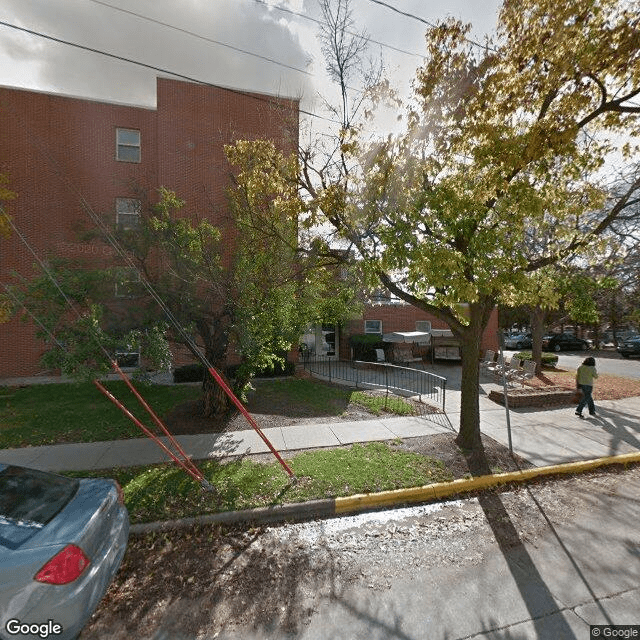
54 West Arndt Street, Fond Du Lac, WI 54935
For more information about senior living options: (866) 208-4318
Overall Review of Tarfa Terrace
Pros
 The staff are consistently responsive and helpful.
- The facility is nice overall.
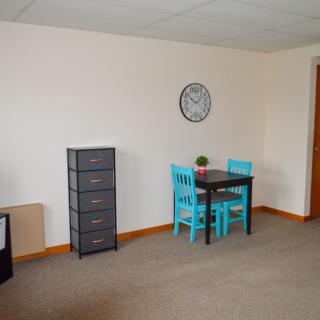
- The rooms have amenities that make living there more comfortable for guests.
- The bathroom facilities are up to date to accommodate people with disabilities.
- Elevators are accessible with easy-to-use buttons for wheelchair users.
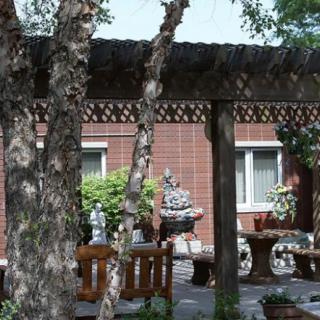
- There is an outdoor patio area where residents can enjoy the fresh air.
- Maintenance issues have been addressed promptly.
- There is a shuttle to the hospital.
Cons
 Sometimes care between shifts could have better continuity.
- The shuttle to the hospital is only available until 5 PM.
- After 5 PM, the shuttle could not take him to the hospital.
- It would have been better to get him to the hospital sooner.
Review
Tarfa Terrace in Fond du Lac, WI is best suited for seniors who want a warm, people-centered community with accessible design and a steady rhythm of social activities. The setting supports a comfortable, home-like daily life, with rooms that feel contemporary and bathrooms built to accommodate mobility needs. Elevators with easy-to-use controls and outdoor seating areas reinforce a sense of independence while still keeping care close at hand. For residents who prize sociability, routine meaningful activities, and reliable, responsive staff, Tarfa Terrace delivers a practical, reassuring environment.
That said, there are clear reasons some families will want to explore alternatives. The care model relies on shift-based staffing, and examples from one review highlight that continuity between shifts could be improved. For highly medically complex residents or those requiring seamless, always-on oversight, this can become a notable gap. Additionally, the transportation arrangement, a hospital shuttle that terminates at 5 PM, presents a concrete after-hours hurdle. When urgent or late-day needs arise, families may end up maneuvering transportation themselves or arranging private solutions, which may not fit every caregiver’s plan or budget. These limits are important to weigh against the community’s many strengths.
On the upside, the strongest pros create meaningful offset to these drawbacks. Staff are described as responsive and helpful, with the overall service quality deemed good, and maintenance issues resolved promptly. That responsiveness translates into reliable day-to-day comfort and peace of mind for families who need timely attention to small problems or routine concerns. The social calendar, featuring activities like bingo, movies, and happy hour, actively combats isolation and gives residents a sense of belonging. In addition, the facility’s design supports independence: up-to-date bathrooms, accessible elevator controls, and mobility-friendly layouts enable residents, including those using power chairs, to navigate the space and get out into the community, even to local shops when needed. These elements collectively reduce frailty risk, preserve dignity, and foster social connectedness.
The living environment further reinforces practical decision-making for families balancing independence with oversight. The rooms are comfortable and well-equipped, and the outdoor patio provides an appealing space for fresh air and casual interaction. The combination of accessible design and an engaged staff creates a foundation where daily routines can feel predictable, reducing the stress often associated with senior transitions. However, these advantages are most meaningful when care needs align with the level of attention the team can sustain across shifts and during evenings or after hours. In scenarios where late medical coordination or 24/7 nurse presence is essential, Tarfa Terrace may fall short of that benchmark.
In concrete terms, Tarfa Terrace represents a solid option for seniors who value a lively, connected community and practical accessibility features, paired with responsive staff and manageable, home-like living spaces. It suits households seeking a less clinical environment, where social engagement and straightforward care deliver a dignified, comfortable experience. It is less well-suited for families prioritizing uninterrupted, around-the-clock medical oversight or those requiring flexible, after-hours hospital transport without arranging additional support. The decision hinges on matching individual care intensity with the facility’s staffing rhythm and transportation limits.
For families weighing Tarfa Terrace, concrete next steps include confirming shift-change handoff practices and asking for a sample weekly care plan to gauge consistency, requesting an up-to-date activity schedule to align with personal interests, and verifying the exact after-hours transport options and any potential exceptions to the 5 PM shuttle rule. If after-hours medical coordination or extended shuttle service is a priority, exploring other communities with longer transport windows or more robust on-site nursing coverage is prudent. Tarfa Terrace offers a trustworthy, engaging home base for many, provided care expectations align with its demonstrated strengths and logistical realities.
 32 resident community capacity
 Assisted Living
 Memory Care
 Activities on-site
 Beauty salon
 Cable or satellite TV
 Devotional services off-site
 Dining room
 Fully furnished
 Garden
 Housekeeping services
 Indoor common areas
 Kitchenette
 Move-in coordination
 Outdoor space
 Restaurant-style dining
 Small library
 Telephone
 Wi-Fi/high-speed internet available
 24-hour call system
 Ambulatory care
 Assistance with bathing
 Assistance with dressing
 Assistance with transfers
 Diabetes diet
 Diabetic care
 Medication management
 Mental wellness program
 Special dietary restrictions


 Comprehensive Guide to VA Nursing Homes: A Crucial Long-Term Care Resource for Veterans
 Estimating the Expenses of At-Home Dementia Care: A Detailed Exploration
 Comprehensive Insights on the Late Stages of Dementia: What to Expect and How to Provide Care