The community offers 24-hour supervision alongside daily assistance needs.
Care services include 24-hour supervision, which is paired with help for activities of daily living like bathing, dressing, and transfers. Coordination with health care providers is also listed as part of residents' support. Transportation arrangement for medical appointments and transportation to doctors appointments are included in the care services too.
common
Daily activity support is included
Scheduled daily activities are part of daily life here.
The community lists scheduled daily activities and community-sponsored activities. Residents and families typically look for something beyond basic care, and this offering is reflected both as an activity focus and as part of the broader day-to-day support. Care services also include assistance with activities of daily living, which can make it easier to participate in those routines.
common
Meal support matches special diets
Dining support includes preparation and service with special dietary needs.
Meal preparation and service is included in care services, along with diabetes diet and special dietary restrictions. The dining-related items also specifically call out diabetes diet and special dietary restrictions, aligning with the way meals are managed as a care need rather than only as general food availability. This is complemented by medication management also listed within care services.
common
Care includes medication management
Residents receive medication management as part of support.
The care services list medication management, which suggests help with staying on top of prescriptions is built into the support plan. Along with assistance with bathing, dressing, and transfers, medication management points to a more hands-on approach to day-to-day care needs. Coordination with health care providers is also listed to support ongoing health needs.
How we summarize
We summarize when many written reviews mention each theme; a review can touch several themes, and only frequently mentioned themes are displayed.
Features
Housing
4 resident community capacity
Types of Care
Assisted Living
Board and Care Home
Amenities
Cable or satellite TV
Dining room
Fully furnished
Garden
Housekeeping services
Move-in coordination
Outdoor space
Telephone
Wi-Fi/high-speed internet available
Care Services
24-hour supervision
Activities of daily living assistance
Assistance with bathing
Assistance with dressing
Assistance with transfers
Coordination with health care providers
Diabetes diet
Meal preparation and service
Medication management
Special dietary restrictions
Transportation arrangement (medical)
Transportation to doctors appointments
Dining
Diabetes diet
Special dietary restrictions
Activities
Community-sponsored activities
Scheduled daily activities
Nearby Places of Interest
Restaurants
Salty's Seafood & Spirits (0.4 miles)
Oasis Restaurant (0.8 miles)
Trepanier's Backyard Grill & Bar (0.9 miles)
Jimmy John's (1 miles)
Mix It Up Bakery (1 miles)
Taco Bell (1 miles)
Chinatown Kitchen (1.1 miles)
Places of Worship
Spirit Of Life Church Of God (0.6 miles)
Holy Family Catholic Community (0.9 miles)
Holy Family Congregation (0.9 miles)
Salem United Methodist Church (1 miles)
Institutional Ministries (1.2 miles)
Bread of Life Family Worship Center Church (1.6 miles)
First Presbyterian Church (1.9 miles)
Parks
Lakeside Park (0.7 miles)
Rotary Voyageur Playground (1 miles)
Pharmacies
Agnesian Pharmacy Plus (0.8 miles)
Walgreens (0.9 miles)
Agnesian Pharmacy Main Street (0.9 miles)
Kremer Pharmacy & Gift (1.1 miles)
Natural Healthy Concepts (1.2 miles)
Walgreens (1.3 miles)
Aurora Pharmacy (1.7 miles)
Physicians
Agnesian Healthcare - Dennis Yunk MD (0.8 miles)
Lakeside Neurocare (0.8 miles)
Central Wisconsin Cancer Program (0.8 miles)
Callisto Jessica Fond Du Lac Regional Clinic Fond Du L.Ac. (0.8 miles)
Jasleen Randhawa, MD (0.8 miles)
Punit Kumar, MD (0.8 miles)
Salasek James PhD - Saint Agnes Behavioral Health (0.8 miles)
Hospitals
Agnesian Healthcare (0.8 miles)
SSM Health St. Agnes Hospital - Fond du L.Ac. (0.8 miles)
St. Agnes Hospital (0.8 miles)
Fond Du L.Ac. County Health Care Center (0.9 miles)
Bank Street Home is located at 413 East Bank Street, Fond Du Lac, WI 54935 in Fond du Lac County, Wisconsin
Nearby Communities
Lake View Place
Fond Du Lac, WI
4.7 from 32 reviews
$3,283 to $4,073 / month
Friendly staff and a welcoming, well-maintained community.
Lake View Estates
Fond Du Lac, WI
4.8 from 10 reviews
Beautiful, well-maintained apartments with exceptional, friendly staff and upscale, welcoming interiors.
Lake View Assisted Living
Fond Du Lac, WI
Independent living with supportive care, devotional services, and strong access to nearby amenities.
Follett Home
Fond Du Lac, WI
Comprehensive care and amenities (24/7 supervision, ADL assistance, meals/diabetes diet, medication management, transportation) with engaging activities and a homelike setting.
Park Haven
Fond Du Lac, WI
Fully furnished apartments with on-site dining and coordinated care.
Crossroads Care Center Of Fond Du Lac
Fond Du Lac, WI
3.7 from 22 reviews
Comfortable, fully furnished assisted living with 24-hour supervision, daily activities, and restaurant-style dining.
St Francis Home - Fond Du Lac
Fond Du Lac, WI
4 from 8 reviews
Extensive on-site amenities and 24/7 staff support.
Lakeshore Manor
Oshkosh, WI
4.3 from 57 reviews
$3,850 to $4,600 / month
Beautiful, homey memory care community with friendly staff and engaging activities.
Bella Vista
Oshkosh, WI
4.2 from 111 reviews
$3,000 to $4,600 / month
Friendly residents and staff with good amenities and accessible, well-lit apartments.
The transition from assisted living to skilled nursing care is often prompted by complex medical needs that assisted living cannot meet, with key indicators including frequent health declines, increased falls, severe memory issues, and caregiver burnout. Families should recognize these signs early to discuss options with healthcare providers and prepare for the emotional and logistical aspects of moving to a facility that offers comprehensive medical support.
Vibrant Senior Living emphasizes active senior living communities that promote independence and engagement through diverse amenities and activities, fostering wellness and social interaction among older adults. These communities range from independent to assisted living, with a focus on personal growth, family involvement, financial planning, and leveraging technology to enhance residents' experiences.
Transitioning from assisted living to memory care is driven by an individual's cognitive decline and specific needs, requiring careful evaluation of indicators like increased confusion and wandering. The process involves consulting medical professionals, researching suitable communities, considering financial and legal aspects, and ensuring effective communication for personalized care plans.
Get PricingAsk A QuestionSchedule A TourContact Senior Advisor
By clicking submit, you agree to our Partner's Terms of Use. You
also consent to receive calls and texts, which may be autodialed, from our Partner. Your consent is not a condition to
using our Partner's service. Please visit our Partner's Privacy Policy for information about their privacy practices.

 4 resident community capacity
 Assisted Living
 Board and Care Home
 Cable or satellite TV
 Dining room
 Fully furnished
 Garden
 Housekeeping services
 Move-in coordination
 Outdoor space
 Telephone
 Wi-Fi/high-speed internet available
 24-hour supervision
 Activities of daily living assistance
 Assistance with bathing
 Assistance with dressing
 Assistance with transfers
 Diabetes diet
 Meal preparation and service
 Medication management
 Special dietary restrictions
 Transportation arrangement (medical)
 Transportation to doctors appointments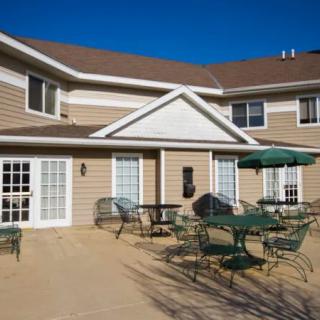
 Friendly staff and a welcoming, well-maintained community.




 8 Key Indicators That Suggest It May Be Time to Transition from Assisted Living to Skilled Nursing Care
 Vibrant Senior Living: A Comprehensive Guide for Active Older Adults
 When to Transition from Assisted Living to Memory Care: Key Indicators, Steps, and Finding the Right Community