

429 W Wayne ST, Ellsworth, WI 54011
For more information about senior living options: (866) 208-4318
Preferred Senior Living Costs & Pricing
Preferred Senior Living offers competitive pricing for its accommodations when compared to both Pierce County and the broader state of Wisconsin. For a studio apartment, the monthly cost is $3,090, which aligns perfectly with the average in Pierce County but stands out as significantly lower than the state average of $3,999. Similarly, the one-bedroom option is priced at $3,415 - matching the county's rate while being just slightly higher than Wisconsin's average of $3,412. These figures highlight Preferred Senior Living's commitment to providing affordable yet high-quality living arrangements for seniors in a welcoming environment that meets their needs without compromising on value.
| Floor plans | Preferred Senior Living | Pierce County | Wisconsin |
|---|---|---|---|
| Studio | $3,090 | $3,090 | $3,999 |
| 1 Bedroom | $3,415 | $3,415 | $3,412 |
Memory care communities with a similar price nearby
-
from -$225 / mo
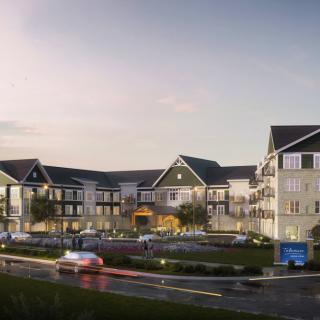
Talamore Woodbury
$2,865 to $4,455 / month23.7 miles away -
from -$595 / mo
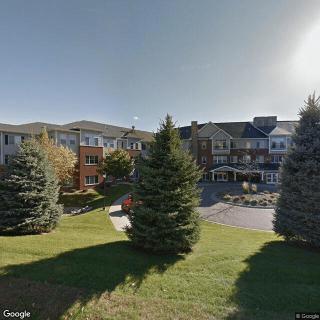
Stonecrest
$2,495 to $3,330 / month24.9 miles away -
from +$310 / mo
Comforts of Home - Baldwin
$3,400 / month15.2 miles away -
from -$130 / mo
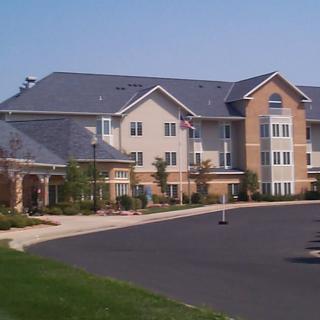
Benedictine Living Community Regina
$2,960 to $4,450 / month19.2 miles away -
from -$115 / mo
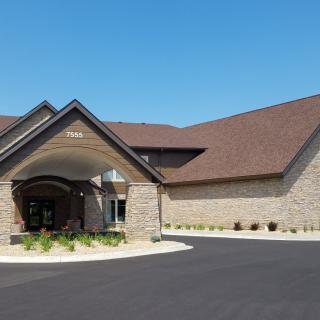
Saint Therese of Woodbury
$2,975 to $3,465 / month24.3 miles away
Overall Review of Preferred Senior Living
Cons
 The facility hung up on them after learning they could not afford two years of payment upfront.
- The tone, patience, and care reportedly changed after that.
- It is not the kind of place to trust with a loved one's care if the staff cannot even be nice over the phone and only want money.
- An elderly family member is not just a paycheck.
- The demand for two years' upfront payment is especially problematic.
- No amount of fancy options reveals what kind of care they actually provide.
- The center's response was tasteless and wasteful.
Review
Preferred Senior Living in Ellsworth, WI appears best suited for families with substantial financial resources who are comfortable navigating upfront payment terms and who prioritize the look and feel of a senior-living community over a clearly articulated care plan at the outset. The setting may appeal to those who are drawn to marketing polish, amenities, and an impression of readiness to support independence and social activity. In practice, that means prospective residents who can endure a sales-driven process and who will independently verify care quality rather than rely on early conversations or promises made over the phone.
Those who should consider alternatives are clear: households with limited upfront funds or strict budgeting, families who need transparent, straightforward pricing, and caregivers who must understand exactly what level of medical or daily living support is included before committing. Also advised to explore other options are families who experienced or fear curt, transactional communications during initial inquiries, or who want to hear concrete, verified details about staffing, care routines, and response times before any commitment. If person-centered care and consistently respectful, empathetic communication are nonnegotiable, this community warrants careful comparison with other local offerings.
The strongest positives that can be taken from the broader context are the potential for amenities and an appealing environment, along with at least one high rating suggesting that some residents have had positive experiences there. These elements can contribute to quality of life, social engagement, and a comfortable transition into an assisted-living setting. However, the tangible advantages of a well-appointed facility do not automatically compensate for the most consequential downsides: opaque pricing, a heavy emphasis on upfront financial terms, and inconsistent or brusque communication that leaves questions about actual care unanswered.
The core drawbacks are the deal-breakers for many families. A demanding upfront payment, specifically a multi-year, upfront commitment, creates a significant financial barrier and can trigger a stressful negotiation dynamic, especially when the tone of initial contact shifts to transactional pressure. In addition, the risk that care quality remains underspecified in marketing materials or early conversations is unsettling: without a clear description of what daily support, staffing levels, or clinical oversight will look like, families must conduct independent due diligence, which may involve probing questions that professionals in this setting should routinely anticipate and welcome. The combination of payment pressure, uneven customer service, and elusive care details can overshadow any attractive amenities.
To make a well-informed decision, prospective residents should insist on transparent, written disclosures about pricing and what is included at each level of care, plus concrete descriptions of staffing patterns, shift coverage, and response times for calls or emergencies. Request a formal contract that outlines refundability, escalation procedures, and policies on changes in care needs. Seek direct conversations with a care director or a supervisor who can articulate the daily routines, medication management, safety protocols, and any specialized services offered on site. It is also prudent to request current resident references and to tour during non-peak hours to observe staff interactions, meal quality, and activity programming firsthand. If the emphasis in those verifications is warm, patient, and consistent communication, the option becomes more viable; if not, alternatives should be prioritized.
Bottom line: Preferred Senior Living is not a universal fit. For families prioritizing cost transparency, respectful engagement, and clearly defined care, other communities warrant serious consideration. For those who can meet substantial upfront obligations and who value an upscale environment as part of the decision, with diligent verification of care quality through independent checks, a visit could still be worthwhile. The decisive factor is alignment between promises, price reality, and the lived experience of daily care.
 Assisted Living
 Memory Care
 Activities on-site
 Devotional services off-site
 Indoor common areas
 Ambulatory care
 Diabetic care
 Meals provided
 Caring staff and flexible floor plans that allow couples to live together.

 Are Dementia and Alzheimer's Disease Lethal? A Comprehensive Exploration
 Exploring the Power of Reminiscence Therapy for Individuals With Dementia
 An In-Depth Look at Reminiscence Therapy in Dementia Care