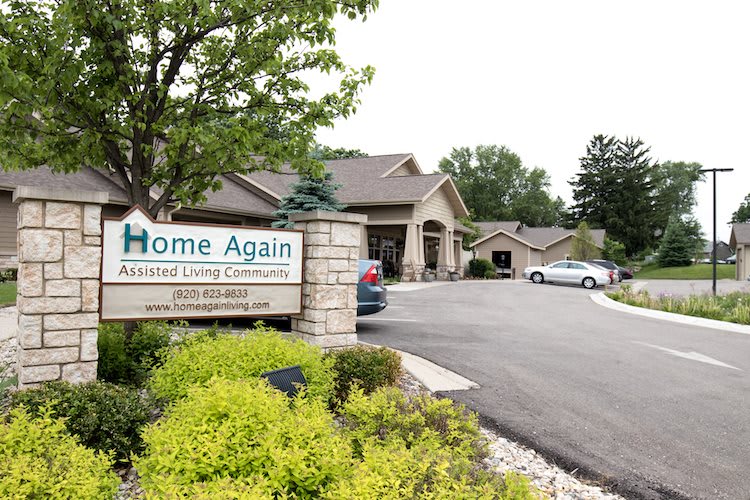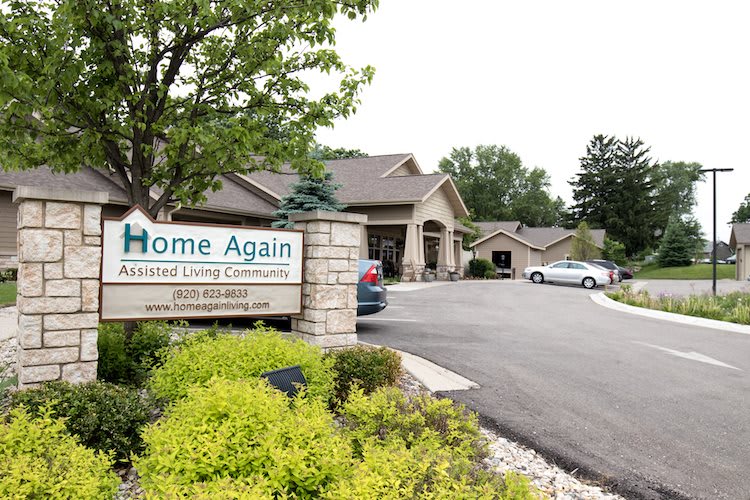
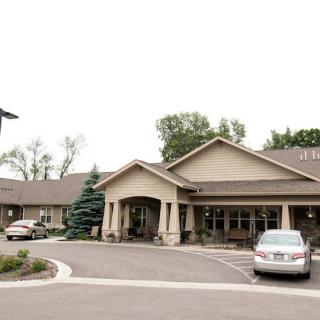
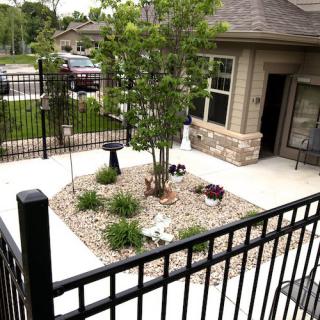


110 Stuart St, Columbus, WI 53925
To contact a resident: (920) 623-9833
For more information about senior living options: (866) 208-4318
Home Again Assisted Living - Columbus Costs & Pricing
Home Again Assisted Living in Columbus offers competitive pricing for its residents compared to both Dodge County and the broader Wisconsin market. For a studio apartment, the monthly cost is $2,700, which represents significant savings when contrasted with the average rate of $3,563 in Dodge County and $3,999 statewide. Similarly, the one-bedroom option at Home Again is priced at $3,300, providing a favorable alternative to Dodge County's average of $3,741 and slightly exceeding Wisconsin's average of $3,412. These figures illustrate that Home Again Assisted Living delivers an appealing balance of quality care and affordability within the local context.
| Floor plans | Home Again Assisted Living - Columbus | Dodge County | Wisconsin |
|---|---|---|---|
| Studio | $2,700 | $3,563 | $3,999 |
| 1 Bedroom | $3,300 | $3,741 | $3,412 |
Memory care communities with a similar price nearby
-
About the same
Talamore Sun Prairie
$2,660 to $3,655 / month16.1 miles away -
from +$500 / mo
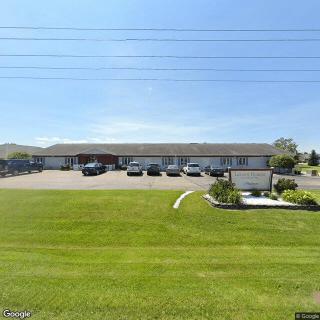
Larson House
$3,200 to $3,700 / month0.8 miles away -
from +$450 / mo
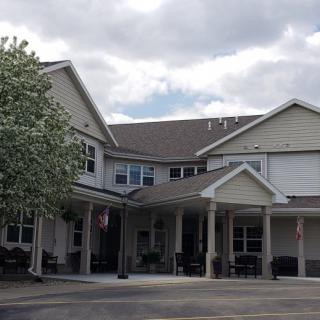
The Meadows of Fall River
$3,150 to $4,300 / month3.9 miles away -
from -$100 / mo
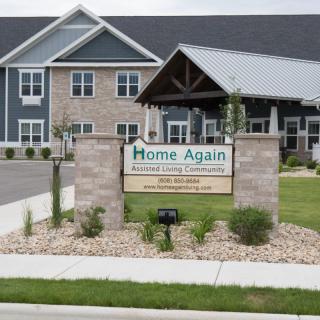
At Home Again Waunakee Memory Care
$2,600 to $3,600 / month24.3 miles away -
from -$260 / mo
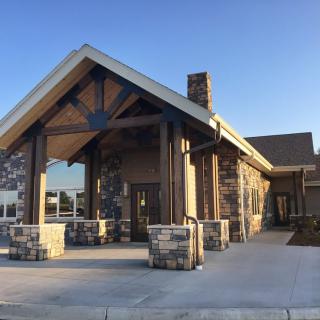
The Legacy of DeForest
$2,440 to $4,140 / month16.7 miles away
Overall Review of Home Again Assisted Living - Columbus
Pros
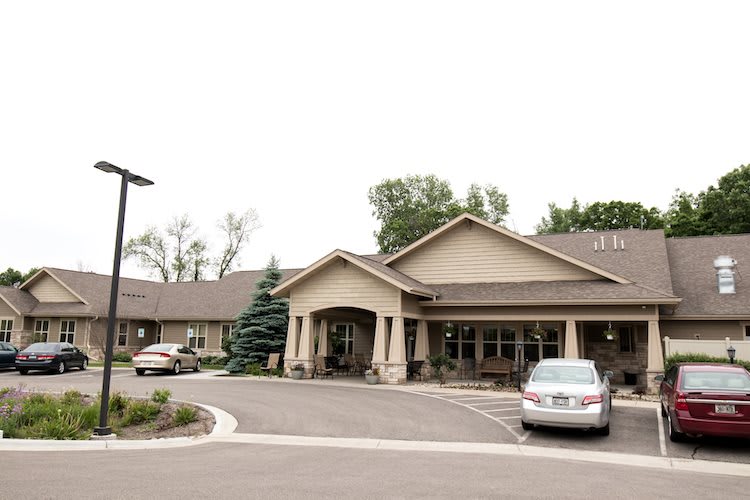
 The community is smaller in size and more personal.
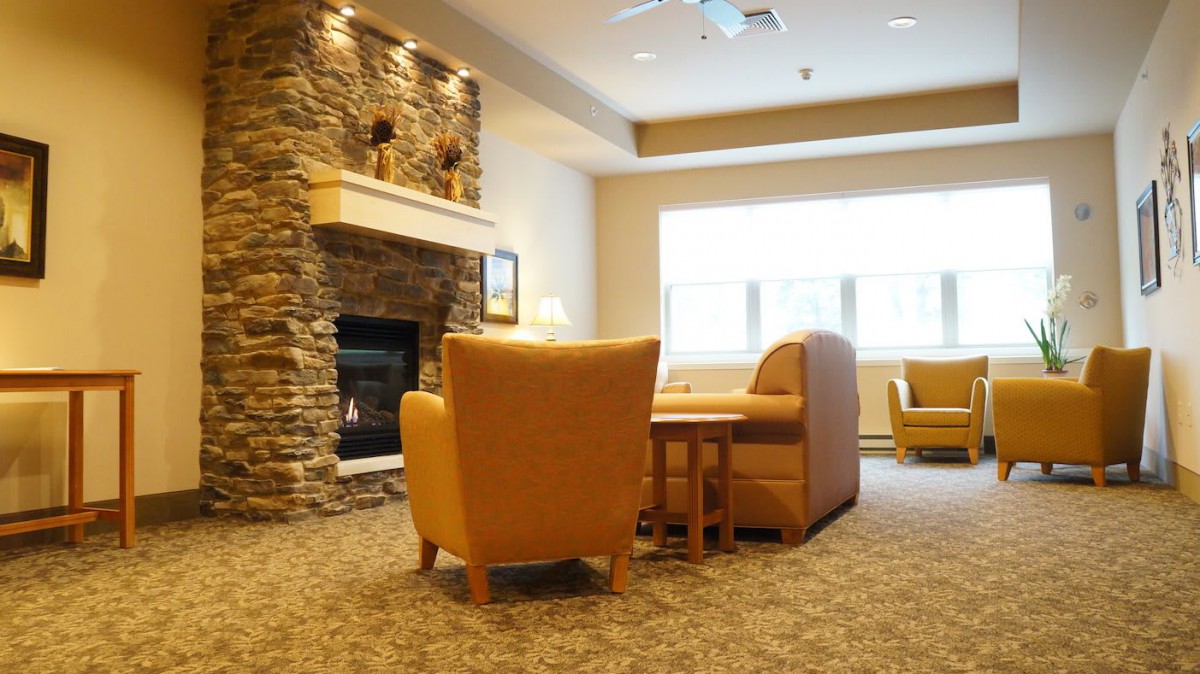
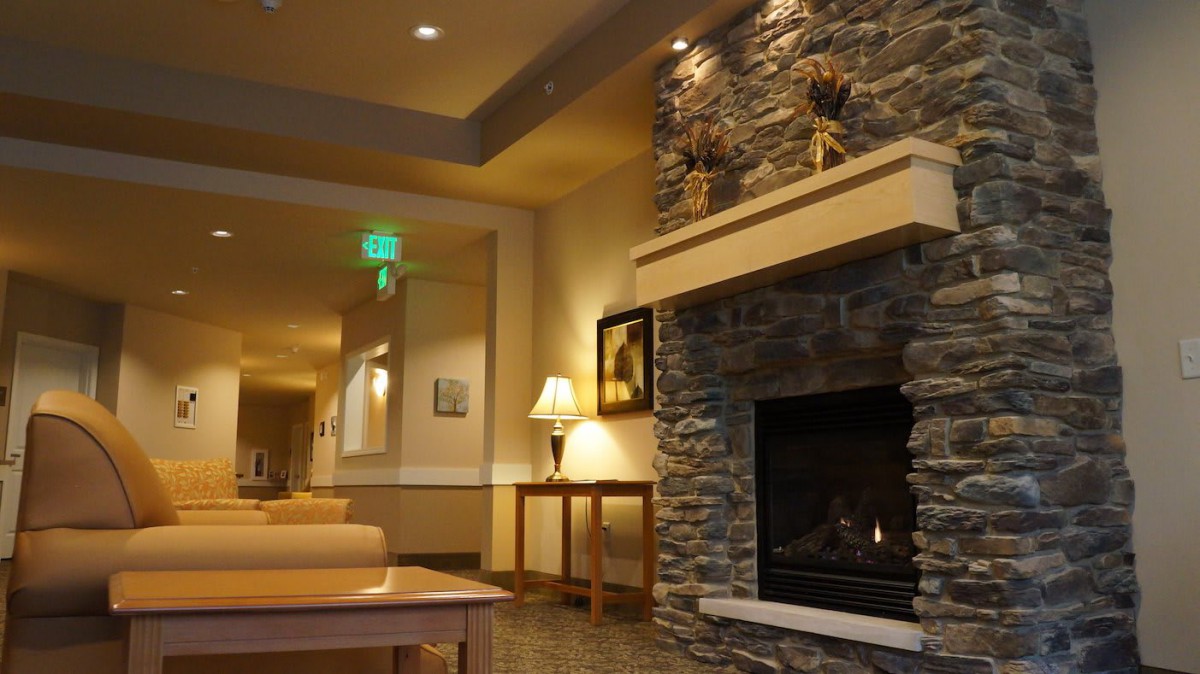
- The facility is clean, well kept, and nicely laid out.
- The staff are attentive, kind, patient, knowledgeable, and loving.
- They treat residents like family and provide invaluable guidance on health care and dementia issues.
- The staff are excellent and creative in keeping residents engaged in a wide range of activities, even as dementia progresses.
- Families are treated like family and are supported by leadership and staff.
- The meals feel like home cooking, and residents report good care.
- The environment feels like home due to caring staff and a welcoming atmosphere.
- It is a fantastic place for a loved one to live, with compassionate care and a strong sense of community.
Cons
 They don't take Medicare.
- If you need more care, the price per month goes up.
- When hospice comes in and as they do more, the amount that they take for being there goes down because hospice would take Medicare.
Review
Home Again Assisted Living in Columbus is best suited for seniors who value a small, home-like setting where staff know residents well and relationships feel personal. This community shines for those who want attentive, compassionate care delivered by a tightly knit team that treats residents like family. It is especially strong for individuals living with dementia who benefit from creative engagement and consistent, patient supervision, and for families seeking a setting with a strong sense of warmth, daily routine, and home-cooked meals in a calm, well-kept environment.
Families should also know who may want to consider alternatives. The facility does not accept Medicare, which can complicate budgeting when care needs scale up. That gap can drive higher monthly costs for residents who require additional services, even as hospice involvement can shift some coverage. Those needing a higher level of medical acuity or more expansive on-site medical resources might prefer larger communities with broader hospital connections and more visible medical coverages. For anyone prioritizing a wide array of specialized therapies or a large, bustling campus, alternatives may feel more suitable.
The strongest advantages are concrete and consistently echoed: intimate size and a homey atmosphere, meticulous upkeep, and staff who are genuinely caring and available. The leadership and on-site nurses are described as capable and approachable, with a culture that feels more like a family than a clinical environment. The staff’s ability to tailor activities to individual interests, even as dementia progresses, stands out, underscoring a commitment to meaningful engagement rather than rote programming. Families repeatedly note how they are treated with respect and included in planning, receiving guidance on health and dementia issues that proves invaluable in tough moments.
Those positives do offset the main caveats, but it remains essential to weigh them against real-world implications. The lack of Medicare acceptance means budgeting relies on private pay or alternative arrangements, and the note that pricing can rise as care needs intensify should not be ignored. Yet the same structure that gives residents personal attention also supports this reality: small communities can absorb and adapt to changing needs with less bureaucratic friction, delivering consistent care and flexible scheduling around activities and therapies. In short, the very features that make the setting feel intimate can mitigate some concerns about care continuity, provided finances are carefully planned.
Practical guidance for families evaluating this option is clear. Investigate the exact services included in the monthly rate, and obtain a transparent outline of costs if a higher level of care becomes necessary. Ask to meet the supervising clinician and several frontline caregivers to gauge how well a resident’s routine would be personalized over time. Request a sample week of activities to confirm dementia-friendly programming and social opportunities. Understand the hospice dynamic in place, and how it affects billing, noting that hospice involvement can alter coverage arrangements. And, if possible, speak with current families about how the staff responds during transitions, moving from independent living to assisted living, or adjusting care as needs evolve.
In the end, Home Again Columbus stands out as a compelling choice for seniors seeking a compact, caring, and well-managed environment where people matter more than process. The strongest fit is obvious for residents who thrive on personal attention, consistent staffing, and the feeling of a true second family, the kind of place that can sustain meaningful daily living through the progression of memory-related challenges. For those whose priorities include Medicare coverage, greater medical acuity on-site, or the energy of a larger campus, alternatives with broader payer options and more expansive clinical resources should be pursued. The decision hinges on balancing the value of intimate, attentive care against the reality of funding and care escalation needs.
 36 resident community capacity
 1-bedroom apartments
 Assisted Living
 Memory Care
 Activities off-site
 Air-conditioning
 Bath tubs
 Beautician on-site
 Cable or satellite TV
 Devotional services off-site
 Dining room
 Fully furnished
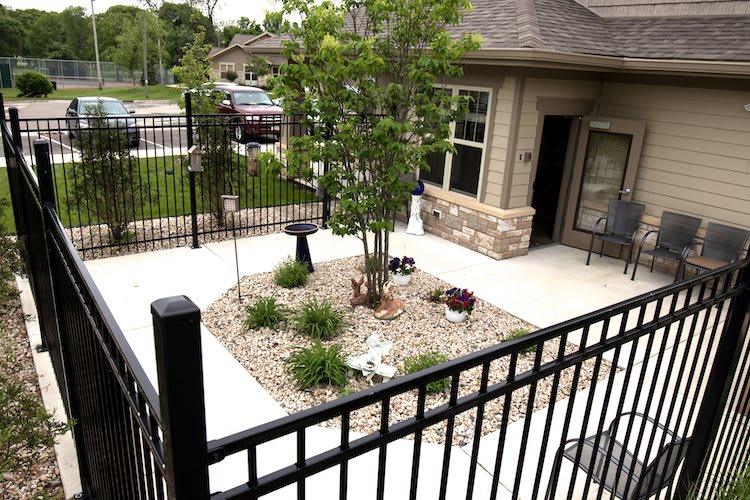
 Garden
 Ground floor units
 Guest parking
 Handicap accessible
 Home sale assistance
 Housekeeping services
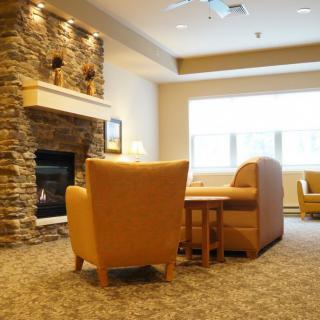
 Indoor common areas
 Kitchenette
 Laundry
 Move-in coordination
 Outdoor common areas
 Overnight guests
 Party space
 Respite or short term stays offered
 Restaurant-style dining
 Small library
 Telephone
 Wheelchair accessible showers
 Wi-Fi/high-speed internet available
 Dane County Regional (20 miles away)
 Transportation & parking
 24-hour call system
 Ambulatory care
 Assistance with bathing
 Assistance with dressing
 Assistance with transfers
 Diabetes diet
 Diabetic care
 Hospice care
 Incontinence care
 Medication management
 Mental wellness program
 Physical therapy
 Special dietary restrictions
 Art classes
 Book club
 Cooking club
 Day trips and outings
 Educational speakers / life long learning
 Fitness programs
 Games
Games Happy hour
 Live dance or theater performances
 Live musical performances
 Live well programs
 Sensory-based programs
 Trivia games
 Wii bowling

 Five Subtle Dementia Indicators to Observe: An In-Depth Guide to Understanding “Does My Mom Have Dementia?”
 Dementia, Paranoia, and Caregiver Guidance: Understanding the Connection
 Engaging Memory Care Activities That Enhance Quality of Life