
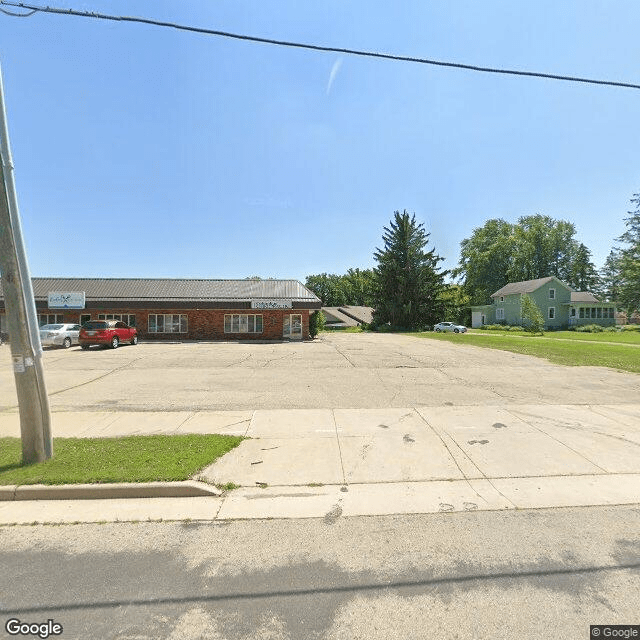
110 Stuart Street, Columbus, WI 53590
To contact a resident: (920) 623-9833
For more information about senior living options: (866) 208-4318
Overall Review of At Home Again Columbus Memory Care
Pros
 The family couldn’t ask for a better place for their mom to live when she could no longer live independently.
- From the moment mom moved in, the leadership and staff treated her as one of their own family members.
- The staff were attentive, kind, patient, knowledgeable, and loving.
- They went out of their way to ensure mom’s needs were always met.
- The staff were excellent and creative in finding ways for mom to engage in activities, even as her dementia progressed.
- They treated families like their own and provided invaluable insight, recommendations, and guidance as mom’s health care and dementia issues arose.
- A former employee described the center as the most beautiful, up-kept, clean facility and would highly recommend it to friends and family.
Review
This community is best suited for families seeking a memory-care environment where a caring, hands-on staff treats residents like family and work relentlessly to keep loved ones engaged. At Home Again Columbus Memory Care stands out for seniors with dementia who need close supervision, creative activity options, and a warm, home-like atmosphere. The emphasis on personalized attention and meaningful daily engagement makes it a strong fit for families who value continuity of care, empathetic leadership, and a setting that prioritizes comfort and dignity over formality.
Potentially, alternatives should be considered for those with higher medical acuity or more rigid clinical requirements. If a loved one needs extensive on-site nursing oversight, frequent skilled interventions, or a facility with a larger medical footprint, families may want to compare other communities with explicit 24/7 medical staffing and a broader array of on-site healthcare services. Additionally, if independence within a more apartment-style or larger campus environment is crucial, or if budget and location drive the decision, those factors could steer families toward different options. The reviews here emphasize warmth and dementia-focused engagement rather than a heavy emphasis on clinical services, so the fit may tighten as medical needs evolve.
The strongest pros, the heartfelt, family-like approach from leadership and staff, the patience and knowledge demonstrated in handling dementia, and the dedication to keeping residents active, largely offset the absence of explicit medical benchmarks in the public narrative. Residents appear to receive attentive, individualized care, with staff going “out of their way” to meet needs and to connect with families. The ability to engage even as dementia progresses suggests a responsive program that adapts activities to cognitive changes, which is a decisive advantage for families prioritizing quality of life and meaningful daily routines. The clean, well-kept environment and positive reputations from staff and former employees further reinforce confidence in day-to-day operations and a respectful atmosphere.
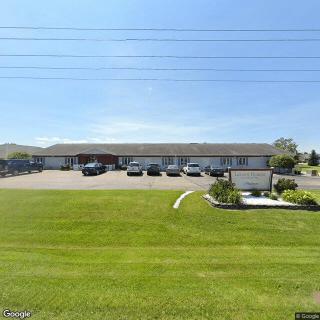
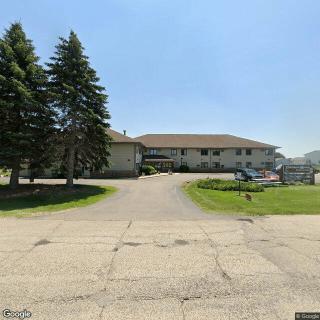
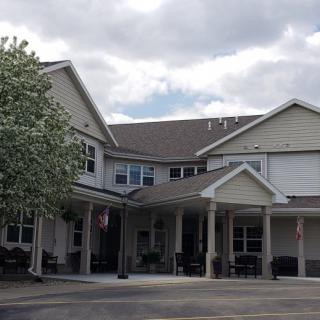
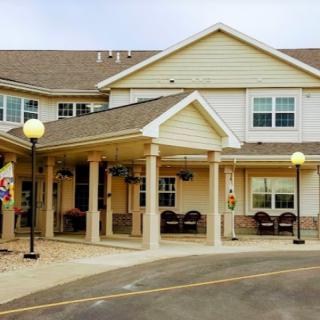
Environment and engagement are central strengths here. Families will hear that the facility is nicely maintained, with a genuine sense of community among residents and staff. The memory-care program is described as creative and flexible, offering varied activities that remain accessible as memory challenges intensify. Food quality and staff attentiveness add to the overall experience, making meals and social times pleasant anchors in a day that can otherwise feel uncertain for someone with dementia. This combination, pleasant surroundings, consistent kindness, and purposeful engagement, creates a durable sense of safety and belonging that many families seek when a move becomes necessary.
For decision-making, practical steps are essential. Arrange a firsthand tour to observe staffing rhythms, ask about staff-to-resident ratios, and see how activities are structured and adapted for different stages of dementia. Inquire about day-to-day medical oversight, what on-site medical support exists, how health issues are escalated, and how families are kept informed. Sample meals and dining routines can reveal whether nutrition and social dining align with expectations, while conversations with current residents or families can uncover patterns not visible on a tour. Finally, compare pricing and what is included, and verify transfer policies as dementia care needs change.
Bottom line: For families prioritizing a warm, resident-centered memory-care setting with highly engaged staff, At Home Again Columbus Memory Care offers a compelling match. It excels in creating a home-like, attentive environment where residents are treated with dignity and kept actively involved in meaningful activities. The ideal use case is a resident in the earlier to mid-stages of dementia who benefits from strong caregiver relationships and a supportive community culture. If medical complexity, extensive on-site clinical services, or a preference for a larger campus are non-negotiables, it is wise to explore alternatives to ensure the level of medical oversight and the facility model align with evolving needs.
 Board and Care Home
 Memory Care
 Dane County Regional (20 miles away)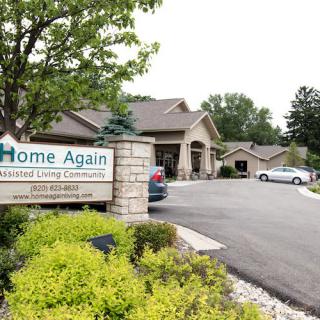
 8 Key Indicators That Suggest It May Be Time to Transition from Assisted Living to Skilled Nursing Care
 Nourishing the Mind: Essential Dietary Approaches for Dementia
 Understanding Dementia Behaviors: Practical Insights and Strategies for Caregivers