


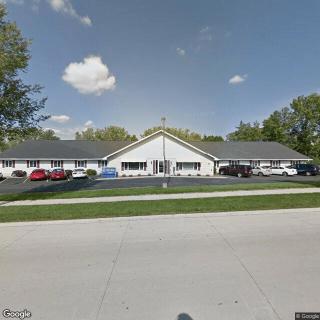
825 Western Avenue, Columbus, WI 53925
For more information about senior living options: (866) 208-4318
Overall Review of Columbus Health And Rehab
Pros
 They feel comfortable there.
- The staff helped him a lot.
- The staff respond quickly when the call button is pressed.
- He liked the food.
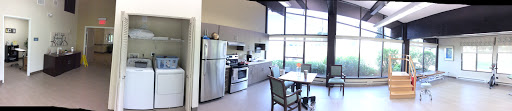
- They offer therapy activities like weight lifting, walking, and stair exercises.
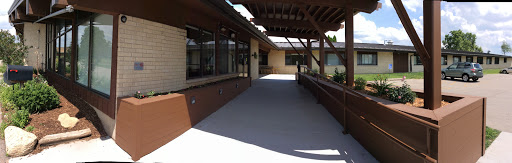
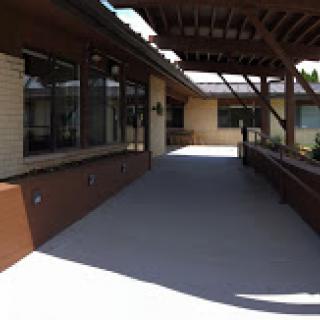
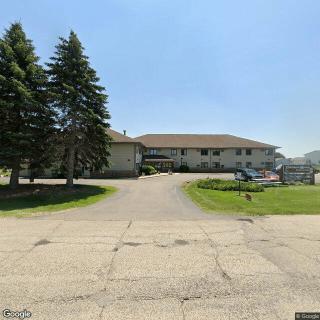
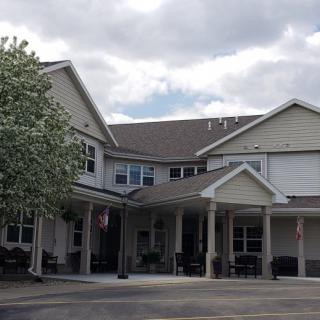
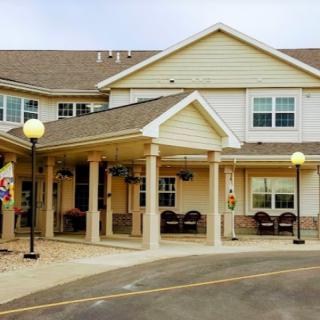
- There is an outdoor area with a canopy where residents can sit.
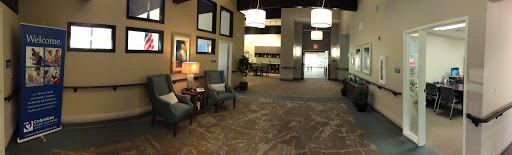
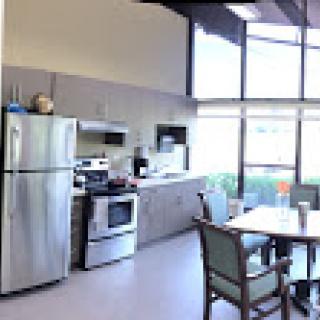
- There is a community area.
- The staff are nice and friendly.
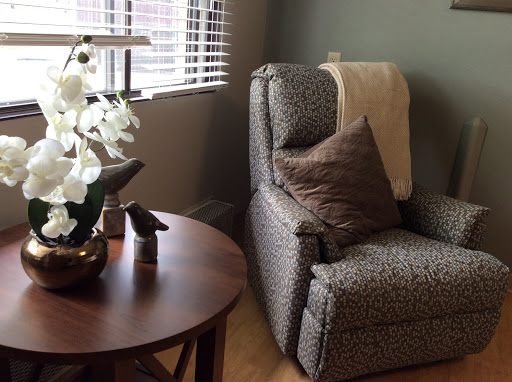
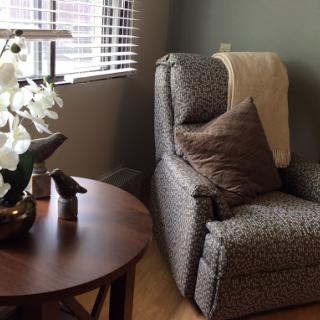
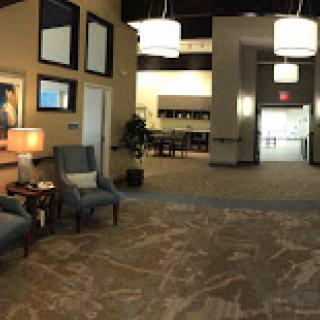
- The layout is good with plenty of windows.
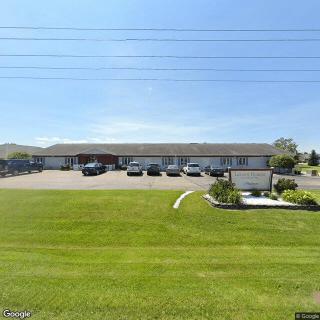
- The facility has a bright atmosphere with large windows and country views.
Cons
 Some staff seemed indifferent to residents' plight, which was irritating.
- The staff were seen by some as just doing a job, and if they can't pretend to care, they shouldn't be in caregiving roles.
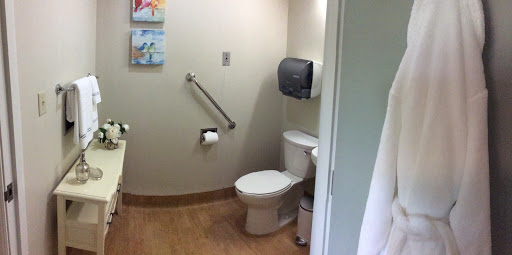
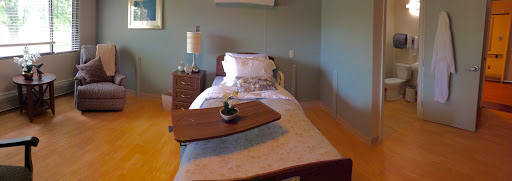
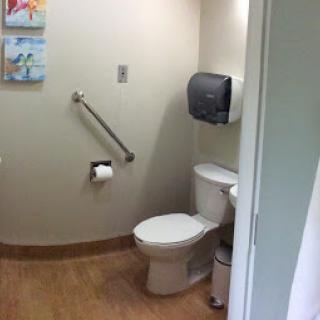
- The bathroom design risked privacy, as someone could be seen on the toilet if the door wasn't locked.
- The staff could use an attitude adjustment.
Review
Columbus Health And Rehab in Columbus, WI is best suited for seniors needing a structured, short-to-mid-term rehab stay after surgery or an acute care episode, where the focus is on therapy, recovery pace, and a comforting, easy-to-navigate environment. Families that prioritize visible therapy resources, prompt assistance when a button is pressed, and a bright, home-like setting will find this community appealing. The combination of accessible equipment, a layout that supports movement, and a scenic atmosphere can help regain confidence quickly. In short, this facility serves recovery-focused residents who want practical rehab with enough social and recreational features to support morale during convalescence.
Those weighing alternatives should consider how strongly privacy, consistently warm interpersonal care, and dining variety factor into the decision. If private rooms and consistently empathetic staff are paramount, or if more diverse dining experiences are non-negotiable, it makes sense to compare other options. The presence of shared bathrooms and variability in staff mood at times should be weighed against personal comfort with communal living. For families seeking a facility with a more uniform patient-facing culture and enhanced privacy, exploration beyond this community is prudent.
On the upside, the strongest advantages lie in the therapy-oriented environment and the physically bright setting. The center offers therapy facilities that support meaningful progress, weight training, gait work, and stairs, paired with outdoor access and a welcoming community area. Couple that with a layout that emphasizes visibility and natural light, and the atmosphere itself becomes a rehabilitation aid. Staff are described as friendly and capable, and the facility’s responsiveness appears reliable in routine situations, with caregivers available when a resident needs assistance. These factors collectively bolster recovery momentum and comfort during a rehab stay.
The prominent drawbacks center on privacy and consistency of care. A shared bathroom arrangement, where doors can create unintended exposure if a roommate does not secure privacy, can undermine comfort and set a tentative tone for some residents. Beyond physical layout, there is a perception that certain staff members may seem indifferent or disengaged, which can erode trust and impede motivation for recovery. While many team members come across as caring, the uneven attitude across shifts matters; for a family paying for attentive service, this inconsistency is a meaningful consideration.
In balancing the pros and cons, this community can deliver a solid rehab foundation for patients who are primarily motivated by therapy outputs and a cheerful, bright environment. The major trade-offs are privacy and the feel of uniform empathy from staff. For residents who need consistent warmth and a highly private space, these trade-offs could become significant enough to prompt a search for alternatives. Prospective families should verify current staffing patterns, observe how call bells are handled across shifts, and assess whether privacy-enabling room options exist within budget and availability.
The practical path forward is clear: plan a firsthand visit with attention to therapy timetables, room configurations, and staff interactions across different times of day. Ask to tour rooms, specifically noting bathroom setups and privacy features. Inquire about private-room possibilities or configurations that enhance privacy, and request examples of meal quality and variety. Confirm typical response times to call bells and discuss post-discharge supports to ensure a seamless transition home or to the next level of care. When these factors align with recovery goals, Columbus Health And Rehab becomes a compelling, practical choice; when they don’t, alternatives should be pursued without delay.
 50 resident community capacity
 Skilled Nursing Facility
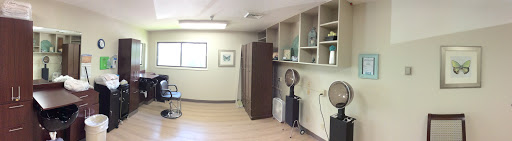
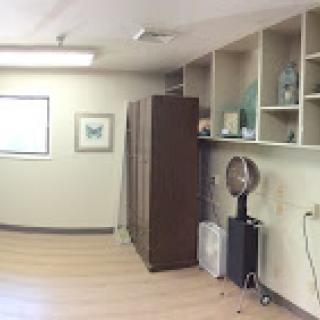
 Beauty salon
 Cable or satellite TV
 Dining room
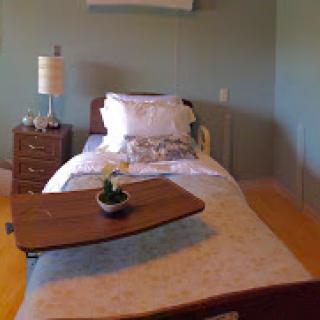
 Fully furnished
 Garden
 Housekeeping services
 Kitchenette
 Move-in coordination
 Outdoor space
 Restaurant-style dining
 Small library
 Telephone
 Wi-Fi/high-speed internet available
 Dane County Regional (20 miles away)
 24-hour call system
 Activities of daily living assistance
 Assistance with bathing
 Assistance with dressing
 Assistance with transfers
 Diabetes diet
 Medication management
 Mental wellness program
 Special dietary restrictions

 Comprehensive Guide to Medicare Coverage for Hospice Care
 Caring for Those Who Care: Recognizing, Understanding, and Overcoming Caregiver Burnout
 Caregiver Exhaustion: Recognizing the Signs and Restoring Your Well-Being